Attractions and Places To See around Alvito - Top 20
Best attractions and places to see around Alvito, a village in Portugal's Alentejo region, offers a blend of historical landmarks, cultural sites, and natural beauty. Situated on an elevated point, it provides expansive views across the Alentejo plains. The area is characterized by its distinctive white houses and Manueline architectural details, providing a serene experience for visitors.
Best attractions and places to see around Alvito
- The most popular attractions is Odivelas Reservoir, a man-made monument and lake that came…
Last updated: October 5, 2026
Odivelas Reservoir
Highlight • Monument
Translated by Google •
Tip by

Alvito Castle and Pousada
Highlight • Castle
Showing Translation
Tip by

Sign up now to discover places like this
Get recommendations on the best single tracks, peaks, & plenty of other exciting outdoor places.
Alcáçovas
Highlight • Settlement
Translated by Google •
Tip by
Ribeira de Odivelas
Highlight • River
Translated by Google •
Tip by

Henriques Palace
Highlight • Historical Site
Translated by Google •
Tip by
Sign up for free to discover even more attractions around Alvito.
Already have an account?
Tips from the Community

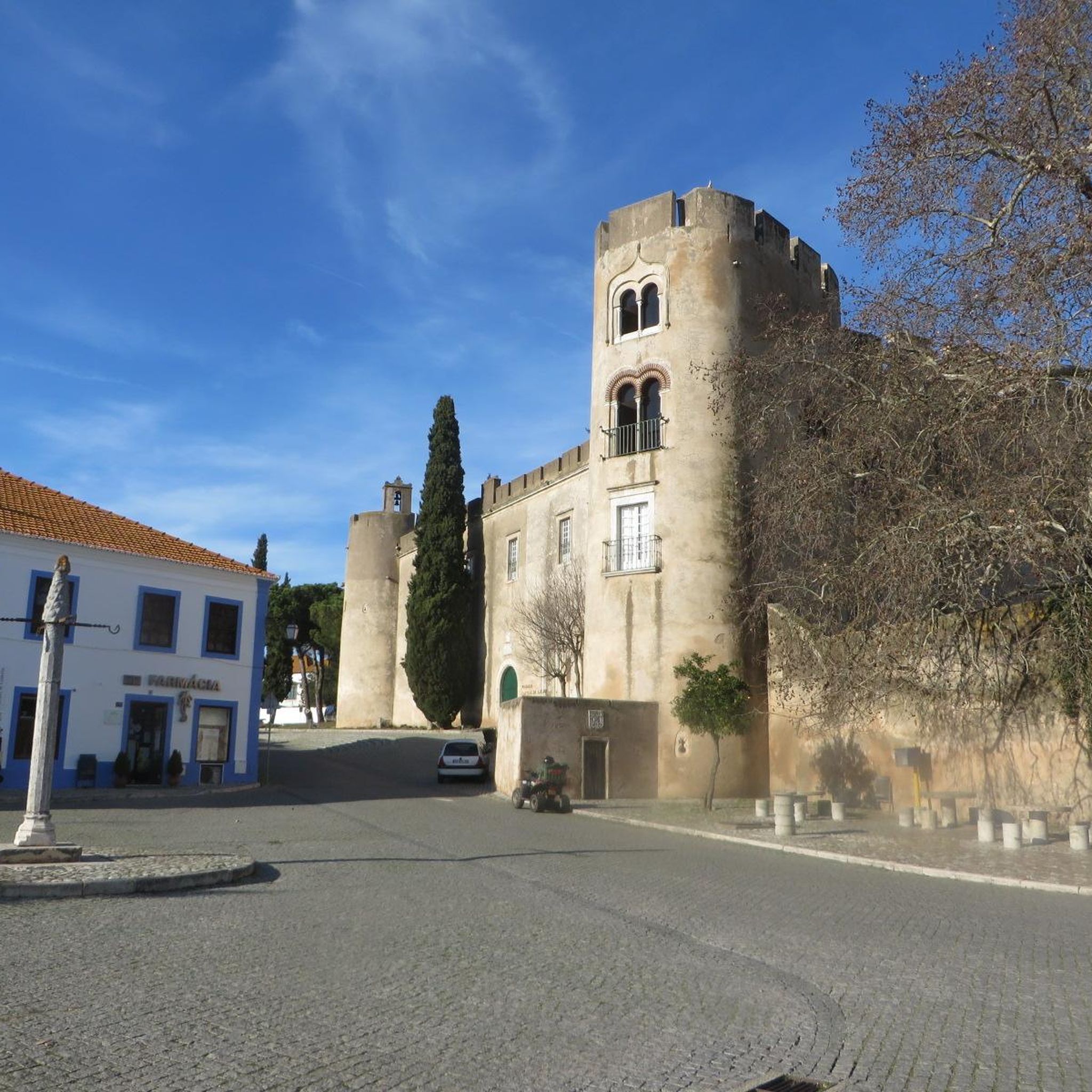
The Castle of Alvito (Castelo de Alvito) is a historic fortified residence located in the Alentejo region of Portugal, which since 1993 has hosted the Pousada Castelo Alvito, a luxury hotel belonging to the prestigious Pousadas de Portugal network.
3
0

Alvito Castle is a military monument and an inn, located in the village of Alvito, in the Alentejo region, in Portugal. It is considered an example of a fortified palace, which combined the functions of a fortress and a wealthy house. It also stands out for its combination of styles, with several Gothic and Manueline elements, and Islamic inspiration. (Source: Wikipedia) Alvito Castle is currently an inn.
16
0

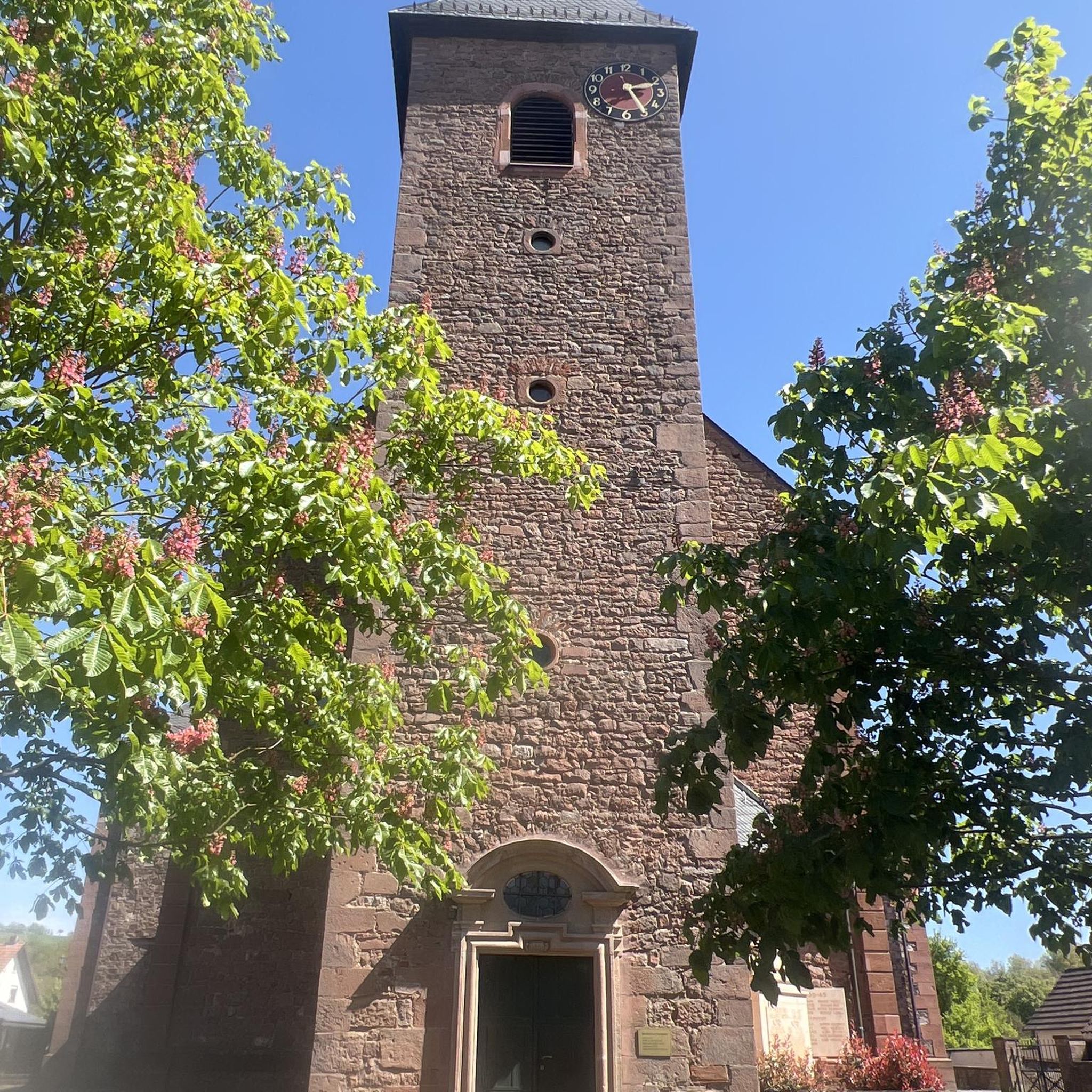
Alcáçovas is a Portuguese town and seat of the parish of Alcáçovas in the municipality of Viana do Alentejo. The parish has an area of 268.13 km² and 1931 inhabitants (2021 census), giving it a population density of 7.2 inhabitants/km². It was a town and seat of a municipality between 1258 and 1836. This municipality consisted only of the parish of the seat and had 1613 inhabitants in 1801. It was the site of the signing of the Treaty of Alcáçovas-Toledo on September 4, 1479. The art of cowbell making has existed in the town of Alcáçovas since time immemorial.
6
0

Place where the Peace Treaty of Alcáçovas was signed in 1479, between the kingdom of Portugal and the kingdom of Castile.
8
0
Built on the bed of the Odivelas river and located near the village of the same name, the Odivelas dam is one of the largest dams in the Baixo Alentejo. Approximately 5 km long, 3 km wide, and with a flooded area of approximately 970 ha, the Odivelas reservoir is an important gathering point for a variety of aquatic birds. Here you can fish for bass, practice water sports or simply relax and enjoy a light meal in the picnic area in the leisure area.
7
1
The Odivelas Dam was the first Zagope project work, it is located in Baixo Alentejo, in the municipality of Ferreira do Alentejo, in Portugal. It was built on the riverbed of Odivelas River and came into operation in 1972. The water stored in the dam is mainly used for irrigation. The dam is 48 meters high and has a capacity of 96 million m³.
6
1
Paço dos Henriques (Henriques’s Palace), which is now owned by the Portuguese State and has been classified as a Building of Public Interest since 1993, belonged to the last lords of the town of Alcáçovas. According to tradition and local belief, this was once a royal palace, Ordered to be built by the Portuguese king Dom Dinis. This is a Place of Peace because it was there that took place the signature of the Alcáçovas-Toledo Treaty (also known as Alcáçovas’s Peace), that ended the Sucession War of Castile (1475-1479), where Afonso V of Portugal renounced the throne of Castile and King Fernando of Castile renounced the throne of Portugal. This Treaty also solved some issues related with the “new lands” discovered in the Atlantic Ocean, dividing them formally between Portugal and Castile. This explains the reason why this building is so important and emblematic, not only for Alcáçovas’ history, but for Portugal and the rest of the world.
12
0
Alvito Castle and Inn. Visits can be made upon request at the Inn reception.
5
0
Frequently Asked Questions
What historical sites can I explore in Alvito?
Alvito is rich in history. You can visit the impressive Alvito Castle and Pousada, a 15th-century palatial castle showcasing Manueline, Gothic, and Mudéjar styles. The Henriques Palace is also historically significant as the place where the Treaty of Alcáçovas was signed in 1479. Don't miss the Igreja Matriz de Nossa Senhora da Assunção, a church with a captivating mix of architectural elements, and the 16th-century Ermida de São Sebastião Shrine, known for its well-preserved frescoes and Mudéjar influence.
Are there any family-friendly attractions in Alvito?
Yes, several attractions around Alvito are suitable for families. The Odivelas Reservoir offers opportunities for fishing and watersports, and has a picnic area for relaxation. Exploring the historic Alvito Castle and Pousada can also be an engaging experience for all ages, with its gardens and peacocks. Additionally, the Shell Garden provides a unique and visually interesting visit.
What natural features or outdoor activities are available near Alvito?
The Odivelas Reservoir is a significant natural feature, offering a habitat for waterfowl and opportunities for fishing and watersports. You can also explore the Alentejo Plains, which provide expansive views. For walking, consider the 'Memories of the Mills of Alvito' route (AVT PR2), a 14.8 km circular trail that highlights the rural charm, local flora, and fauna. The wider region also offers nature trails for canoeing, biking, or horseback riding.
Can I go hiking or cycling around Alvito?
Absolutely! Alvito and its surroundings offer various routes for hiking and cycling. For hiking, you can find trails like the 'Odivelas, Alentejo – Almond Orchard loop' or the 'Alvito Castle and Pousada – Serra de Vila Nova loop'. If you prefer cycling, there are routes such as the 'Vila de Frades – Alvito Castle and Pousada loop'. You can find more details and routes on the dedicated guides for Hiking around Alvito and Road Cycling Routes around Alvito.
What are some unique architectural styles to look for in Alvito?
Alvito is renowned for its distinctive architectural blend. The Alvito Castle and Pousada is a prime example, combining Manueline, Gothic, and Mudéjar styles. The Igreja Matriz de Nossa Senhora da Assunção also features Gothic, Baroque, Manueline, Renaissance, and Mudéjar elements, including decorative exterior features and interior azulejo panels. The Mudéjar influence, characterized by small cupolas and white-painted conical pinnacles, is notably visible in several monuments, including the Ermida de São Sebastião.
Are there any religious sites of interest in Alvito?
Yes, Alvito has several significant religious sites. The Igreja Matriz de Nossa Senhora da Assunção, dating back to the 13th or 14th century, is a prominent parish church. The Ermida de São Sebastião Shrine, a 16th-century chapel, is notable for its well-preserved frescoes depicting musical angels on its vaulted Gothic ceiling. Other interesting churches include the Igreja da Misericórdia and the Igreja da Senhora das Candeias, which houses a Museum of Sacred Art. The small Chapel of Santa Luzia, on the town's outskirts, originally served as a Muslim oratory.
What is the Odivelas Reservoir used for, and what can I do there?
The Odivelas Reservoir, operational since 1972, is primarily used for irrigation. Beyond its functional purpose, it's an important habitat for various waterfowl, making it a great spot for birdwatching. Visitors can also enjoy fishing for bass, practice watersports, or simply relax in the picnic area within the leisure zone.
What cultural events or festivals take place in Alvito?
Alvito hosts several vibrant celebrations throughout the year. These include the Festa do Barão Celebration at the end of June, other festivals in August and November, and the Feira dos Santos (The Saints' Fair) on November 1st. The Herbs of the Barony Festivals in February and June highlight the region's unique herbs, offering a taste of local traditions and flavors.
Where can I find scenic views in the Alvito region?
Alvito is strategically located on an elevated point, offering expansive views across the vast Alentejo plains. The 'Memories of the Mills of Alvito' walking route provides opportunities to observe the rural landscape. For broader natural beauty, the nearby Serra de São Mamede Nature Park, though not directly in Alvito, is known for its rich vegetation and diverse wildlife, offering stunning vistas.
What is the significance of the Henriques Palace?
The Henriques Palace is a historically significant site, classified as a Building of Public Interest since 1993. It is renowned as the location where the Treaty of Alcáçovas was signed in 1479. This treaty ended the Succession War of Castile and resolved issues related to newly discovered lands in the Atlantic Ocean, dividing them between Portugal and Castile, making it a pivotal site in Portuguese and world history.
What is the 'Route of Fresco' and is Alvito part of it?
Yes, Alvito is part of the 'Route of Fresco,' a cultural trail that highlights Baroque monuments adorned with frescoes and tiles. The Ermida de São Sebastião Shrine in Alvito, with its well-preserved frescoes depicting musical angels on its vaulted Gothic ceiling, is a notable stop along this route, showcasing the region's artistic and historical heritage.
What can I expect to see on the 'Memories of the Mills of Alvito' walking route?
The 'Memories of the Mills of Alvito' (AVT PR2) is a 14.8 km circular walking route that immerses you in the rural charm of the area. Along the trail, you'll pass by old windmills, some of which have been converted into villas. It's an excellent opportunity to observe Alvito's local flora, including rosemary, lavender, sorrel, and purslane, as well as fauna like storks, egrets, hares, and nightingales.
Most popular routes around Alvito
Most popular attractions around Alvito

Get inspired with the komoot mobile app


Explore more
Still not found the Highlight you’re looking for? See guides of the top attractions in other regions:
