The best cycling routes around Barcelos
4.4
(453)
4,646
riders
32
rides
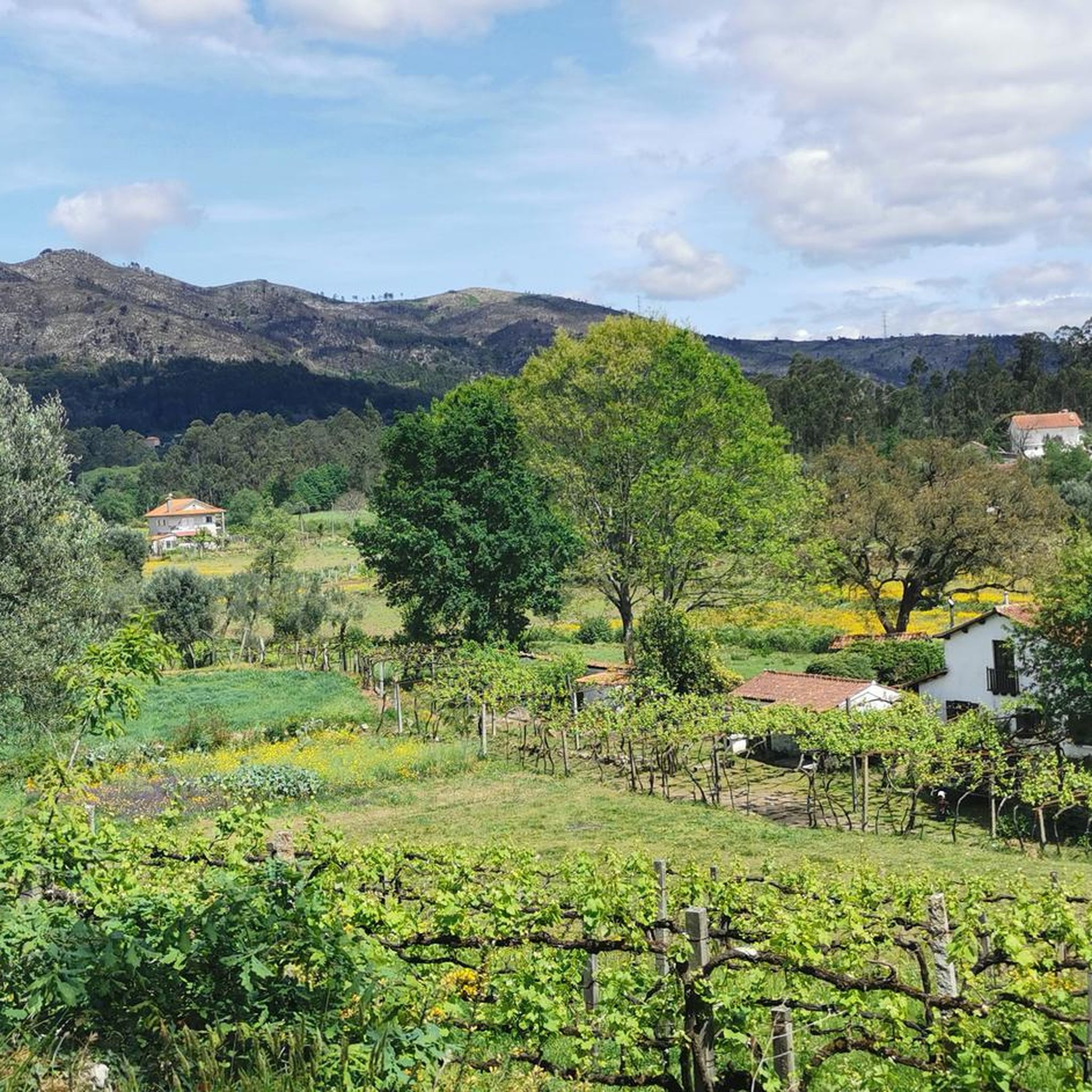
Touring cycling routes around Barcelos are situated in the verdant Minho region of northern Portugal, characterized by rolling vineyards, forested hills, and the prominent Cávado River. The area offers a network of paths, including segments of the Portuguese Camino de Santiago. The landscape transitions from peaceful rural countryside with traditional villages to elevated viewpoints providing panoramic vistas.
Best touring cycling routes around Barcelos
- The most popular touring cycling route is Pilgrim Altar – Ponte das Tábuas de Balugães loop from…
Last updated: October 16, 2026
4.3
(23)
147
riders
55.9km
03:56
810m
810m
Hard bike ride. Very good fitness required. Mostly paved surfaces. Suitable for all skill levels.
4.0
(1)
45
riders
46.8km
03:11
360m
360m
Moderate bike ride. Good fitness required. Mostly paved surfaces. Suitable for all skill levels.

23
riders
45.4km
03:47
700m
700m
Hard bike ride. Very good fitness required. Mostly paved surfaces. Suitable for all skill levels.
5.0
(11)
23
riders
38.9km
02:28
340m
340m
Moderate bike ride. Good fitness required. Mostly paved surfaces. Suitable for all skill levels.
5.0
(6)
20
riders
45.0km
02:44
330m
330m
Moderate bike ride. Good fitness required. Mostly paved surfaces. Suitable for all skill levels.
Get access to more routes and recommendations from other explorers.
Already have an account?
Our route recommendations are based on thousands of hikes, rides, and runs completed by other people on komoot.
Start today with a free account
Your next adventure awaits.



Tips from the Community

At the beginning of May, one of the most important religious festivals of the Barcelos municipality takes place here, the Festival of the Cross. It is worth visiting at that time to admire the carpets of petals that cover the church floor during the five-day event.
1
0
The interior, of the octagonal plant, impresses with the solidity of the monument, which is seen through thick walls and a heavy granite dome, with a diameter of about 10 meters. Pay attention to the golden sculptural altars, namely that which has the image of the Lord of the Cross dated to the 16th century, and the 19th-century tile panels by João Neto, a Lisbon tile maker. https://www.visitport Portugal.com/pt-pt/content/igreja-do-senhor-bom-jesus-da-cruz-barcelos
1
0
The origin of the Senhor Bom Jesus da Cruz Church is linked to the mysterious appearance of a black wooden cross on the ground of Campo da Feira in December 1504 and where, soon after, a small chapel was built to commemorate the divine sign. Two centuries later, in 1704, the church was built on the same site, according to a design by João Antunes. The renowned Portuguese architect opted for a style very characteristic of the north of the country, in which granite, the main material used in the local construction, and the whiteness of lime were combined in harmonious Baroque forms, in this case of Italian inspiration. https://www.visitportugal.com/pt-pt/content/igreja-do-senhor-bom-jesus-da-cruz-barcelos
1
0

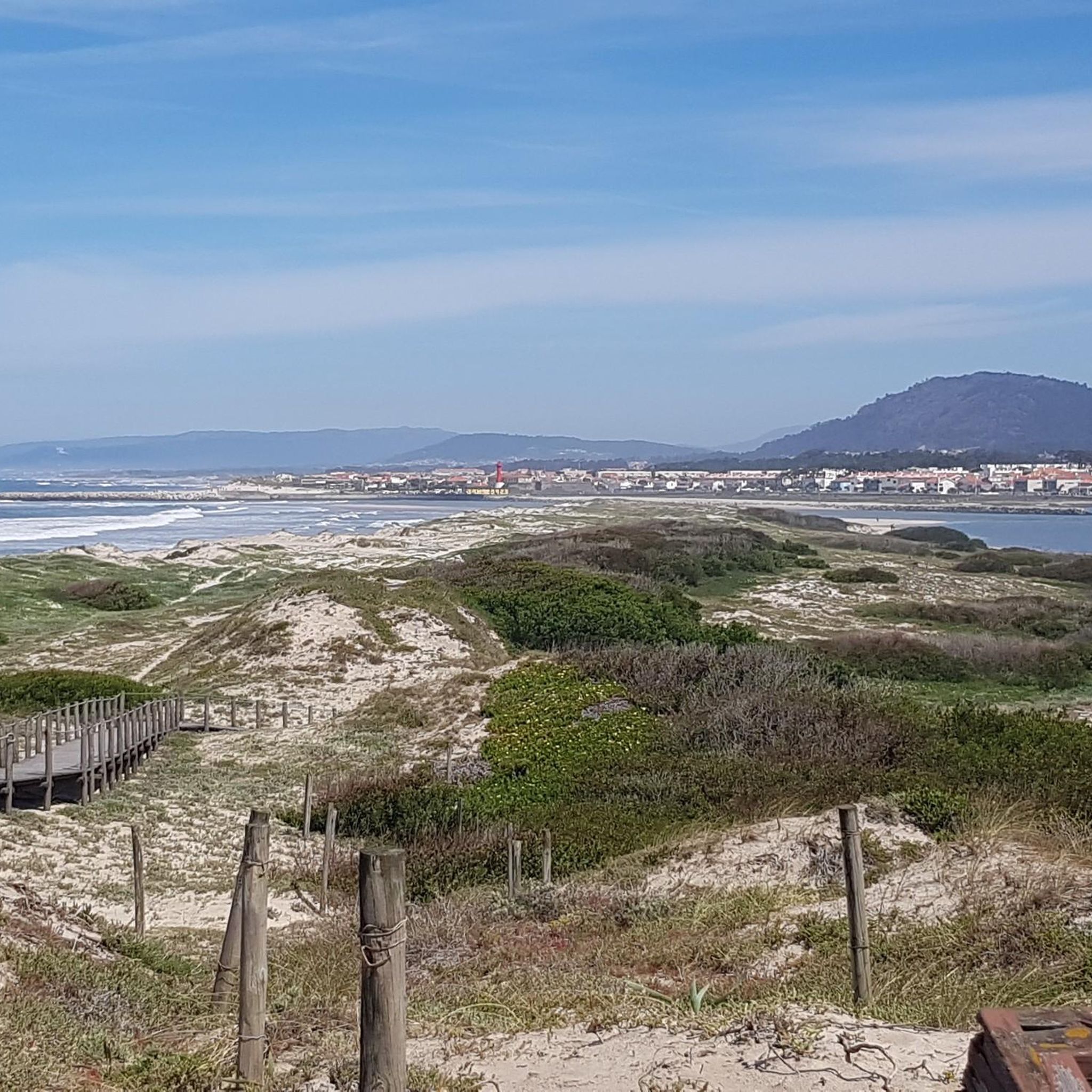
What to Expect Exhibitions: The museum has an exhibition room with various models of handcrafted boats, pieces of sacred art, and costumes related to local fishing life. Temporary exhibitions are frequently updated and related to maritime themes. Historical Building: The museum originated from the restoration project of the ESN building, which in itself is an attraction, also allowing the return of the shipwreck rescue service to the ground floor. Memory Tower: Climbing the tower of the building is worthwhile for panoramic views over the Cávado River estuary and the Esposende coast.
1
0
Practical Information Location: Maritime Rescue Station, Av. Eng. Eduardo Arantes e Oliveira 54, 4740-204 Esposende, Portugal. Contact: Phone: +351 253 964 836. Opening Hours (Winter, subject to change): Monday to Friday: 09:30–12:30, 14:00–17:30. Saturday and Sunday: Closed. Price: Ticket cost varies between €1.75 and €2.50. Website: More information is available on the official website of the Esposende Maritime Museum.
1
0
The Esposende Maritime Museum is housed in a historic building, the Shipwreck Rescue Station (ESN), at Avenida Eng. Eduardo Arantes e Oliveira, 54, in Esposende, Portugal. The museum preserves the memory of the local community's connection to the sea and fishing.
1
0
The Metal Bridge of Fão (Esposende) Location: It crosses the Cávado River, on National Road 13 (EN13), in the parish of Fão, in Esposende. Alternative Name: It is frequently referred to as the D. Luís Filipe Bridge. History: It is a significant example of iron architecture in Portugal, inaugurated on August 7, 1892. Characteristics: The bridge, which is a Property of Public Interest, has an extensive metal structure and has recently been rehabilitated.
2
0
In Esposende, the main historical bridge that crosses the Cávado River is the Ponte Metálica de Fão, also known locally as Ponte D. Luís Filipe.
2
0
Frequently Asked Questions
How many touring cycling routes are available around Barcelos?
There are over 35 touring cycling routes available around Barcelos, offering a variety of experiences for different skill levels.
What is the general terrain like for touring cycling in Barcelos?
The terrain around Barcelos is characterized by the verdant Minho region, featuring rolling vineyards, forested hills, and the prominent Cávado River. Routes often transition from peaceful rural countryside with traditional villages to elevated viewpoints offering panoramic vistas.
What are the difficulty levels of touring cycling routes in Barcelos?
Barcelos offers a range of touring cycling routes. You'll find approximately 15 moderate routes and over 20 difficult routes, catering to various experience levels.
Are there any routes that follow the Cávado River?
Yes, several routes incorporate the Cávado River. For example, the Fão Bridge – Barcelos Rooster loop from Barcelos follows pleasant riverside paths along the Cávado River and offers glimpses towards the Atlantic coast.
Can I find routes that offer a mix of rural scenery and views of the hills?
Absolutely. The Pilgrim Altar – Ponte das Tábuas de Balugães loop from Barcelos is a great option, passing through rural scenery, hamlets, and villages, with views of the Padela hills.
Are there any historical landmarks or attractions along the cycling routes in Barcelos?
Yes, the region is rich in history. You can encounter landmarks like the medieval bridge over the Cávado River, dating back to the 14th century, and the ruins of Barcelos Palace. The Barcelos Medieval Bridge – Barcelos Rooster loop from Barcelos is one route that passes by the historic bridge. Additionally, highlights such as the Stone Bridge over the Neiva River and Fão Bridge are also nearby.
Are there routes that lead towards the coast or offer sea views?
Yes, some routes extend towards the coast. The Neiva Estuary – Esposende Maritime Museum ⛵ loop from Barcelos will take you towards the coast. The Franqueira Sanctuary, located on a hill, also provides impressive panoramic views extending to the Atlantic coast in Esposende and Póvoa de Varzim.
Is it possible to cycle a section of the Camino de Santiago near Barcelos?
Yes, Barcelos is a key stop on the Central Camino route of the Portuguese Way to Santiago de Compostela. The section from Barcelos to Ponte de Lima is particularly noted for its peaceful and rural scenery, making it a natural fit for touring cyclists.
What do other cyclists say about touring cycling in Barcelos?
The touring cycling routes in Barcelos are highly rated by the komoot community, with an average score of 4.1 stars from over 40 reviews. More than 400 touring cyclists have used komoot to explore the varied terrain, often praising the scenic rural landscapes and the integration with the Camino de Santiago.
Are there family-friendly touring cycling routes in Barcelos?
While many routes in Barcelos are moderate to difficult, the city's location allows for exploration of northern Portugal's scenic countryside which can include quieter, less challenging sections. For dedicated green spaces within the city, Barcelos City Park offers trails suitable for various outdoor activities.
What kind of routes are available, circular or point-to-point?
Most of the featured touring cycling routes around Barcelos are designed as loops, allowing you to start and end your journey in the same location. An example is the Parque Perez – Chapel of Saint Sebastian loop from Vila Boa, which leads through lush natural landscapes.
What natural features can I expect to see while cycling in Barcelos?
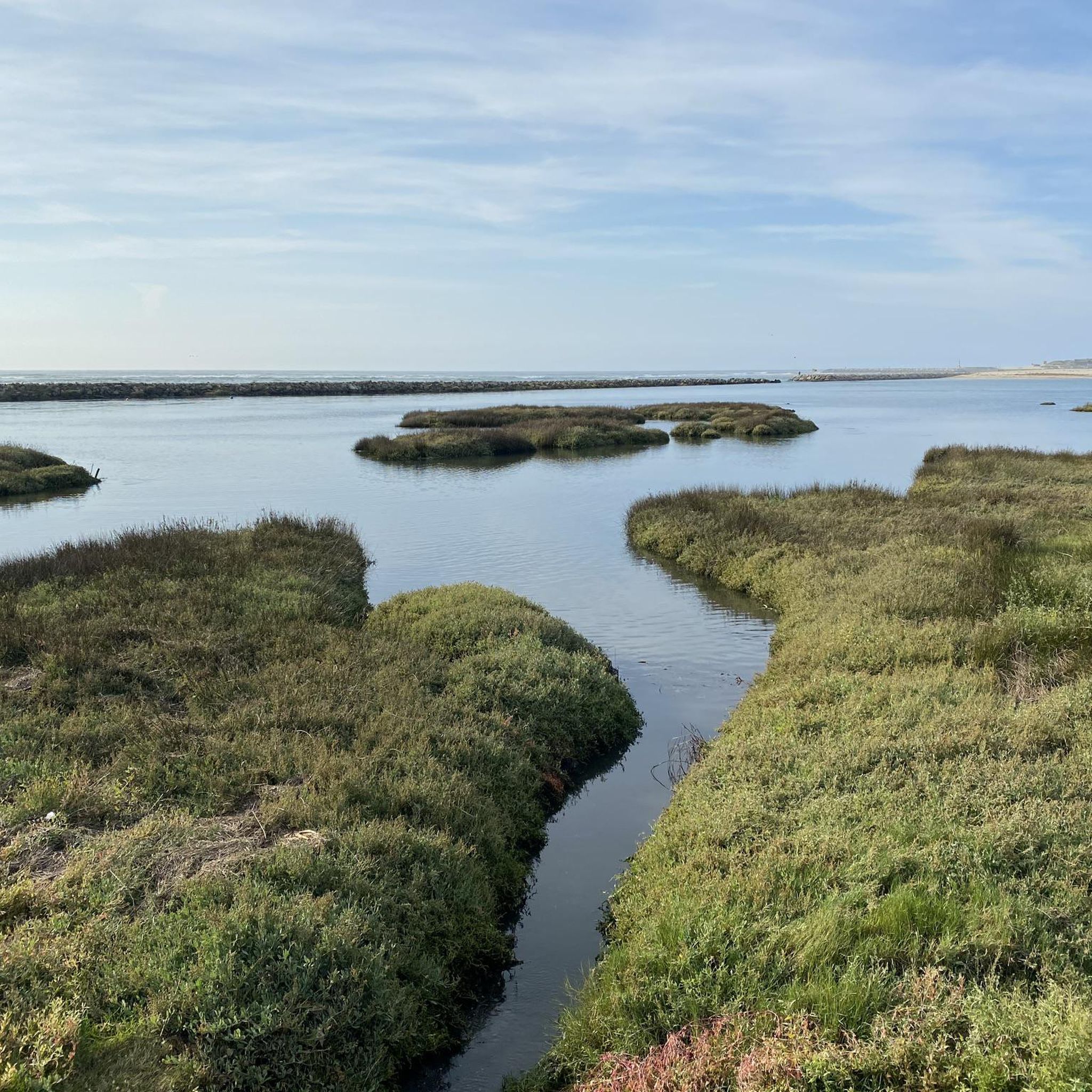
You'll encounter lush natural landscapes, including rolling vineyards and forested hills. The Cávado River is a central feature, and from elevated points like the Franqueira Sanctuary, you can enjoy views of the North Coast Natural Park at the mouth of the Cávado River. You might also come across natural highlights such as the Rio Neiva Estuary.
Most popular attractions around Barcelos

Get inspired with the komoot mobile app


Explore more
Browse the best Cycling routes in other regions.
