Attractions and Places To See around Sabugal - Top 20
Best attractions and places to see around Sabugal include a blend of historical landmarks and natural landscapes. Located in the Guarda District of Portugal, near the Côa River and the Spanish border, Sabugal offers a rich heritage. The region features medieval villages, castles, and natural reserves, providing diverse points of interest for visitors.
Best attractions and places to see around Sabugal
- The most popular attractions is Belmonte Historic Village, a historical site that is one of the twelve Historic…
Last updated: October 18, 2026
Belmonte Historic Village
Highlight • Historical Site
Translated by Google •
Tip by

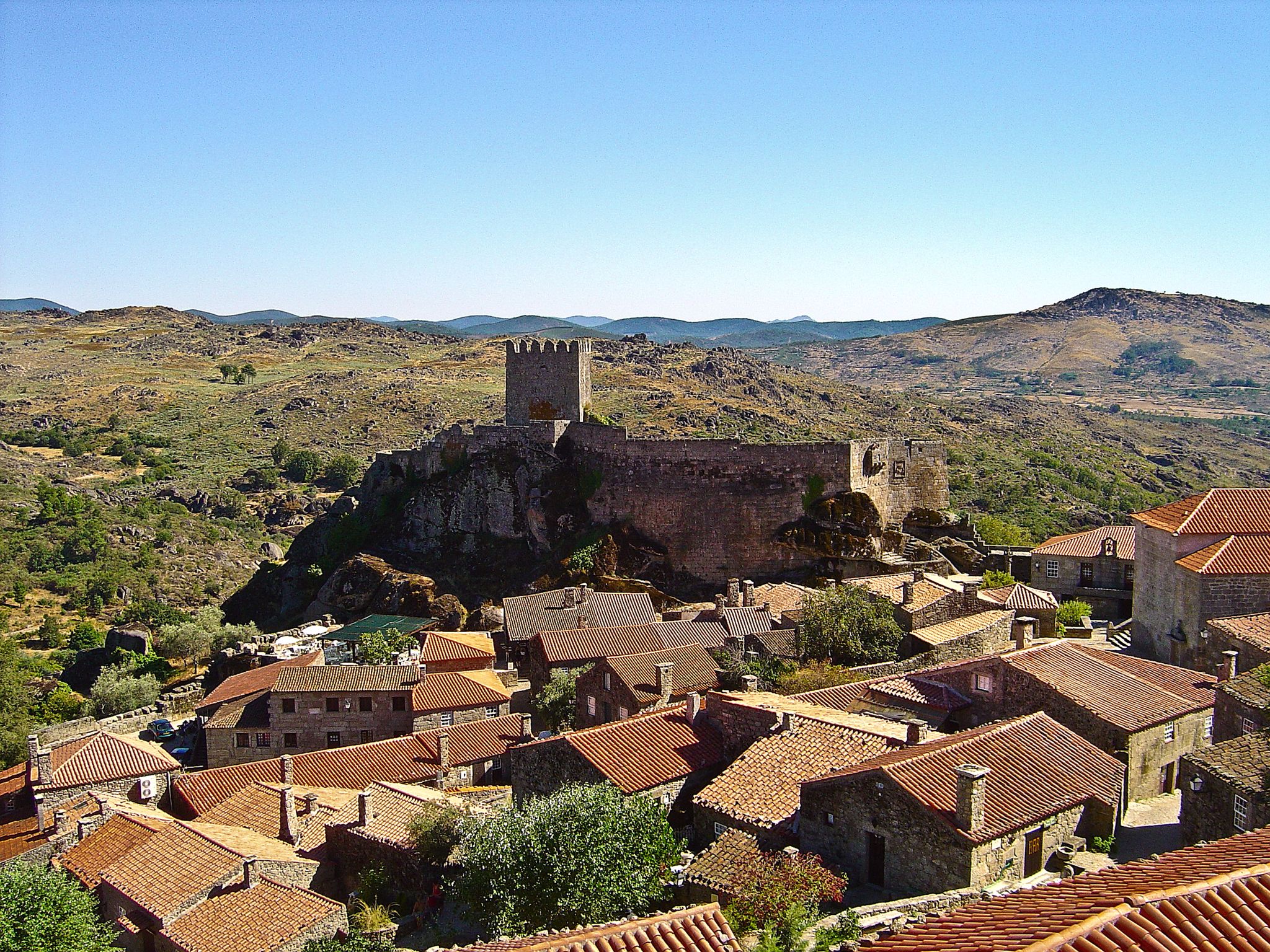
Historic Village of Sortelha
Highlight • Historical Site
Translated by Google •
Tip by

Sign up now to discover places like this
Get recommendations on the best single tracks, peaks, & plenty of other exciting outdoor places.
Pico Jálama Summit
Highlight • Summit
The route to climb Pico Jálama is popular with hikers and offers …
Translated by Google •
Tip by

Sabugal Castle
Highlight • Castle
Translated by Google •
Tip by
San Martín de Trevejo
Highlight • Settlement
Translated by Google •
Tip by
Sign up for free to discover even more attractions around Sabugal.
Already have an account?
Start today with a free account
Your next adventure awaits.

Tips from the Community

It's been a few years since I walked here with the hiking group from Évora. We loved it and recommend it.👍🥾
1
0

Sabugal Castle is one of the most imposing and well-preserved medieval fortifications in Portugal. It is known as the "Castle of the Five Corners" due to the unusual shape of its impressive pentagonal keep, the castle's most iconic feature. Its pentagonal (five-cornered) plan is considered unique in Portuguese military architecture. It is approximately 30 meters high and offers incredible views. The castle has a double ring of walls. You can walk along the ramparts on top of the walls for a panoramic view over the city and the Côa River. From the top, you can see the Côa River winding its way through the city and the natural landscape of the Serra da Malcata mountain range.
1
0

Among the municipality's 37 listed, predominantly granite buildings are churches, manor houses, fountains, and former public buildings. Of particular note are the castle complex and city walls dating back to the 13th century.
3
0

Built on the Côa River, Sabugal Castle preserves centuries of borders and memory. Once part of the Kingdom of León, it passed to Portugal in 1297 and became a strategic staging ground for the Portuguese-British troops during the Third French Invasion. Today, it continues to stand as a living testament to the long history of one of Europe's oldest nations.
2
0
Belmonte, one of the twelve Historic Villages of Portugal, is the home of Pedro Álvares Cabral and guardian of the country's largest Jewish community, a legacy that endured centuries of Inquisition. Between walls and memories, mystique and history abound, with the Serra da Estrela on one side and the Malcata Reserve on the other. The food completes the enchantment: Jewish flavors like fried offal coexist with broths, migas, esparregados, and traditional Beira sweets: rice pudding, papas de carolo, and filhós. Here, the landscape and the food merge into a delightful experience.
5
0

To spend a few days of well-deserved rest in Sortelha, I recommend "Casas do Pelourinho", a very welcoming and friendly local accommodation. Spending a few days in Sortelha is not just 'tourism'. It is an act of culture. So simple and so enriching.
6
0
Pedro Álvares Cabral, the man who gave Europe Brazil, was born high up in Cova da Beira, with the Serra da Estrela on the horizon. But the history of Belmonte begins much earlier: among dolmens, forts and the enigmatic Torre de Centum Cellas. A town of walls, synagogues and conquests, it was the scene of Romans, Jews and Portuguese heroes. Today, it continues to stand firm on a beautiful hill — true to its name and its legendary past.
4
0
Located just off the main road south of Guarda (which at 1,053 metres is the highest city in Portugal), it is one of twelve aldeias históricas (historic villages), a government-sponsored initiative to promote the immense heritage of the beautiful Beiras region. Belmonte’s most famous son is without doubt Pedro Álvares Cabral, a major figure of the Age of Discovery who was born in the village in 1467. As a young and very ambitious sea captain of just 32 years old, he commanded a fleet of thirteen ships with some 1,500 men that departed from the shores of Lisbon on the 9th of March, 1500. Six weeks later Cabral dropped anchor off the north-east coast of Brazil, becoming the first Portuguese navigator to reach South America. It was also the first known expedition to have touched all four continents of Europe, Africa, America and Asia. Built in the 13th century, Belmonte Castle (the village’s key attraction) became the birthplace of the young explorer in 1467 after his father received it as a loyalty payment from King Afonso V and adapted it as the Cabral family residence. One of the region’s most prominent landmarks, the castle offers today’s visitors fine views of the Estrela mountains and the surrounding Lower Beiras countryside from its towering keep, which stands proud at an altitude of 615 metres above sea level. Adjacent to the castle stands the church of São Tiago which is of the same period and has many interesting features, including a a painted 14th-century granite pietà and the pantheon of the Cabral family, although the navigator’s body now rests at the Convento da Graça in Santarém.
6
1
Frequently Asked Questions
What historical sites can I explore in the Sabugal region?
The Sabugal region is rich in history. You can visit the iconic Sabugal Castle, known for its unique pentagonal keep and panoramic views. Another must-see is the Historic Village of Sortelha, a beautifully preserved medieval village. Don't miss Belmonte Historic Village, the birthplace of Pedro Álvares Cabral, with its significant Jewish community legacy. Other notable sites include the medieval villages of Alfaiates, Vila do Touro, and Vilar Maior, each with their own defensive structures and historical significance.
Are there any natural attractions or reserves near Sabugal?
Yes, the region boasts beautiful natural areas. The Serra da Malcata Natural Reserve is a secluded area known for its untouched nature and was historically a habitat for the Iberian Lynx. While lynx sightings are rare, the reserve offers stunning landscapes and the Malcata river beach. You can also find the spring of the Côa River in Serra das Mesas, near Malcata, which is a beautiful spot for hiking.
Where can I find river beaches for swimming and relaxation in Sabugal?
The Côa River provides several inviting river beaches. Within Sabugal city, you'll find Devesa Beach. Praia Fluvial da Malcata, located in the reservoir of the Sabugal Dam, offers floating pools, diving boards, and sandy areas, perfect for water sports like kayaking or SUP. Other popular options include Praias Fluviais de Fóios and Quadrazais, as well as Praia Fluvial do Meimão and River beach Rapoula do Côa.
What outdoor activities are available around Sabugal?
Sabugal is excellent for outdoor enthusiasts. You can explore numerous hiking and BTT (mountain biking) routes. The municipality offers eight 'Small Routes' and two 'Great Routes' for hiking, alongside eight dedicated BTT trails. For cycling, you can find various routes, including those for road cycling and gravel biking. Discover more options on the Road Cycling Routes around Sabugal, Gravel biking around Sabugal, and Cycling around Sabugal guide pages.
Are there any family-friendly attractions in the Sabugal area?
Many attractions in Sabugal are suitable for families. Exploring the ramparts of Sabugal Castle offers an engaging historical experience with great views. The medieval centers of villages like Sortelha provide a journey back in time. Additionally, the various river beaches, such as Praia Fluvial da Malcata, are perfect for a day of swimming and relaxation with children.
Where can I find the best viewpoints in the Sabugal region?
For breathtaking views, climb the keep of Sabugal Castle for panoramic vistas of the city and the Côa River. The Pico Jálama Summit, one of the highest peaks in the Sierra de Gata, also offers spectacular views. The municipality has also installed scenic swings (Baloiços Panorâmicos) at six locations, including Aldeia Velha and Vilar Maior, providing picturesque spots to enjoy the landscape.
What cultural events or unique traditions can I experience in Sabugal?
Sabugal is known for its unique taurine tradition called Capeia Arraiana, especially prevalent in areas near the Spanish border. This significant cultural event is often held in August and is registered in the National Inventory of Intangible Cultural Heritage. You can also explore the Sabugal Municipal Museum, which showcases the region's historical and cultural heritage from pre-history onwards.
What is the 'Castle of the Five Corners' and where is it located?
The 'Castle of the Five Corners' refers to Sabugal Castle. It earned this nickname due to its distinctive pentagonal keep, a unique feature in Portuguese military architecture. The castle is located in the city of Sabugal, overlooking the Côa River, and is considered one of Portugal's most beautiful castles.
Are there any ancient ruins or archaeological sites to visit?
Yes, the region has several ancient sites. You can explore the Gravuras Rupestres de Vilar Maior, which are rock engravings providing evidence of early human presence. Other historical ruins include the Termas de Água Radium, the Convento de Sacaparte, and the Sabugal Velho ruins, which are vestiges of an ancient settlement offering a wide visual domain of the surrounding plateau.
What is special about the Historic Village of Sortelha?
Sortelha is often cited as one of Portugal's most beautiful historic villages. Its medieval center, castle, and walls remain largely untouched, offering visitors a genuine journey back in time. It is one of the twelve Historic Villages of Portugal, preserving a rich architectural heritage with numerous granite buildings, churches, and manor houses.
What is the best time to visit Sabugal for sightseeing and outdoor activities?
The Sabugal region offers attractions year-round. For outdoor activities like hiking, BTT, and enjoying the river beaches, the warmer months from late spring to early autumn (May to September) are ideal. During this period, you can fully enjoy the natural landscapes and water activities. Historical sites and castles are accessible throughout the year, with cooler temperatures in spring and autumn making exploration comfortable.
Most popular attractions around Sabugal

Get inspired with the komoot mobile app


Explore more
Still not found the Highlight you’re looking for? See guides of the top attractions in other regions:
