Attractions and Places To See around Almeida - Top 20
Best attractions and places to see around Almeida, Portugal, center on its historic fortified town, known for its star-shaped fortress and military heritage. The region is characterized by its position near the Côa Valley and the Spanish border, offering a blend of cultural sites and natural landscapes. Visitors can explore a variety of landmarks, museums, and traditional villages. The area provides opportunities to engage with Portuguese history and the natural environment.
Best attractions and places to see around Almeida
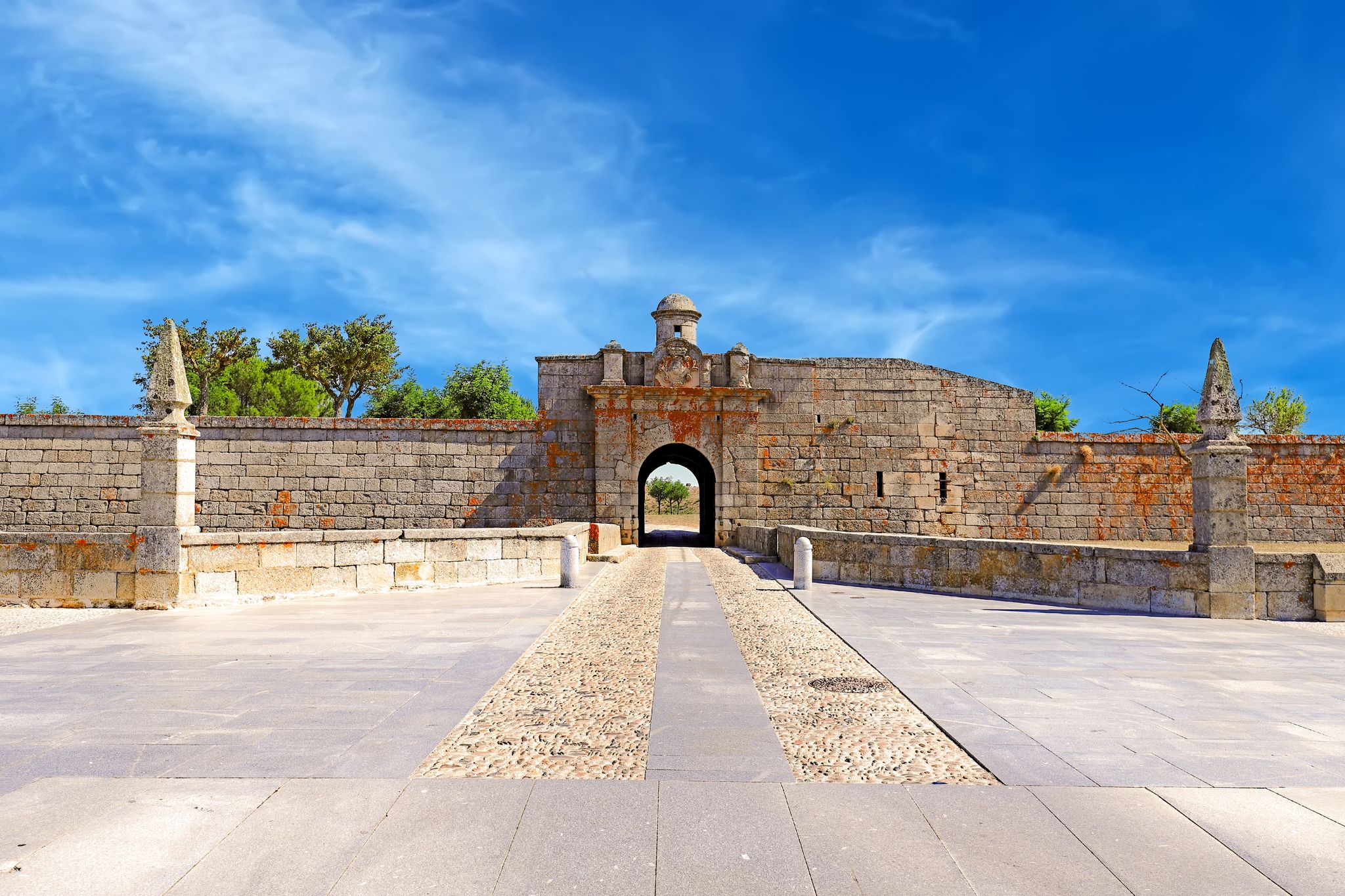
- The most popular attractions is Almeida Castle, a castle that is one of the best-preserved fortifications in Portugal. It is known for its star-shaped design with bastions and deep moats, rebuilt after damage during the Napoleonic Wars.
- Another must-see spot is Historic Village of Almeida, a historical site. Visitors can explore the town's evolution from a Lusitanian fort to a six-pointed star-shaped fortress with bastions and underground galleries.
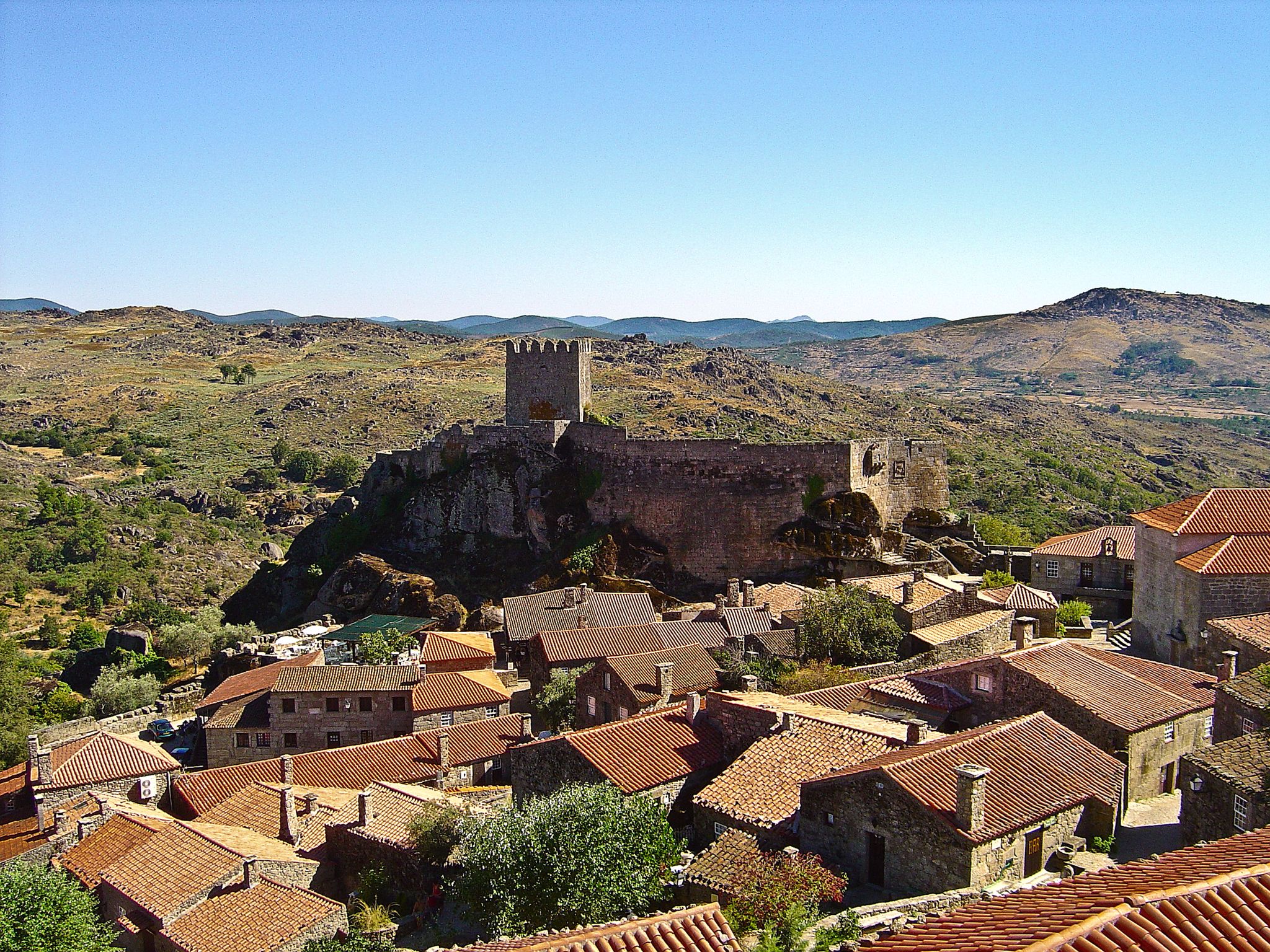
- Visitors also love Castelo Mendo Historic Village, a historical site with medieval roots. This village is marked by two fortified walls and features narrow streets and stone houses, reflecting its past as a border settlement.
- Almeida is known for its historical sites, castles, and traditional settlements. The region offers a variety of attractions to see and explore, from military architecture to ancient villages.
- The attractions around Almeida are appreciated by the komoot community, with 13 upvotes and 19 photos shared by visitors.
Last updated: October 17, 2026
Almeida Castle
Highlight • Castle
Translated by Google •
Tip by

Castelo Mendo Historic Village
Highlight • Historical Site
Translated by Google •
Tip by

Sign up now to discover places like this
Get recommendations on the best single tracks, peaks, & plenty of other exciting outdoor places.
Historic Village of Almeida
Highlight • Historical Site
After the Restoration, the town transformed into a veritable war machine: the six-pointed star-shaped fortress, with bastions, ravelins, and underground galleries that served as both shelter and prison. It was the scene of decisive battles, devastated by the explosion of 1810 and contested in the liberal wars, always rising from the ruins.
Translated by Google •
Tip by
Vilar Formoso
Highlight • Settlement
Vilar de Formoso has traditionally been a border post. Today it is the railway gateway to the Portuguese country from Europe on the surexpress train that connects Lisbon with France. It is also a prosperous commercial crossroads in the region.
Translated by Google •
Tip by

Aldeia da Ponte Stream
Highlight • Bridge
Translated by Google •
Tip by

Sign up for free to discover even more attractions around Almeida.
Already have an account?
Start today with a free account
Your next adventure awaits.



Tips from the Community

Almeida stands on the plateau like a table set for history: "Al-Mêda" was the name given to it by the Arabs. Previously, it had been a Lusitanian, Roman, and then Christian fort, conquered in 1190 and definitively Portuguese in 1297. Around the medieval castle grew the town, still marked by the Puerta do Sol. After the Restoration, the town transformed into a veritable war machine: the six-pointed star-shaped fortress, with bastions, ravelins, and underground galleries that served as both shelter and prison. It was the scene of decisive battles, devastated by the explosion of 1810 and contested in the liberal wars, always rising from the ruins.
3
0
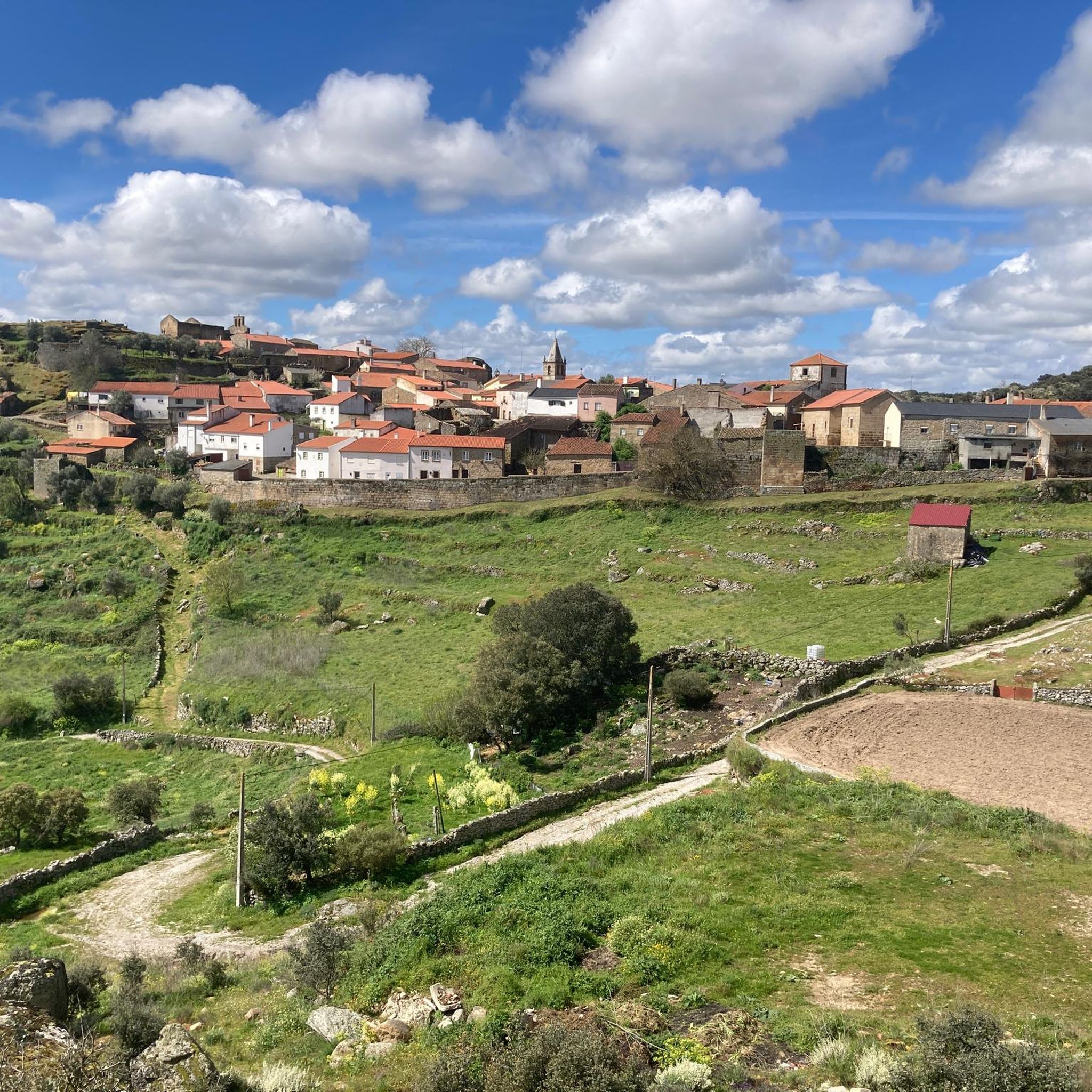
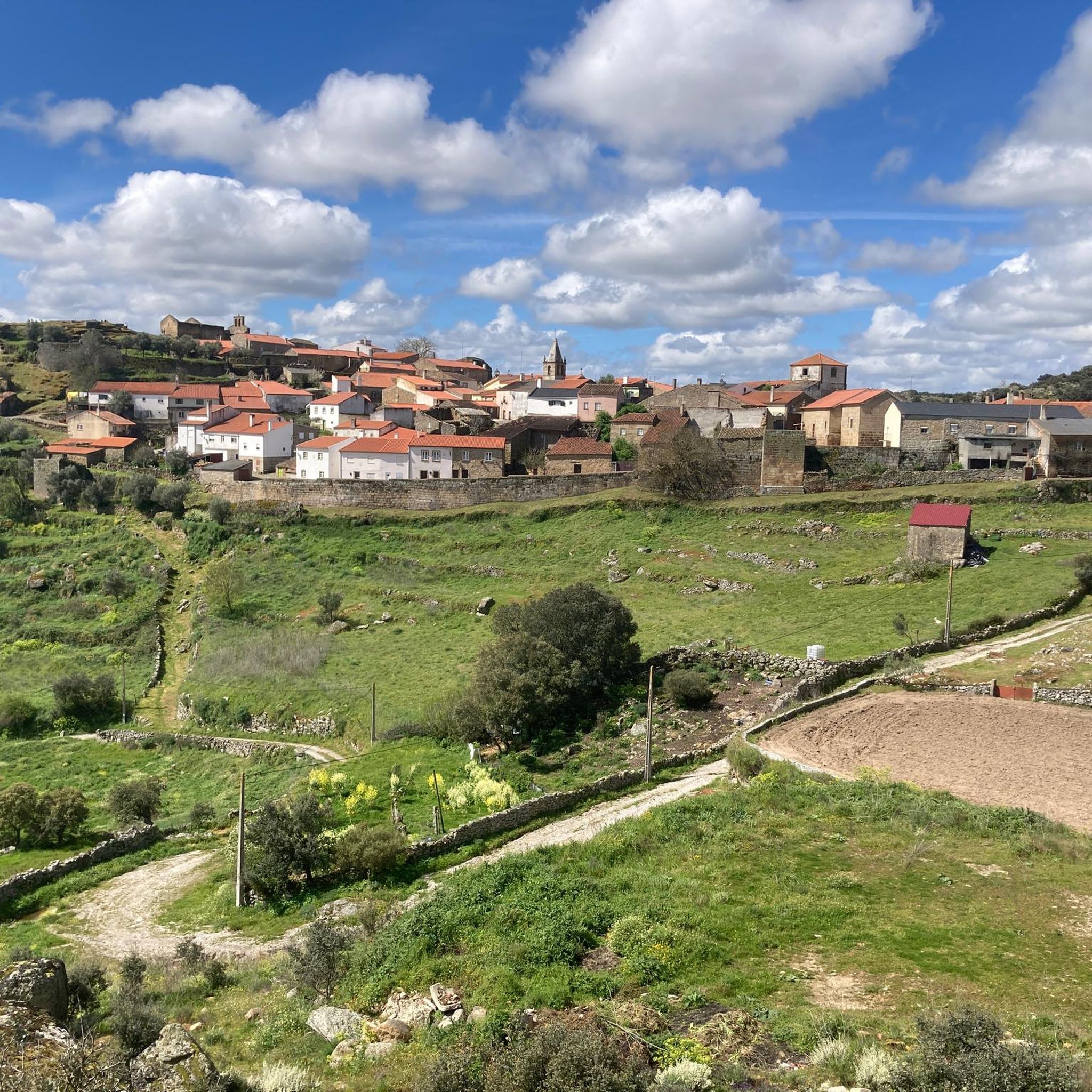
Castelo Mendo is a historic village with medieval roots, marked by two walls: the oldest, dating from the 12th century, surrounds the old town with its castle and the church of Santa Maria; the second, built by King Dinis in the 14th century, protected the Gothic suburb. The site was a living border between Portugal and León until the Treaty of Alcanices (1297), guarding strategic passages over the Côa River. At the entrance, two Vetón bellows, stone figures in the shape of wild boars, recall even more remote origins. Classified as a Property of Public Interest since 1984, Castelo Mendo today stands as a rare testament to the border region's history and Portuguese medieval splendor.
2
0

The Almeida Fort, originally founded as a castle in the 12th century, is one of the best-preserved fortifications in Portugal. It played an important role throughout its history, particularly during the Napoleonic Wars. It was heavily damaged during the Siege of Almeida in 1810 but was later rebuilt. The star fort is known for its bastions and deep moats, which were once intended to provide protection against invaders.
3
1
Castelo Mendo is surrounded by a fortified wall with six medieval gates. Two wild boar sculptures stand to the left and right of the main entrance. The simple stone houses originally consisted of two floors. The ground floor housed livestock, while the upper floor served as a residential building. The extremely narrow streets made it relatively easy to defend the town, which was repeatedly a battlefield during the wars in which Portugal participated, especially against Spain.
2
2

Wetland where a pond full of water appears with a beautiful bridge that crosses it. Nearby, there is the Chapel of Santo António, close to the road and small at the same time!
1
0

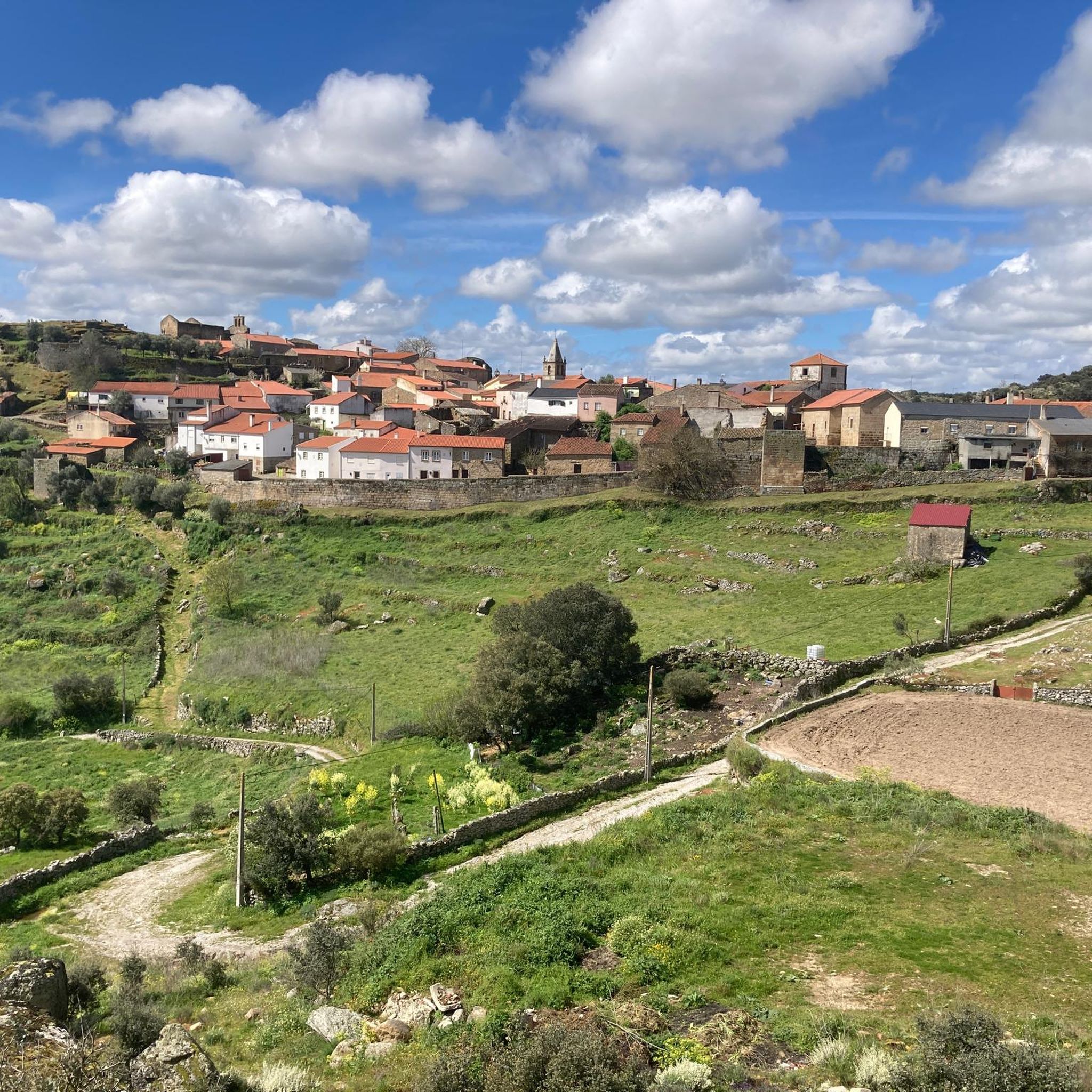
Together with Fuentes de Oñoro they form a border population center known as La Raya. This denomination is the colloquial way of calling the more than 1,200 kilometers of border between the two Iberian countries, but it is used especially in places where the political border is a mere anecdote and both sides share a cultural and historical unity. Vilar de Formoso has traditionally been a border post. Today it is the railway gateway to the Portuguese country from Europe on the surexpress train that connects Lisbon with France. It is also a prosperous commercial crossroads in the region.
0
0

If you walk around the wall you have a nice view and you get an impression of the defenses.
1
0
Frequently Asked Questions
What historical sites can I explore within Almeida?
Almeida is rich in history, centered around its impressive star-shaped fortress. You can explore the perfectly preserved 17th-century Almeida Castle, which is part of the larger Historic Village of Almeida. Don't miss the various gates like Saint Francis and Saint Anthony, the remains of the original Castle of Almeida, and the 18th-century Clock Tower. The town's historic center with its narrow cobblestone streets and emblazoned houses also offers a glimpse into its past.
Are there family-friendly attractions in Almeida?
Yes, the Historic Village of Almeida itself is considered family-friendly, offering an engaging experience for all ages as you explore the fortress walls, bastions, and underground galleries. The Almeida Military Museum, with its collections of weapons and uniforms, can also be an interesting visit for families.
What natural features can I discover around Almeida?
Just a few miles from Almeida, you can find the serene Côa Valley and Rio Côa, offering marked trails through rolling hills and dense forests. It's an ideal spot for photography and leisurely walks. The Douro International Natural Park, a UNESCO heritage site, also forms part of the beautiful natural surroundings of Almeida.
Can I find hiking trails near Almeida?
Absolutely! The region offers several hiking opportunities. You can find various routes, including easy options like the 'Historic Village of Almeida loop from Almeida' (3.79 km) or the 'Picoto do Seixo loop from Termas do Cró' (6.28 km). For more options, explore the Hiking around Almeida guide.
Are there cycling routes available around Almeida?
Yes, the area around Almeida is suitable for cycling. You can find routes like the 'Green Route of Almeida — Historic Villages of Portugal' (22 km, moderate) or the 'Villar de Ciervo loop from Villar de la Yegua' (12.45 km, easy). For a comprehensive list, check out the Cycling around Almeida guide.
What is the Almeida Fortress, and what can I see there?
The Almeida Fortress is the defining symbol of the town, a perfectly preserved 17th-century star-shaped fortification. It's a remarkable example of Vauban-style military engineering, featuring twelve bastions, a deep moat, and ramparts that offer panoramic views. You can walk along the walls, explore the various gates, and visit the Almeida Military Museum housed within a former barracks inside the fortress.
What is the best time of year to visit Almeida?
While Almeida can be visited year-round, the annual Historical Reenactment of the Siege of Almeida, held in August, offers a unique cultural experience with costumed performances and medieval markets. Spring and autumn generally provide pleasant weather for exploring the outdoor attractions and trails.
What other historic villages are worth visiting near Almeida?
Beyond Almeida, you can explore other charming historic settlements. Castelo Mendo Historic Village is a notable medieval site with two fortified walls, narrow streets, and stone houses. Another interesting nearby settlement is Vilar Formoso, a traditional border post with historical significance.
Is Almeida accessible for visitors with mobility challenges?
While the historic nature of Almeida's cobblestone streets and fortress ramparts might present some challenges, certain areas and attractions may be more accessible. The nearby settlement of Vilar Formoso is noted as being wheelchair accessible in some parts, particularly its facilities.
What can I learn about Almeida's military history?
Almeida offers a deep dive into military history, particularly its role in the Napoleonic invasions. The Almeida Military Museum, located within a casemate of the fortress, showcases historical weapons, uniforms, and strategic maps. The fortress itself, with its unique star shape and defensive structures, is a testament to 17th-century military engineering and its strategic importance as a border town.
Are there any unique cultural experiences in Almeida?
Beyond the historical sites, Almeida hosts an annual Historical Reenactment of the Siege of Almeida in August, which brings the town's past to life with costumed performances and medieval markets. Walking through the historic center, you can also admire emblazoned houses like Solar São João da Praça, reflecting the town's historical nobility.
What kind of views can I expect from Almeida's fortifications?
From the ramparts of the Almeida Fortress, you can expect panoramic views over the Côa Valley and towards the Spanish border. The elevated position provides sweeping vistas of the surrounding countryside, offering excellent opportunities for photography.
What do visitors particularly enjoy about Almeida?
Visitors to Almeida often appreciate its well-preserved star-shaped fortress and the immersive historical experience it offers. The unique military architecture, the deep moats, and the opportunity to walk along the ramparts are frequently highlighted. The charm of the historic village and its role in Portuguese history also leave a lasting impression.
Most popular attractions around Almeida

Get inspired with the komoot mobile app


Explore more
Still not found the Highlight you’re looking for? See guides of the top attractions in other regions:
