Attractions and Places To See around Pinhel - Top 20
Attractions and places to see around Pinhel offer a blend of historical landmarks, cultural sites, and natural features. Known as the "Cidade Falcão" and "City of Wine," Pinhel is situated in the Guarda District near the Spanish border. The region features medieval castles, historic villages, and significant natural elements like the Côa River valley and Serra da Marofa. Visitors can explore a rich past and diverse landscapes.
Best attractions and places to see around Pinhel
- The most popular attractions is Almeida Castle, a castle that is one of the best-preserved fortifications in Portugal. This star fort is known for its bastions and deep moats, and played an important role during the Napoleonic Wars.
- Another must-see spot is Castelo Rodrigo Discovery Trail, a historical site. Visitors can walk through the village, which is protected by a city wall with 13 defense towers, and explore its history dating back to around 500 BC.
- Visitors also love Historic Village of Marialva, a historical settlement with a castle. This village offers a journey back in time with its cobblestone streets, keep, and the Church of Santiago.
- Pinhel is known for its historic villages, medieval castles, and significant natural features. The area provides a variety of attractions to see and explore, from ancient fortifications to scenic river valleys.
- The attractions around Pinhel are appreciated by the komoot community, with 13 upvotes and 19 photos shared.
Last updated: May 3, 2026
Almeida Castle
Highlight • Castle
Translated by Google •
Tip by

Castelo Rodrigo Discovery Trail
Highlight (Segment) • Historical Site
Translated by Google •
Tip by

Sign up now to discover places like this
Get recommendations on the best single tracks, peaks, & plenty of other exciting outdoor places.
Sign up for free
Castelo Mendo Historic Village
Highlight • Historical Site
Translated by Google •
Tip by

Historic Village of Almeida
Highlight • Historical Site
After the Restoration, the town transformed into a veritable war machine: the six-pointed star-shaped fortress, with bastions, ravelins, and underground galleries that served as both shelter and prison. It was the scene of decisive battles, devastated by the explosion of 1810 and contested in the liberal wars, always rising from the ruins.
Translated by Google •
Tip by
Historic Village of Marialva
Highlight • Historical Site
Translated by Google •
Tip by
Sign up for free to discover even more attractions around Pinhel.
Sign up for free
Already have an account?
Start today with a free account
Your next adventure awaits.
Login or Signup
Other adventures around Pinhel

Tips from the Community

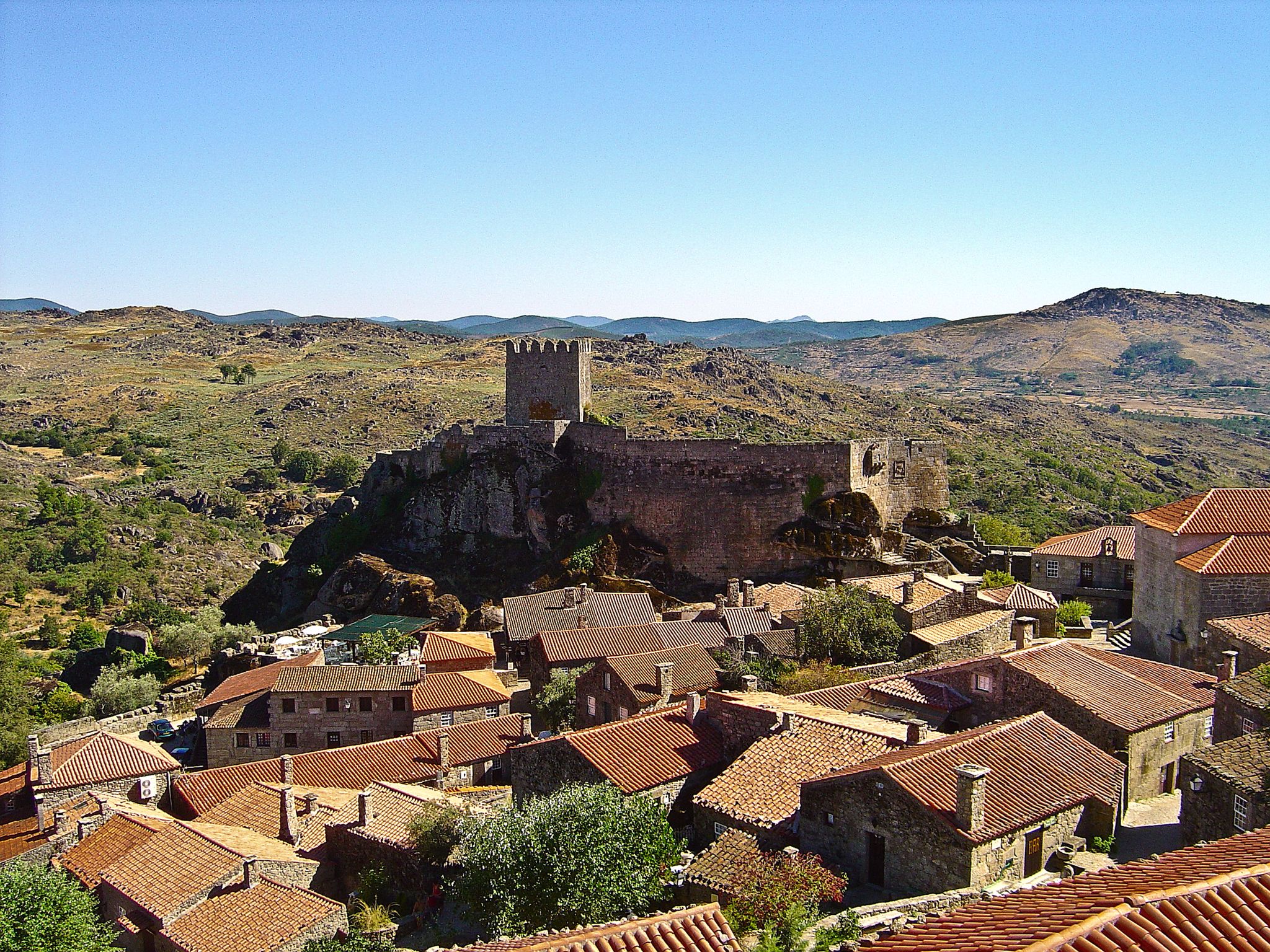
Marialva is a jewel among Portugal's Historic Villages. High above, the castle watches over centuries of conquests and legends, while within the walls still echo the memory of kings, fairs, and battles. Strolling its cobblestone streets is like traveling back in time: from the keep to the Church of Santiago, every detail tells a story. Outside the walls, vineyards and flavors of Beira Alta complete the landscape: roast kid, sheep's cheese, and sweets that preserve the taste of tradition. Here, the village is experienced as much on foot as at the table.
3
0
Almeida stands on the plateau like a table set for history: "Al-Mêda" was the name given to it by the Arabs. Previously, it had been a Lusitanian, Roman, and then Christian fort, conquered in 1190 and definitively Portuguese in 1297. Around the medieval castle grew the town, still marked by the Puerta do Sol. After the Restoration, the town transformed into a veritable war machine: the six-pointed star-shaped fortress, with bastions, ravelins, and underground galleries that served as both shelter and prison. It was the scene of decisive battles, devastated by the explosion of 1810 and contested in the liberal wars, always rising from the ruins.
2
0
Castelo Mendo is a historic village with medieval roots, marked by two walls: the oldest, dating from the 12th century, surrounds the old town with its castle and the church of Santa Maria; the second, built by King Dinis in the 14th century, protected the Gothic suburb. The site was a living border between Portugal and León until the Treaty of Alcanices (1297), guarding strategic passages over the Côa River. At the entrance, two Vetón bellows, stone figures in the shape of wild boars, recall even more remote origins. Classified as a Property of Public Interest since 1984, Castelo Mendo today stands as a rare testament to the border region's history and Portuguese medieval splendor.
2
0

Castelo Rodrigo is one of the twelve historic villages, the Aldeias Históricas de Portugal.
2
1

The Almeida Fort, originally founded as a castle in the 12th century, is one of the best-preserved fortifications in Portugal. It played an important role throughout its history, particularly during the Napoleonic Wars. It was heavily damaged during the Siege of Almeida in 1810 but was later rebuilt. The star fort is known for its bastions and deep moats, which were once intended to provide protection against invaders.
2
0
The Almeida Fort, originally founded as a castle in the 12th century, is one of the best-preserved fortifications in Portugal. It played an important role throughout its history, particularly during the Napoleonic Wars. It was heavily damaged during the Siege of Almeida in 1810 but was later rebuilt. The star fort is known for its bastions and deep moats, which were once intended to provide protection against invaders.
2
0
The Almeida Fort, originally founded as a castle in the 12th century, is one of the best-preserved fortifications in Portugal. It played an important role throughout its history, particularly during the Napoleonic Wars. It was heavily damaged during the Siege of Almeida in 1810 but was later rebuilt. The star fort is known for its bastions and deep moats, which were once intended to provide protection against invaders.
3
1
Castelo Mendo is surrounded by a fortified wall with six medieval gates. Two wild boar sculptures stand to the left and right of the main entrance. The simple stone houses originally consisted of two floors. The ground floor housed livestock, while the upper floor served as a residential building. The extremely narrow streets made it relatively easy to defend the town, which was repeatedly a battlefield during the wars in which Portugal participated, especially against Spain.
2
2
Frequently Asked Questions
What historical sites can I visit around Pinhel?
The Pinhel region is rich in history. You can explore the well-preserved Almeida Castle, a star fort known for its role in the Napoleonic Wars. Another significant site is the Castelo Rodrigo Discovery Trail, where you can walk through a village protected by ancient walls. Don't miss the Historic Village of Marialva, offering a journey back in time with its cobblestone streets and castle.
Are there any medieval castles to explore in the area?
Yes, the region boasts several impressive medieval castles. The Almeida Castle is a prime example of a well-preserved fortification. Within Pinhel itself, the Castle of Pinhel, dating back to the 12th century, offers panoramic views and houses an Interpretive Center. The historic villages of Castelo Rodrigo and Castelo Mendo also feature significant castle ruins and fortified structures.
What natural features are prominent in the Pinhel region?
The Pinhel municipality is geographically defined by the scenic Côa River, whose valley offers beautiful views. The area is also surrounded by hills and mountains, including the notable Serra da Marofa. For expansive natural vistas, consider visiting the Reserva Natural da Faia Brava or the Miradouro da Faia viewpoint.
Are there family-friendly attractions around Pinhel?
Yes, several attractions are suitable for families. The Castelo Rodrigo Discovery Trail is a great option for a family walk through a historic village. The Historic Village of Almeida, with its unique star-shaped fortress, also offers an engaging experience for all ages.
What cultural experiences does Pinhel offer?
Pinhel, known as the 'City of Wine,' provides a rich cultural experience. You can visit the Casa da Cultura, located in the old Episcopal Palace, which hosts art exhibitions and workshops. It also houses the Municipal Museum of Pinhel and the José Manuel Soares Museum, showcasing the region's heritage and local art. The annual Feira das Tradições, held before Carnaval, is a vibrant event celebrating local customs.
Where can I find scenic viewpoints near Pinhel?
For breathtaking views, head to the Castle of Pinhel, which offers panoramic vistas of the surrounding countryside, including the Côa river and Marofa mountain. The Miradouro da Faia in Azêvo provides stunning natural landscapes, and the Miradouro de Vale de Madeira offers a perfect perspective of the Côa River to the east of Pinhel.
Are there cycling routes near Pinhel's attractions?
Yes, there are several cycling routes around Pinhel. For road cycling, you can explore routes like the 'Steep terrain in the Côa Valley – Castelo Rodrigo Village loop from Pinhel' or the 'Castelo Rodrigo Village loop from Pinhel'. You can find more details and other routes on the Road Cycling Routes around Pinhel guide. For general cycling, the 'Green Route of Almeida — Historic Villages of Portugal' is a moderate option. Discover more on the Cycling around Pinhel guide.
What mountain biking trails are available around Pinhel?
Mountain biking enthusiasts will find several trails near Pinhel. Options include the 'Barroco do Pregoeiro – Miradouro da Faia loop from Pinhel' and various loops starting from Guarda, such as 'River Ford Crossing – Castro do Jarmelo loop'. You can explore these and other routes on the MTB Trails around Pinhel guide.
What kind of architecture can I see in Pinhel?
Pinhel's historical center showcases a blend of medieval and modern architecture. You'll find impressive stately homes, some dating back to the 16th century, featuring Baroque styles. Notable examples include Casa Grande/Solar dos Condes de Pinhel and Casa da família Mena Falcão (current City Hall). Religious architecture is also prominent with churches like Igreja de Santa Maria do Castelo (Gothic) and Igreja Matriz (Baroque).
What is the best time to visit Pinhel for outdoor activities?
The best time to visit Pinhel for outdoor activities like hiking and cycling is generally during the spring (April to June) and autumn (September to October) months. During these periods, the weather is typically milder and more pleasant, avoiding the intense heat of summer and the colder, potentially wetter conditions of winter.
Can I explore the historical center of Pinhel on foot?
Absolutely. Pinhel's historical center is perfect for on-foot exploration. Its narrow streets are dotted with patrimonial references from both medieval and modern eras. You can walk along parts of the Gothic Wall and discover landmarks like the Torre do Relógio (Clock Tower) and the Pelourinho de Pinhel (Pillory of Pinhel).
Are there any villages with ancient history to explore near Pinhel?
Yes, the region is home to several historic villages with deep roots. Castelo Rodrigo, built around 500 BC, and Castelo Mendo, with its medieval origins and ancient Vetón bellows, offer fascinating glimpses into the past. The Historic Village of Marialva also provides a rich historical experience.
Most popular attractions around Pinhel

Get inspired with the komoot mobile app


Explore more
Still not found the Highlight you’re looking for? See guides of the top attractions in other regions:
