Attractions and Places To See around Tavira - Top 20
Best attractions and places to see around Tavira include a blend of historical landmarks, natural features, and cultural sites. The town is situated in the eastern Algarve region of Portugal, bisected by the Gilão River which flows into the Ria Formosa Natural Park. Tavira offers a diverse range of attractions, from ancient structures to barrier islands and traditional villages. This region is characterized by its rich history, architecture, and natural landscapes.
Best attractions and places to see around Tavira
- The…
Last updated: October 9, 2026
Ecovía do litoral 🚴 Fuseta - Olhão
Highlight (Segment) • Cycleway
Tip by

Old/Roman Bridge 🌉 Tavira
Highlight • Bridge
Tip by
Sign up now to discover places like this
Get recommendations on the best single tracks, peaks, & plenty of other exciting outdoor places.
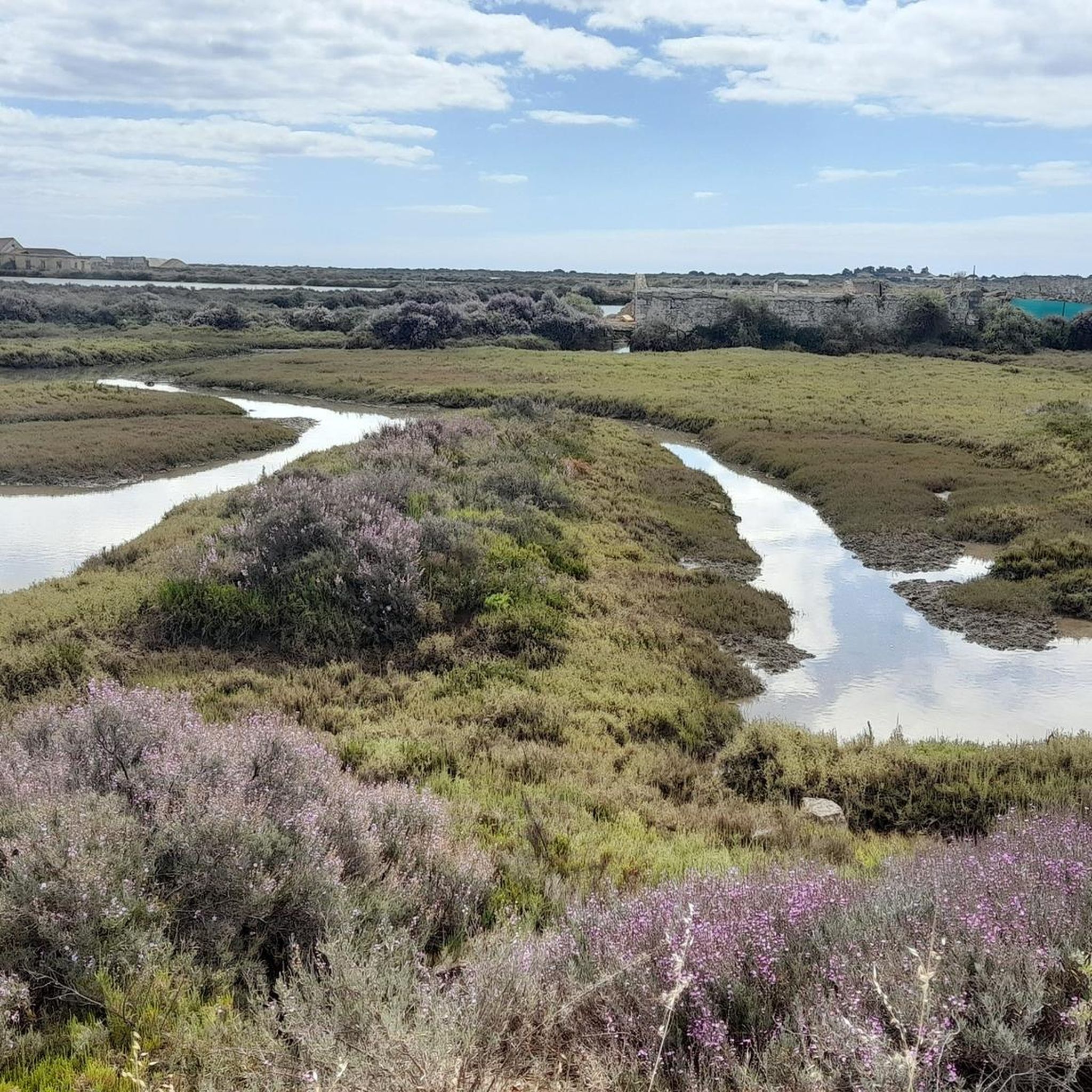
Old salt pans in Ria Formosa Natural Park
Highlight • Structure
Olhão is a city in Portugal with 14,206 inhabitants (as of April 19, 2021). Olhão is located in the so-called Sand …
Translated by Google •
Tip by

Gilão River 🌊 Tavira
Highlight • River
Tip by
Castelo de Tavira Gardens
Highlight • Castle
Translated by Google •
Tip by

Sign up for free to discover even more attractions around Tavira.
Already have an account?
Start today with a free account
Your next adventure awaits.
Popular around Tavira
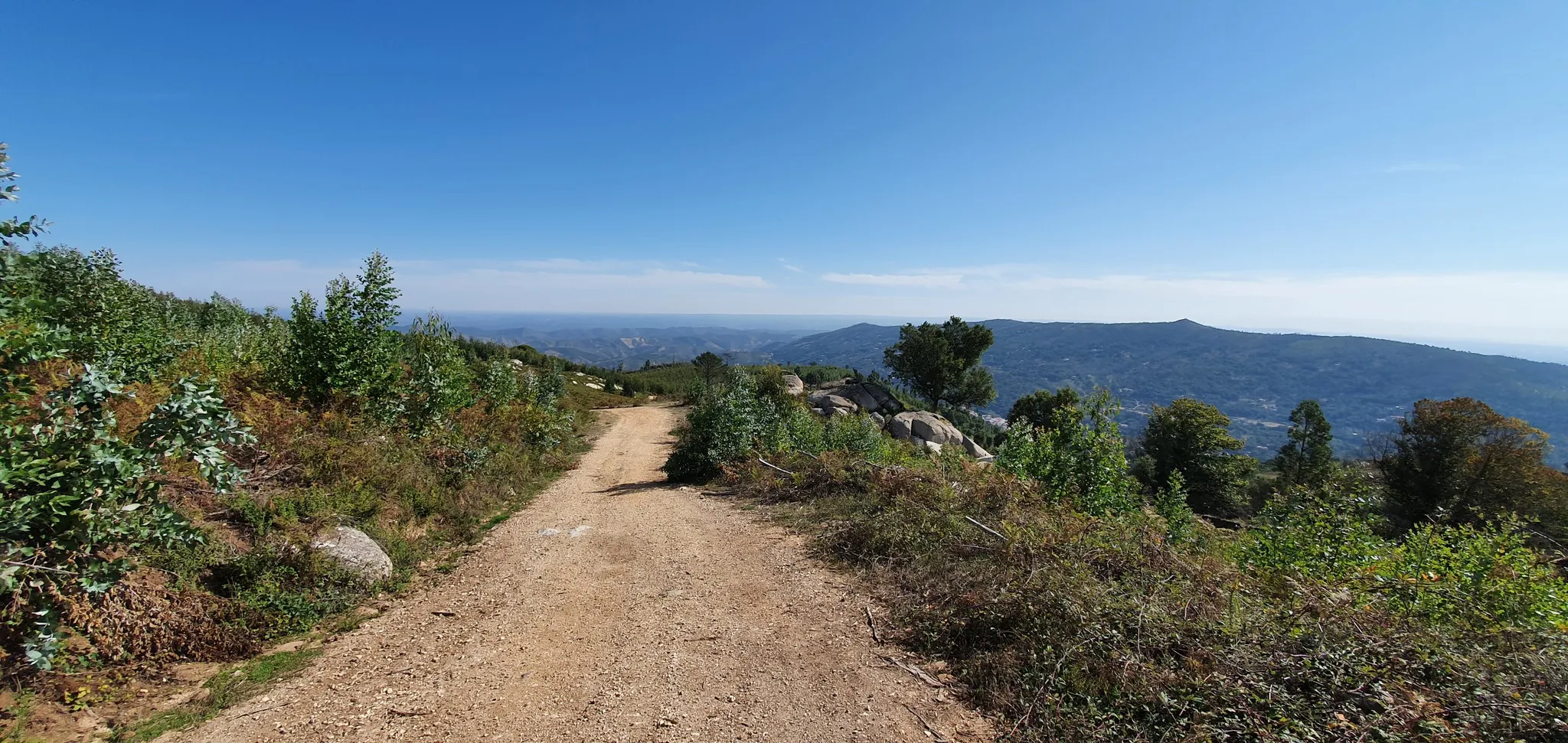
Via Algarviana (GR 13) - hidden corners of the south
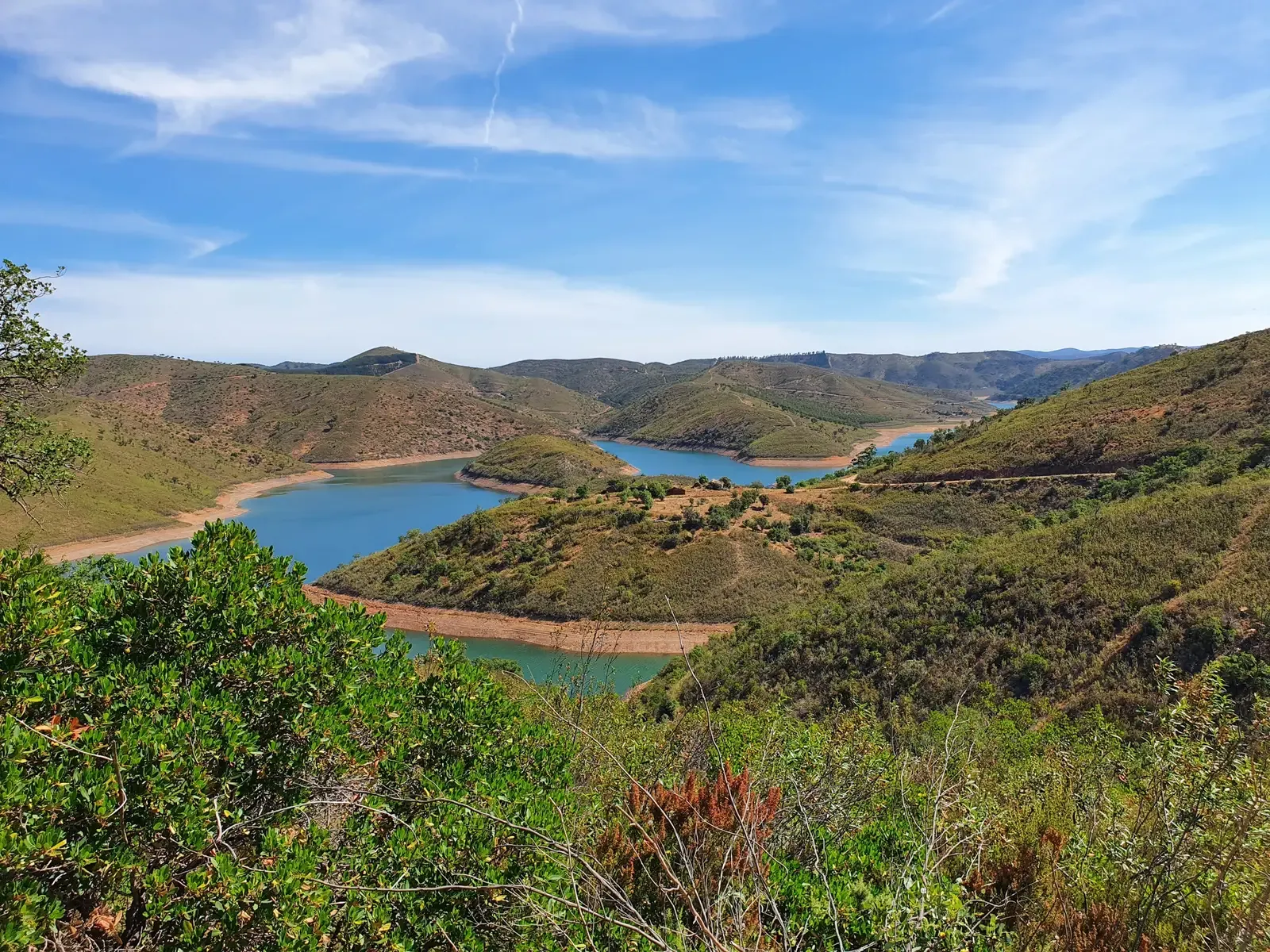
The secret Algarve – Algarviana Way

European D̶I̶V̶I̶D̶E̶ Connect Trail Project – a journey across Europe
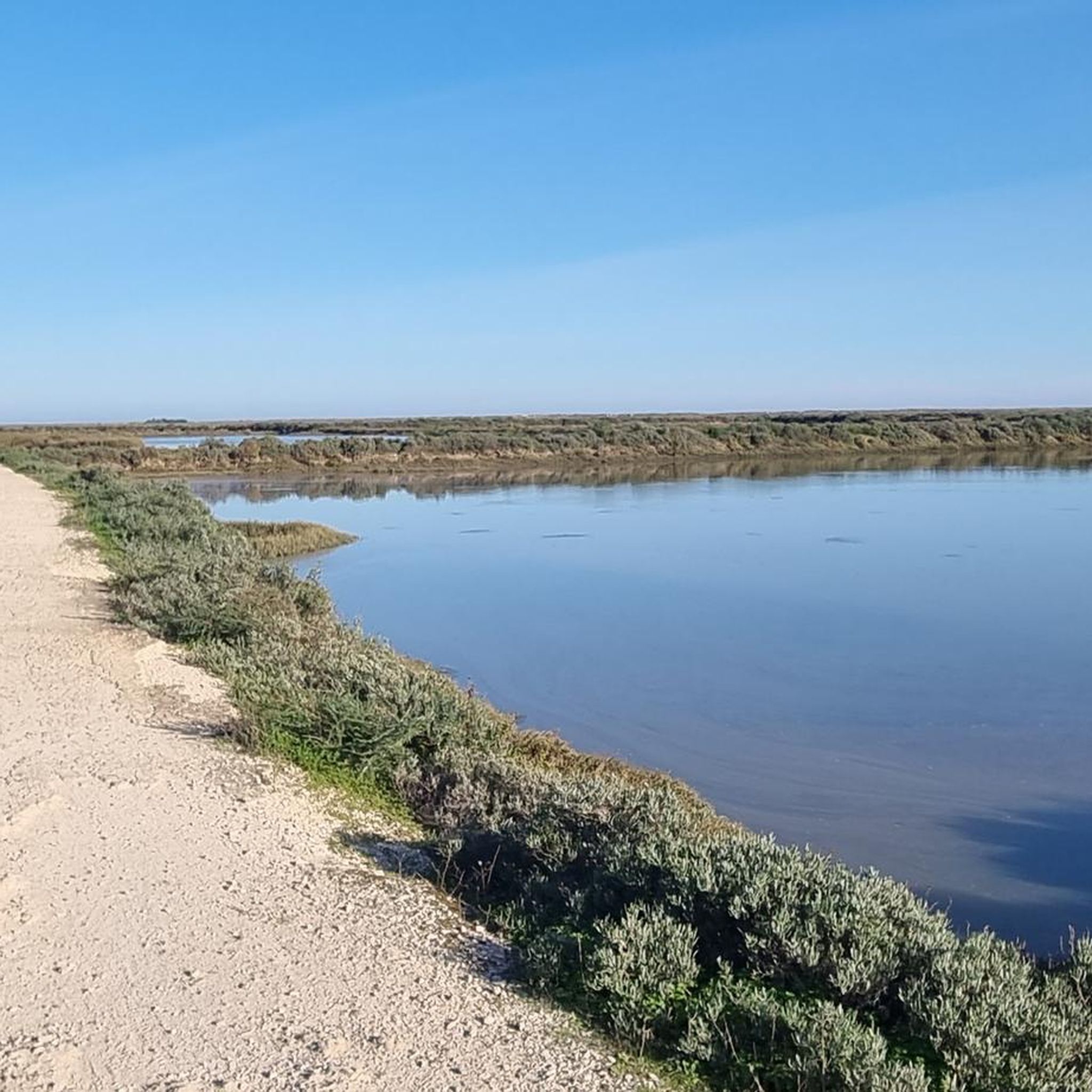
Hiking around Tavira
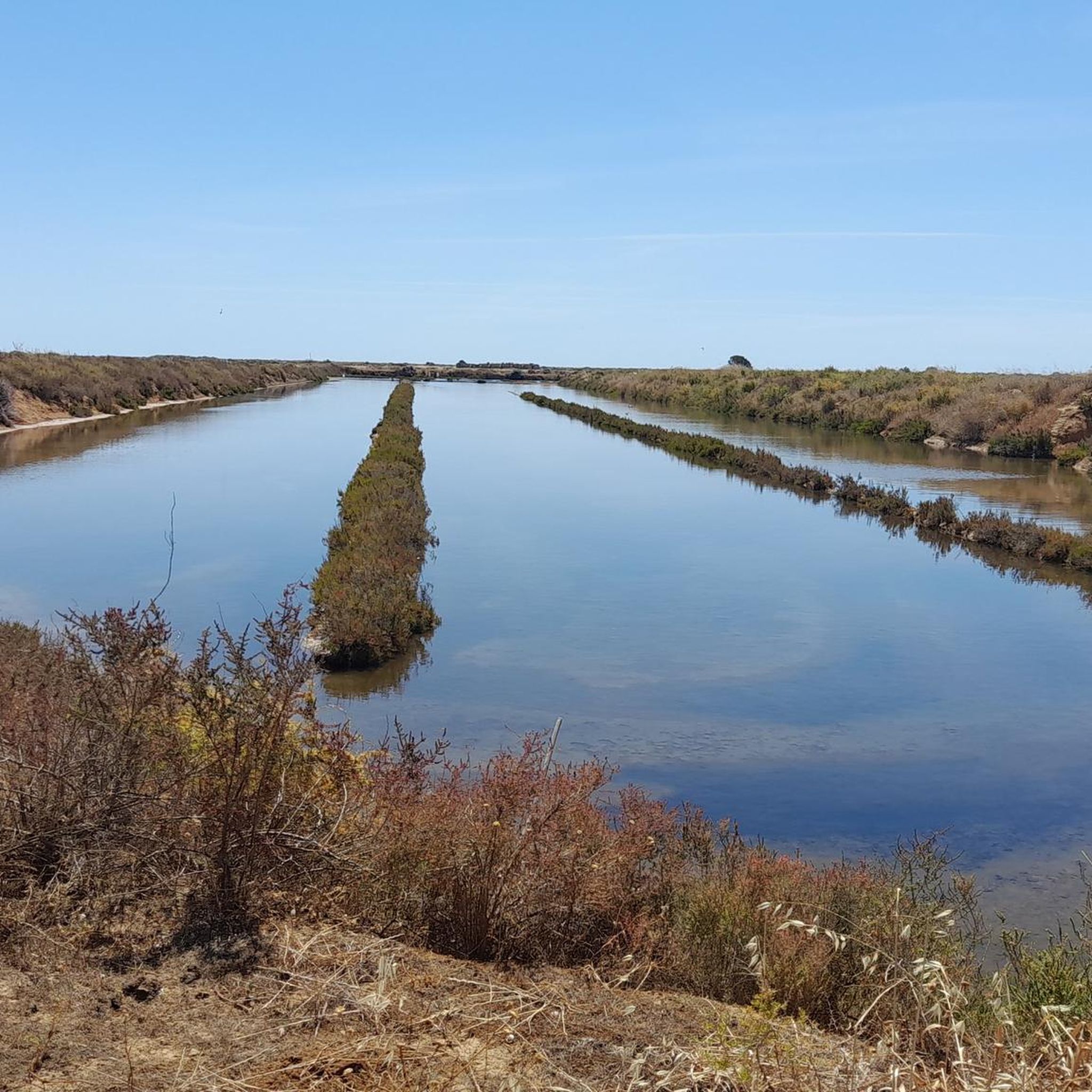
Cycling around Tavira
Running Trails around Tavira
Road Cycling Routes around Tavira
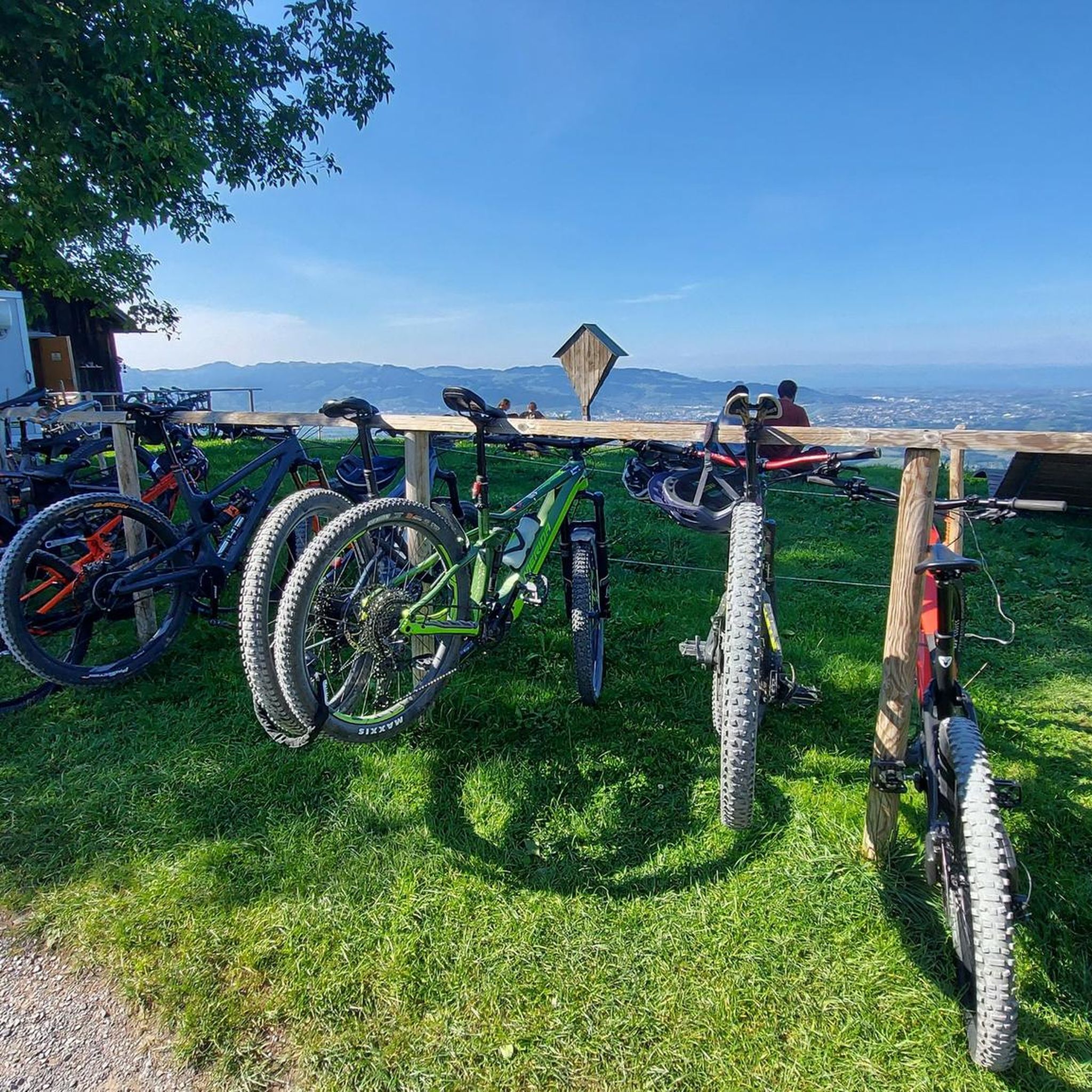
MTB Trails around Tavira
Gravel biking around Tavira
Other adventures around Tavira


Tips from the Community

Thanks to the boats moored there, the whole place has a Mediterranean flair.
0
0

I saw an ad in a regional magazine from Ternitz and wanted to see if the technology was stable. I was frustrated after a series of bad card games and actually wanted to quit the whole thing. But Hot Chilli Bells https://hotchilli-bells.pro/ offered me a fresh start at the machines. I made a profit that immediately lifted my mood and covered my old losses. I am very satisfied with the result today.
1
0

The formal gardens are very pretty and there are also free public toilets there. From the battlements there are good views over Tavira.
1
0

Tavira is a beautiful coastal town on Portugal's Algarve coast. It lies on the Gilão River, which flows into the sea via estuaries and lagoons in the Ria Formosa Natural Park. Tavira Island boasts a long sandy beach and salt flats that attract flamingos, spoonbills, and other wading birds. The medieval Castelo de Tavira is located in the town center and offers panoramic views. The Church of Santa María do Castelo houses the tombs of seven knights killed by the Moors. The town has many charming restaurants, bars, cafes, and shops!
3
0
A very well-developed cycle path with the following destinations: Olhão is a city in Portugal with 14,206 inhabitants (as of April 19, 2021). Olhão is located in the so-called Sand Algarve, the Sotavento. This is the name given to the region that stretches between Faro Airport and the Spanish border in eastern Portugal. Among the numerous architectural monuments are a number of historic public buildings, various social housing blocks from the Estado Novo regime, the 17th-century fortress, and two Baroque parish churches. The historic town center as a whole is also a protected monument, and a tidal mill can be visited just outside the city. The Ria Formosa Natural Park is a nature park surrounding a lagoon in the southern Portuguese Algarve. With a protected area of 170 km², the lagoon is one of the largest lagoonal nature reserves in Europe. The lagoon itself covers 83.5 km². Fuseta, also known as Fuzeta, is a town and former municipality on the Algarve coast in southern Portugal. The German author Holger Karsten Schmidt, writing under the pseudonym Gil Ribeiro, created a crime series set here.
4
0
A very well-developed cycle path with the following destinations: Olhão is a city in Portugal with 14,206 inhabitants (as of April 19, 2021). Olhão is located in the so-called Sand Algarve, the Sotavento. This is the name given to the region that stretches between Faro Airport and the Spanish border in eastern Portugal. Among the numerous architectural monuments are a number of historic public buildings, various social housing blocks from the Estado Novo regime, the 17th-century fortress, and two Baroque parish churches. The historic town center as a whole is also a protected monument, and a tidal mill can be visited just outside the city. The Ria Formosa Natural Park is a nature park surrounding a lagoon in the southern Portuguese Algarve. With a protected area of 170 km², the lagoon is one of the largest lagoonal nature reserves in Europe. The lagoon itself covers 83.5 km². Fuseta, also known as Fuzeta, is a town and former municipality on the Algarve coast in southern Portugal. The German author Holger Karsten Schmidt, writing under the pseudonym Gil Ribeiro, created a crime series set here.
4
1

The Gilão River flows through the center of Tavira and plays a significant role in the city's history and life. It flows into the Ria Formosa lagoon, making Tavira an important trading and fishing center in the past. Along its banks lie characteristic white houses, bridges, and pleasant promenades. The river is lined with cafés, restaurants, and parks, such as the Jardim do Coreto, making it a beautiful place to stroll, enjoy the views, and experience Tavira's local atmosphere.
3
0

The garden at Castelo de Tavira is beautiful. The grounds are very well-maintained and feature an interesting botanical selection. It's like being in paradise.
2
0
Frequently Asked Questions
What natural attractions can I explore around Tavira?
Tavira is surrounded by beautiful natural features. You can visit the Gilão River 🌊 Tavira, which flows through the town and into the Ria Formosa Natural Park. The park itself is a protected wetland system with salt lagoons and tidal mudflats, home to diverse wildlife. Another highlight is Ilha de Tavira, a barrier island with expansive golden sand beaches like Praia de Tavira and Praia do Barril. Don't miss Pego do Inferno, a stunning natural waterfall and lagoon perfect for a refreshing swim.
Are there historical sites to visit in Tavira?
Yes, Tavira boasts a rich history reflected in its landmarks. Explore the ancient Moorish ruins of Tavira Castle for panoramic views. The iconic Old/Roman Bridge 🌉 Tavira, though Moorish in origin, is a central feature. You can also visit the Igreja da Misericórdia, a fine Renaissance church, or the Igreja de Santa Maria do Castelo, built on the site of a former mosque.
What are some family-friendly activities in Tavira?
Many attractions in Tavira are suitable for families. The Old/Roman Bridge 🌉 Tavira and the Gilão River 🌊 Tavira offer pleasant strolls. The Anchor Cemetery, Praia do Barril on Ilha de Tavira is a unique and intriguing spot for all ages. Families can also enjoy boat trips to Ilha de Tavira for beach days or explore the interactive Camera Obscura at Torre de Tavira.
Can I find accessible attractions in Tavira?
The Gilão River 🌊 Tavira promenade and the Old/Roman Bridge 🌉 Tavira are generally accessible for wheelchairs. Many of Tavira's central areas, including Praça da República, are paved with traditional calçada, which can be uneven but are generally manageable. It's advisable to check specific venue accessibility before visiting.
What is the best time of year to visit Tavira for sightseeing?
The best time to visit Tavira for sightseeing is typically during the spring (April-May) and autumn (September-October) months. During these periods, the weather is pleasantly warm, ideal for exploring, and the crowds are generally smaller than in the peak summer season. Winter offers a quieter experience with mild temperatures, while summer is perfect for beach activities but can be very hot and busy.
Are there opportunities for hiking near Tavira?
Yes, there are several hiking opportunities around Tavira. You can find routes like the easy Masmorra Trail or moderate options such as the Corte António Martins circular route (PR1) and the Fonte de Águas de Tábuas Trail. For more details and routes, refer to the Hiking around Tavira guide.
What cycling routes are available around Tavira?
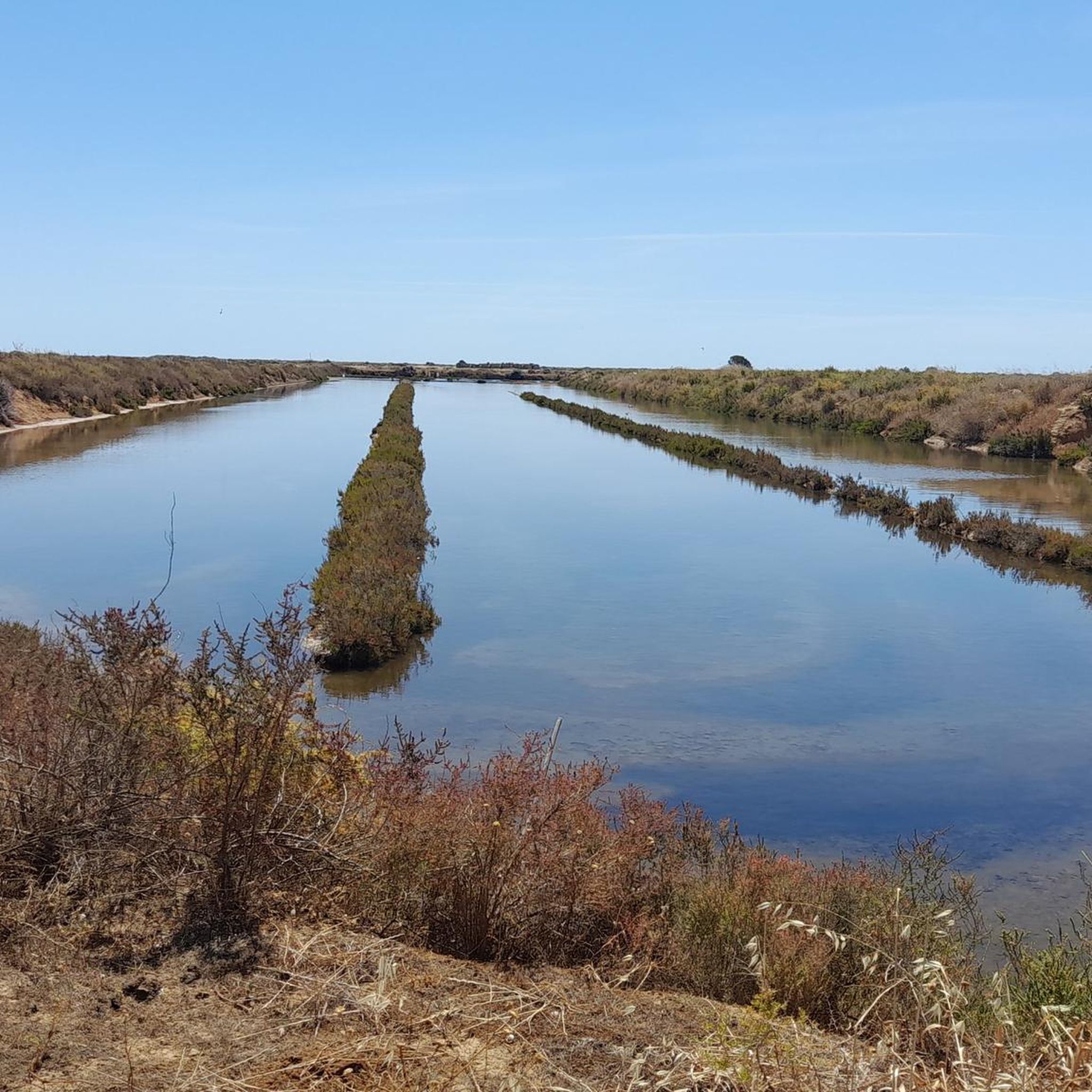
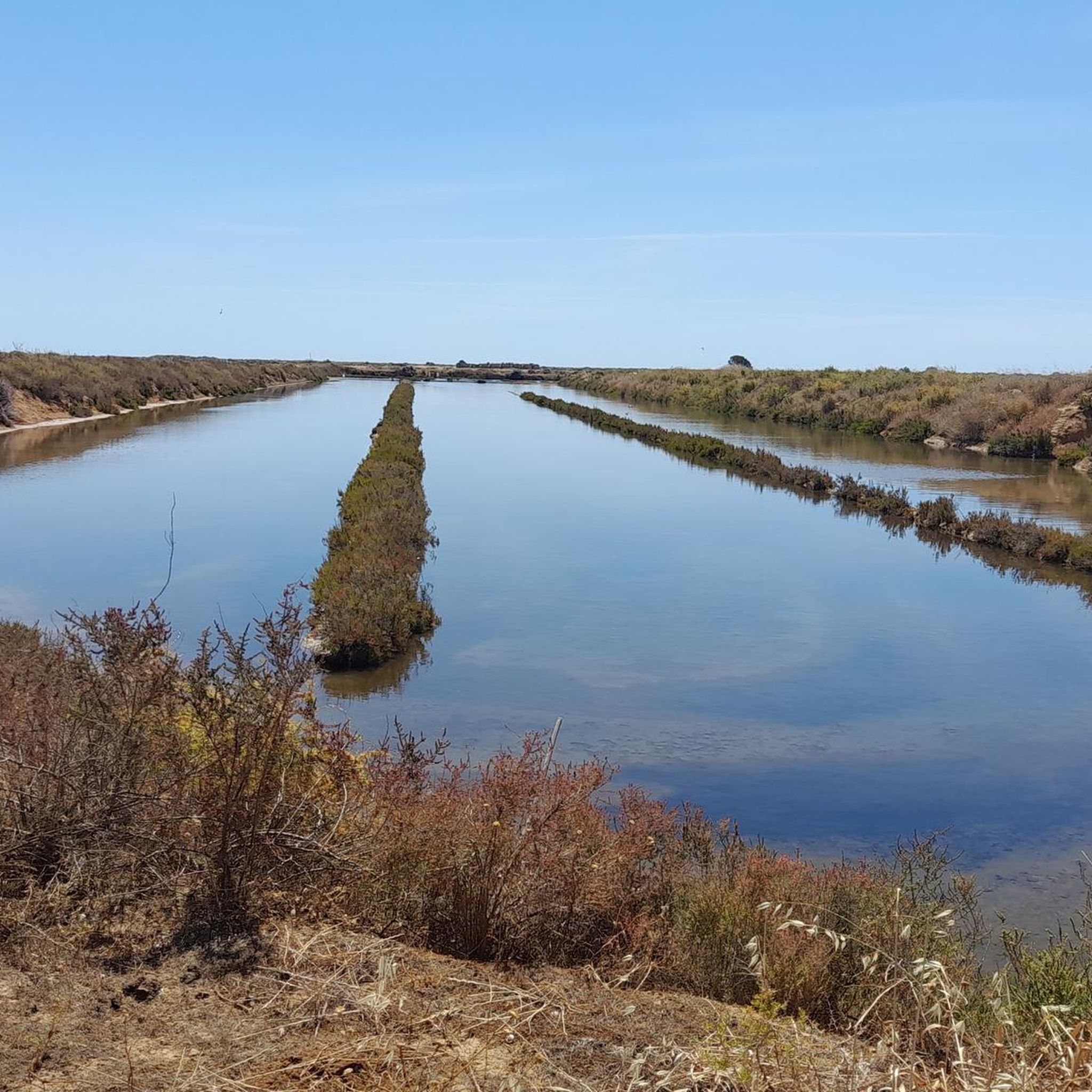
Tavira offers various cycling routes, including gravel biking and MTB trails. You can explore the Ecovía do litoral, a well-maintained gravel trail along the coastal wetlands, or routes that take you through the Ria Formosa Salt Pans. For detailed routes and difficulty levels, check out the MTB Trails around Tavira and Gravel biking around Tavira guides.
Where can I experience local culture and cuisine in Tavira?
To immerse yourself in local culture, visit the Mercado Municipal or Mercado da Ribeira for fresh produce, seafood, and local delicacies. The Bairro dos Pescadores, with its traditional azulejo-tiled houses, offers a glimpse into Tavira's fishing heritage. For authentic seafood, especially octopus, visit the charming fishing village of Santa Luzia, known as the 'Octopus Capital'.
Which beaches are easily accessible from Tavira?
The most easily accessible beaches from Tavira are located on Ilha de Tavira. Praia de Tavira is reachable by ferry from Cais das Quatro Águas or the town center. Praia do Barril, famous for its Anchor Cemetery, is also on Ilha de Tavira. Another option is Praia da Terra Estreita, accessible from Santa Luzia.
What is the significance of the Anchor Cemetery at Praia do Barril?
The Anchor Cemetery, Praia do Barril is a poignant reminder of Tavira's tuna fishing past. It features over 100 rusting anchors left behind by a former tuna fishing community. The old fishermen's homes nearby have been converted into beach bars and restaurants, adding to the unique atmosphere of this site on Ilha de Tavira.
Can I explore the Ria Formosa Natural Park near Tavira?
Absolutely. The Ria Formosa Natural Park is a significant natural feature near Tavira. You can explore this protected wetland system by kayak or boat tour, observing diverse wildlife, including migratory birds like flamingos. The park is also home to one of Europe's largest concentrations of seahorses. You can also find old salt pans within the park.
What is the story behind the Gilão River's two names?
The Gilão River 🌊 Tavira, which flows through the town, is said to change its name to Séqua River upstream from the Old/Roman Bridge 🌉 Tavira. A local legend tells of a forbidden love between a Moorish princess named Séqua and a Christian knight named Gilão. When discovered, they tragically ended their lives, one upstream and one downstream, giving the river its two names.
Are there any unique viewpoints in Tavira?
For a unique perspective, visit the Torre de Tavira (Camera Obscura). Housed in a converted water tower, it offers an interactive 360-degree panoramic view of Tavira. The ruins of Tavira Castle also provide excellent panoramic views of the town and surrounding countryside.
What are some charming villages near Tavira worth visiting?
Beyond Tavira itself, you can explore the charming fishing village of Santa Luzia, known as the 'Octopus Capital,' with its authentic seafood restaurants. Another quaint option is Cabanas de Tavira, offering a relaxed atmosphere and easy boat access to its barrier island beach, Praia de Cabanas.
Most popular attractions around Tavira

Get inspired with the komoot mobile app


Explore more
Still not found the Highlight you’re looking for? See guides of the top attractions in other regions:
