The best running trails around Kerkrade
4.0
(19)
1,051
runners
54
runs
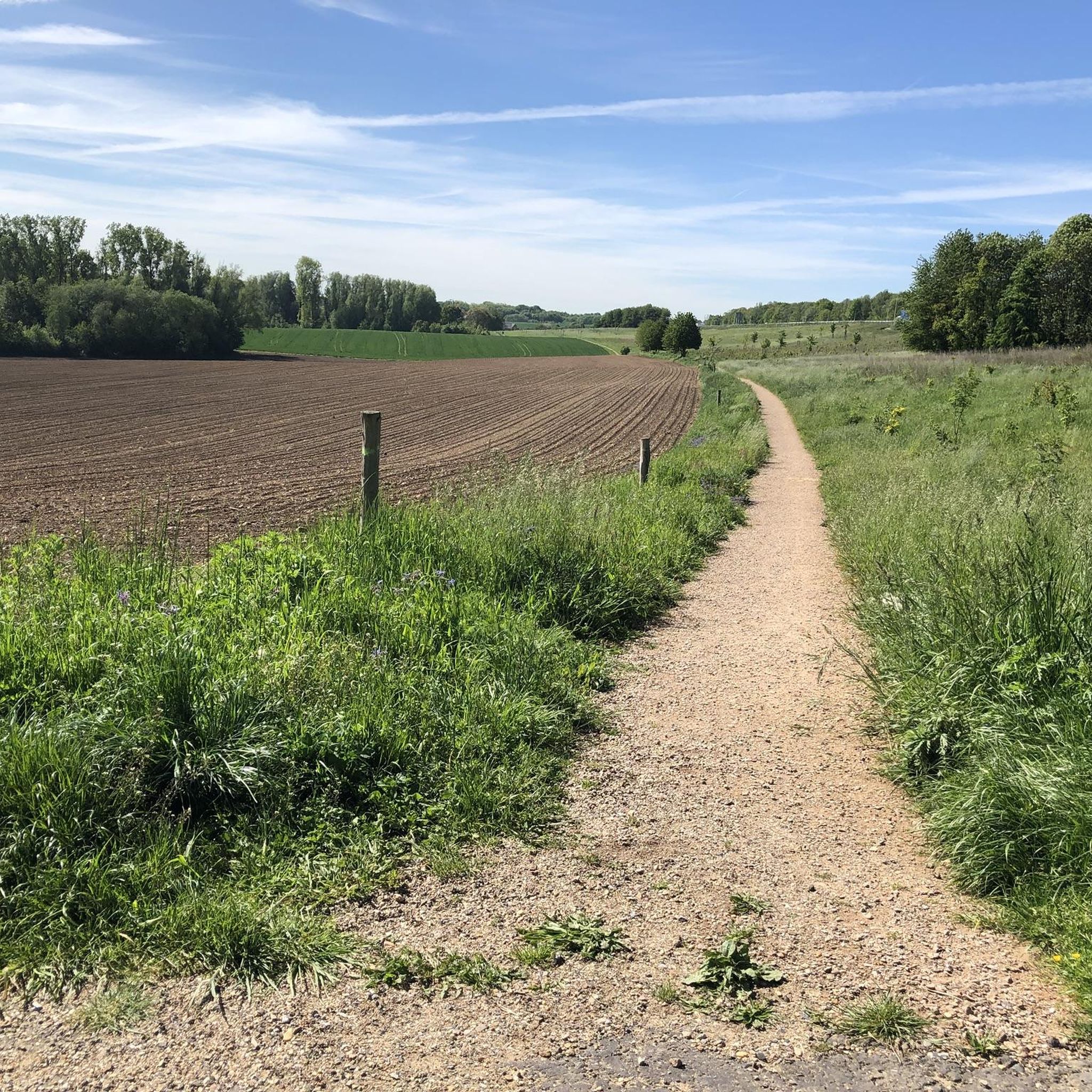
Jogging around Kerkrade offers a diverse landscape characterized by green spaces, valleys, and woodlands. The region features varied terrain, from flat paths alongside streams to challenging hilly sections, providing options for different fitness levels. Notable natural features include the Anstel Valley with its sloping forests and the Cranenweyer reservoir, alongside the Worm Valley which extends into Germany. These areas provide a rich environment for running, combining natural beauty with cultural landmarks.
Best jogging routes around Kerkrade
- The most popular jogging…
Last updated: June 20, 2026
3.0
(2)
85
runners
Moderate run. Good fitness required. Mostly paved surfaces. Suitable for all skill levels.
4.0
(1)
84
runners
33.0km
03:46
360m
360m
Hard run. Very good fitness required. Sure-footedness, sturdy shoes and alpine experience required.

Sign up for free
4.3
(3)
86
runners
Hard run. Very good fitness required. Mostly paved surfaces. Suitable for all skill levels.
4.0
(1)
59
runners
9.00km
00:57
100m
100m
Moderate run. Good fitness required. Mostly paved surfaces. Suitable for all skill levels.
5.0
(1)
25
runners
14.2km
01:31
80m
80m
Moderate run. Good fitness required. Mostly paved surfaces. Suitable for all skill levels.
Get access to more routes and recommendations from other explorers.
Sign up for free
Already have an account?
Our route recommendations are based on thousands of hikes, rides, and runs completed by other people on komoot.
Start today with a free account
Your next adventure awaits.
Login or Signup

Other adventures around Kerkrade

Tips from the Community

The Rimburg and the Friedens mal like the turtles on the Wurmbrücke. It is an interesting place for a short rest a little way into the town on the corner there is a nice café.
1
0

Nice place to rest after or during a walk or bike ride. You will pass by it if you cycle or walk the Parkstad Leisure Lane, which starts or ends in Peil 5 in Schinnen or Peil 5 in Simpelveld. Both are part of the Miljoenenlijn route. The distance is 35km.
0
0

A video about the reservoir https://youtu.be/Qwz3JJPRhIQ?is=bu2Ak2HdO5L3ZNg5
1
0

In the Wurmtal (the valley of the Wurm River) near Würselen/Aachen, you'll find a striking artistic element in the landscape: large "granite eggs" (actually white marble sculptures) scattered throughout the nature reserve along hiking and cycling paths. These stone eggs are landscape artworks installed in 2008 as part of the EURORegionale (EuRegionale), a cultural and regional development project in the Meuse-Rhine Euregion. The eggs serve as public art objects in the open countryside and form a playful and recognizable landmark along hiking trails in the Wurmtal: you can see them as you walk through meadows, forests, and along the river. The marble "eggs" are primarily located along the edges of paths around limestone and stone piles of former industrial sites in the area between Würselen and Herzogenrath, and they are often encountered on popular hikes through the Wurmtal; some routes specifically lead past these sculptures. Visitors sometimes call the eggs “dino eggs” because of their shape and size, making them fun landmarks for hikers and cyclists.
2
1
In spring, the Wurmtal reveals its most enchanting face. South of Herzogenrath, the landscape unfolds in soft colors: young leaves in a bright spring green, the Wurm glistening in the sunlight, and hillsides where the fresh season gently announces itself. It is a place where silence and nature intertwine, carried by the rhythm of the rippling water. Along the banks, the first spring flowers emerge—marsh marigolds, cuckoo flowers, and white wood anemones—illuminate the moist soil like tiny flames. The paths wind between newly budding trees, filtering the light into a playful pattern of shadows. The scent of moist earth and new leaves is synonymous with spring here; it's a scent that almost symbolizes a new beginning. Walking through this part of the Wurmtal, you experience how nature slowly but surely awakens. Birds herald the season with exuberant song, while insects find their way along the path's edges. The Wurm itself is usually somewhat more fully fed by rain and meltwater in spring, and it moves energetically along the rocks and grassy banks. At this time of year, a walk in the Wurmtal feels like stepping into a different world—a world where winter has completely vanished and everything seems to begin anew. The soft colors, the cool air, and the tranquility of the valley make this area one of the most beautiful places to truly experience spring.
2
0

Birdwatching on the lake
1
0
Rimburg's water tower rises majestically above the verdant Worm Valley, a recognizable silhouette from afar in the South Limburg landscape. This historic tower commemorates the importance of water extraction and distribution at a time when the region was rapidly developing, but today it serves primarily as an atmospheric landmark for hikers and cyclists. Around the tower unfolds a tranquil backdrop of rolling meadows, flower-filled roadsides, and forest edges that gently slope into the German border region. The contrast between the robust architecture and the surrounding nature creates a particularly photogenic scene, especially when the light falls low across the landscape.
0
0
The Rimburg Water Tower rises majestically above the rolling landscape of South Limburg and has been a recognizable landmark for hikers and cyclists in the region for many years. Situated near the historic village of Rimburg and the Worm Valley, this tower tells the story of a time when water supply and technology went hand in hand with the growth of the surrounding municipalities. Its robust construction and characteristic shape give the tower an almost timeless appearance. From the surrounding area, a beautiful panorama unfolds over fields, meadows, and forest edges, with the water tower standing silently watch over the landscape. Especially in clear weather and soft evening light, the entire structure takes on a photogenic charm. The location is not only interesting from a historical and architectural perspective but also as a resting point during a trip through the border region between the Netherlands and Germany. The combination of heritage and nature makes the Rimburg Water Tower a place where technology, history, and landscape converge harmoniously. 🌿🏗️
0
0
Frequently Asked Questions
How many running routes are available in Kerkrade?
Kerkrade offers a wide selection of running routes, with over 50 trails available for various fitness levels. These include easy paths for beginners and more challenging routes for experienced runners.
What kind of terrain can I expect on jogging trails around Kerkrade?
Jogging trails in Kerkrade feature diverse terrain, ranging from flat paved paths alongside streams to challenging hilly sections through woodlands. You'll encounter characteristic South Limburg landscapes like the Anstel Valley with its sloping forests and meadows, and the Worm Valley with its natural woodlands and grasslands.
Are there any family-friendly running routes in Kerkrade?
Yes, Kerkrade has several routes suitable for families. The Cranenweyer Bird Island – Cranenweyer Beech Forest loop is a moderate option that offers scenic views and is popular. The Kerkrade City Park also provides winding pathways and a deer park, ideal for a more relaxed family jog.
Can I bring my dog on the running trails in Kerkrade?
Many natural areas and parks in Kerkrade are dog-friendly, but it's always recommended to check local regulations for specific trails, especially regarding leash requirements. The diverse landscapes, including the Anstel and Worm Valleys, offer plenty of space for you and your dog to enjoy a run.
What are some notable landmarks or points of interest I might see while running in Kerkrade?
Kerkrade's running routes often pass by significant landmarks. You might encounter the historic Erenstein Castle, the unique Cranenweyer reservoir (the only one in the Netherlands), or the centuries-old Rolduc Abbey. The Worm Valley also features the historic Baalsbruggermolen water mill.
Are there any circular running routes in the Kerkrade area?
Yes, many of the running routes in Kerkrade are designed as loops. For example, the Erenstein Castle – View of the Cranenweyer Reservoir loop is a popular moderate circular path. These loops allow you to start and finish at the same point, making logistics easier.
Where can I find parking near the running trails in Kerkrade?
Parking is generally available near popular starting points for running routes. For trails around the Cranenweyer reservoir or Erenstein Castle, you can often find parking in Kerkrade Centrum or designated areas nearby. Specific parking information for individual routes can usually be found on their respective komoot tour pages.
What is the best time of year for jogging in Kerkrade?
Kerkrade's climate is generally suitable for outdoor activities throughout much of the year. Spring and autumn offer pleasant temperatures and beautiful scenery with changing foliage. Summer can be warm but is enjoyable, especially in the shaded woodlands. Winter running is also possible, though conditions may vary.
Are there any running routes with significant elevation gain for a more challenging workout?
Absolutely. For those seeking a challenge, routes like the Rimburg Water Tower – Start MTB Routes Parkstad loop offer significant elevation gains, with over 360 meters of ascent over its 33.7 km distance. The 'Devil's Forest' area around Rolduc Abbey also provides steep slopes for a demanding run.
What do other runners say about the trails in Kerkrade?
The running routes in Kerkrade are highly rated by the komoot community, with an average score of 3.9 stars from over 10 reviews. Runners often praise the diverse landscapes, the mix of natural beauty and historical sites, and the variety of options for different ability levels.
Are there any easy running routes suitable for beginners in Kerkrade?
Yes, Kerkrade offers several easy running routes perfect for beginners or those looking for a relaxed jog. The Kerkrade City Park, with its winding pathways and gentle inclines, is an excellent option. The Botanical Garden also provides a charming setting for a lighter run with its many paths.
Can I access running routes in Kerkrade using public transport?
Many running routes in Kerkrade are accessible via public transport, especially those starting from Kerkrade Centrum. It's advisable to check local bus or train schedules to plan your journey to the starting points of specific trails, such as those near the Cranenweyer or Erenstein Castle.
Are there any cafes or restaurants near the running trails for a post-run refreshment?
Yes, several running routes pass by or are close to areas with cafes and restaurants. For instance, routes around Erenstein Castle are often near establishments where you can enjoy a refreshment. The town center of Kerkrade also offers various options for a post-run meal or drink.
Most popular attractions around Kerkrade

Get inspired with the komoot mobile app


Explore more
Browse the best Running Trails & Routes in other regions.
