Top 20 Caves around Margraten
Best caves around Margraten are predominantly man-made marl caves, which are former underground quarries located in the South Limburg region. These extensive networks offer unique historical, cultural, and recreational experiences. While natural caves are not found directly within Margraten, the nearby areas of Valkenburg and Maastricht host significant underground sites. These sites are deeply intertwined with the region's geology, history, and culture.
Best caves around Margraten
- The most popular caves is Château Neercanne, a castle that features marl caves…
Last updated: October 4, 2026
Château Neercanne
Highlight • Castle
Translated by Google •
Tip by

Strooberg Quarry
Highlight • Cave
The green, sloping Bemelerberg has a marl wall on one side like on a postcard. Here the yellow limestone rises high into the air and …
Translated by Google •
Tip by

Sign up now to discover places like this
Get recommendations on the best single tracks, peaks, & plenty of other exciting outdoor places.
Geulhemmerberg Climb and Cave Dwellings
Highlight (Segment) • Climb
Translated by Google •
Tip by

Mine entrance and Geul sinkhole — Plombières Nature Reserve
Highlight • Cave
Translated by Google •
Tip by

Bemelerberg Cave
Highlight • Cave
In the Middle Ages, not everyone was allowed to plant hedges. That is why small farmers made fences by means of a construction of posts, stuck planks in wickerwork …
Translated by Google •
Tip by

Sign up for free to discover even more caves around Margraten.
Already have an account?
Start today with a free account
Your next adventure awaits.
Popular around Margraten
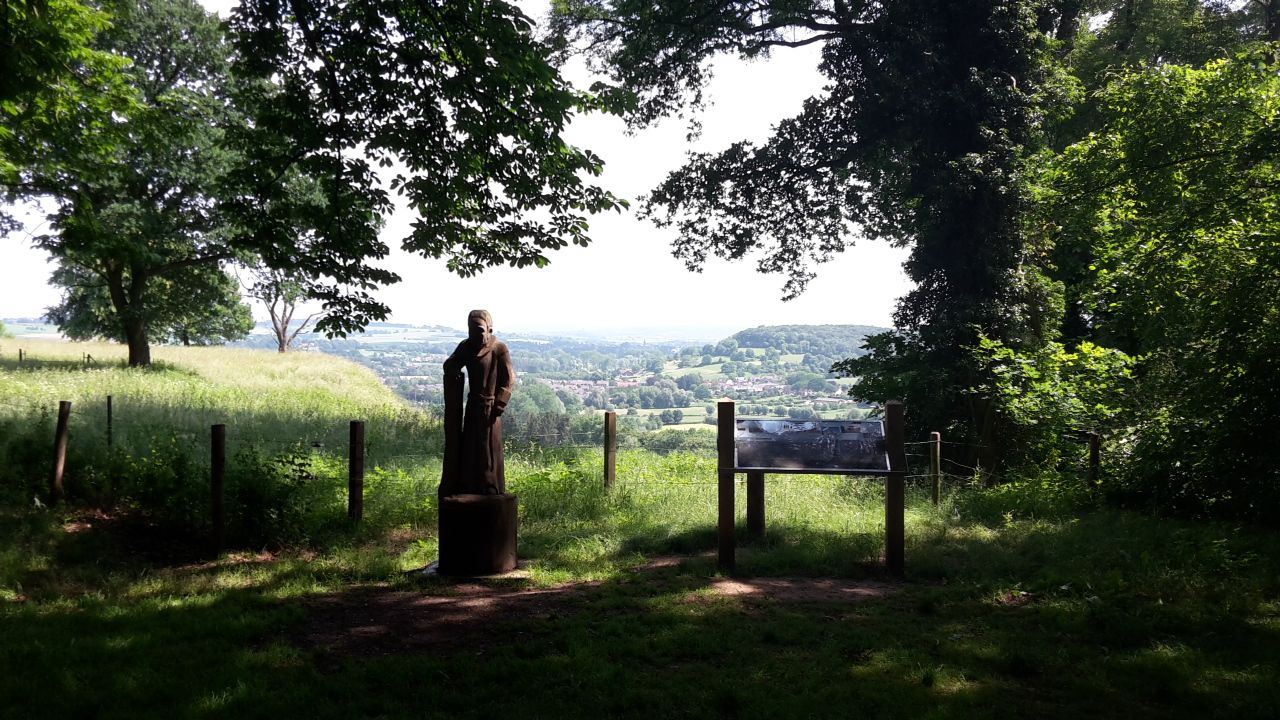
Via Coriovallum – a pilgrimage in the Dutch region of South Limburg
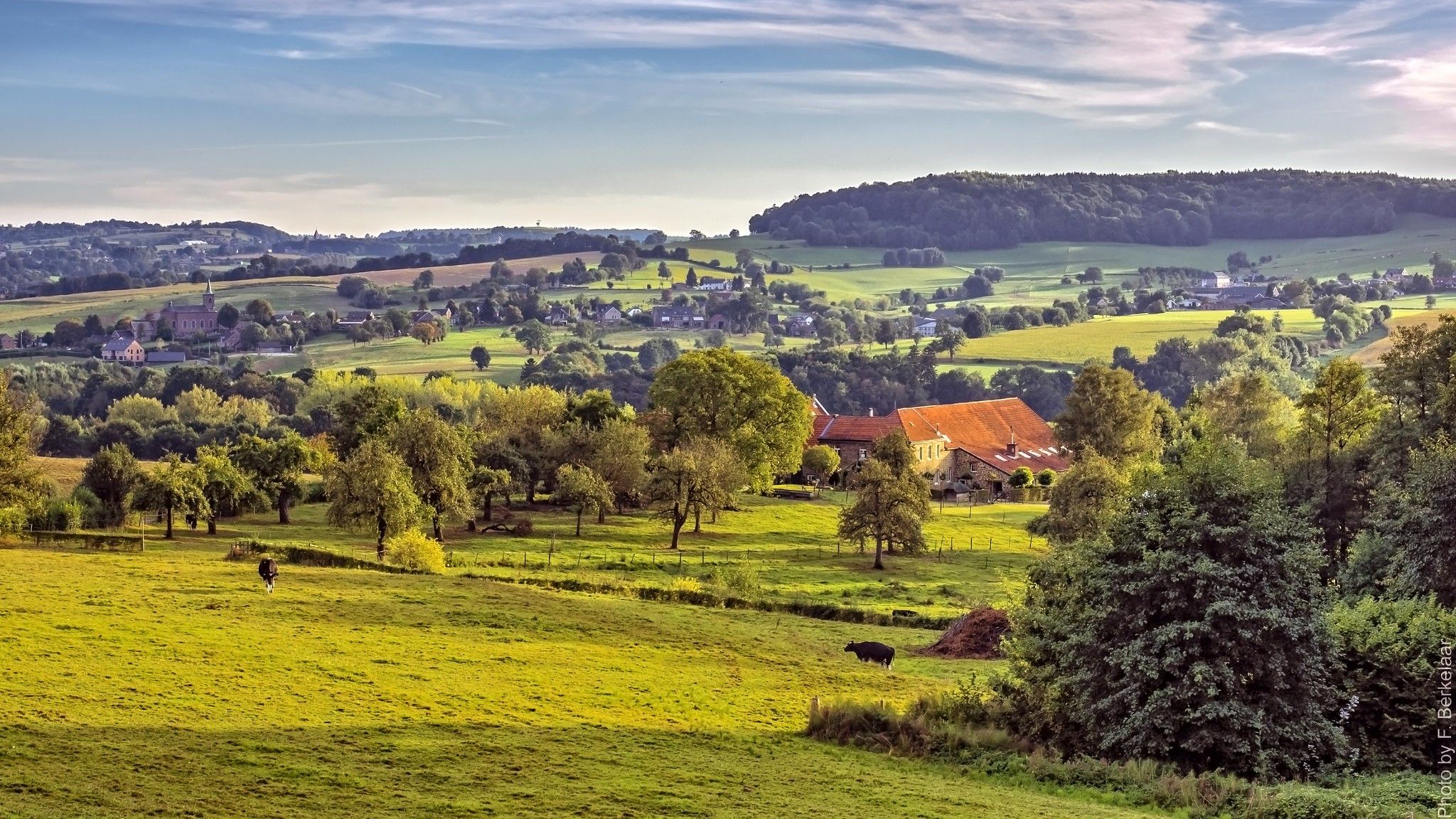
Pilgrim's Way part 2 — s-Hertogenbosch to Maastricht
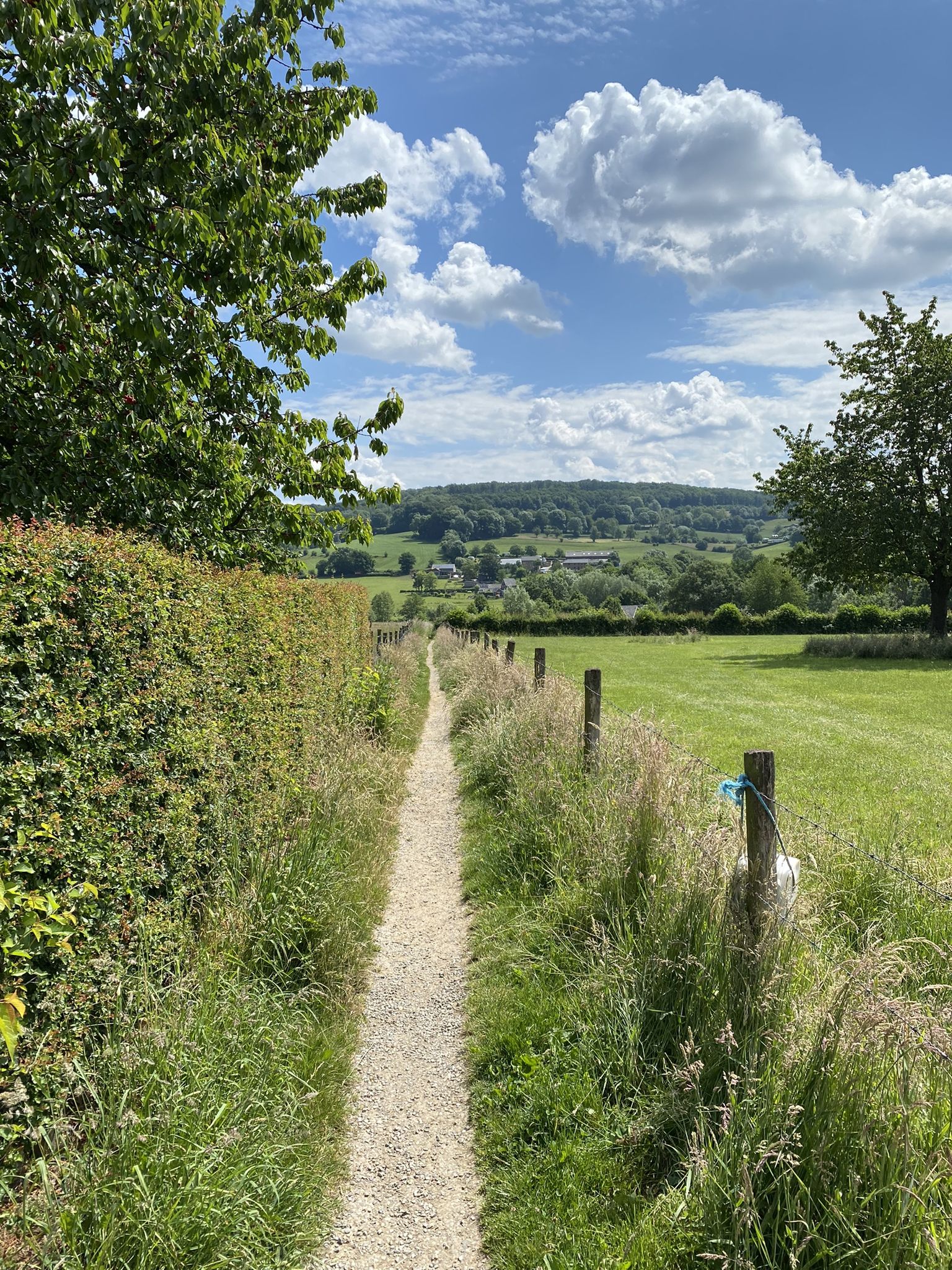
Train your calves in the rolling hills - 10 trailruns in Limburg
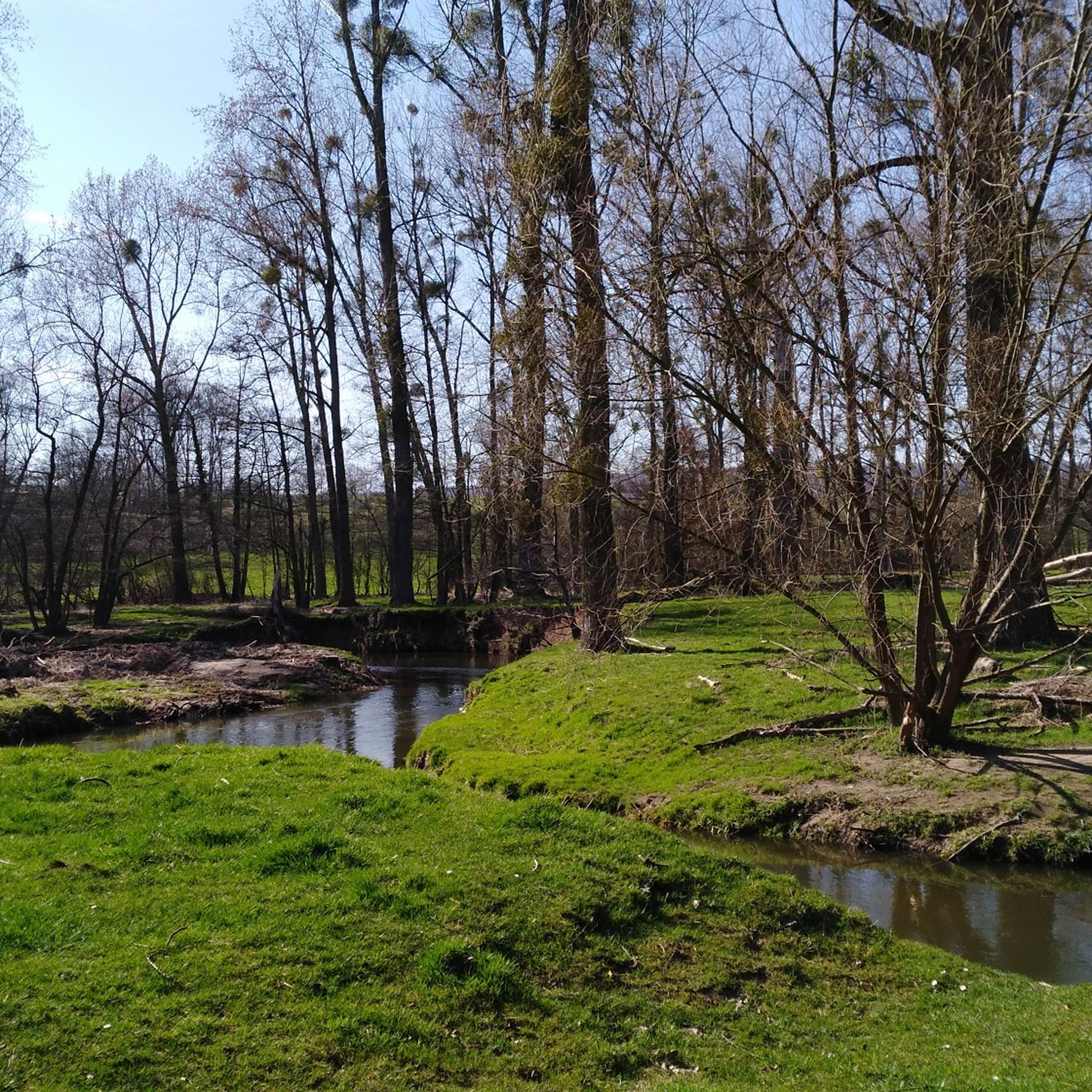
Hiking around Margraten
Cycling around Margraten
MTB Trails around Margraten
Road Cycling Routes around Margraten
Running Trails around Margraten
Gravel biking around Margraten
Mountain Hikes around Margraten
Other adventures around Margraten


Tips from the Community

The Neercanne castle is built on the original site of Roman fortifications whose caves still exist and are used as a wine cellar. In the hall, the original staircase with a railing on wide columns is still present. Weapon trophies are depicted in relief on the ceiling. Currently, the castle is used as a hotel and restaurant. The restaurant has been awarded one star by the Michelin Guide.
5
0


we tried to return to Maastricht using the Arriva bus. However, it was a small bus and only 3 seats were available. My friends walked.
1
0

Here you have a view of old marl quarries. You can see a marl wall with meadows, cows, or sheep.
1
0

In the mid-19th century, flooding from the Göhl River posed a major threat to the mine in Bleyberg/Plombières: Water repeatedly penetrated the tunnels and claimed lives. To prevent this, a diversion of part of the river was requested and approved in 1861. By 1862, a tunnel several hundred meters long was built beneath the rock, keeping the Göhl away from the mine. The construction cost approximately 200,000 francs. The tunnel is a technical monument to mining engineering from an era when hazards were deliberately controlled while simultaneously harnessing hydropower. It demonstrates how work-related accidents were prevented while simultaneously harnessing resources.
55
0

The Strooberggroeve is a Limburg marl quarry in the Dutch municipality of Eijsden-Margraten. The underground quarry is located north of Bemelen under the Bemelerberg on the north side of the mouth of the dry valley Koelbosgrub in the Meuse valley. The quarry is located on the western edge of the Plateau of Margraten in the transition to the Meuse valley. At this point, the plateau drops steeply for a few meters. https://nl.wikipedia.org/wiki/Strooberggroeve
3
0

Very nice walking route along the chateau. Beautiful panorama. With a house in the valley below that used to be the border post.
4
0

Neercanne Castle was built on the original site of Roman fortifications, the caves of which still exist and are used as wine cellars. The original staircase with a banister on wide columns is still in the hall. The ceiling features relief depictions of weapon trophies. The castle is currently in use as a hotel and restaurant.
7
0
Frequently Asked Questions
What kind of caves can I expect to find around Margraten?
The caves around Margraten are predominantly man-made marl caves, which are former underground quarries. These extensive networks, mainly found in nearby Valkenburg and Maastricht, offer unique historical, cultural, and recreational experiences, deeply intertwined with the region's geology and history.
Are there any historically significant caves in the region?
Yes, several caves boast rich histories. The Fluweelengrot in Valkenburg, for instance, originated from marl extraction for Valkenburg Castle and served as a hiding place during WWII. The Gemeentegrot, also in Valkenburg, has a long history from its geological formation to its role during wartime. The Bonsdalgroeve near Valkenburg was even converted into a secret underground factory during WWII.
Are there family-friendly caves to visit near Margraten?
Absolutely. MergelRijk in Valkenburg is highly recommended for families, offering interactive exhibits, 3D cave paintings, and the opportunity to sculpt your own marl souvenir. The Gemeentegrot in Valkenburg also offers a train ride through parts of the cave, making it suitable for all ages. The Mine entrance and Geul sinkhole — Plombières Nature Reserve is also listed as family-friendly.
What unique geological features can be found in the caves near Margraten?
The region's caves are primarily carved from marlstone, formed millions of years ago from sea creatures. At the Trichterberggroeve Limestone Quarry, you can observe 'geological organ pipes' where limestone has been dissolved by rainwater. The Strooberg Quarry in the Bemelerberg features a marl wall that forms a protected habitat and is surrounded by chalk grasslands with rare plant species.
What is the best time of year to visit the caves around Margraten?
Most caves are open year-round. The temperature inside remains a constant 12 degrees Celsius, making them a comfortable visit in any season. During the Christmas period, the Fluweelengrot and Gemeentegrot in Valkenburg transform into enchanting underground Christmas markets, offering a unique seasonal experience. However, some caves like the Bonsdalgroeve are closed from October to mid-May as they serve as bat hibernation sites.
What should I wear when visiting the caves?
Given the constant temperature of around 12 degrees Celsius inside the caves, it's advisable to wear layers, even on a warm day. Comfortable walking shoes are also recommended as you'll be exploring underground passages.
Can I explore caves without a guide near Margraten?
While many of the larger, more popular caves like the Fluweelengrot and Gemeentegrot offer guided tours for safety and historical context, attractions like MergelRijk provide audio tours, allowing you to explore at your own pace. Some smaller, less developed quarries might be accessible, but it's always best to check local regulations and safety guidelines.
Are there any caves that offer unique dining experiences?
Yes, Château Neercanne near Maastricht offers a distinct experience where its marl caves are used as wine cellars and for unique dining. This location combines historical architecture and scenic beauty with a gourmet experience in an unusual setting.
What outdoor activities can I do near these caves?
The region around Margraten offers a variety of outdoor activities. You can explore MTB Trails, go on Mountain Hikes, or enjoy Road Cycling Routes. For example, the Geulhemmerberg is a popular climb for cyclists, and the surrounding chalk grasslands are great for hiking.
Are there any caves that served as shelters or hiding places?
Yes, the caves in this region have a history of providing refuge. The Fluweelengrot in Valkenburg served as a hiding place for locals and American troops during World War II. Similarly, the extensive networks of the Caves Zonneberg & North Caves Maastricht Underground were used as shelters during WWII and for hiding valuable artworks.
What is the Däölkesberg Abri?
The Däölkesberg Abri, located directly in Margraten, is a special cavity with an overhanging wall. It's considered a limestone rock shelter and may have once sheltered prehistoric inhabitants, with flint tool discoveries leading to archaeological investigations. It is managed by Natuurmonumenten and is likely the oldest 'building' under their care.
Are there any active marl quarries I can see?
While most caves are former quarries, Groeve 't Rooth near Margraten is an active marl quarry. It has created a unique landscape that can be experienced from its edge, showcasing the ongoing process of marl extraction.
Most popular routes around Margraten
Most popular attractions around Margraten

Get inspired with the komoot mobile app


Explore more
Extend your search for the best caves by checking out these guides of the top ones around Margraten:
