The best running trails around Meerssen
4.2
(50)
3,510
runners
147
runs
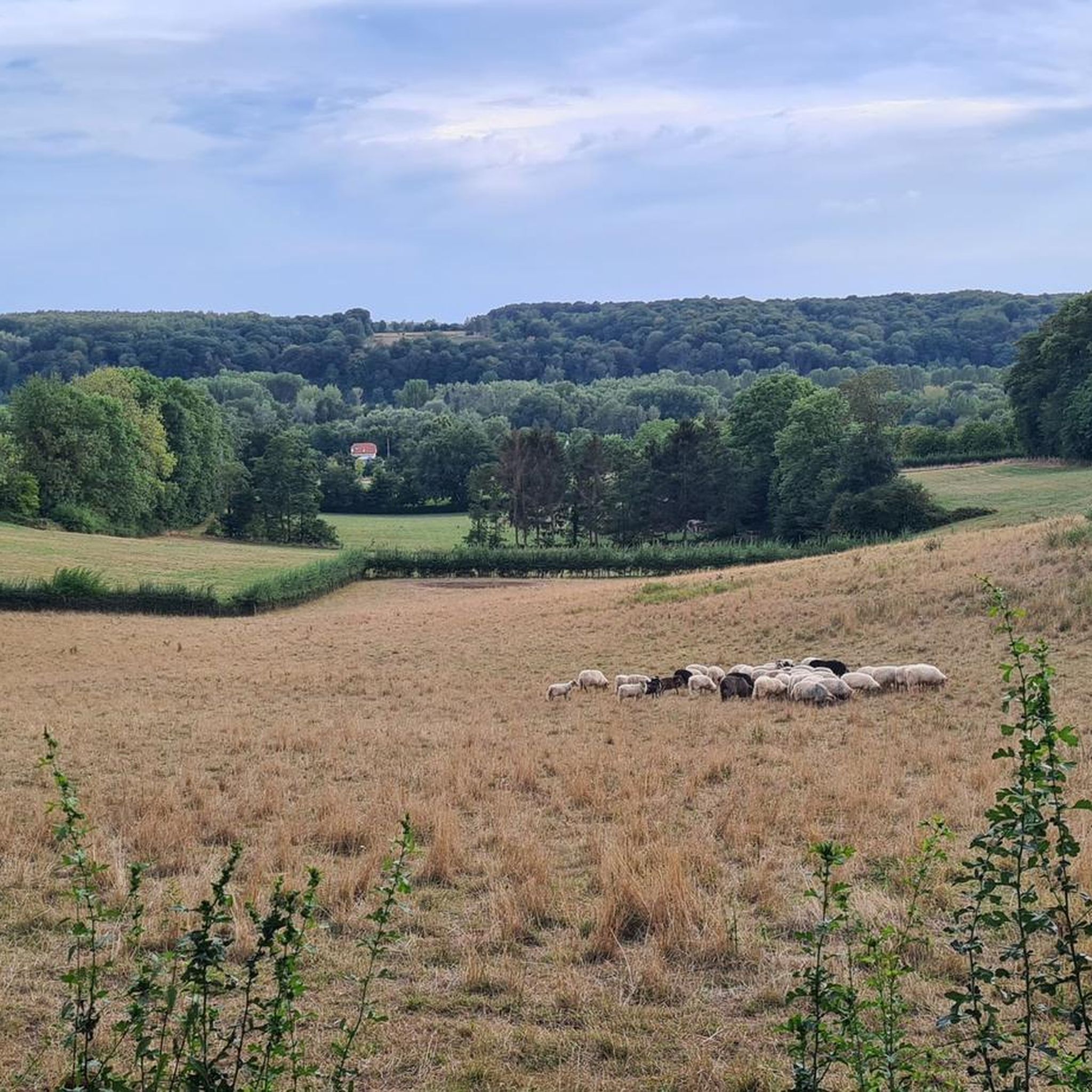
Jogging around Meerssen offers diverse terrain, from challenging hills to serene river valleys, making it an excellent destination for outdoor activities. The region is characterized by undulating hills, dense forests like the Bunderbos, and picturesque river valleys of the Geul and Maas. Runners can explore routes through nature reserves, past ancient vineyards, and alongside unique marl quarries. This varied landscape provides a range of running experiences for different fitness levels.
Best jogging routes around Meerssen
- The most popular jogging route…
Last updated: October 7, 2026
4.8
(4)
716
runners
25.9km
02:55
450m
450m
Hard run. Very good fitness required. Mostly accessible paths. Some sure footedness required.
4.5
(2)
176
runners
11.6km
01:13
110m
110m
Moderate run. Good fitness required. Mostly paved surfaces. Suitable for all skill levels.

4.5
(2)
158
runners
Moderate run. Good fitness required. Mostly paved surfaces. Suitable for all skill levels.
115
runners
13.0km
01:21
50m
50m
Moderate run. Good fitness required. Mostly paved surfaces. Suitable for all skill levels.
86
runners
Moderate run. Good fitness required. Mostly paved surfaces. Suitable for all skill levels.
Get access to more routes and recommendations from other explorers.
Already have an account?
Our route recommendations are based on thousands of hikes, rides, and runs completed by other people on komoot.
Start today with a free account
Your next adventure awaits.

Tips from the Community

Imposing structure with beautiful colorful windows
0
0

Aß er das F es F es er g F rh a f es frw g Asse wer war
0
0

The octagonal Gloriette stands on a small hill and was built on behalf of Amadeus Stevens.
3
0

If you are looking for bunkers in or near Meerssen (South Limburg), you are probably interested in the Bonsdalgroeve. Although this is officially an underground marl quarry, the entrance is marked by a striking concrete Nazi bunker. During World War II, a secret factory was set up deep underground here for the overhaul of aircraft engines for the German Luftwaffe. The location has been open to the public since mid-2025 via guided tours Source/info: https://www.exploremaastricht.nl/bonsdalgroeve Viewing see link
1
0


The Basilica of Meerssen, officially the Basilica of the Holy Sacrament and the Apostle Bartholomew, is a historically and religiously significant church building located on the Markt square in the central village of Meerssen. It is an impressive example of Maas Gothic architecture and is considered one of the most important churches of this style in the Netherlands. The basilica's history goes back a long way. As early as the beginning of the Middle Ages (around the 8th/9th century), a Palatine chapel stood on this site. This chapel was later expanded into a larger Romanesque church, possibly due to the influence of princely occupation at the time. In the 14th century, the church was further expanded into a Gothic cruciform basilica with a robust nave, choir, and large tower, features that still dominate the building today. In 1938, Pope Pius XI elevated the church to a minor basilica, an honorary title indicating the building's special significance for the Catholic Church and pilgrims. The basilica is best known for two legendary events that made Meerssen a place of pilgrimage for centuries. In 1222, the so-called Miracle of the Blood took place here. During a Eucharist celebration, the priest forgot to put water and wine in the chalice, and after prayer, water and blood flowed from the host when it was broken, an event that attracted thousands of pilgrims. Later, in 1465, a second miracle was commemorated when a farmer rescued the monstrance from a burning church and, upon returning to his field, found it plowed as if by angels. This, too, was seen as a sign of divine protection and was commemorated annually. Architecturally, the basilica combines Gothic elements with later extensions and restorations. Around 1936–1938, the west side was enlarged by architect Joseph Cuypers. A special feature of the art treasures are the 20th-century stained-glass windows that add color and atmosphere to the interior. The basilica is part of Meerssen's cultural heritage and has been listed as a national monument since 1967 due to its architectural history and cultural significance. Every year, the basilica still attracts pilgrims and visitors, especially during the Octave of Corpus Christi around Corpus Christi Day, when processions and celebrations take place to commemorate the miracles and devotion to the Blessed Sacrament.
0
0
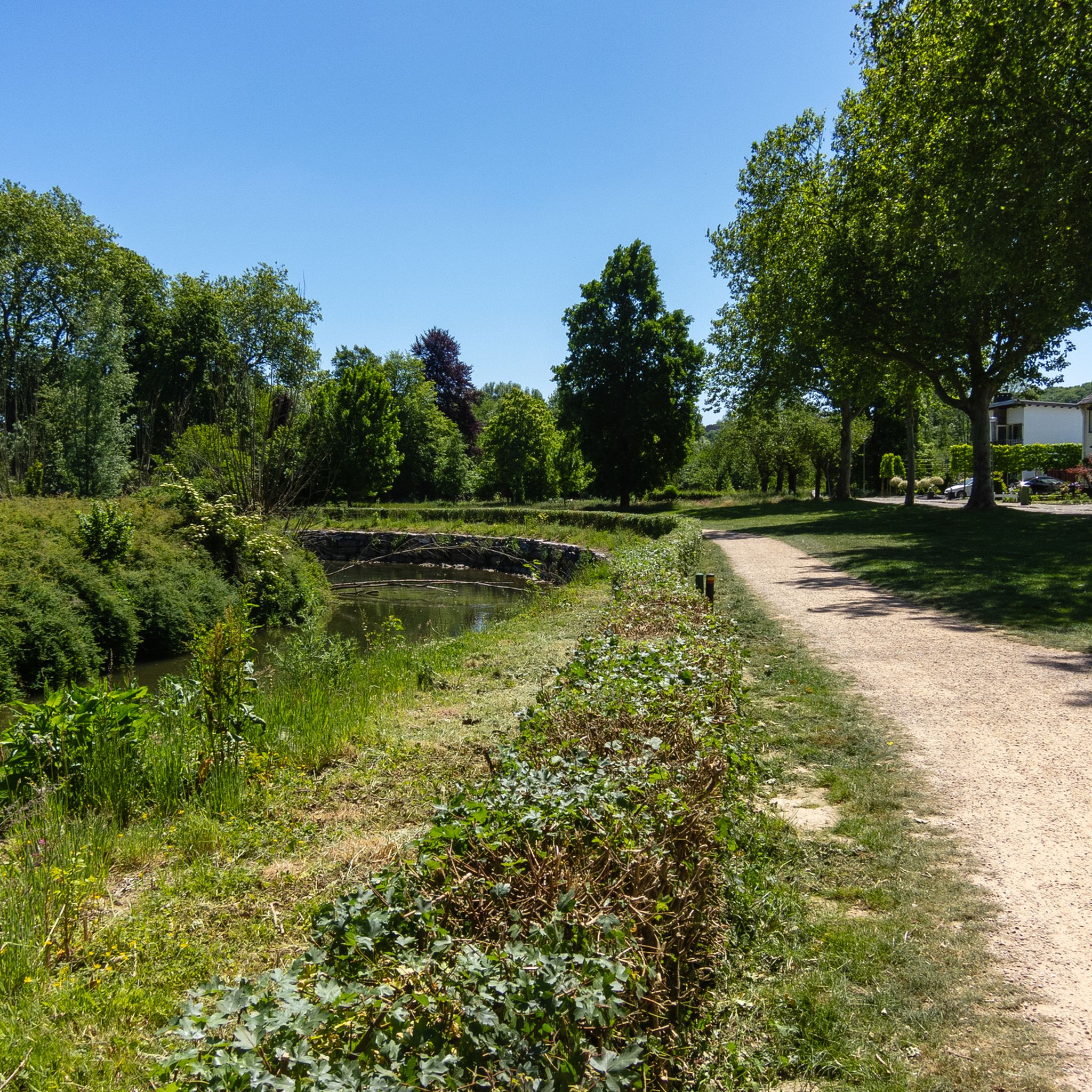
Proosdijpark is a charming city park in the heart of Meerssen that beautifully combines nature, history, and culture. Built on historic grounds, the park offers winding paths, mature trees, ponds, and open lawns that exude peace and relaxation. Visitors can enjoy various works of art and structures, such as the Gloriëtte de Folly Bridge and sculptures that subtly reference the area's rich history. The combination of greenery, water features, and culture makes the park particularly photogenic, especially in spring when flowers bloom or in autumn when the foliage bathes the park in warm colors.
0
0
Proosdijpark is a charming city park in the center of Meerssen, inviting visitors to enjoy relaxing walks and the experience of nature and culture. Situated on historic grounds, the park has been carefully maintained over time, with mature trees, winding paths, and open lawns offering peace and tranquility. The park features various walking paths, small bridges over water features and ponds, and artworks such as the Gloriëtte Folly Bridge and various sculptures that give the park character and cultural-historical value. It is a place where nature and human creativity converge.
0
0
Frequently Asked Questions
How many running routes are available in Meerssen?
Meerssen offers a wide variety of running experiences, with over 120 routes available. These range from easy, flat paths to more challenging trails with significant elevation changes, catering to all fitness levels.
What kind of terrain can I expect on running trails around Meerssen?
Runners in Meerssen can expect a diverse landscape. The region is known for its undulating hills, dense forests like the Bunderbos (the steepest hillside forest in the Netherlands), and serene river valleys along the Geul and Maas. You'll find paths through nature reserves, past ancient vineyards, and alongside unique marl quarries, offering a varied and engaging experience.
Are there any easy or beginner-friendly jogging routes in Meerssen?
Yes, Meerssen has options for beginners and those seeking an easier run. There are 11 easy routes and 90 moderate routes. For a pleasant, less strenuous run, consider routes that wind through parks or along river valleys, such as the paths in Proosdijpark.
What are some notable landmarks or natural features I can see while running in Meerssen?
Meerssen's routes offer many points of interest. You can run past the historic Historic Center of Valkenburg, explore the unique Curfsgroeve (Marl Quarry), or enjoy the elegant Proosdijpark with its ancient trees and the flowing Watervalderbeek brook. The region also features several castles like Schaloen Castle and Château Neercanne, and scenic climbs such as Cauberg Climb.
Are there family-friendly running routes in Meerssen?
Many routes in Meerssen are suitable for families, especially those that are less challenging and pass through parks or along gentle river paths. The Proosdijpark, Meerssen – Genzonweg loop from Meerssen is a moderate 11 km path that winds through the elegant Proosdijpark, which is ideal for a family outing.
Can I bring my dog on the running trails in Meerssen?
Meerssen is generally dog-friendly, with many trails suitable for running with your canine companion. However, specific rules may apply in nature reserves like De Dellen and Meerssenerbroek, or in protected areas. It's always best to keep your dog on a leash and check local signage for any restrictions, especially concerning wildlife protection.
What is the best time of year for running in Meerssen?
Meerssen is beautiful year-round, but spring and autumn are particularly popular for running. In spring, the Bunderbos forest boasts rich and rare flora, while autumn offers stunning foliage. The varied terrain means you can find pleasant routes even in summer or winter, though some trails might be muddy after rain or require appropriate gear in colder months.
Are there circular running routes available in Meerssen?
Yes, many of the running routes in Meerssen are circular, allowing you to start and end at the same point. This is convenient for runners who drive to the starting point. An example is the Geulhem Cave Dwellings – Marl Cliff along the Geul loop from Meerssen, which offers a scenic circular experience.
Where can I find parking for running routes in Meerssen?
Parking is generally available near popular starting points for running routes. For instance, you can often find parking close to the Basilica of Meerssen, Proosdijpark, or near the Curfsgroeve. Specific parking information can often be found on individual route descriptions or local tourism websites like tourismmeerssen.com.
Are there any cafes or pubs near the running trails in Meerssen?
Yes, Meerssen offers several charming spots to refuel after your run. The town center has various cafes and pubs. Additionally, some routes might pass by establishments like Brasserie Bie de Groeve, offering convenient stops for refreshments. The Proosdijpark also features the historic Gloriëtte tea house, perfect for a post-run treat.
What do other runners enjoy most about jogging in Meerssen?
The running routes in Meerssen are highly rated by the komoot community, with an average score of 4.3 stars from over 60 reviews. Runners often praise the region's diverse and picturesque landscapes, from challenging hills to serene river valleys, and the extensive network of trails that cater to various fitness levels. The combination of natural beauty and historical sites is frequently highlighted.
How can I reach the running trails in Meerssen using public transport?
Meerssen is accessible by public transport, making it convenient to reach many trailheads. The town has a train station, and local bus services connect to surrounding areas. You can plan your journey to Meerssen and then use local transport or walk to the starting points of various running routes, such as the Genzonweg – Basilica of Meerssen loop from Maastricht Aachen Airport.
Most popular routes around Meerssen
Most popular attractions around Meerssen

Get inspired with the komoot mobile app


Explore more
Browse the best Running Trails & Routes in other regions.
