Top 20 Castles around Roerdalen
Best castles around Roerdalen are found in the Dutch province of Limburg, a region known for its picturesque landscapes and historical significance. The area features a mix of impressive castle ruins and restored estates, some of which now serve as hotels or event venues. Roerdalen's natural surroundings, including proximity to Meinweg National Park, offer opportunities for outdoor activities like hiking and cycling. This combination of history and nature makes the region a destination for exploring historical sites and natural features.
…Last updated: August 17, 2026
Brüggen Castle
Highlight • Castle
In addition to a public toilet facility, there is a …
Translated by Google •
Tip by

Tüschenbroich Castle
Highlight • Castle
Translated by Google •
Tip by

Sign up now to discover places like this
Get recommendations on the best single tracks, peaks, & plenty of other exciting outdoor places.
Sign up for free
Historic Old Town of Brüggen
Highlight • Historical Site
Translated by Google •
Tip by

Brüggen Mill
Highlight • Historical Site
Translated by Google •
Tip by

Tüschenbroich Castle and Tüschenbroich Mill
Highlight (Segment) • Castle
Translated by Google •
Tip by

Sign up for free to discover even more castles around Roerdalen.
Sign up for free
Already have an account?
Start today with a free account
Your next adventure awaits.
Login or Signup
Popular around Roerdalen
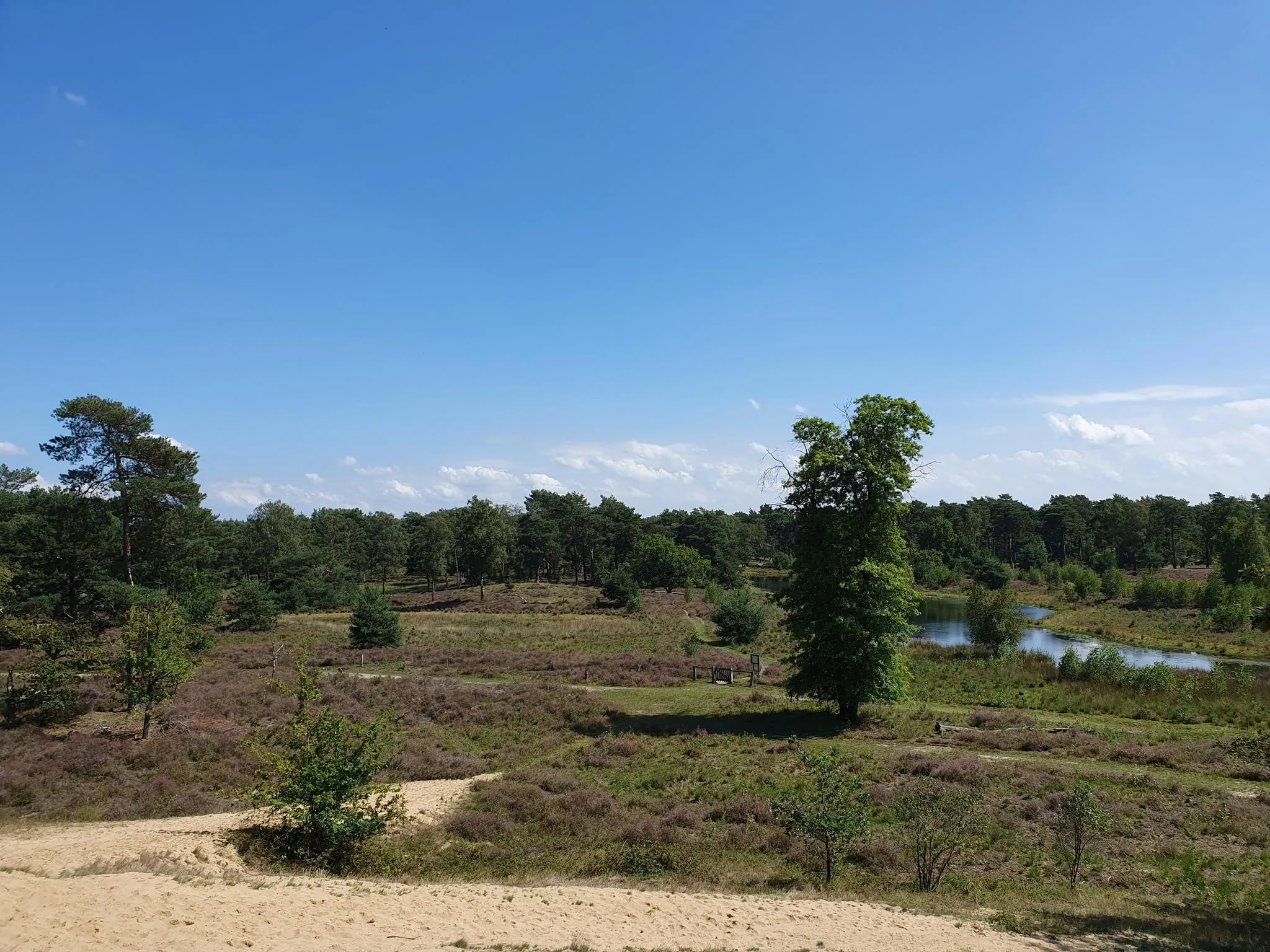
The Maas-Niederrhein Trail - Cross-border hiking in 19 stages
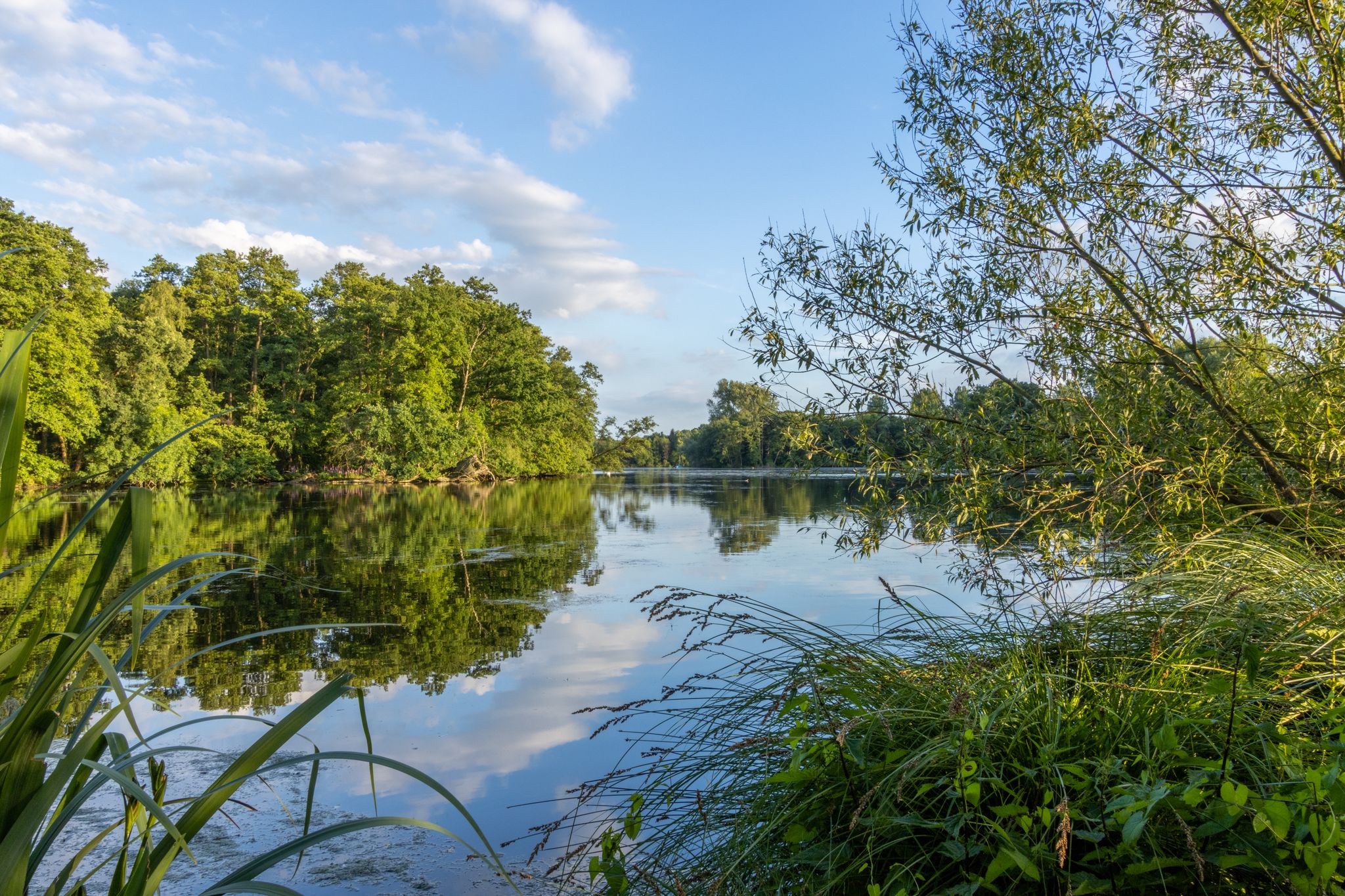
Water.Hike.World. - Premium Hiking Trails
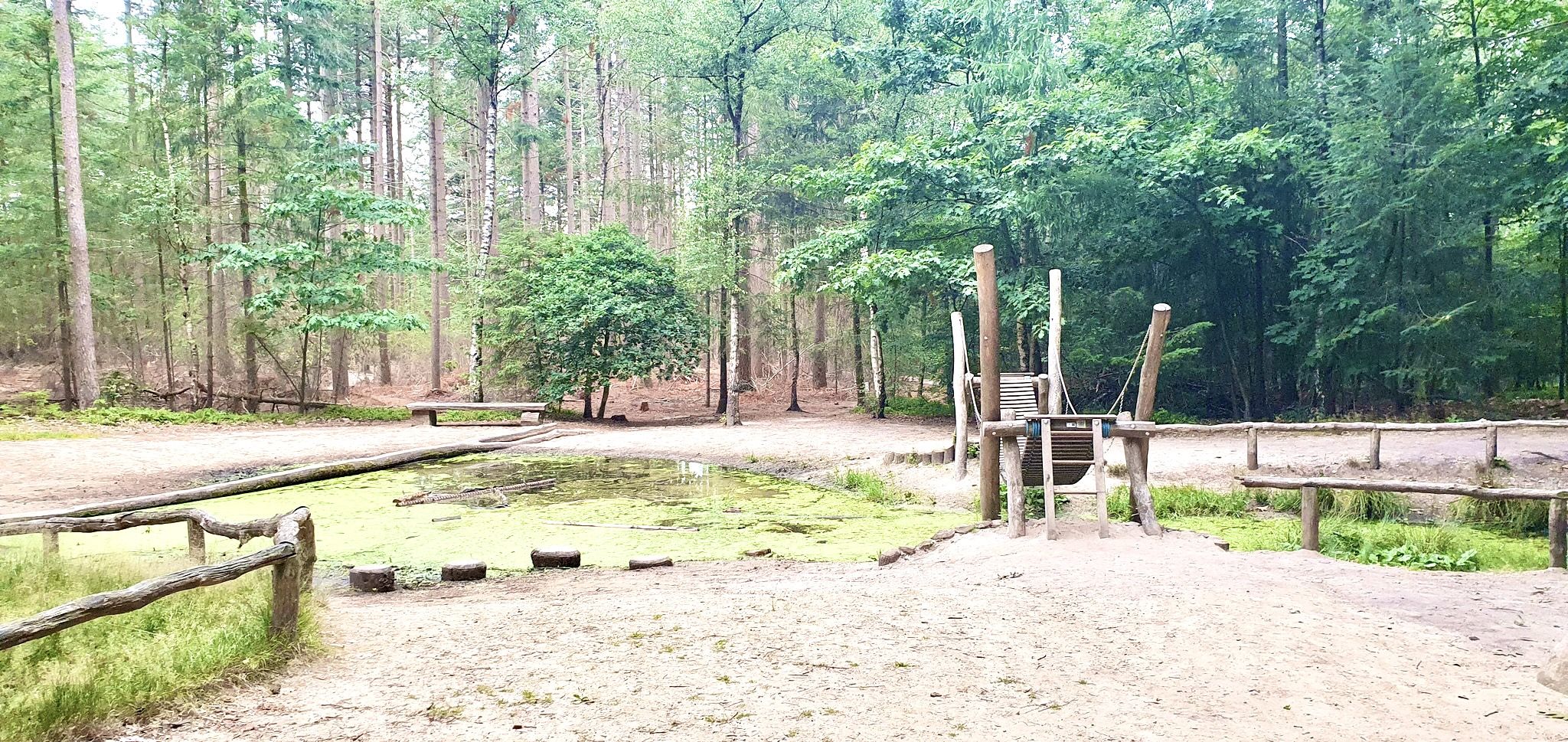
Romping in nature – 20 walks around play forests
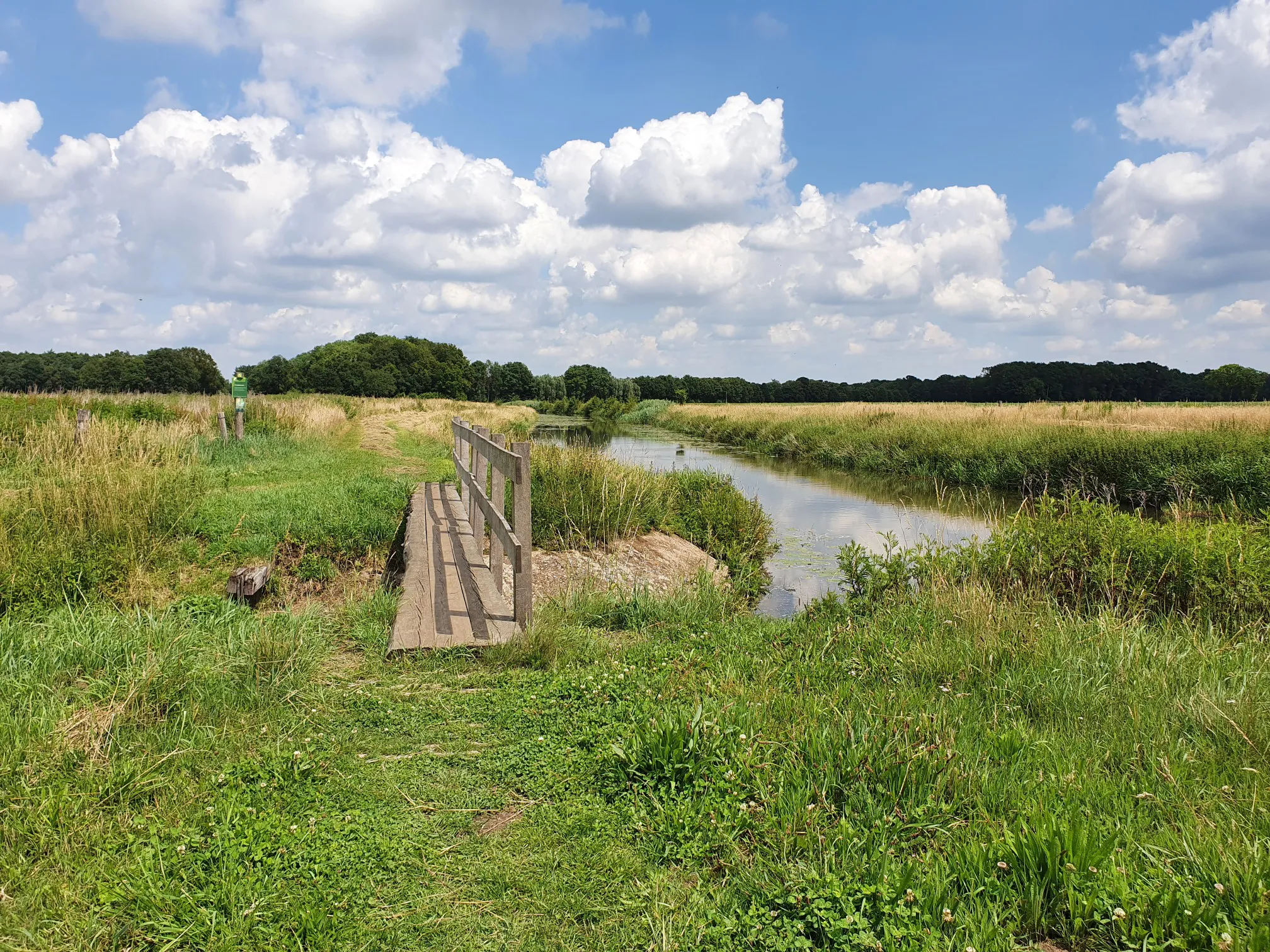
Peat houses and canals – 5 hikes in the Netherlands
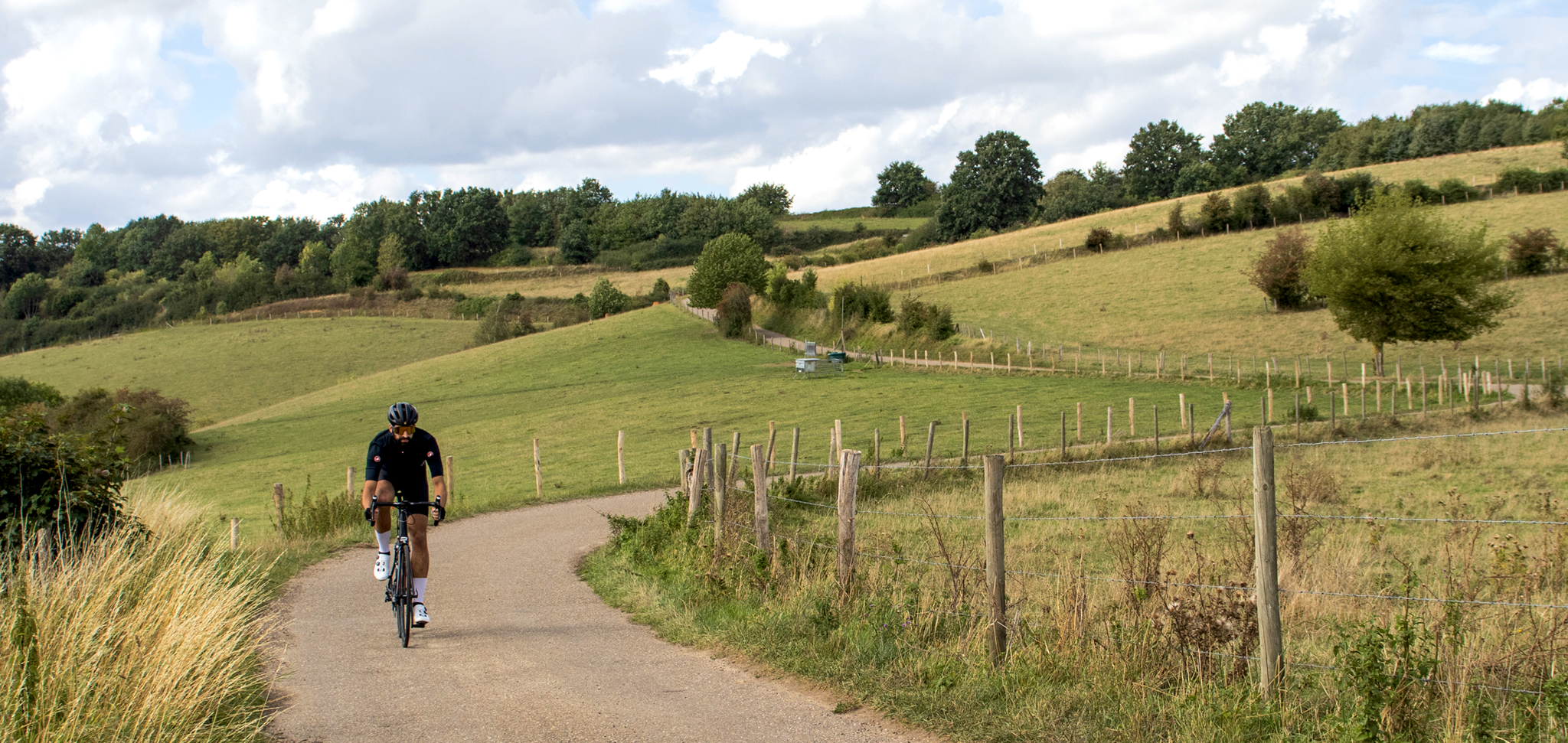
Cross-border cycling in South Limburg – the alternative routes
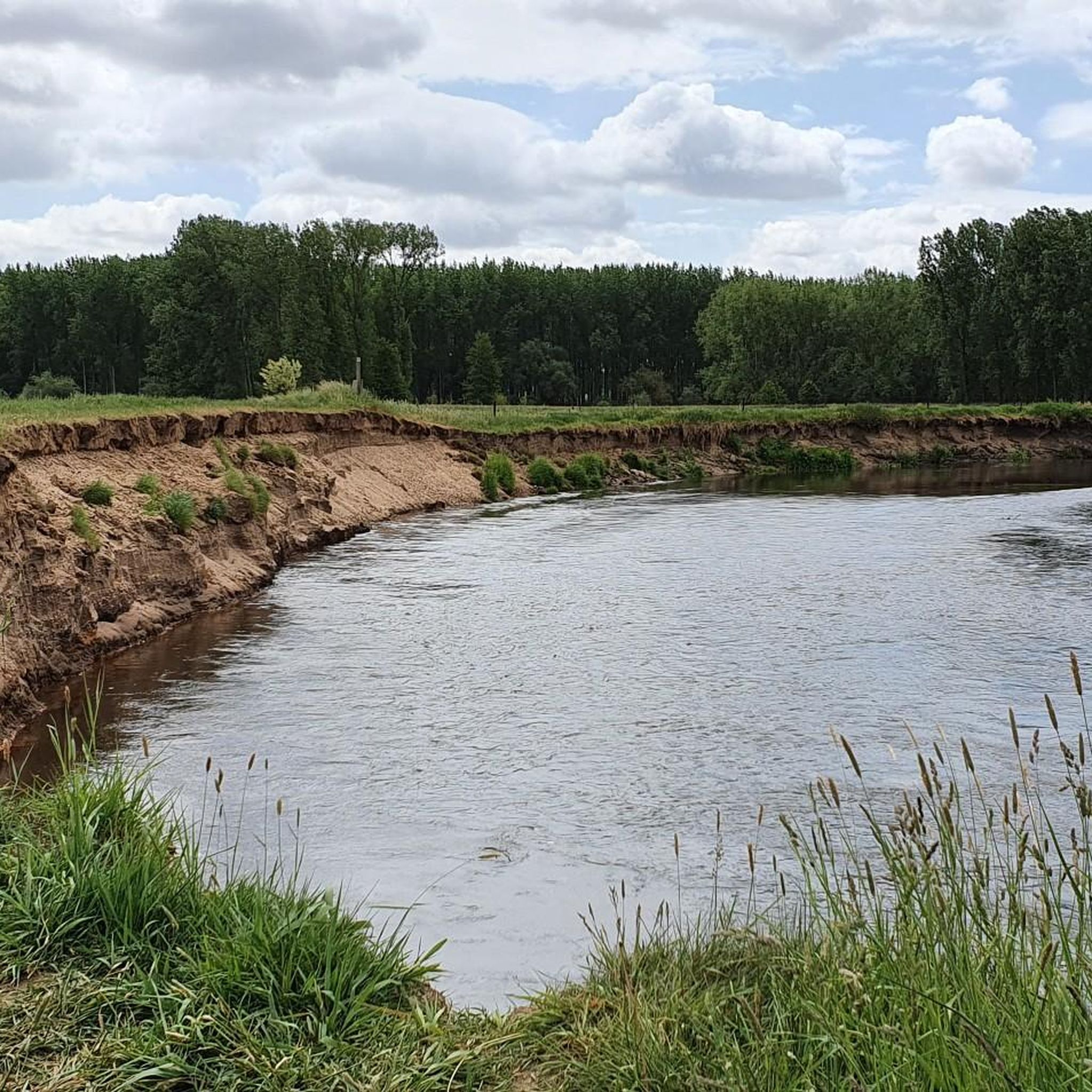
Hiking around Roerdalen
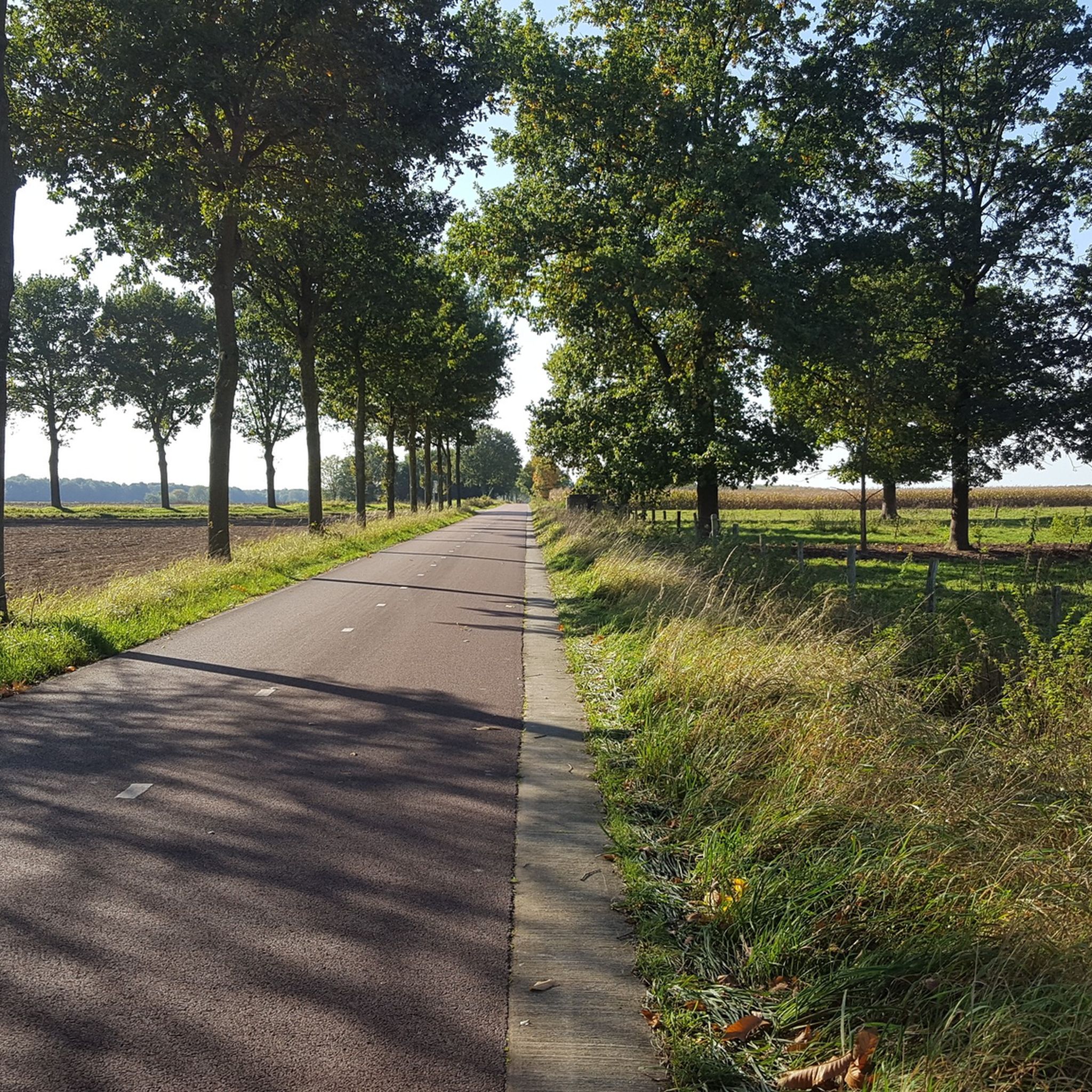
Cycling around Roerdalen
MTB Trails around Roerdalen
Gravel biking around Roerdalen
Running Trails around Roerdalen
Other adventures around Roerdalen


Tips from the Community

Always worth a visit
7
0

There was no room available today
6
0

Classically beautiful and touristy castle town. Known nationally and correspondingly well attended.
5
1
Always worth seeing; 👍
4
1
Idyllic location and excellent cuisine.
8
0
The historical nucleus was the motte, now overgrown with trees, located in the middle of the mill pond. This motte, Tüschenbroich (an archaeological site on an island in the middle of the castle pond, probably separated from the mainland by a moat), was built as a moated castle and first mentioned in documents in 1172 as Thuschinbroc. The buildings burned down during the Thirty Years' War. Tüschenbroich belonged to Wassenberg and later to the Duchy of Jülich. In 1624, Franz von Spiering bought the war-damaged Tüschenbroich for 24,200 Reichstalers. He had the complex rebuilt as a baroque palace complex made of brick. The "Codex Welser," an illustrated inventory of all knightly fiefdoms in the Duchy of Jülich, shows both the main castle island and the outer bailey, parts of which are still preserved today, which later (after being destroyed) became the main castle. Tüschenbroich Castle seen from the motte. The castle was repaired in 1876 after being severely damaged in a storm. Tüschenbroich Castle is now privately owned.
7
0

The Tüschenbroicher Castle is located on the site of a former medieval fortification, a so-called moth. Tüschenbroich Castle in its current form dates from the 17th and 18th centuries. After the property was acquired by Franz Freiherr von Spiering, he had the former outer bailey converted into a palace according to his plans, which is now privately owned and can only be visited by appointment. The castle complex also includes a historic oil mill from the 18th century and a former grain mill, which is located on the opposite bank of the castle pond and now houses a restaurant. Also worth seeing is the baroque Ulrichskapelle, which is located in the Tüschenbroicher Forest and was built in the 17th century. The area around the castle with the local recreation area Tüschenbroicher Wald is a popular destination today. Whether cyclists, hikers or families in summer, everyone will find relaxation from the hustle and bustle of the big city. Source: https://kuhpfad.de/niederrhein-historische-bauwerke/burgen-schloesser-herrenhaeuser/wegberg-schloss-tueschenbroich/
8
1
The historical nucleus was the Motte, which is now overgrown by trees and located in the middle of the Mühlweiher. This motte Tüschenbroich (ground monument on an island in the middle of the castle pond, probably separated from the mainland by a ditch) was built as a moated castle and was first mentioned in documents in 1172 as Thuschinbroc. The buildings burned down during the Thirty Years' War. Tüschenbroich belonged to Wassenberg and later to the Duchy of Jülich. In 1624, Franz von Spiering bought Tüschenbroich, which had been destroyed in the war, for 24,200 Reichstaler. He had the complex rebuilt as a baroque palace complex in brick construction. The "Codex Welser", an illustrated inventory of all knightly fiefdoms in the Duchy of Jülich, from 1720 shows both the main castle island and the outer bailey complex, which is still partially preserved today and later mutated into the main castle after being destroyed.
8
1
Frequently Asked Questions
What are some of the most historically significant castles in Roerdalen?
Roerdalen is rich in history. Kasteel Montfort, dating back to approximately 1260, was once one of the largest castles in the Netherlands and now stands as an impressive ruin with restored towers and 14th-century cellars. Brüggen Castle also has a long history, with some of its former fortifications and casemates still visible and explorable.
Are there castles in Roerdalen that offer unique natural surroundings or gardens?
Yes, Tüschenbroich Castle is part of a unique ensemble that includes a restaurant, a pond, a medieval motte, and an oil mill, all set within a picturesque local area. Kasteel Aerwinkel, built in 1854, features a special 7-hectare English landscape garden, part of the European Garden Heritage Network, boasting over 500 different species of shrubs and trees, ideal for tranquil walks.
Can I stay overnight in a castle in Roerdalen?
Yes, Kasteel Daelenbroeck in Herkenbosch has been transformed into a unique castle hotel. It offers luxurious split-level suites and rooms, maintaining its historical ambiance with original barrel vaults and a knight's hall, combined with modern comfort.
What kind of outdoor activities can I do near the castles in Roerdalen?
The region around Roerdalen's castles is excellent for outdoor activities. You can find numerous running trails, such as 'The Turfkoelen Pond in Roerdal' or 'De Meinweg National Park', and various cycling routes like 'Meuse River near Wessem' or 'Cycle Path Along the Schwalm'. For more details and routes, check out the Running Trails around Roerdalen, Road Cycling Routes around Roerdalen, and Cycling around Roerdalen guides.
Are there family-friendly castles to visit in Roerdalen?
Many castles and historical sites in the Roerdalen area are considered family-friendly. Brüggen Castle and Tüschenbroich Castle are both highlighted as suitable for families. Kasteel Montfort also offers a visitor center and the chance to explore ruins, which can be engaging for children.
Are there options for dining or refreshments near the castles?
Yes, several castles and nearby areas offer dining options. Brüggen Mill, also known as Burgmühle, has housed a restaurant since 1955. Kasteel Daelenbroeck, as a hotel, features a restaurant and brasserie focusing on local ingredients. Kasteel Aerwinkel has 'De Gasterij,' a converted tithe barn where visitors can enjoy coffee and small dishes.
What is the best time of year to visit the castles in Roerdalen?
The castles in Roerdalen can be enjoyed year-round. Spring and summer offer pleasant weather for exploring gardens and outdoor ruins, while autumn provides beautiful foliage. Some estates, like Kasteel Frymerson, host special events such as a festive Christmas market in December, adding a unique charm to winter visits.
Are there any castles in Roerdalen that are not open to the public?
Yes, Kasteel het Steenen Huys in Vlodrop, while historically significant, is currently a private residence and not accessible for public visits. Kasteel Frymerson also maintains its residential character but opens its doors for special occasions like weddings and its Christmas market.
What do visitors particularly enjoy about the castles in Roerdalen?
Visitors appreciate the blend of history and natural beauty. They enjoy exploring ancient fortifications, walking through picturesque castle gardens, and experiencing the unique ambiance of properties like Brüggen Castle with its well-preserved knife tower and casemates. The scenic views and the opportunity to combine castle visits with hiking or cycling are also highly valued.
Can I explore castle ruins in Roerdalen?
Absolutely. Kasteel Montfort is an impressive ruin where you can explore restored corner towers, large basement rooms, and even a prison dungeon. It offers a tangible connection to the region's medieval past.
Are there cycling routes that pass by castles in Roerdalen?
Yes, the Roerdalen area is very cyclist-friendly. Many cycling routes, including those listed in our Cycling around Roerdalen guide, will take you through scenic landscapes and past various castles and historical sites. For example, routes near Herkenbosch and Vlodrop offer opportunities to cycle by these historic landmarks.
Are dogs allowed at the castles in Roerdalen?
While specific policies vary by castle, many outdoor areas and walking paths around the castles in Roerdalen are dog-friendly. It's always best to check the specific rules for each location, especially for indoor access or gardens, but generally, the surrounding natural areas are welcoming to dogs on a leash.
What are the parking options when visiting castles in Roerdalen?
Parking availability varies by castle. For example, Tüschenbroich Castle has a parking lot that serves as a starting point for hikes and bike rides. Many castles, especially those that are now hotels or event venues, offer dedicated parking. For smaller or more remote sites, street parking or nearby public lots may be available.
Most popular routes around Roerdalen
Most popular attractions around Roerdalen

Get inspired with the komoot mobile app


Explore more
Looking for the best castles somewhere else? Discover other guides around Roerdalen:
