The best walks and hikes around Roermond
4.3
(1274)
6,346
hikers
207
hikes
Hiking around Roermond offers diverse landscapes, including protected natural areas and expansive water features. The region is characterized by forests, heathlands, fens, and stream valleys, particularly within National Park De Meinweg. The flat terrain around the Maasplassen provides opportunities for walks along the shores, while the wider area features a network of trails through varied natural settings. This blend of environments supports a comprehensive network of walking routes for different preferences.
Best hiking trails around Roermond
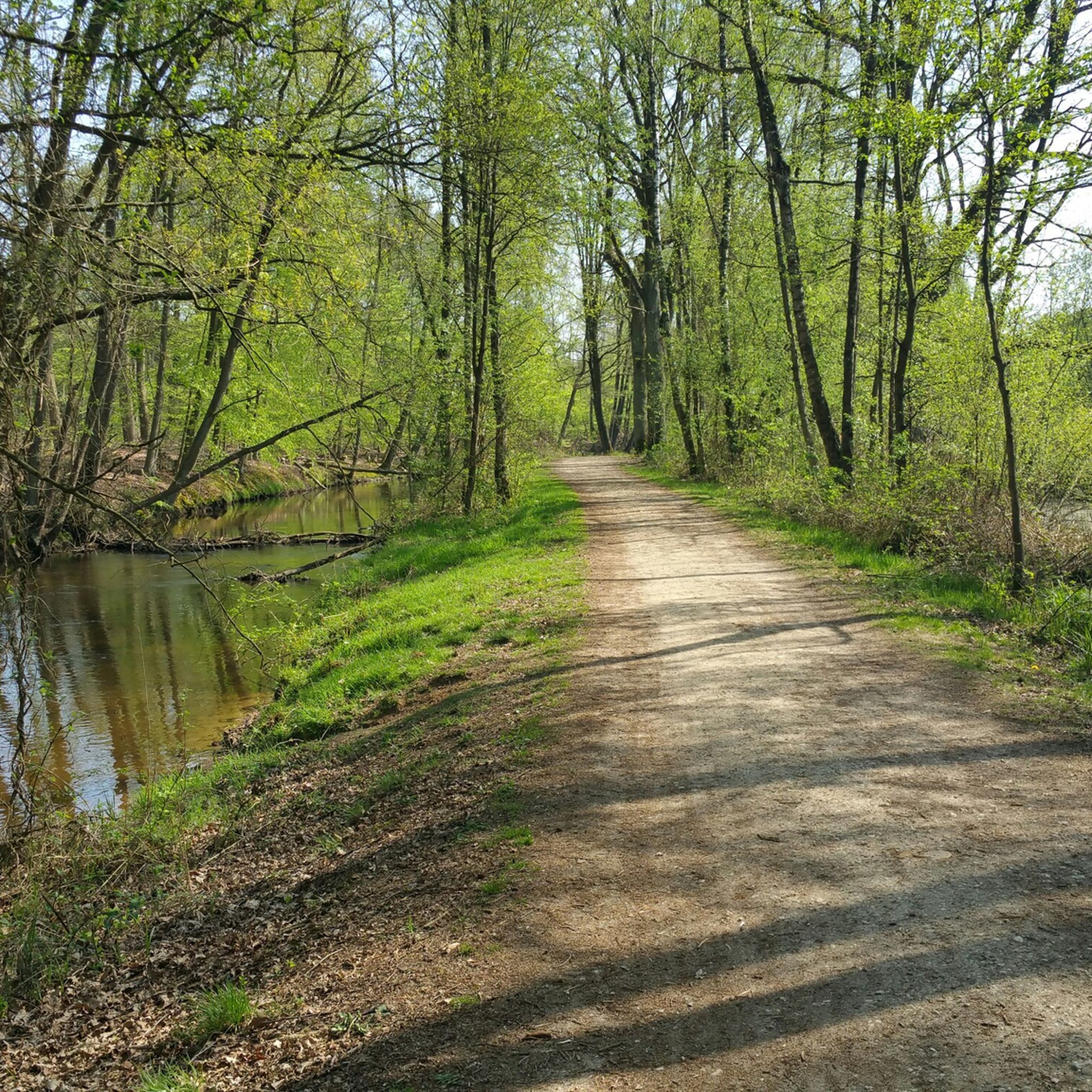
- The most popular hiking route is Red Bridge over the Hambeek – Along the Roer River loop from Roermond, a 6.1 miles (9.8 km) trail that takes about 2 hours 29 minutes to complete. This moderate route follows the Roer River through the local landscape.
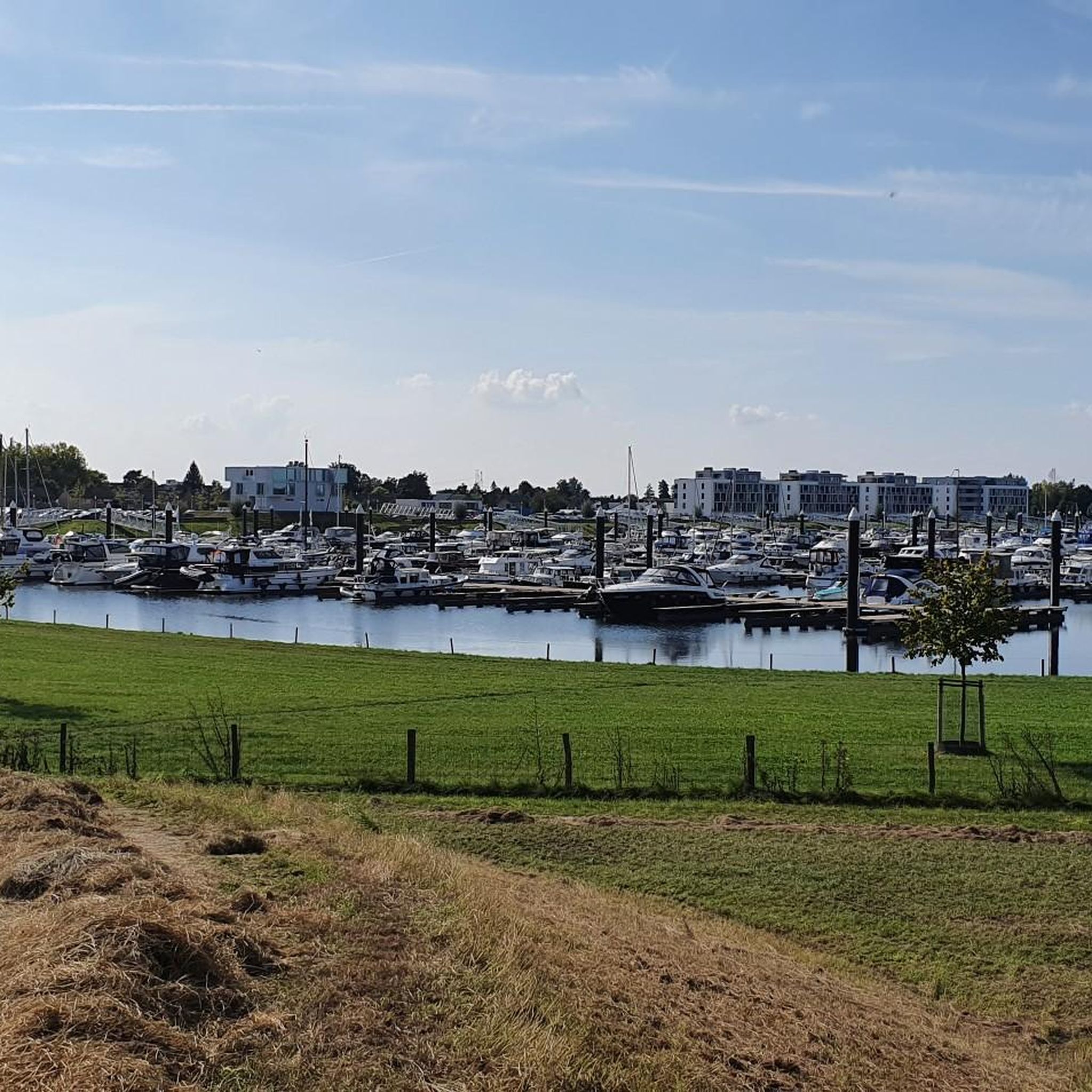
- Another top favourite among local hikers is Beachclub Koers Zuid – View of Roermond Skyline loop from Roermond, a moderate 5.1 miles (8.2 km) path. This trail offers views of the Roermond skyline, often near the Maasplassen.
- Local hikers also love the Melickerven Rest Area – Melickerven loop from NSG Lüsekamp und Boschbeek, an 8.8 miles (14.2 km) trail leading through varied natural surroundings, often completed in about 3 hours 38 minutes.
- Hiking around Roermond is defined by the diverse landscapes of National Park De Meinweg, the serene Maasplassen, and extensive forests and heathlands. The network offers options for easy, moderate, and more challenging trails.
- The routes in Roermond are highly rated by the komoot community with an average score of 4.3 stars from over 1000 reviews. More than 6000 hikers have used komoot to explore Roermond's varied terrain.
Last updated: October 7, 2026
4.0
(77)
259
hikers
Moderate hike. Good fitness required. Easily-accessible paths. Suitable for all skill levels.
4.1
(45)
165
hikers
8.17km
02:05
30m
30m
Moderate hike. Good fitness required. Easily-accessible paths. Suitable for all skill levels.

4.5
(69)
662
hikers
5.44km
01:24
20m
20m
Easy hike. Great for any fitness level. Easily-accessible paths. Suitable for all skill levels.
4.1
(79)
247
hikers
10.1km
02:34
20m
20m
Moderate hike. Good fitness required. Easily-accessible paths. Suitable for all skill levels.
4.7
(67)
198
hikers
Easy hike. Great for any fitness level. Easily-accessible paths. Suitable for all skill levels.
Get access to more routes and recommendations from other explorers.
Already have an account?
Our route recommendations are based on thousands of hikes, rides, and runs completed by other people on komoot.
Start today with a free account
Your next adventure awaits.
Popular around Roermond
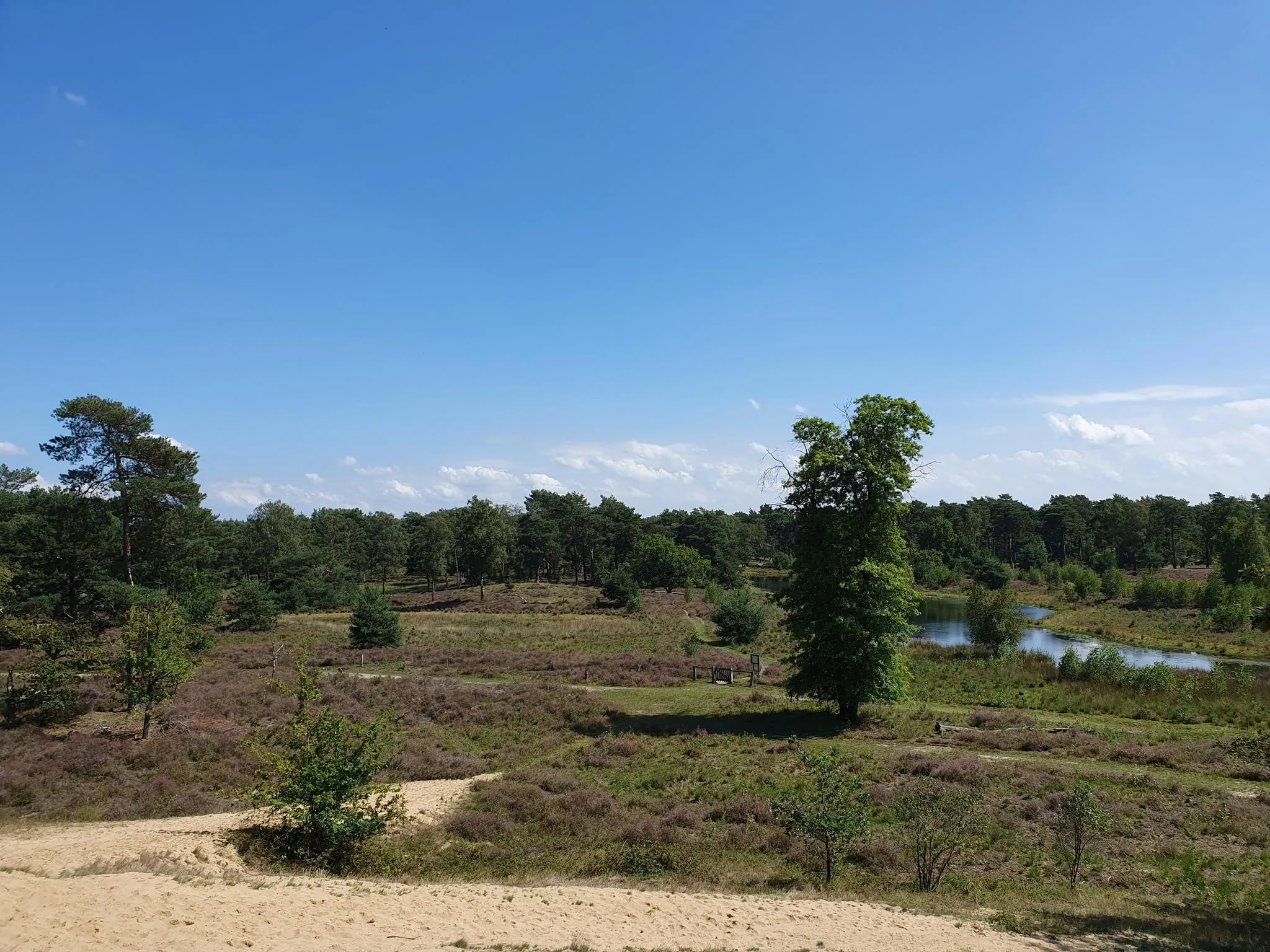
The Maas-Niederrhein Trail - Cross-border hiking in 19 stages
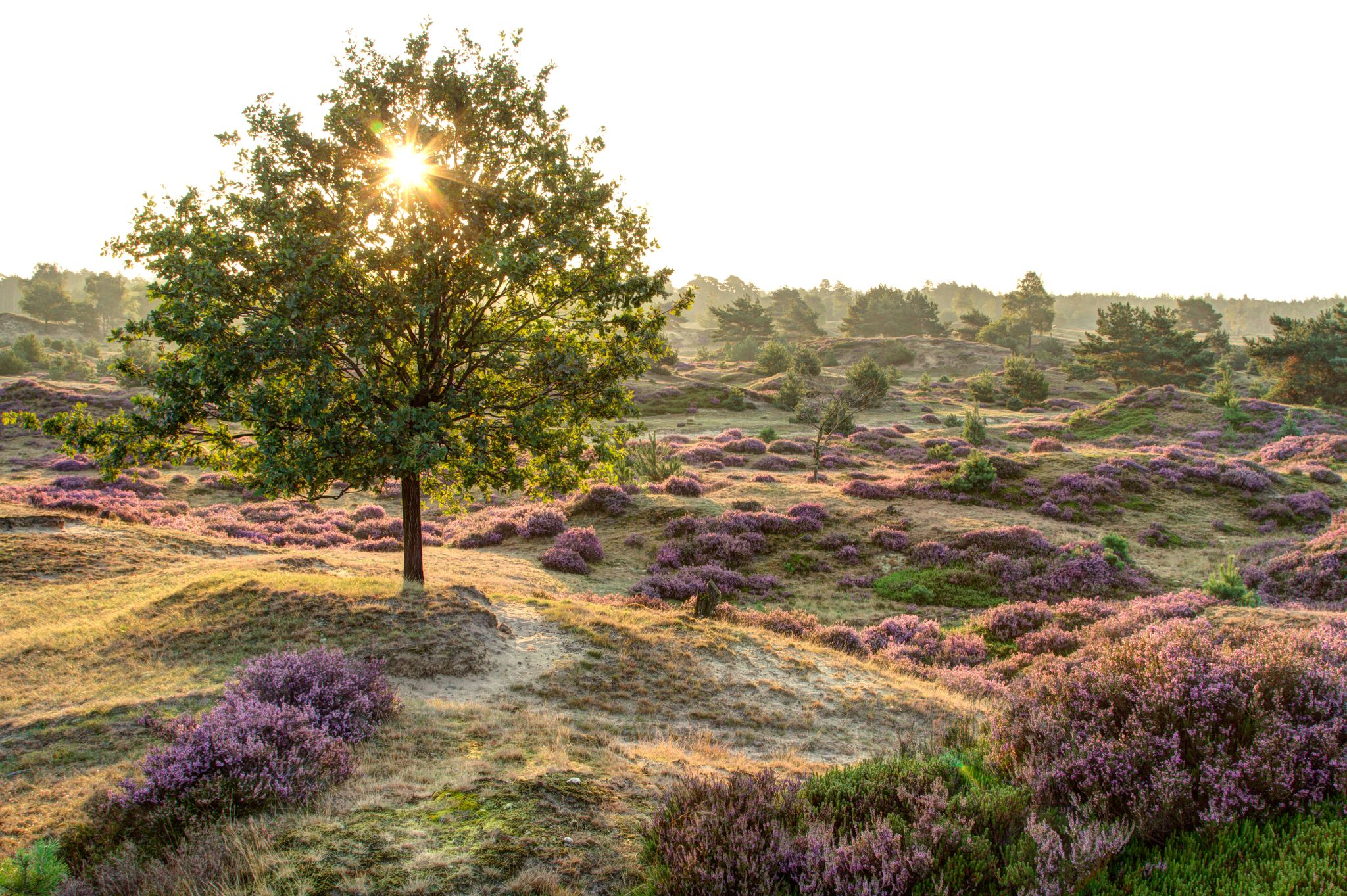
A complete hiking bucket list through every Dutch National Park
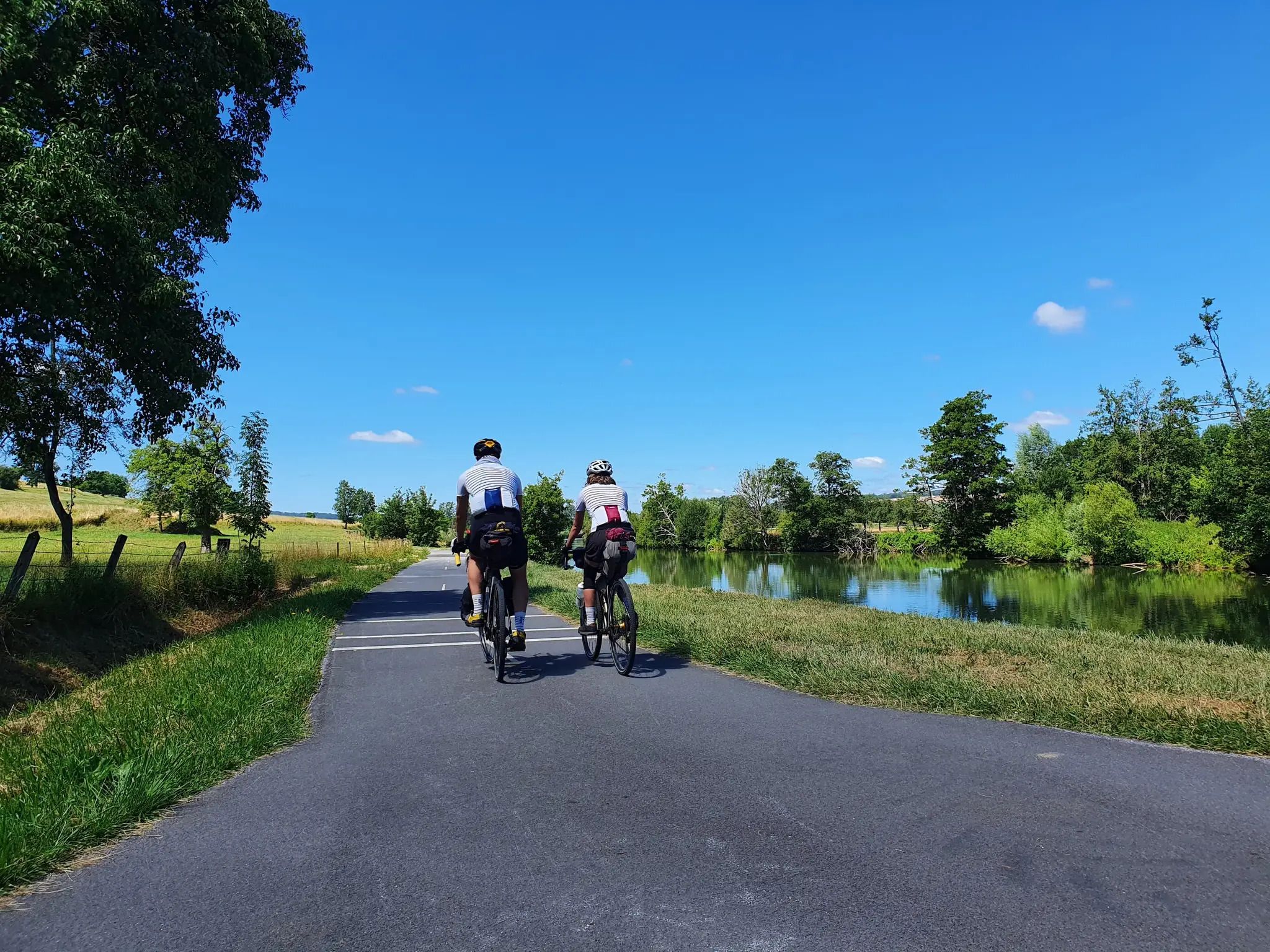
A river, three countries, countless experiences – Meuse Cycle Route
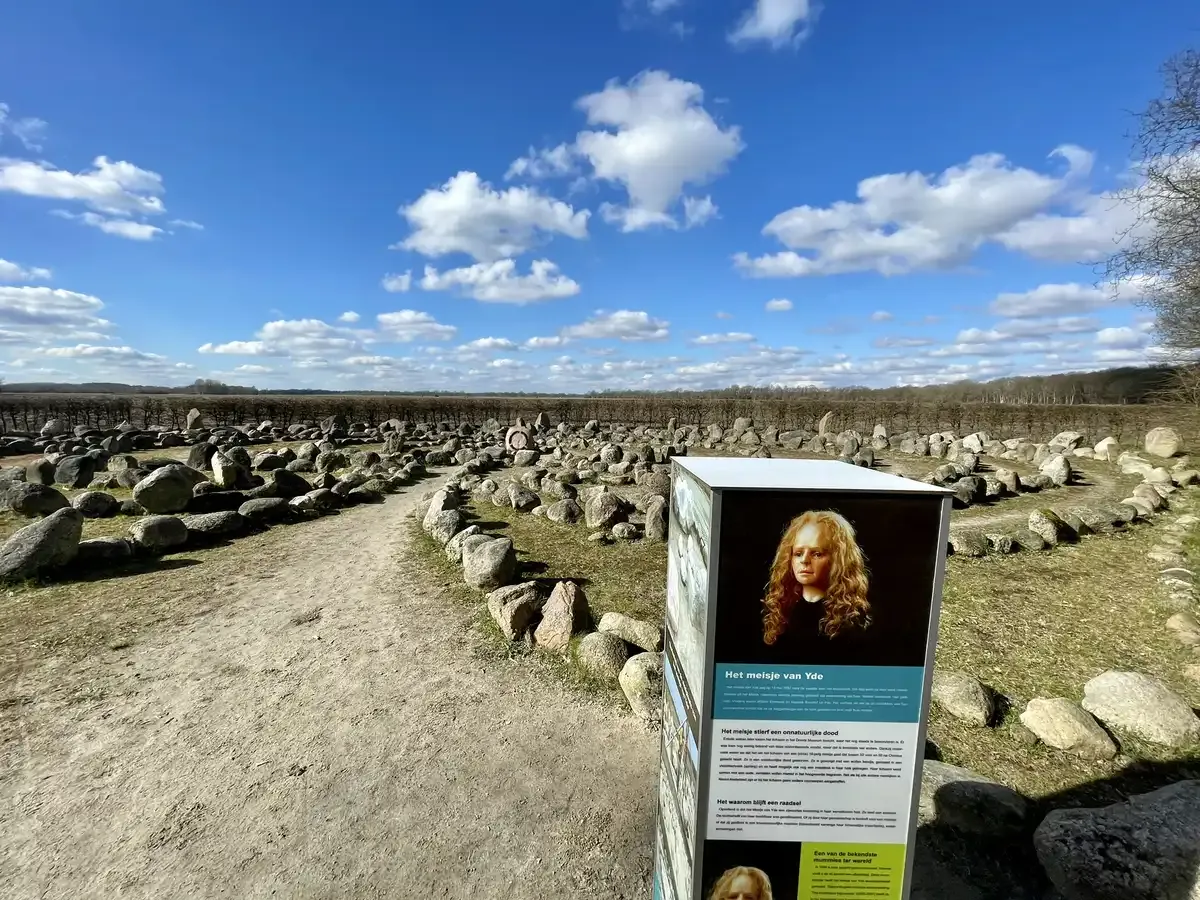
Cycle back in time – 15 prehistoric routes in the Netherlands
Cycling around Roermond
Road Cycling Routes around Roermond
MTB Trails around Roermond
Running Trails around Roermond
Gravel biking around Roermond
Other adventures around Roermond


Tips from the Community

Very beautiful city on the Meuse with a lot of water around, great cityscape, I liked it very much.
0
0


It is so pathetic when everyone creates more highlights for already existing highlights and Komoot gets cluttered like this. The same applies to photos like with this highlight, which have nothing to do with the actual highlight. In the past, you could delete these photos via Komoot, but nowadays it just clutters the highlight and no one benefits from it anymore. Think about it!
0
0

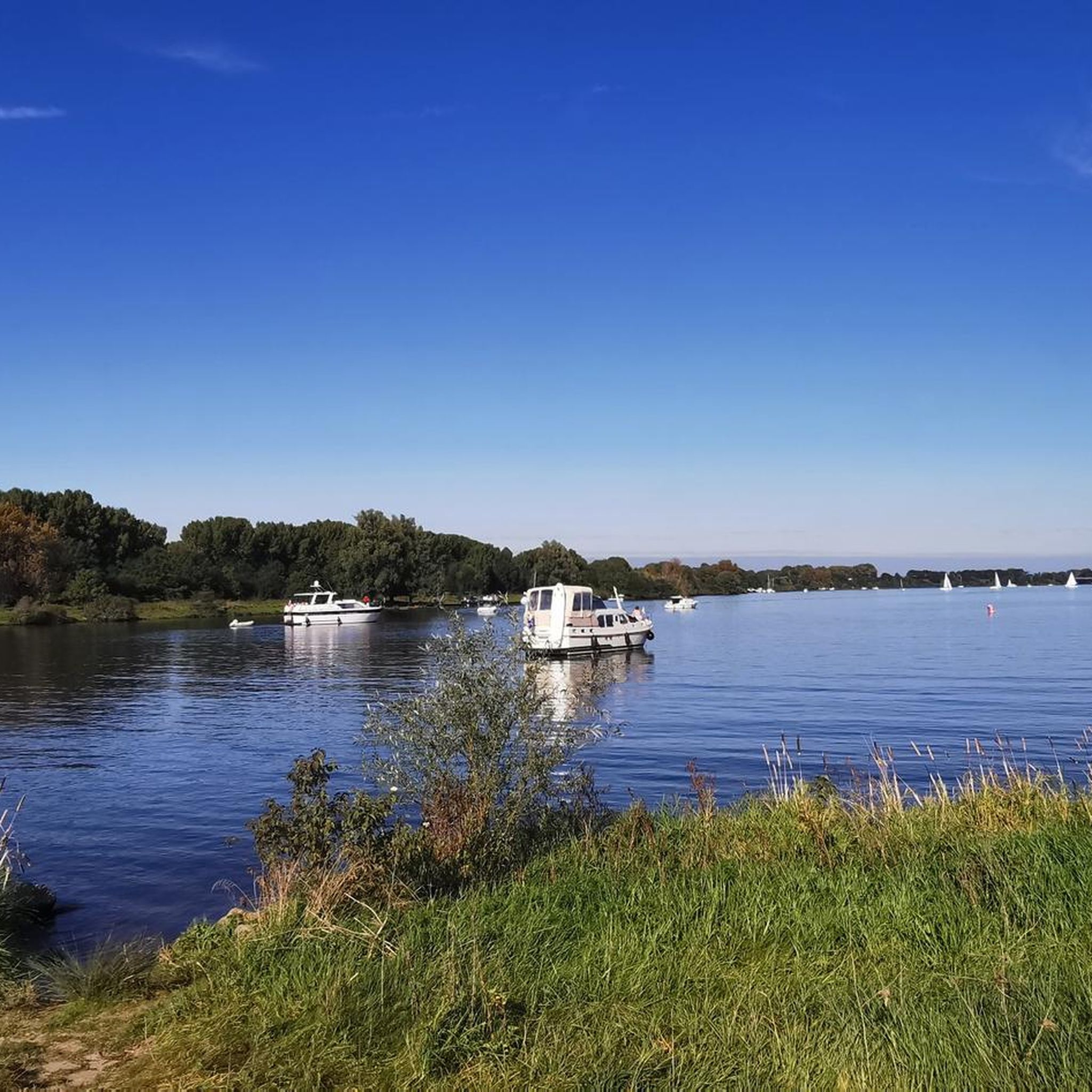
Very romantic resting place, the lake is full of frogs, mallards, Egyptian geese, great crested grebes, coots and water lilies. A nice opportunity for a break
0
0

A peaceful spot by the water, enlivened by the songs of local bird species.
4
0

In Lüsekamp there is the opportunity to observe wild birds.
3
1

Beachclub Koers Zuid is a distinctive and vibrant beach club located in De Weerd in Roermond, in the Area-X recreation area on the Maasplassen lakes. What once began as an initiative of passionate windsurfers has grown into a versatile meeting place where sports, relaxation, and food and drink come together in a distinctly summery setting. The club's origins date back to 1979, when windsurfers gathered at this location to take to the water together. From this sporting foundation, a club with a strong community spirit developed, which later expanded to include an accessible beach club where non-members can also enjoy the terrace and food and drink facilities. The waterfront location is the heart of the experience. Koers Zuid overlooks one of the lakes in the Maasplassen area, giving visitors from the terrace an unobstructed view of surfers, SUP riders, and recreationalists taking to the water. Especially in the afternoon and evening, the low sun creates a distinct beach atmosphere that evokes an almost Mediterranean feel in Central Limburg. The combination of sand-covered wooden patio elements, beach chairs, and the sound of lapping water gives the place a relaxed, informal atmosphere strongly reminiscent of a seaside location. Although the beach club primarily serves as a place for drinks and food for many visitors, its sporting identity remains strongly present. Windsurfing remains a key pillar of the club, with options for lessons, training, and equipment storage. Both beginners and advanced surfers will find a suitable location here, thanks in part to the relatively sheltered water and open space. In addition, activities are regularly organized around SUP (stand-up paddleboarding) and other water sports, making Koers Zuid an accessible gateway to an active outdoor life by the water. The beach club has also developed into a social meeting place. Throughout the season, typically from spring to autumn, it hosts events ranging from informal drinks to larger parties with music. In this way, Koers Zuid fulfills not only a recreational but also a unifying role within the region. Families also find the location, thanks to the space around the terrace and the relaxed setting where children can play while adults enjoy the view. Its location within Area-X enhances its appeal. This area in Roermond is known as a hub for water recreation, with beaches, sports facilities, and a variety of leisure activities nearby. Hikers and cyclists exploring the Maasplassen lakes often use Koers Zuid as a rest stop, where nature experiences and restaurants complement each other. The combination of open water and activity on the lake creates a dynamic setting that changes daily and seasonally.
0
0
The Vismarkt (Fish Market) in Roermond is one of the oldest and most characteristic places in the historic city center. As the name suggests, this square was traditionally the center of the fish trade, a logical consequence of Roermond's location on the Roer and Meuse rivers. The Vismarkt is therefore a direct reminder of a time when water and trade were inextricably linked. The square is located a short distance from the river and was part of the city's economic heart. Here, fishermen, traders, and residents gathered to trade fresh fish, but also to exchange news and socialize. The proximity of the water ensured that fish could be delivered quickly, making the Vismarkt a vibrant and important hub in daily city life. Over the centuries, the Vismarkt's function changed, but the square retained its central role. Today, it is an atmospheric urban space with historic buildings, restaurants, and terraces. Its original commercial function has given way to a place for meeting and relaxing, but its name and location continue to evoke the past.
0
2
Frequently Asked Questions
How many hiking trails are available around Roermond?
There are over 220 hiking routes around Roermond, catering to various preferences and skill levels. The majority, about 150, are rated as easy, with around 60 moderate and a few more challenging options.
What is the typical terrain like for hiking in Roermond?
The terrain around Roermond is quite diverse, ranging from the unique terraced landscape of De Meinweg National Park with its forests, heathlands, and fens, to the flat, scenic paths along the Maasplassen. You'll encounter a mix of natural surfaces and well-maintained paths, generally with minimal elevation changes, making it accessible for many hikers.
Are there easy hiking trails suitable for families or beginners in Roermond?
Yes, Roermond offers many easy trails perfect for families and beginners. For example, the Munster Square, Roermond – Roermond Town Hall loop from Roermond is an easy 3.2-mile (5.1 km) city walk that allows you to explore the historic center. The region's generally flat terrain, especially around the Maasplassen, provides numerous gentle options.
Can I find circular hiking routes in Roermond?
Absolutely. Many of the hiking trails in Roermond are designed as circular routes, allowing you to start and end at the same point. A popular example is the Red Bridge over the Hambeek – Along the Roer River loop from Roermond, which offers a scenic journey along the Roer River.
Are there any long-distance hiking trails that pass through Roermond?
Yes, Roermond is a significant point along the Pieterpad, one of the most famous long-distance hiking trails in the Netherlands. This trail attracts serious trekkers looking to explore the country's diverse landscapes over an extended period.
What natural features or landmarks can I see while hiking in Roermond?
While hiking in Roermond, you can explore diverse natural features. De Meinweg National Park offers unique terraced landscapes, extensive forests, heathlands, and fens. Along the Maasplassen, you'll find vast interconnected lakes. The Roer River also provides scenic river landscapes. For specific points of interest, consider visiting the De Bos Inn or the Shelter at the Rur and Baaler Bach with Beaver Experience Station.
Are there dog-friendly hiking trails in Roermond?
Many areas around Roermond are dog-friendly, especially in the natural parks and along the river paths. De Meinweg National Park, for instance, often allows dogs on a leash. It's always a good idea to check specific trail regulations before you go, but generally, you'll find plenty of options to enjoy with your canine companion.
What is the best time of year to go hiking in Roermond?
Roermond is suitable for hiking year-round. Spring brings blooming heathlands and fresh greenery, while autumn offers beautiful fall foliage in the forests. Summer is pleasant for walks along the Maasplassen, and even winter can be charming for crisp, quiet hikes, especially in De Meinweg National Park. The choice depends on your preferred scenery and weather.
Are there hiking routes that offer views of the Roermond skyline?
Yes, you can enjoy scenic views of the Roermond skyline on certain routes, particularly those near the Maasplassen. The Beachclub Koers Zuid – View of Roermond Skyline loop from Roermond is a moderate 5.1-mile (8.2 km) path specifically known for these urban vistas.
Can I access hiking trails in Roermond using public transport?
Roermond has a well-connected public transport network, including a train station and bus services, making it possible to reach various starting points for hikes. Many trails, especially those closer to the city center or within De Meinweg National Park, are accessible via public transport connections.
What do other hikers enjoy most about hiking in Roermond?
The area is highly rated by the komoot community, with an average score of 4.3 stars from over 1000 reviews. Reviewers often praise the diverse landscapes, from the unique terraced terrain of De Meinweg National Park to the serene Maasplassen, and the extensive network of well-maintained trails that cater to all levels.
Most popular attractions around Roermond

Get inspired with the komoot mobile app


Explore more
Browse the best Hikes in other regions.
