Top 20 Castles around Swalmen
Best castles around Swalmen are found in the Limburg province of the Netherlands, a region characterized by its historical significance and natural landscapes. The area features the Swalm stream and remnants of medieval architecture. Swalmen offers a blend of accessible ruins and privately owned, well-preserved castles. This region provides insights into centuries of local history and defensive structures.
Best castles around Swalmen
- The most popular castles is Brüggen Castle, a castle that is well known in the area for…
Last updated: June 22, 2026
Brüggen Castle
Highlight • Castle
Translated by Google •
Tip by

De Keverberg Castle
Highlight • Castle
Translated by Google •
Tip by

Sign up now to discover places like this
Get recommendations on the best single tracks, peaks, & plenty of other exciting outdoor places.
Sign up for free
Historic Old Town of Brüggen
Highlight • Historical Site
Translated by Google •
Tip by

Little Island Castle at Hariksee
Highlight • Monument
Translated by Google •
Tip by
Hillenraad Castle
Highlight • Castle
Translated by Google •
Tip by

Sign up for free to discover even more castles around Swalmen.
Sign up for free
Already have an account?
Start today with a free account
Your next adventure awaits.
Login or Signup
Popular around Swalmen
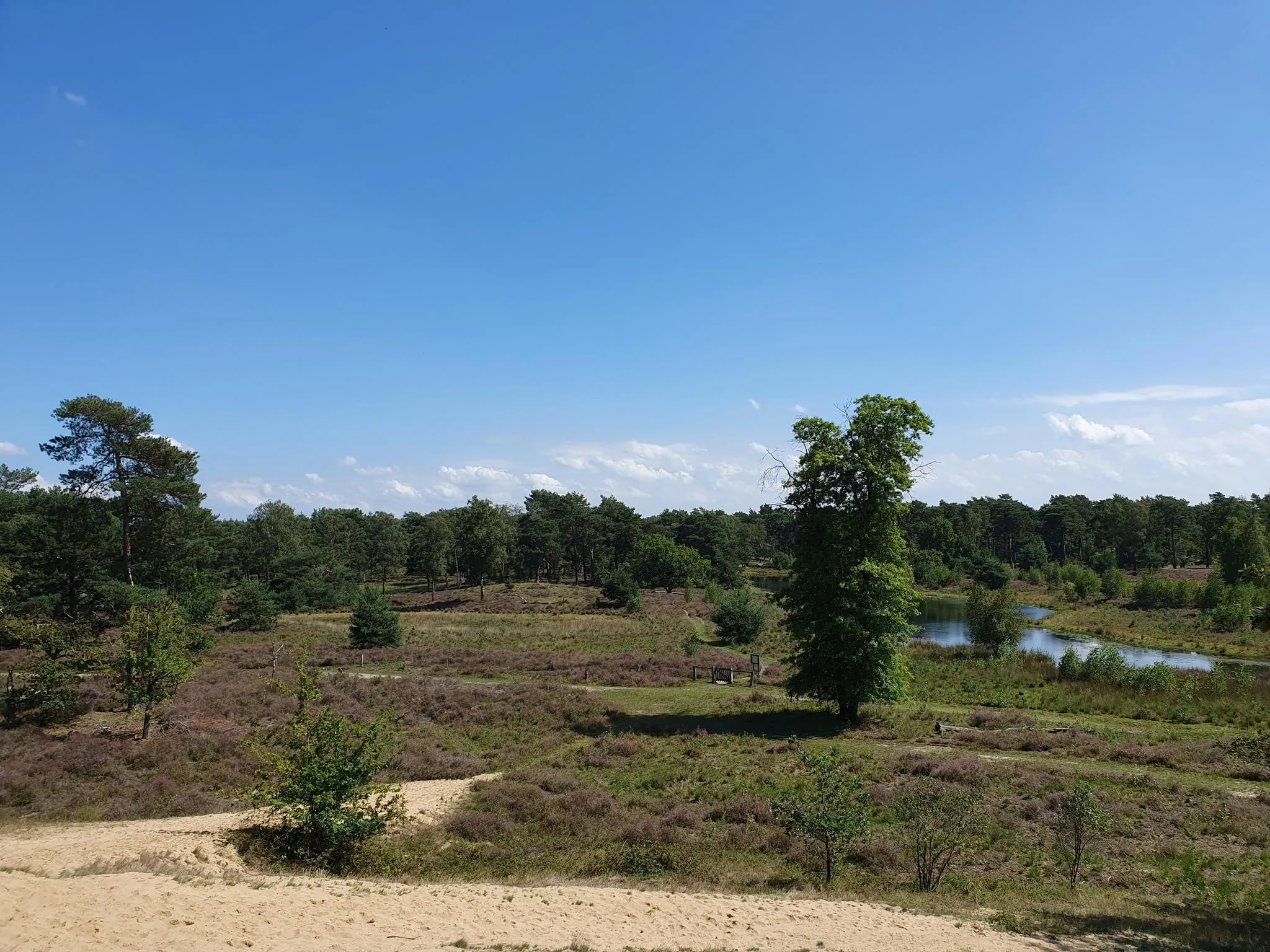
The Maas-Niederrhein Trail - Cross-border hiking in 19 stages
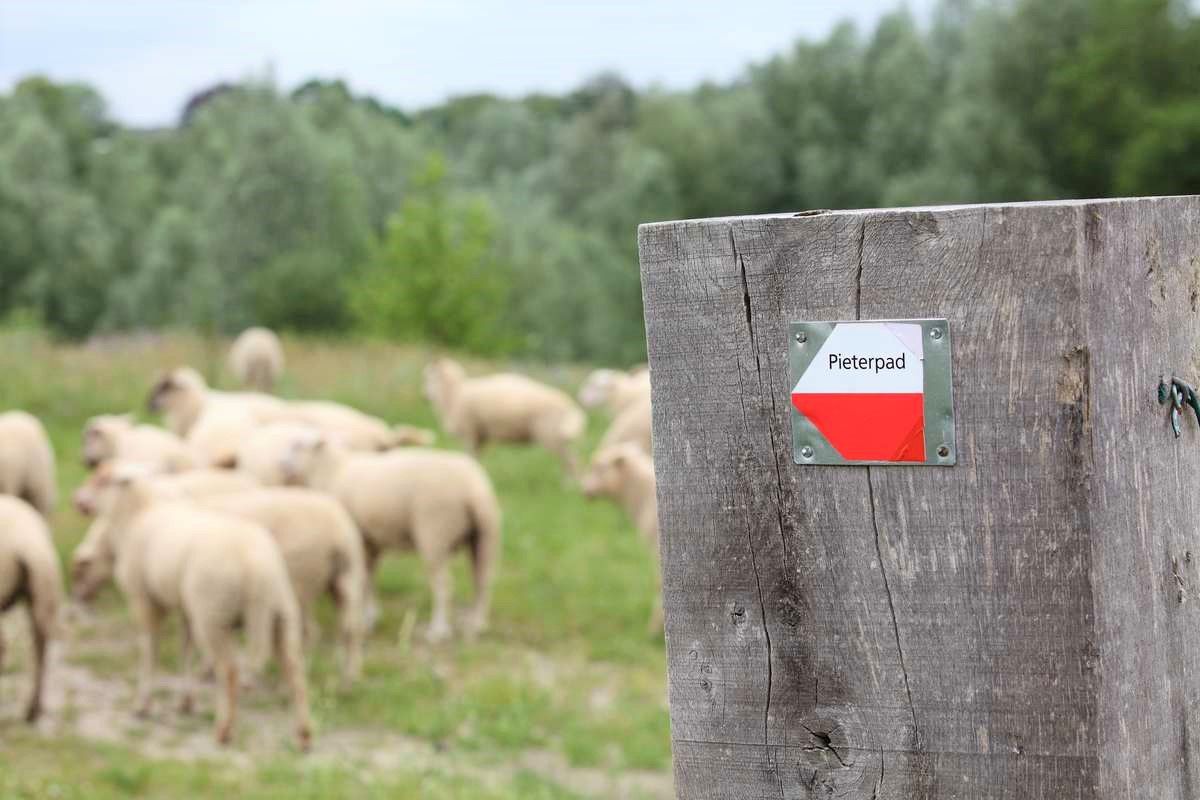
From Kasteel Vorden to the Sint-Pietersberg – Pieterpad long-distance hike part 2
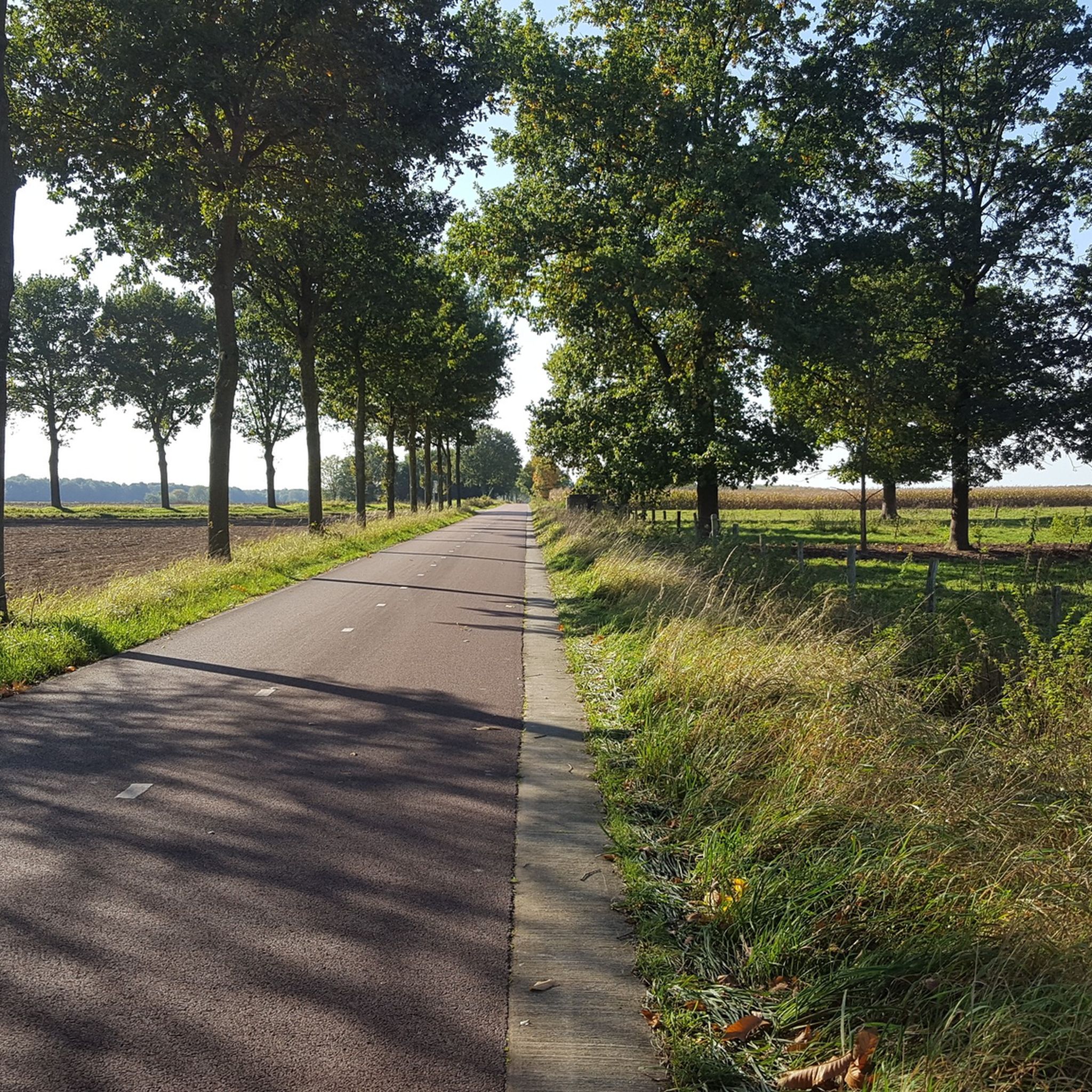
Cycling around Swalmen
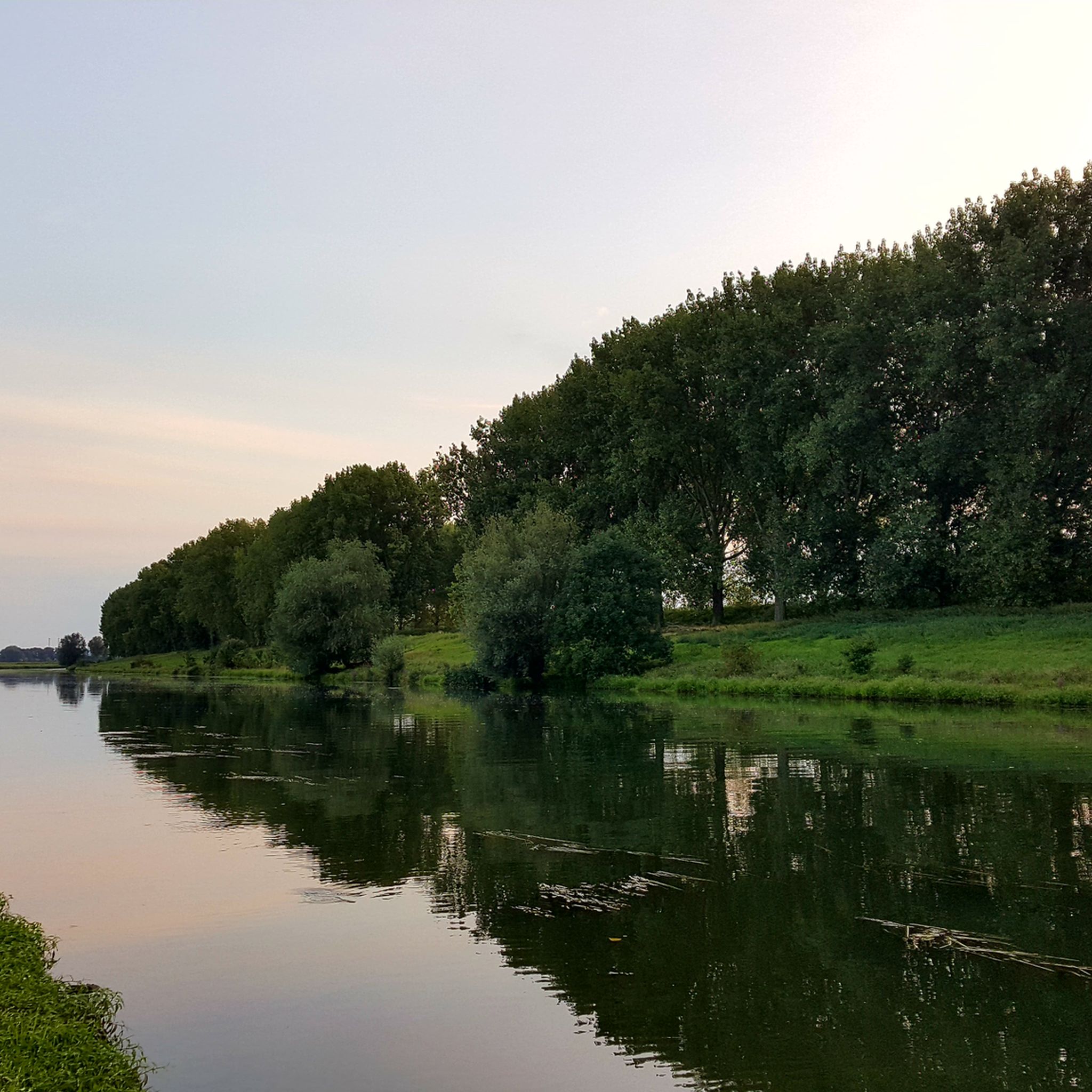
Hiking around Swalmen
MTB Trails around Swalmen
Road Cycling Routes around Swalmen
Running Trails around Swalmen

Gravel biking around Swalmen


Tips from the Community

Kasteel Hillenraad has the appearance of a seventeenth or eighteenth-century building, but its core is older. The castle is first mentioned in archival documents in 1380 and was then owned by the nobleman Dirk van Oost. He came from Oost Castle near Maastricht and was somehow related to the lords of Swalmen. He is mentioned in Swalmen from 1379 and shortly thereafter also bought the ancestral seat of the lords of Swalmen, which is now known as the Ouborg. Since then, Hillenraad has always remained in the family. However, the family sometimes took on a different name through inheritance in the female line. The original building had a round tower at the back. In the seventeenth century, this had to make way for the addition of a large hall. Later, two wings were added to the sides and finally, in the eighteenth century, four towers were added at the corners. After the French period, the castle was no longer inhabited by the family and fell into considerable disrepair. When Count Herman Wolff Metternich (1887-1956) inherited Hillenraad in 1909, he began a major restoration. He saved the castle from ruin. Source and more info: https://www.archiefroermond.nl/nl/roermonds-verleden/verhalen/een-andere-geschiedenis/prachtige-plekjes/kasteel-hillenraad There are information boards near the castle and you can see quite a bit from the outside. The stately avenues in the forest are also connected to the castle, and there is also something to discover there. More about the Hillenrader Bossen at https://www.komoot.com/nl-nl/highlight/7695125
5
0

A very nice place where you would like to come back.
10
1
There is always something going on here on weekends when the weather is dry.
25
2

There was a customs tower here around a thousand years ago. Over the centuries it developed into a castle, initially as a residence for the Counts of Kessel. The events of the war caused considerable damage to the facility in 1944. The ruins were only rebuilt in 2011, but not according to the historical model. With classic shapes combined with modern elements, it was expanded into one of the most modern castle complexes in the Netherlands with upscale gastronomy and a small museum on the upper floor.
6
0

Classically beautiful and touristy castle town. Known nationally and correspondingly well attended.
5
1

It's certainly a matter of taste, but in my opinion the bold combination of old ruins and modern architecture is very successful here. The café inside the building looks very inviting. We were there too early in the day to test out the culinary offerings.
6
0

In my opinion, the castle has been rebuilt and restored in an interesting way, even if it doesn't suit my taste.
6
0

The island castle on the Hariksee was built in 1891 as a small villa for Bartholomäus Rosbach, the then owner of Haus Clee in Waldniel (Schwalmtal). His father, Eduard Rosbach, came into possession of the Waldniel noble seat in 1854 through marriage to Berta Marianne Roth. The Inselschlösschen was used for hunting parties and celebrations, among other things. Source: https://de.wikipedia.org/wiki/Insel-Schlösschen
17
1
Frequently Asked Questions
Which castles around Swalmen are accessible to the public?
While some castles are privately owned, the ruins of Kasteel Ouborg (Naborch) are freely accessible for exploration. You can walk around the site and observe the remnants of its unique octagonal keep. Brüggen Castle and De Keverberg Castle also welcome visitors, with Brüggen known for its events and De Keverberg offering a modern castle experience in Kessel.
Can I visit Kasteel Hillenraad?
Kasteel Hillenraad is private property and not open to the public. However, its magnificent exterior, including its four elegant corner towers and moat, is partially visible from the road, making it a worthwhile sight for those who appreciate historical architecture and picturesque settings.
What kind of historical sites can I explore near Swalmen's castles?
Beyond the castles themselves, you can explore the Historic Old Town of Brüggen, which owes its existence to its strategic location and features preserved historical character. The region also has a rich Roman history, with findings like a Roman stone of the gods and a late Roman iron helmet discovered in Kessel.
Are there hiking trails near the castles in Swalmen?
Yes, the Swalmen area offers various hiking opportunities, including routes that pass by historical sites. For example, the 'Ouborg Castle Ruins – View of the Swalm Valley' loop is a moderate 10.8 km hike. You can find more hiking trails and detailed information in the Hiking around Swalmen guide.
What natural features can I see around the castles?
The castles in Swalmen are often nestled within scenic landscapes. Kasteel Ouborg is located along the Swalm stream, adding to its picturesque appeal. The region is characterized by its natural landscapes, including the Swalm stream and the Maas panorama near De Keverberg Castle.
Are there family-friendly activities or castles in the Swalmen area?
Many of the castles and nearby areas are suitable for families. Brüggen Castle is known for its many events, which often cater to a family audience. The Historic Old Town of Brüggen is also considered family-friendly, offering a pleasant environment for walks and exploration.
What is unique about the castle ruins in Swalmen?
The ruins of Kasteel Ouborg (Naborch) are particularly unique due to their octagonal keep (donjon), which is a rare architectural feature in the Netherlands. These 14th-century motte castle ruins offer a fascinating glimpse into medieval defensive structures and are considered among the oldest castle ruins in the country.
Can I find places to eat or stay near the castles?
Yes, some castles offer amenities. Daelenbroeck Castle, for instance, features a restaurant with excellent cuisine and idyllic outdoor spaces, as well as a 4-star hotel. The village of Kessel, home to De Keverberg Castle, also has cozy terraces.
What kind of cycling routes are available near Swalmen's castles?
The region around Swalmen offers various cycling routes. For mountain biking, you can find routes like 'Hillenraad Castle – Weir at Belfeld' loop. Road cycling options include routes like 'View of the Asseltse Lakes – Schwalm stream in Swalmdal' loop. More details are available in the Road Cycling Routes around Swalmen and MTB Trails around Swalmen guides.
What do visitors enjoy most about the castles around Swalmen?
Visitors appreciate the blend of historical significance and natural beauty. The well-preserved character of places like the Historic Old Town of Brüggen, the unique architectural features of ruins like Kasteel Ouborg, and the picturesque settings of water castles like Kasteel Hillenraad are frequently highlighted. The opportunity to combine castle visits with outdoor activities like hiking and cycling is also a major draw.
Is there a castle that hosts events in the area?
Brüggen Castle is well known in the area for its many events. While nobility never lived there, its former fortifications can still be seen and visited, providing a historical backdrop for various gatherings.
Most popular routes around Swalmen
Most popular attractions around Swalmen

Get inspired with the komoot mobile app


Explore more
Looking for the best castles somewhere else? Discover other guides around Swalmen:
