The best running trails around Pohle
4.3
(497)
4,039
runners
418
runs
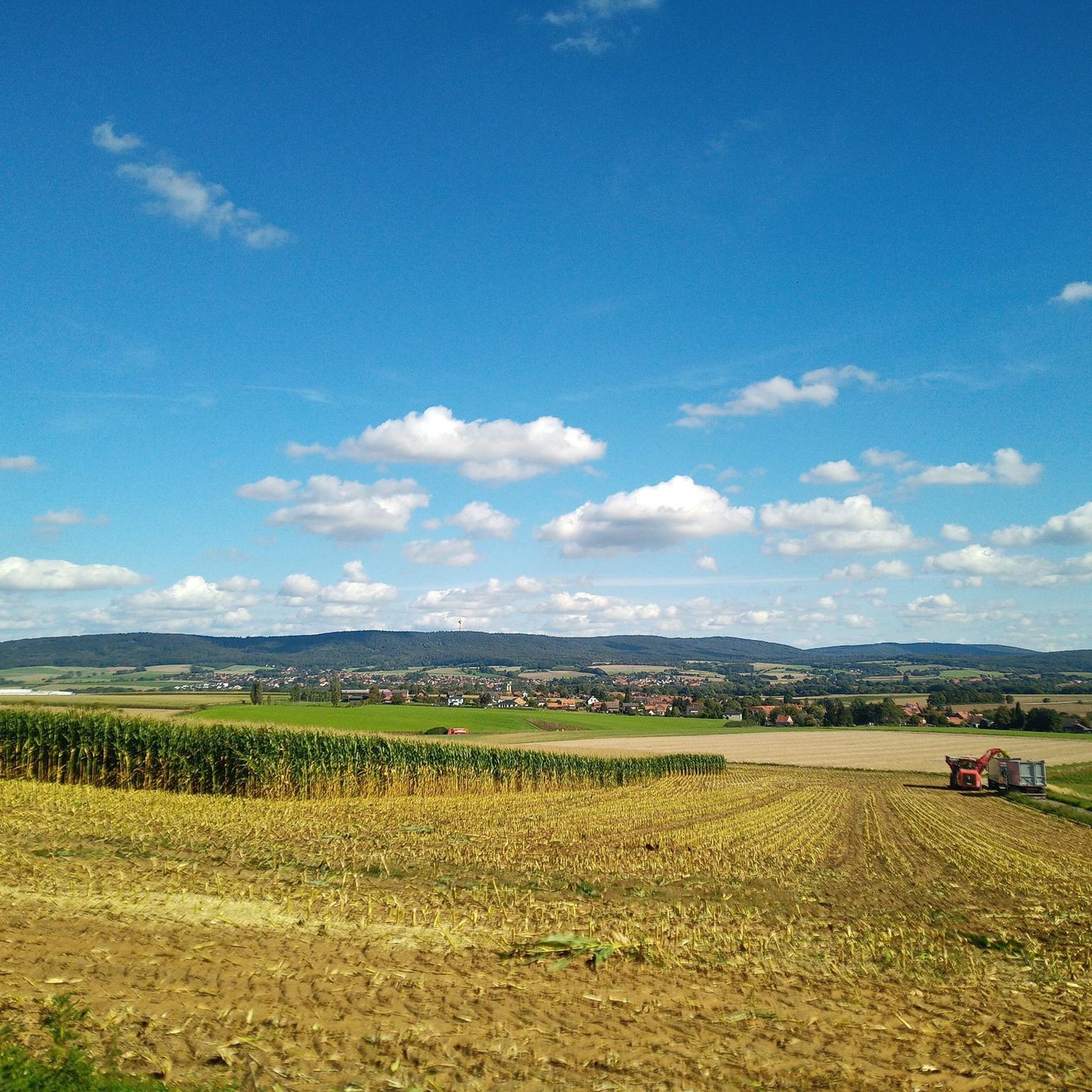
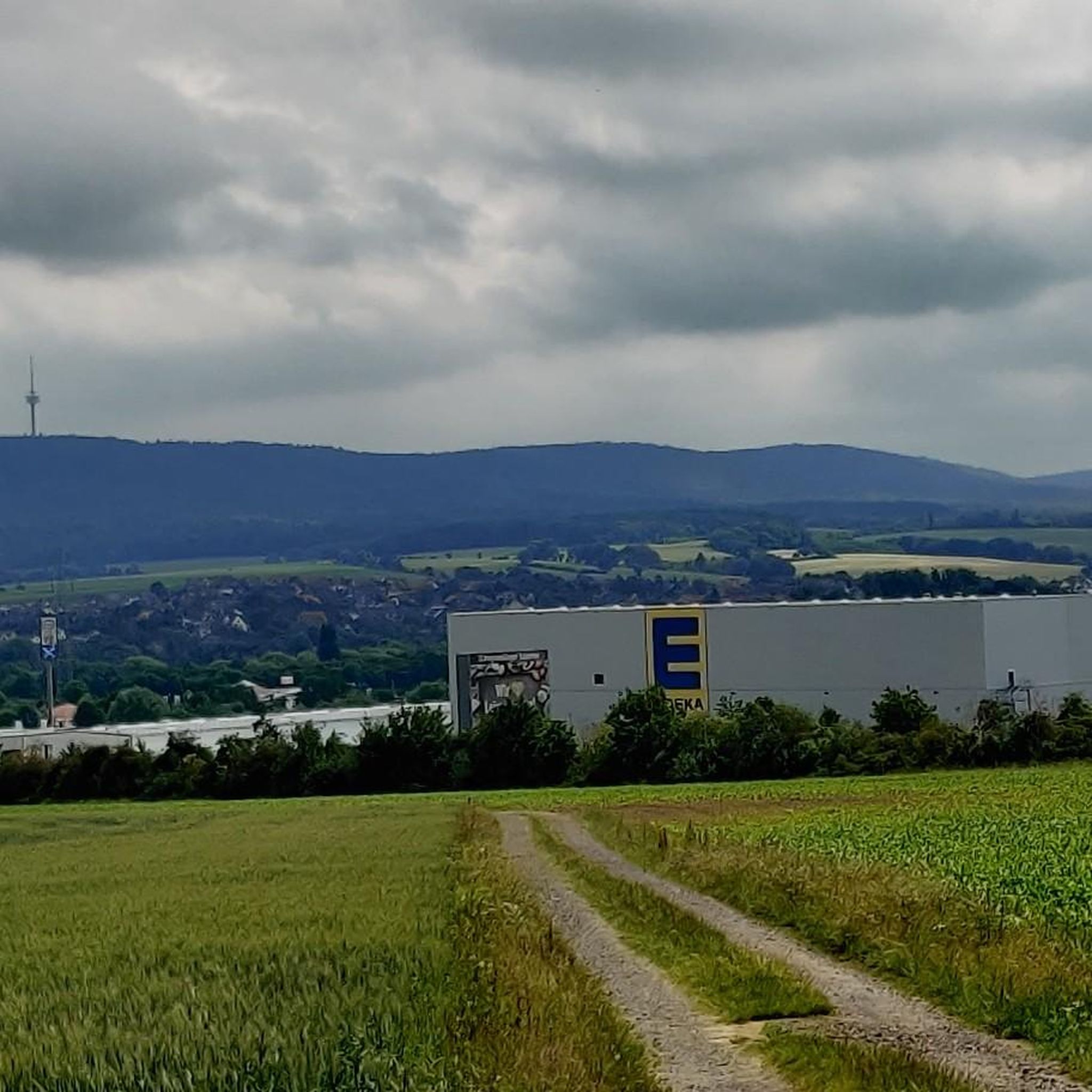
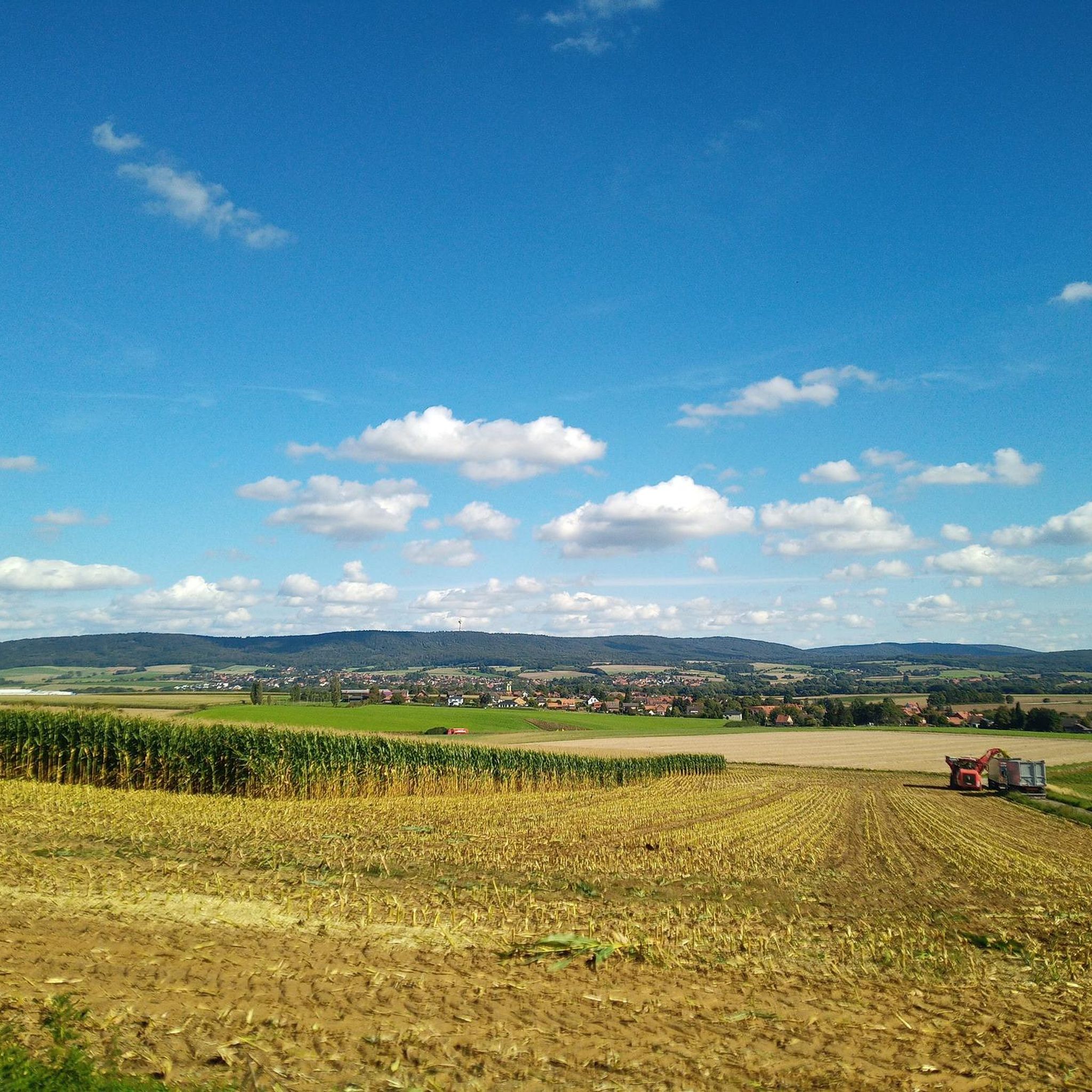
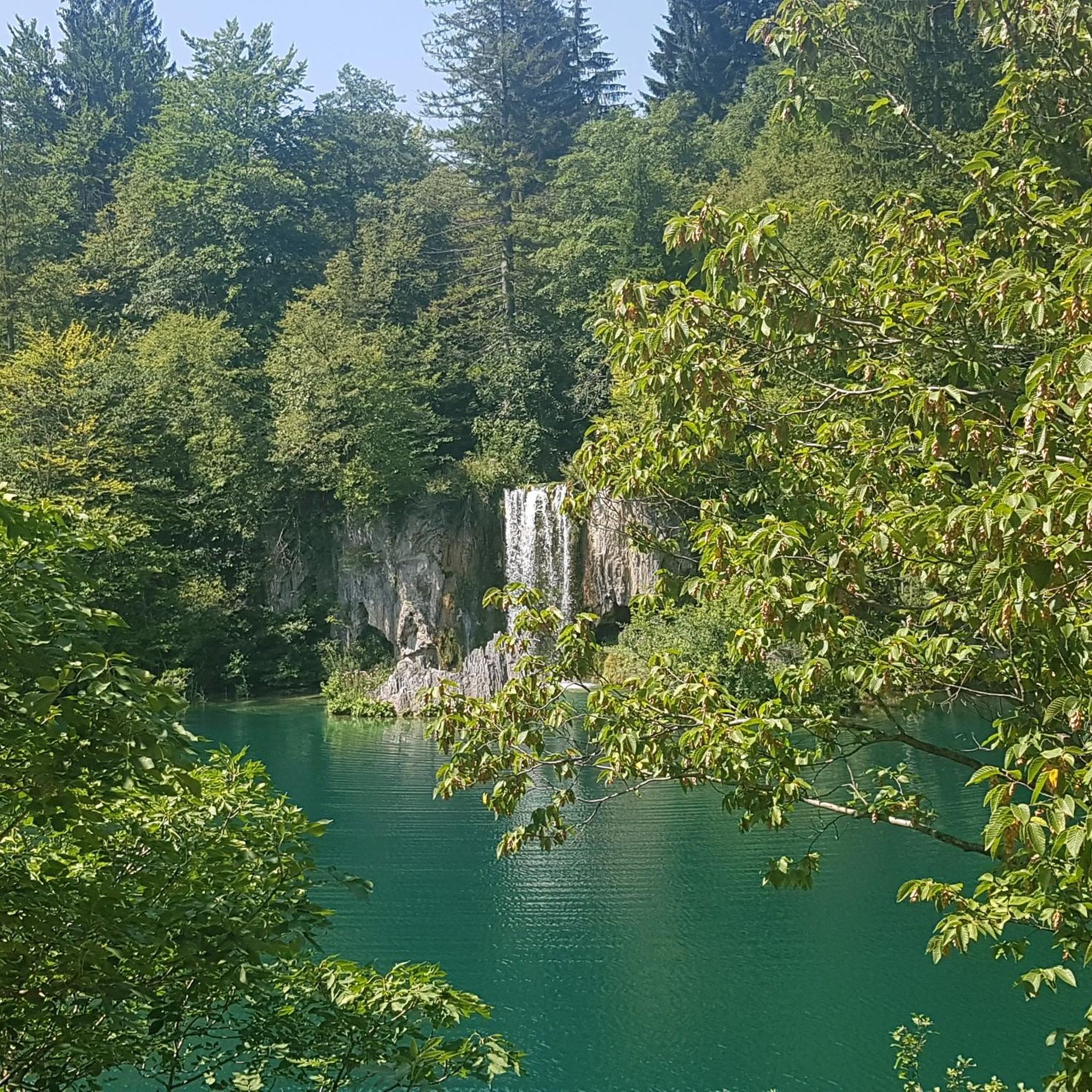
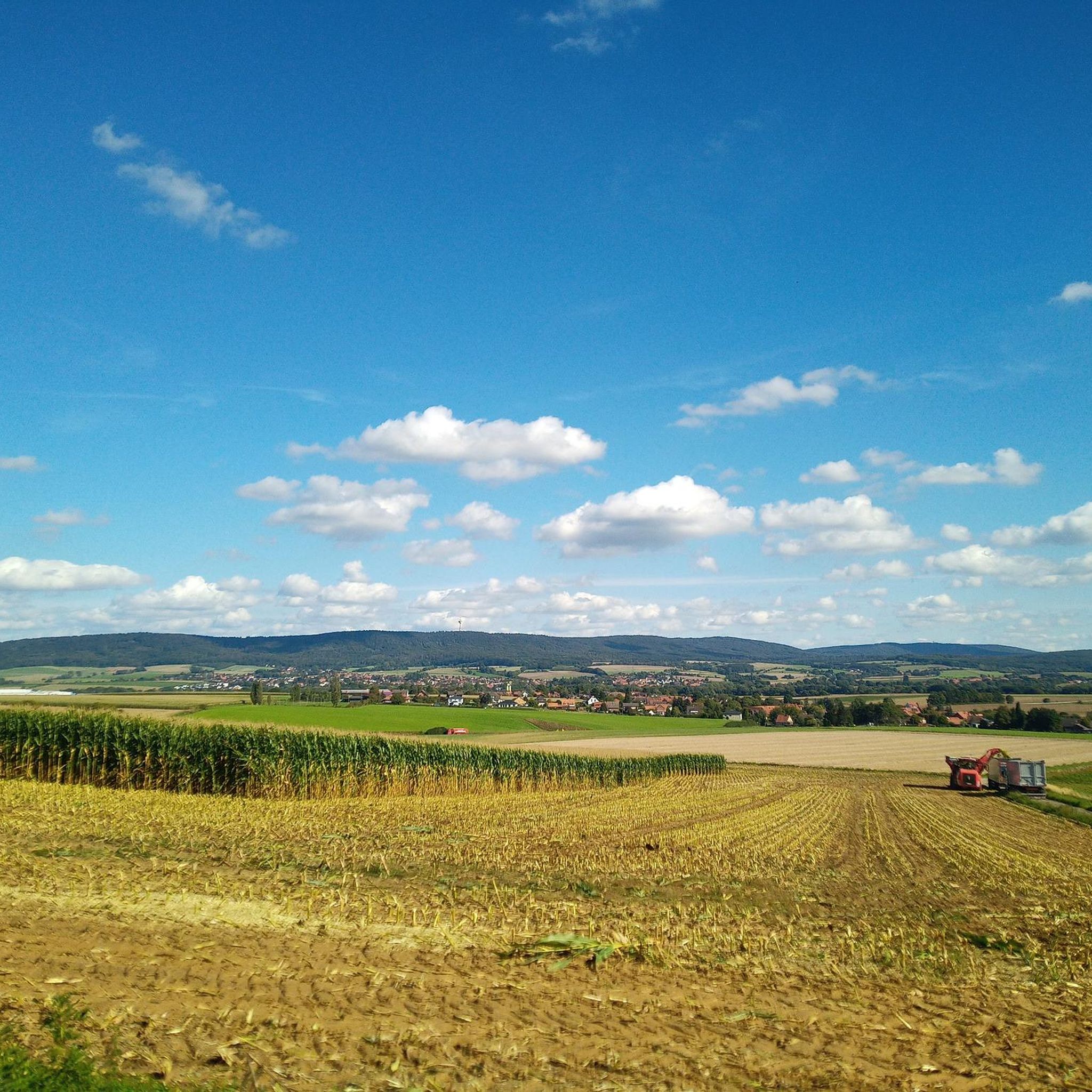
Jogging around Pohle offers routes through varied landscapes, characterized by gentle elevation changes and a mix of open fields, wooded sections, and historical sites. The region features water bodies like weirs and areas around castles, providing diverse scenery for runners. Trails often follow natural contours, offering a blend of flat stretches and moderate inclines.
Best jogging routes around Pohle
- The most popular jogging route is Weir at Domäne Rodenberg – Hammerstein Manor loop from Samtgemeinde Rodenberg, a 6.6 miles…
Last updated: June 21, 2026
4.0
(12)
21
runners
5.97km
00:37
30m
30m
Moderate run. Good fitness required. Mostly paved surfaces. Suitable for all skill levels.
3.7
(6)
12
runners
5.48km
00:34
10m
10m
Moderate run. Good fitness required. Mostly paved surfaces. Suitable for all skill levels.

Sign up for free
1.0
(1)
9
runners
9.49km
01:00
120m
120m
Moderate run. Good fitness required. Mostly paved surfaces. Suitable for all skill levels.
8
runners
Moderate run. Good fitness required. Mostly paved surfaces. Suitable for all skill levels.
9
runners
Moderate run. Good fitness required. Mostly paved surfaces. Suitable for all skill levels.
Get access to more routes and recommendations from other explorers.
Sign up for free
Already have an account?
Our route recommendations are based on thousands of hikes, rides, and runs completed by other people on komoot.
Start today with a free account
Your next adventure awaits.
Login or Signup
Tips from the Community

You get here via small, winding paths.
0
0

Architectural mix at its finest. Whoever pays determines the style.
0
0

Very old little church. Tum from 900-1000. Unfortunately closed.
0
0

Beautiful. On the day of the open monument you can visit the manor.
1
0

The moated castle in Schwedesdorf is privately owned, like many castles in the Schaumburg region.
5
0

The Evangelical Church in Apelern is a listed sacred building in Apelern. In the early Middle Ages, Apelern was the seat of the archdeacon of the diocese of Minden for the entire Bukkigau. The two-aisled, three-bay Gothic hall church goes back to a Romanesque building from 1162, which was rebuilt and expanded over the centuries. The tower from the 13th century looks like a fortified tower in its massiveness. In terms of its basic layout, it is one of the oldest parts of the church. The nave was lengthened in the Gothic period. Three Romanesque columns were placed in the central axis in such a way that a two-aisled interior was created, which is still preserved today. The burial place of the von Münchhausen family at the tower is richly decorated with early baroque fittings, arcatures and coats of arms. Source: https://de.wikipedia.org/wiki/Kirche_Apelern
1
0
Schwedesdorf Palace is a palace complex in Lauenau in Lower Saxony that was built between 1596 and 1600 and has been owned by the Barons of Münchhausen since it was built. The castle consists of a main building and a side building, which are at right angles to each other. A hexagonal stair tower, which was added later in 1606, stands on one building. The half-timbered upper floor was renewed in the 19th century. In the years 1892 and 1893 Hermann Schaedtler carried out conversions and extensions. Inside the castle there are three chimneys decorated with scrollwork, fittings and tailwork. On the west side of the castle there is a public garden with exotic trees. As early as 1377, the counts of Schauenburg and Holstein enfeoffed the white line of the Münchhausen noble family with half a tithe in Schwedesdorf, at the same time as three farms in neighboring Apelern. This free burglehn in the outer bailey of Lauenau was used to provide for them, as was the case with other burghers at the Lauenau official castle. In 1594, three brothers divided the inheritance: Claus received Apelern (with the Renaissance castle built in 1560-1561, which is also still owned by the family) and Nienfeld, Otto Lauenau and Ludolf received the inheritance from their mother Heilwig Büschen in Hessisch Oldendorf and Remeringhausen. The builder of Schwedesdorf Castle was Otto von Münchhausen, who had been Drost at the official castle since 1583. In 1596 he began building his own palace in Schwedesdorf on the old Münchhausen Burgmannshof in the immediate vicinity in order to upgrade it to a manor of his own. The master builder is Johann Hundertossen from Hamelin. The building was completed in 1600, and since then the inscription "Otto von Munnichhusen, Anno domini 1600" has adorned a coat of arms. In 1892, the bay window and gables were adjusted and provided with a stone inscription, which can also be found in the Münchhausen family crest: "Mine Borg is God." wedding had drawn. Source: Wikipedia
4
0
Hammerstein Castle is characterized in particular by the late Gothic architectural impression of the exterior in connection with the column-decorated interior portals and the chimneys inside the castle decorated with antique and northern European motifs and ornaments. Hammerstein Castle is an expression of a conscious combination of Gothic and antique reception with the humanistic world view of the early modern period, which is unique in the County of Schaumburg. The Billungian heritage of Apelern, mentioned as early as 1055, had a checkered ownership history before the estate passed into the possession of Baron Jobst von Münchhausen around 1550 as a fief of the Counts of Holstein-Schaumburg. After this Münchhausen line had died out (another one still owns the neighboring Münchhausen moated castle in Apelern to this day), the Chancellor Anton Wietersheim from Schuetzburg acquired the property in Apelern on March 1, 1580, which had been converted into a free courtyard in 1556 by Count Otto IV of Holstein-Schaumburg, the the chancellor gradually enlarged in terms of area. The single-wing castle from 1590, which rises above a rectangular, elongated floor plan on the northern edge of the castle island in an east-west orientation, follows the type of a four-storey building with a gabled roof, which is accessed via a polygonal spiral staircase tower presented to the building. On June 30, 1673, the Royal Swedish Major General Friderich Christoph von Hammerstein-Gesmold acquired the manor and castle. Friderich Christoph came from the family of the Barons von Hammerstein, first mentioned in tournament books on November 5, 948, who today are the 12th generation to live in the castle. The ancestral home of the family was an imperial castle that was devastated by French troops in 1688 and has since been preserved only as a ruin. It sits enthroned on a rock above the Rhine opposite Andernach. Source: Wikipedia
2
0
Frequently Asked Questions
How many running routes are available in Pohle?
Pohle offers a wide variety of running experiences, with over 440 routes available. These range from easy strolls to more challenging runs, catering to all fitness levels.
Are there easy running routes suitable for beginners in Pohle?
Yes, Pohle has plenty of options for beginners. There are over 80 easy running routes, often featuring gentle elevation changes and well-maintained paths through open fields and wooded sections. These are perfect for those new to running or looking for a relaxed pace.
What kind of scenery can I expect on Pohle's jogging trails?
Jogging routes in Pohle are known for their varied landscapes, including open fields, charming wooded sections, and historical sites. You'll often find yourself running alongside water bodies like weirs and exploring areas around castles, offering diverse and picturesque views.
Are there any circular running routes around Pohle?
Many of Pohle's running trails are designed as circular routes, allowing you to start and finish at the same point. For example, the View of the Valley – Feggendorf Singletrack loop from Samtgemeinde Rodenberg offers a scenic 9.9 km loop with varied terrain.
Can I bring my dog on the running trails in Pohle?
Generally, dogs are welcome on most outdoor trails in the Pohle region, especially in natural areas. However, it's always recommended to keep your dog on a leash and check local regulations, particularly around nature reserves or private properties. The varied terrain and open spaces are often enjoyed by runners with their canine companions.
Are there family-friendly jogging options in the Pohle area?
Yes, many of the easier and moderate routes in Pohle are suitable for families. Trails with less elevation and well-defined paths, such as the Wooden Bridge Near Lauenau loop from Samtgemeinde Rodenberg, provide enjoyable experiences for all ages, often passing by interesting natural features.
What are some notable landmarks or attractions I might see while jogging near Pohle?
Pohle's running routes often pass by historical landmarks and natural attractions. You might encounter water features like the weir near Domäne Rodenberg or historical estates. The region also features highlights such as the Hohenstein Cliffs and Scenic Viewpoint, or natural areas like the Bullerbach Valley, offering interesting sights along your run.
Are there running routes in Pohle that offer good viewpoints?
Absolutely. The region's gentle elevation changes mean many routes offer rewarding views. For instance, the View of the Valley – Feggendorf Singletrack loop is specifically named for its scenic vistas. You can also find viewpoints like the Hohenstein Cliffs and Scenic Viewpoint in the wider area.
What do other runners say about the trails in Pohle?
The running routes in Pohle are highly regarded by the komoot community, boasting an average rating of 4.3 stars from over 450 reviews. Runners frequently praise the diverse terrain, the mix of open and wooded sections, and the well-maintained paths that make for an enjoyable experience.
Are there options for winter running in Pohle?
While specific winter-maintained routes aren't highlighted, the varied terrain of Pohle, with its mix of open fields and wooded sections, can be suitable for winter running. Always check local conditions for snow and ice, and choose routes that are less exposed or better sheltered. The region's moderate elevation changes generally make it accessible year-round.
Are there running routes accessible by public transport or with parking?
Many routes in the Pohle area are designed to be accessible, often starting near local communities like Samtgemeinde Rodenberg, which typically have public transport connections and parking facilities. It's advisable to check the starting point of your chosen route for specific parking information or public transport links.
What are the typical lengths and durations of running routes in Pohle?
Running routes in Pohle vary significantly in length and duration. You can find shorter paths like the Schwedesdorf Water Castle – Lauenau Castle loop, which is about 5.3 km and takes around 30 minutes, to longer trails such as the Schwedesdorf Water Castle loop, covering 11.3 km in about 1 hour 12 minutes. There are options for quick jogs and longer endurance runs.
Most popular attractions around Pohle

Get inspired with the komoot mobile app


Explore more
Browse the best Running Trails & Routes in other regions.
