Top 20 Natural Monuments around Texel
Best natural monuments around Texel offer a diverse array of landscapes on this Dutch Wadden Island. Texel is characterized by varied natural environments, including expansive dunes, heathlands, forests, and salt marshes. These areas protect significant biodiversity and provide unique outdoor experiences. The island's distinct features, such as its Ice Age boulder clay outcrop and unique stone walls, contribute to its cultural-historical value.
Best natural monuments around Texel
- The most popular natural monuments is Cycle path through the Dunes of Texel…
Last updated: October 13, 2026
Cycle path through the Dunes of Texel
Highlight (Segment) • Cycleway
Translated by Google •
Tip by

View of Texel Lighthouse
Highlight • Viewpoint
Translated by Google •
Tip by

Sign up now to discover places like this
Get recommendations on the best single tracks, peaks, & plenty of other exciting outdoor places.
Dunes of Den Helder–Callantsoog
Highlight (Segment) • Natural
Translated by Google •
Tip by

Utopia Bird Sanctuary
Highlight • Viewpoint
Translated by Google •
Tip by

De Muy Nature Reserve
Highlight • Natural
Here's a great view on one of the highest stages.
Translated by Google •
Tip by

Sign up for free to discover even more natural monuments around Texel.
Already have an account?
Start today with a free account
Your next adventure awaits.
Popular around Texel
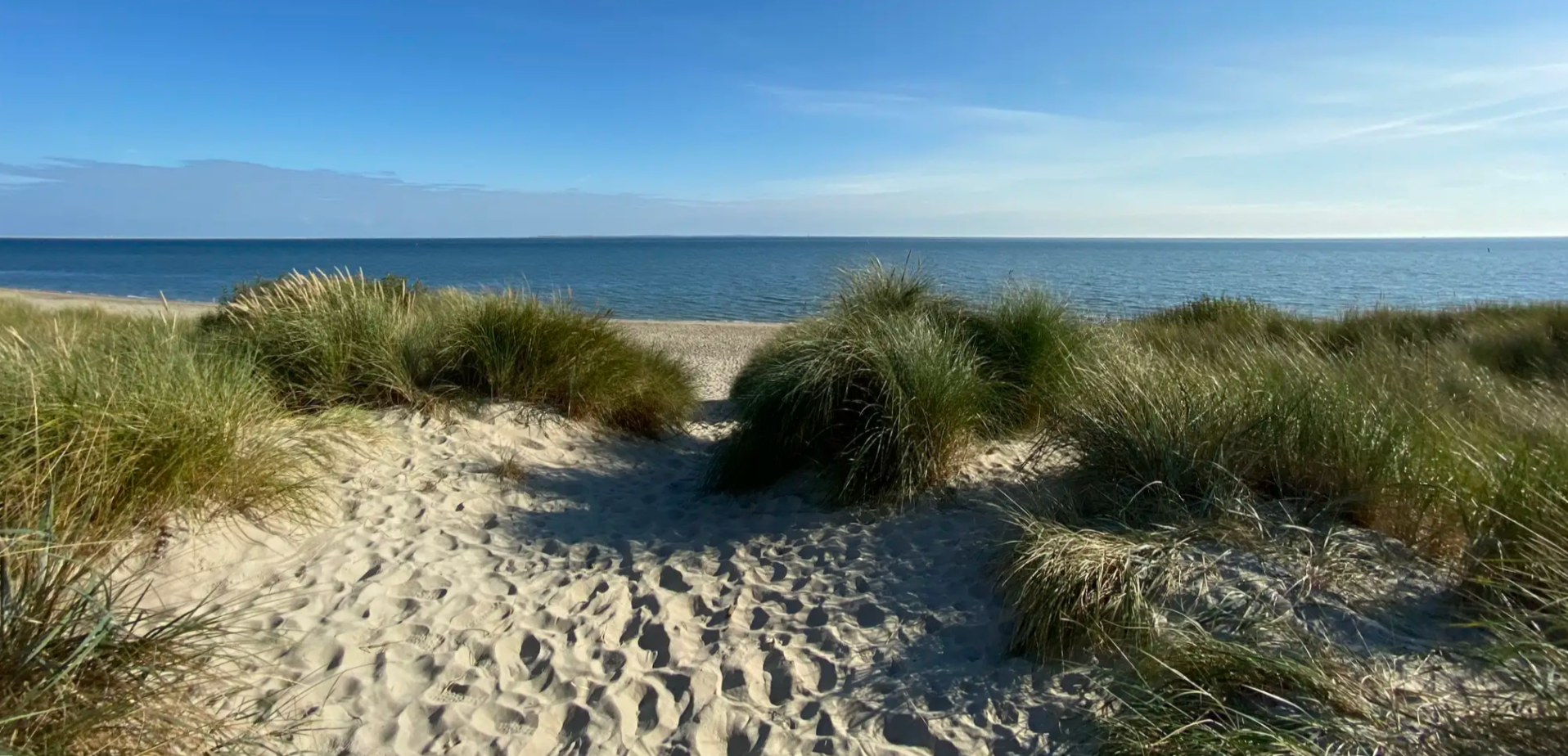
Regional Trail WaddenWalking (SP 04) - Hiking across the Wadden Sea.

Europe’s Seasonal Birding Hotspots
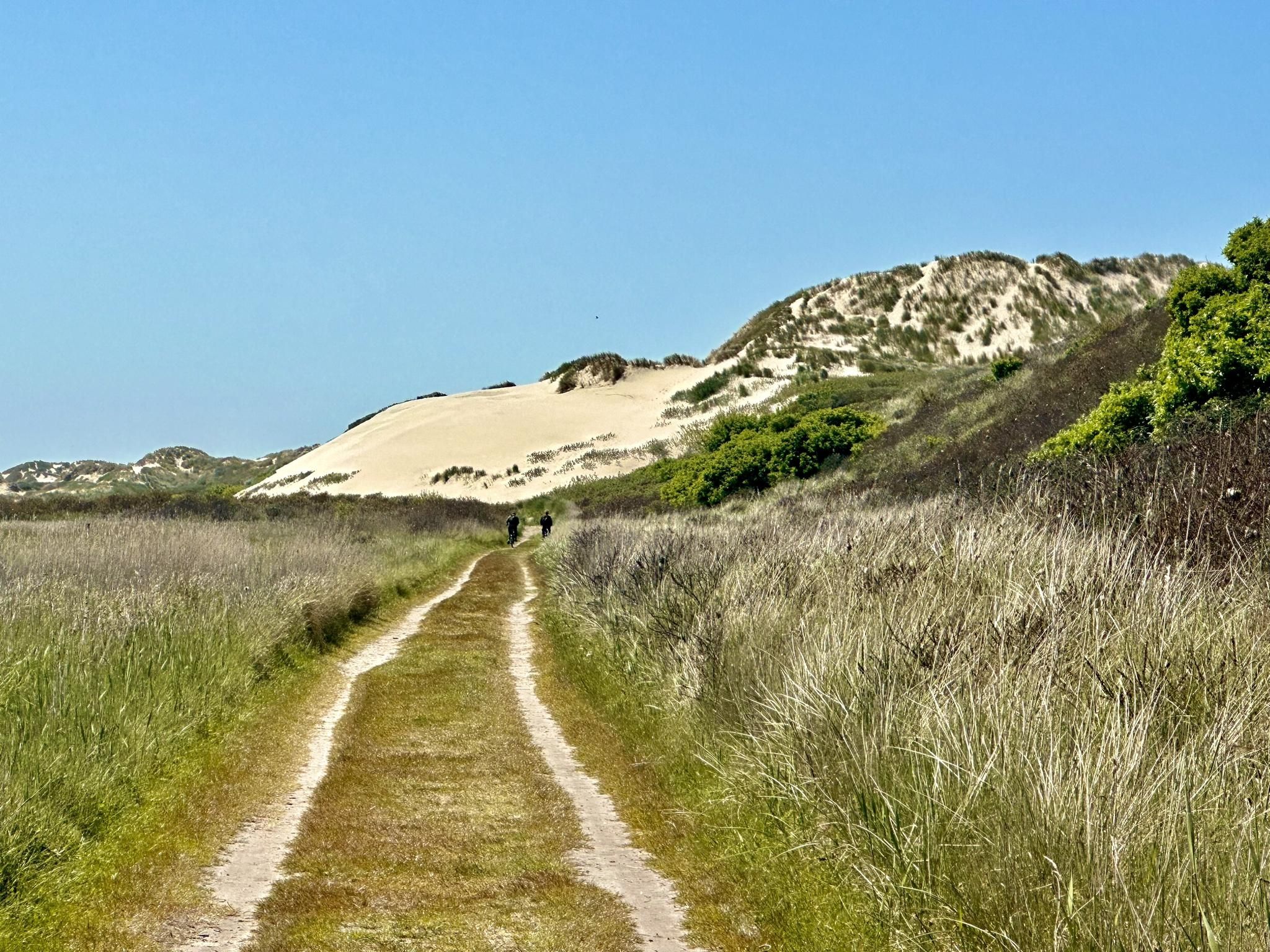
Smulling in the beach tent all year round - 5x walking on the Wadden
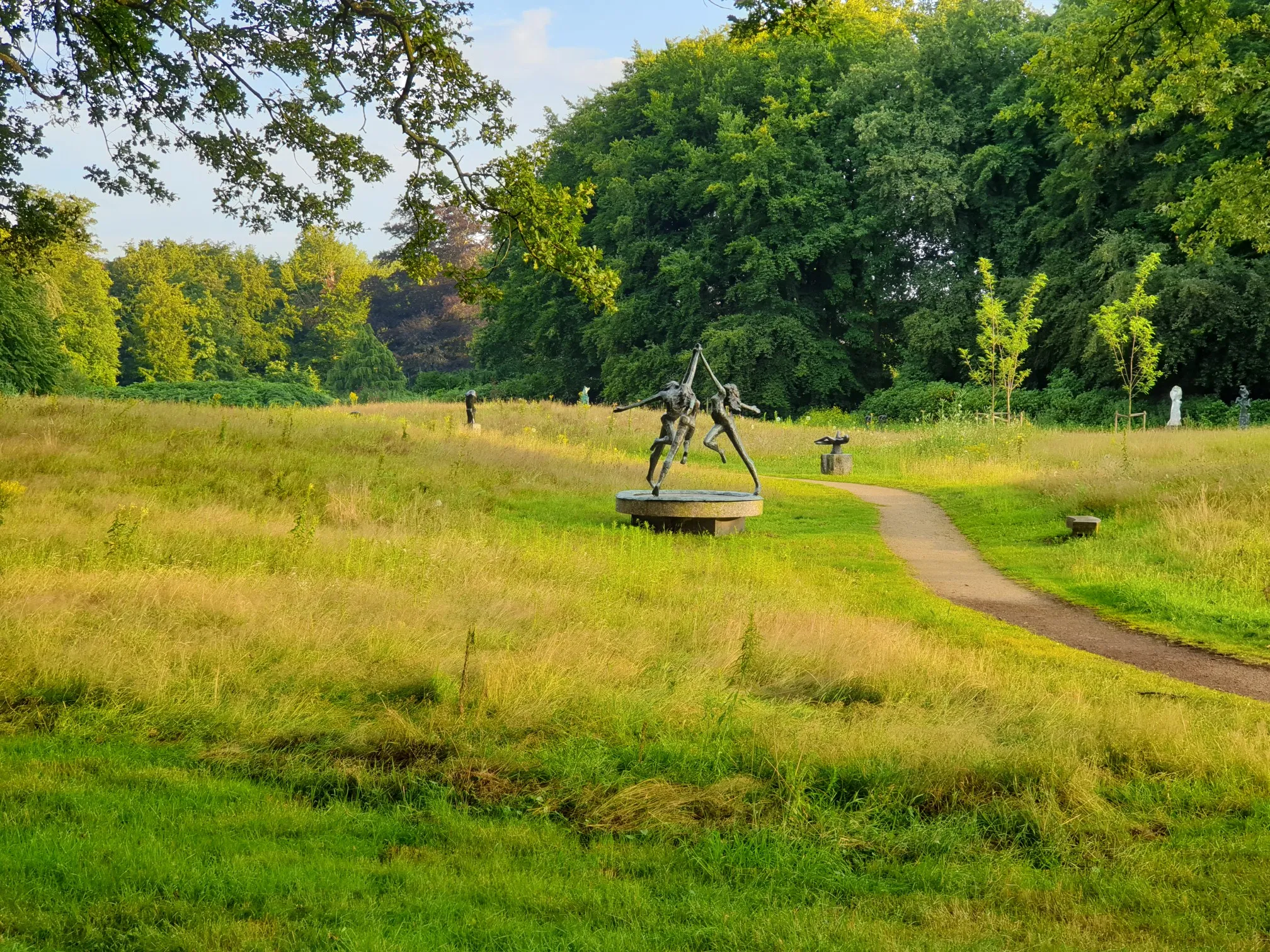
Nature & Culture – 15 Hikes along art in the wild
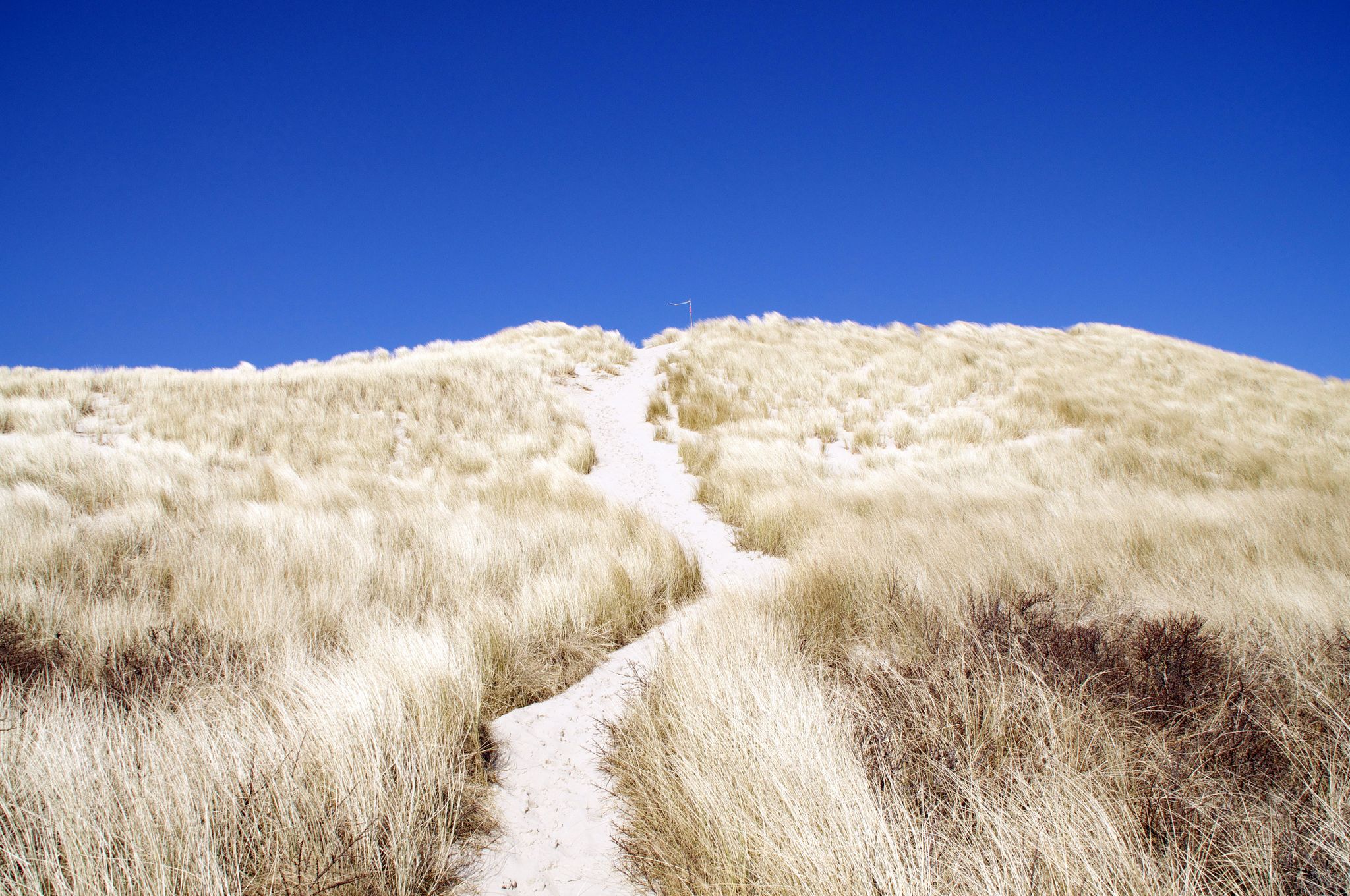
Birds, lighthouses and fish restaurants – trail runs on the Wadden Islands
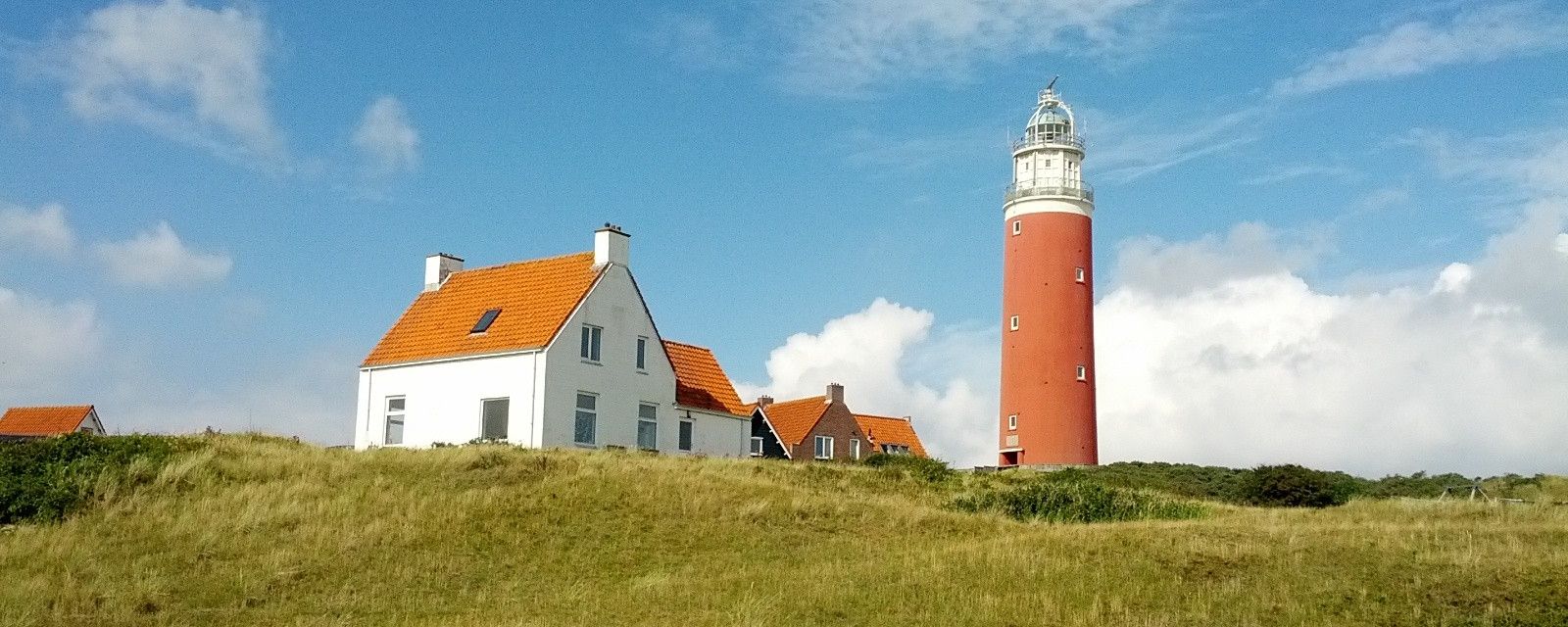
Sand dunes and beaches – best hikes along Netherland’s west coast
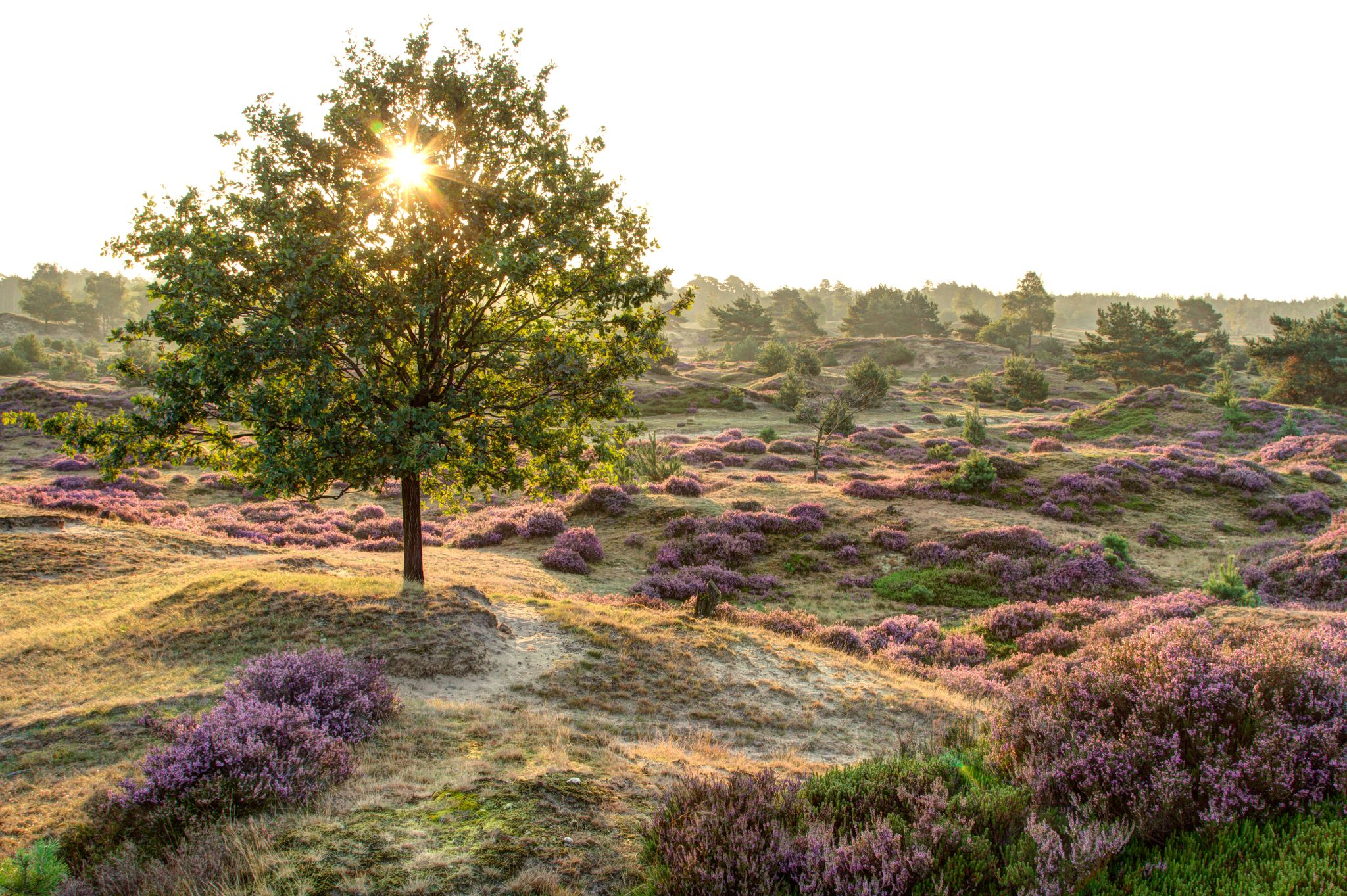
A complete hiking bucket list through every Dutch National Park
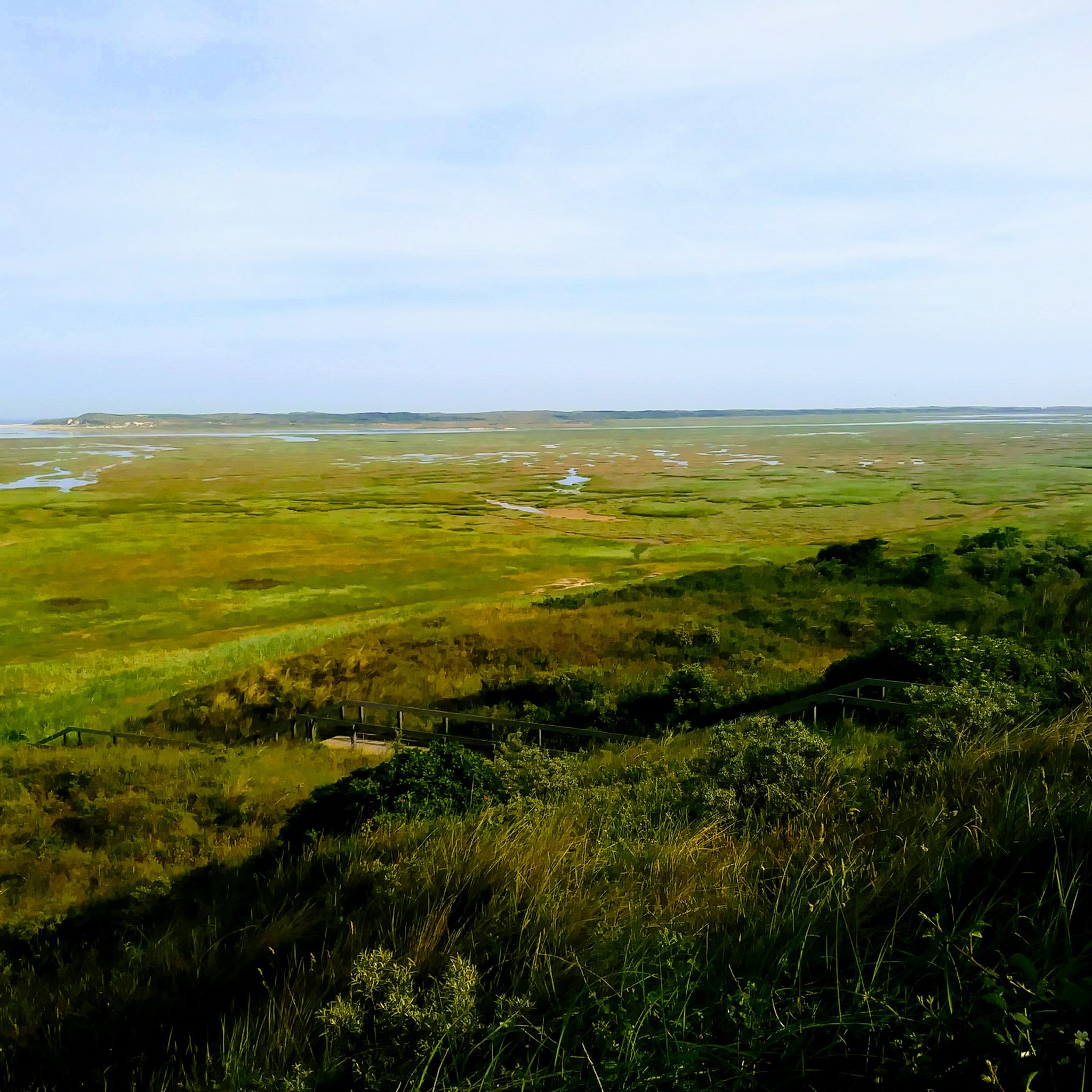
Hiking around Texel
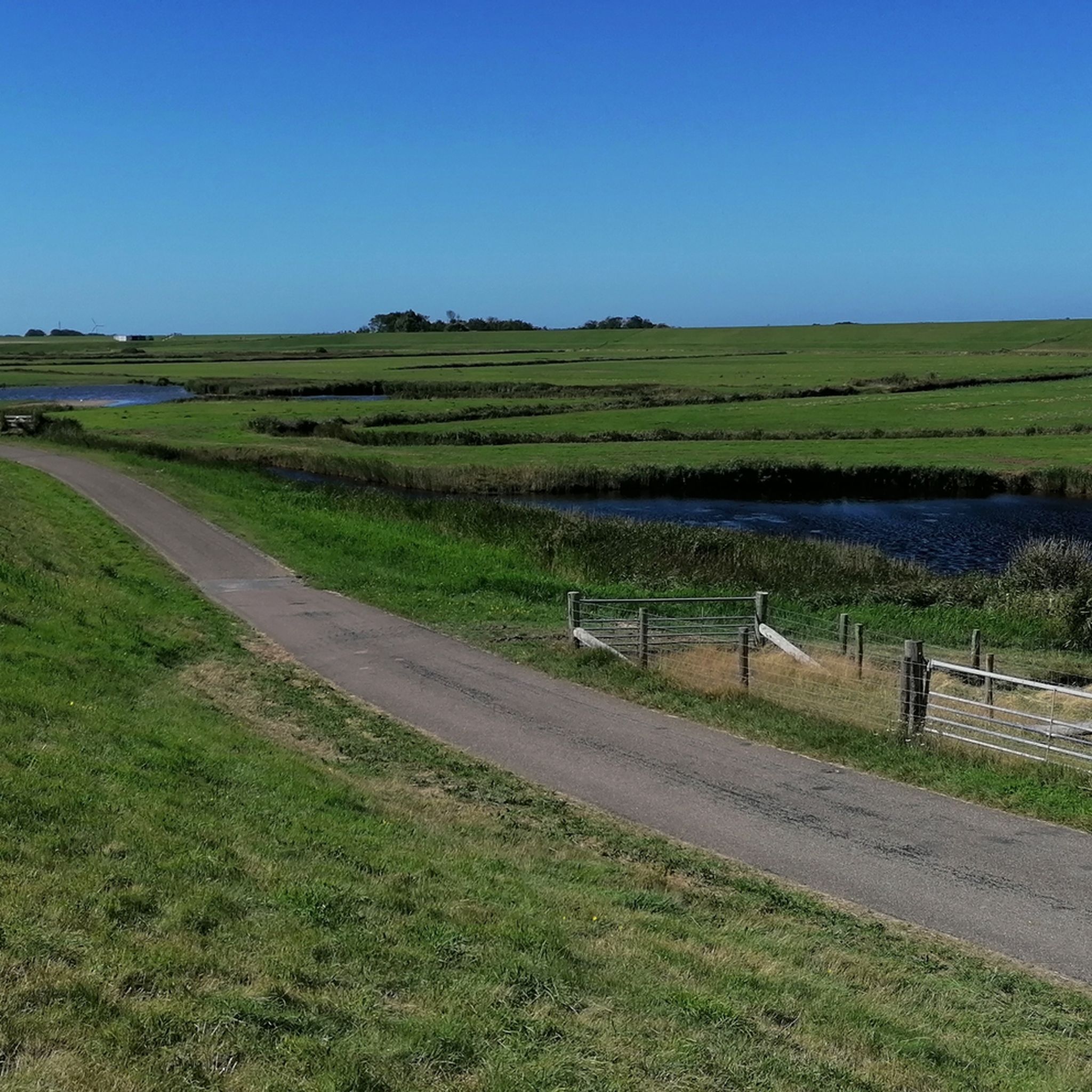
Cycling around Texel
Running Trails around Texel
Other adventures around Texel


Tips from the Community

A nature reserve with an unpaved cycle path but easy to cycle through.
0
0

Beautiful landscape, really beautiful 🤩
2
1

Great cycle paths and very beautiful scenery ✌🏻🇳🇱
2
0

Beautiful cycle paths lead through the nature-protected dunes of Texel.
4
0
The Texel lighthouse is 47 m high and has 118 steps. It is located on the north side and is the landmark of the island.
6
0


A beautiful view over the water area and the bike path from the south
2
0

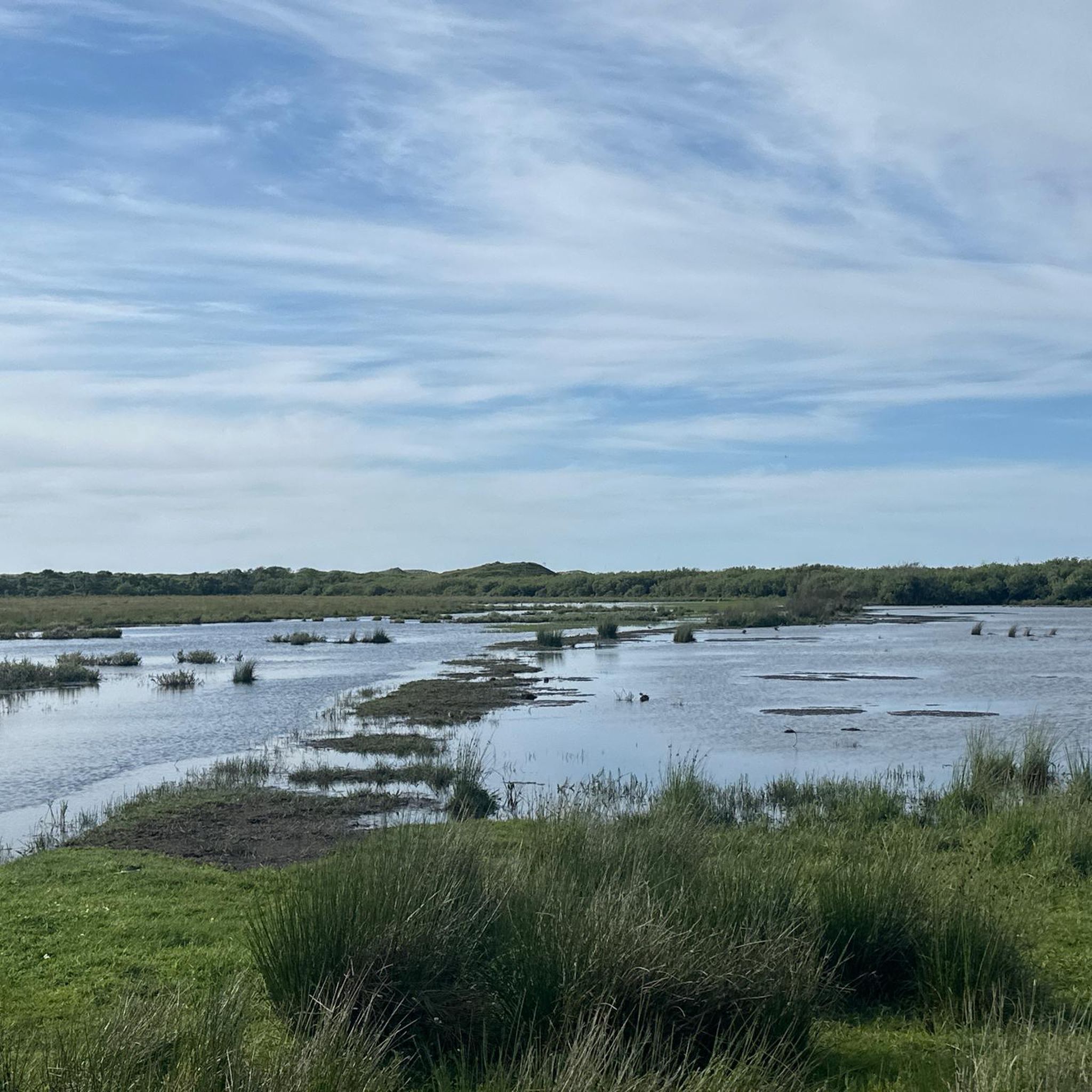
Great nature reserve! Many waterfowl to admire... 📸
3
0
Frequently Asked Questions
What are some of the most unique natural monuments to explore on Texel?
Texel offers a diverse range of natural monuments. A must-see is the Dunes of Texel National Park, which covers the entire dune system along the western coast, featuring beaches, heath, and woodlands. Another unique spot is De Slufter, where the North Sea freely floods the area, creating a dynamic landscape with salt-tolerant flora that turns purple in summer. You can also visit De Hoge Berg, an ancient Ice Age landscape known for its distinctive stone walls and sheep barns.
Are there good hiking trails near Texel's natural monuments?
Yes, Texel provides excellent hiking opportunities. You can explore routes like "The Slufter - National Park Dunes of Texel" or "Through De Muy - National Park Dunes of Texel." These trails range from easy to moderate difficulty. For more detailed routes and options, check out the Hiking around Texel guide.
Can I cycle through Texel's natural areas?
Absolutely. Texel is very bike-friendly. The Cycle path through the Dunes of Texel offers wide and easy-to-navigate paths through the protected dunes. You can also find road cycling routes like "Utopia Wetlands – Eierland Lighthouse loop from Waalenburg." Discover more cycling options in the Road Cycling Routes around Texel guide.
What kind of wildlife can I spot in Texel's natural monuments?
Texel is a birdwatcher's paradise. The Dunes of Texel National Park is home to approximately 80 breeding bird species annually, and tens of thousands of migratory birds use it as a resting ground. De Muy Nature Reserve is particularly famous for its large colonies of breeding spoonbills. You can also spot seals along the beaches and porpoises offshore. The Utopia Bird Sanctuary and Zandkes Bird Sanctuary are excellent spots to observe waterfowl.
Are there family-friendly natural monuments around Texel?
Many of Texel's natural monuments are family-friendly. The Dunes of Texel National Park offers various trails suitable for families, and the Cycle path through the Dunes of Texel is a great option for all ages. Areas like De Muy Nature Reserve and De Slufter provide engaging experiences for children to explore nature, though some paths in De Slufter can be muddy.
What is the best time of year to visit Texel's natural monuments?
The best time to visit depends on what you want to experience. Spring (April-May) is ideal for seeing lambs in areas like De Hoge Berg and for early birdwatching. Summer (July-August) is when the sea lavender in De Slufter blooms, turning the landscape purple, and is excellent for general outdoor activities. Autumn is great for migratory birds, and the landscapes transform with vibrant colors.
Where can I find panoramic views of Texel's natural landscapes?
For stunning views, head to De Hoge Berg, which offers panoramic vistas over the island and the Wadden Sea. The View of Texel Lighthouse provides a beautiful perspective along the dunes towards the iconic lighthouse. Additionally, lookout towers at the entrance to De Slufter offer breathtaking views of the dynamic, sea-influenced landscape.
What are the characteristics of the landscape in De Hoge Berg?
De Hoge Berg is one of Texel's oldest and most characteristic landscapes. It's an Ice Age boulder clay outcrop, featuring rolling terrain, unique stone walls known as "tuunwallen" (made of piled-up sod), and asymmetrical sheep barns ("schapenboeten"). This area offers a glimpse into Texel's traditional rural life and geological history, and it's recognized as an Icon Landscape of the Netherlands.
Are there opportunities for running near Texel's natural monuments?
Yes, Texel offers several running trails. You can find routes like "Trailrun De Seeting - National Park Dunes of Texel" or "Running through the dunes of Texel – trail runs on the Wadden Islands." These routes provide a great way to experience the natural beauty while exercising. More options are available in the Running Trails around Texel guide.
What makes De Slufter a unique natural monument?
De Slufter is unique because it's the only place in the Netherlands where the North Sea has free rein, regularly flooding the area at high tide. This creates a dynamic landscape of creeks and channels and supports unique salt-tolerant flora like sea lavender and glasswort. It's a vital breeding and resting area for numerous bird species and offers a rugged, unspoiled natural experience.
What are the main features of the Dunes of Texel National Park?
The Dunes of Texel National Park is an expansive area covering the entire dune system along Texel's western coast. It's a mosaic of diverse ecosystems, including beaches, dunes, heath, and woodlands, with wet dune valleys and freshwater areas. It's a critical habitat for various plant and animal species, especially birds, and offers extensive opportunities for walking and cycling.
Are there any historical or cultural elements within Texel's natural monuments?
Yes, De Hoge Berg is a prime example of a cultural-historical landscape. Its ancient Ice Age origins, combined with unique human adaptations like the "tuunwallen" (stone walls) and "schapenboeten" (sheep barns), tell a story of traditional Texel life and agricultural practices. It's officially recognized as an Icon Landscape of the Netherlands.
Most popular attractions around Texel

Get inspired with the komoot mobile app


Explore more
Extend your search for the best caves by checking out these guides of the top ones around Texel:
