Top 12 Castles around Weesp
Best castles around Weesp are found in a region characterized by its strategic location on the river Vecht and its historical fortifications. Weesp itself is a fortified town, part of the Dutch Water Line and the Defense Line of Amsterdam, a UNESCO World Heritage Site. The area features a mix of well-preserved medieval castles, historic manor houses, and defensive forts, reflecting centuries of Dutch history. These sites offer insights into the region's past and its innovative approach to defense.
Best castles around Weesp
- The most popular castles is Muiderslot (Muiden Castle), a castle that was built around 1285 as a defense and has served as a museum since 1878. This medieval fortress features impressive round corner towers, a moat, and interiors reflecting the Golden Age.
- Another must-see spot is Trompenburg Manor, a historical site. This manor, built in 1672, is shaped like a ship and stands in the middle of the water, known as one of the 100 most important monuments in the Netherlands.
- Visitors also love Sypesteyn, a castle with a museum and a large park. The castle's interior remains largely as its founder, Henri van Sypesteyn, left it in the 1930s, showcasing a rich collection including porcelain and family portraits.
- Weesp is known for its medieval castles, fortified manor houses, and defensive forts. Visitors can explore genuine medieval fortresses, historic estates, and structures that were part of the Hollandic Water Line.
- The castles around Weesp are appreciated by the komoot community, with more than 360 upvotes and over 240 photos shared by visitors.
Last updated: October 11, 2026
Trompenburg Manor
Highlight • Historical Site
Tip by

Muiderslot (Muiden Castle)
Highlight • Castle
Translated by Google •
Tip by

Sign up now to discover places like this
Get recommendations on the best single tracks, peaks, & plenty of other exciting outdoor places.
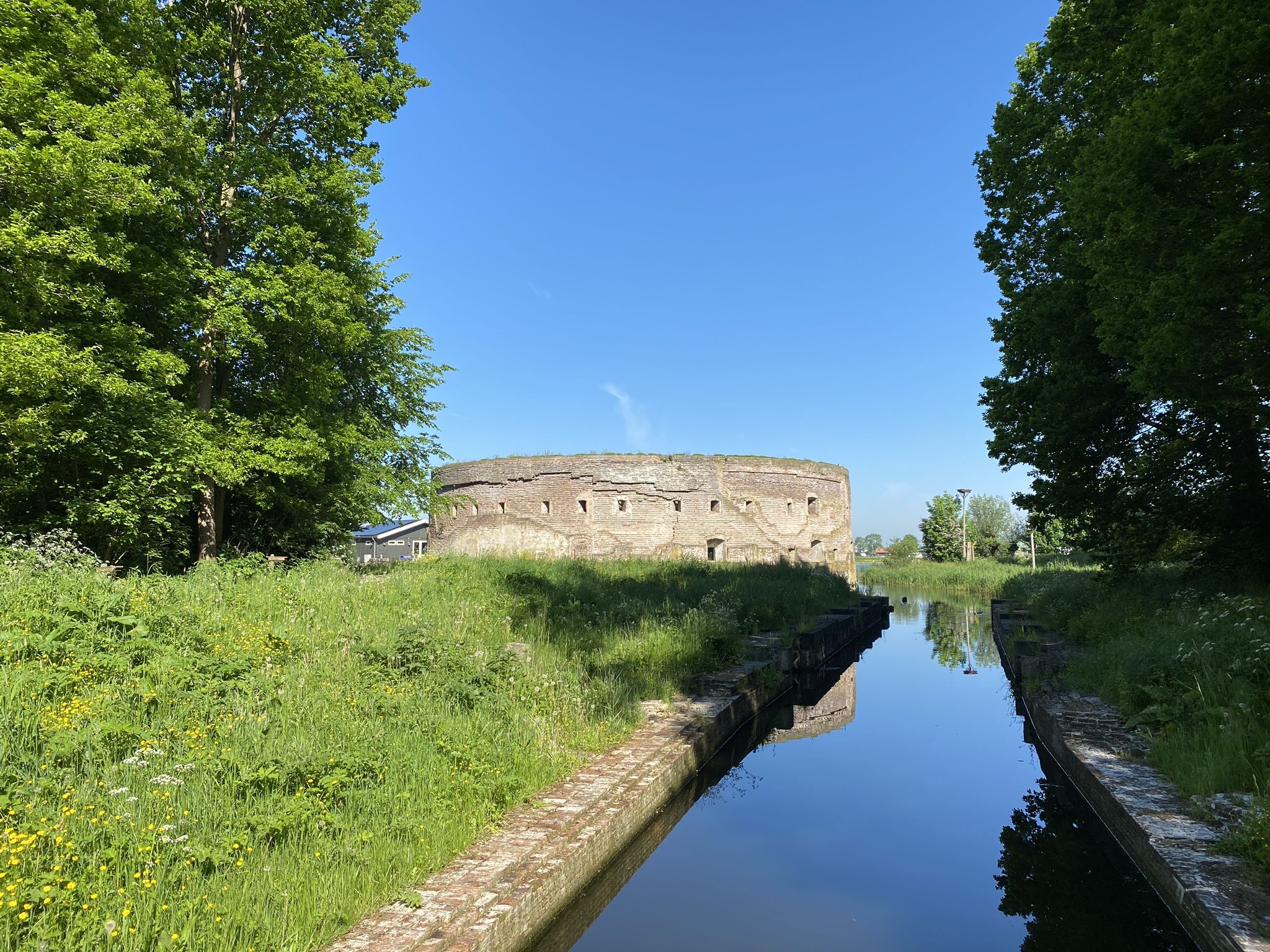
Fort Uitermeer
Highlight • Historical Site
Translated by Google •
Tip by

2. Schreierstoren (Weepers' Tower)
Highlight • Historical Site
Tip by

Sypesteyn
Highlight • Castle
The site is open daily from 11 a.m. to 5 p.m. You can find the current opening times for the museum on the website sypesteyn.nl.
Translated by Google •
Tip by

Sign up for free to discover even more castles around Weesp.
Already have an account?
Start today with a free account
Your next adventure awaits.
Popular around Weesp
History and Nature – walking the Waterliniepad
Reflecting on the paths of the Westerbork Trail
Floris V-pad long-distance hike – Dutch History on LAW 1-3
Around Amsterdam – Escape the city within 30 minutes by train
Cycling around Weesp
Road Cycling Routes around Weesp
Hiking around Weesp
Running Trails around Weesp

Gravel biking around Weesp
MTB Trails around Weesp
Other adventures around Weesp


Tips from the Community

Sypesteyn offers a unique glimpse into the world of Henri van Sypesteyn (1857-1937). Opposite the 15th-century Sijpekerk, the nobleman built the castle on old foundations at the beginning of the last century; the spot where he himself envisioned his ancestral home. This later turned out to be just a dream, but the result was a stylish building, surrounded by moats and a beautiful historic garden. With Sypesteyn, the nobleman wanted to honor his family. The castle's interior remains largely as the nobleman left it in the 1930s. During the guided tours, you'll discover all facets of the nobleman's rich collection, including the Armory, the Gothic Room, and the 17th-century Low Hall. On the first floor, Oriental and Dutch porcelain are on display, as well as many family portraits from the opulent life of the eighteenth century. (https://sypesteyn.nl/kasteel-museum/)
2
0

The village is known for the many estates that wealthy Amsterdammers had built here in the 17th century. First, large quantities of sand were dug up and transported to Amsterdam by barge. This sand was used to build the famous canal belt, among other things. Stately summer residences were then built on the vacant plots. The showpiece is without a doubt the Trombenburgh house, from 1672, which lies like a ship in the water. The client was Cornelis Tromp, the son of naval hero Maarten Harpertsz Tromp. From the terrace on the roof you could see the ships on the Zuiderzee at the time.
1
0

There are faster and more straightforward paths in the region. But if you're not necessarily looking to ride quickly, this is a beautiful highlight on your route. The paths are otherwise great for cycling.
2
0

Beautiful old fortress with good coffee around the corner.
0
0

Fort Uitermeer is part of the old and new Dutch water line and the defense line of Amsterdam. The fort has stood here in various guises: from an original redoubt from before 1589 to an earthen fort and later a bombproof fort. Nowadays you can enjoy coffee and pastries in this beautiful place. Would you like to trade in the legcar for the boat? Then this is also a very nice place to moor your sloop!
1
1
The visit is definitely worthwhile (bicycles must remain outside). Especially great for kids. There are always interesting events. If the entrance fee is too expensive, finally get a museum card.
5
0


Have a nice lunch inside, such a cozy restaurant
0
0
Frequently Asked Questions
Which castles offer a deep dive into history near Weesp?
For a true step back in time, visit Muiderslot (Muiden Castle). This medieval fortress, built around 1285, has served as a museum since 1878, showcasing 700 years of Dutch history with its preserved interiors and collections. Another historical gem is Sypesteyn, a castle museum where the interior remains largely as its founder left it in the 1930s, featuring a rich collection of porcelain and family portraits.
Are there family-friendly castles or historical sites around Weesp?
Yes, several sites are great for families. Muiderslot (Muiden Castle) offers interactive exhibits and historical re-enactments that engage visitors of all ages. Sypesteyn also has a large park perfect for leisurely strolls. Additionally, Fort Uitermeer and the Schreierstoren are tagged as family-friendly historical sites.
What kind of historical sites can I explore in Weesp besides traditional castles?
Weesp itself is rich in fortifications that were part of the Dutch Water Line and the Defense Line of Amsterdam. You can explore sites like Fort Uitermeer, a circular fort with a moat, or the bastions within Weesp's city walls, such as Roozenboom and Draaierschans, which are now parks. These offer insight into Dutch military history and innovative water-based defense systems.
Can I combine a castle visit with outdoor activities like hiking or cycling?
Absolutely! The region around Weesp is ideal for combining historical exploration with outdoor adventures. You can find numerous hiking and cycling routes that pass by these historical sites. For example, there are routes like the 'Great Sea Lock, Muiden – Muiderslot (Muiden Castle) loop from Weesp' for hiking, or the 'View of Muiderslot Castle – Lange Vecht Bridge, Weesp loop from Weesp' for cycling. You can find more routes on the hiking guide and cycling guide for Weesp.
How long does it typically take to visit Muiderslot Castle?
A visit to Muiderslot (Muiden Castle) can easily take 2-3 hours to fully explore the castle's interior, museum collections, and the beautifully maintained gardens. If you wish to participate in any special events or re-enactments, you might want to allocate more time.
Are there any castles with beautiful gardens or parks to explore?
Yes, Muiderslot (Muiden Castle) is surrounded by meticulously maintained herb gardens, medieval-style gardens, and a plum orchard, modeled after the Dutch Golden Age. Sypesteyn also boasts a large, historic park that invites idyllic walks around the castle.
What is the best time of year to visit the castles near Weesp?
The spring and summer months (April to September) are generally ideal, as the weather is pleasant for exploring the castle grounds and gardens, and all attractions are typically open with extended hours. The gardens at Muiderslot and Sypesteyn are particularly vibrant during these seasons. However, visiting in the off-season can offer a quieter experience.
Are there cafes or restaurants near the castles for a break?
Yes, you can find options for refreshments. Fort Uitermeer offers a place to enjoy coffee and pastries. Sypesteyn also has a café within its premises. Additionally, the towns of Muiden and Weesp, where these sites are located, offer various dining options.
What makes Trompenburg Manor unique among the historical sites?
Trompenburg Manor, built in 1672, is unique for its distinctive ship-like shape and its location in the middle of the water. It was commissioned by Cornelis Tromp, son of naval hero Maarten Harpertsz Tromp, and is considered one of the 100 most important monuments in the Netherlands. It offers a glimpse into the stately summer residences built by wealthy Amsterdammers in the 17th century.
What is the significance of Weesp's own fortifications?
Weesp's fortifications, including Fort Ossenmarkt and its bastions, are significant as they were integral parts of the Hollandic Water Line and later the Defense Line of Amsterdam, a UNESCO World Heritage Site. These structures highlight the Netherlands' innovative use of water for defense, designed to strategically flood surrounding land to deter invaders. They offer a unique perspective on Dutch military history.
Are there any archaeological sites related to castles in the Weesp area?
While not a standing castle, the site of 't Huijs ten Bosch, a medieval castle built after 1220 and destroyed in 1672, was lost for 350 years before its rediscovery through archaeological study. Although you cannot enter a preserved structure, ongoing excavations reveal foundation walls and the outline of a moat, offering a fascinating glimpse into Weesp's deeper medieval past for those interested in archaeology.
Where can I find the best viewpoints near the castles?
For scenic views, the eastern bastions of Weesp, Bakkerschans and Nieuw Achtkant on the Ossenmarkt, offer picturesque vistas over the Vecht river and local windmills. Near Muiderslot (Muiden Castle), the surrounding water and gardens provide excellent photo opportunities and viewpoints of the impressive medieval fortress.
Most popular attractions around Weesp

Get inspired with the komoot mobile app


Explore more
Looking for the best castles somewhere else? Discover other guides around Weesp:
