Top 20 Castles around Wijk Bij Duurstede
Best castles around Wijk Bij Duurstede include Kasteel Duurstede, a prominent medieval castle with a rich history. This site originated in the 13th century as a defensible residential tower and underwent significant expansion and fortification through the centuries. Situated on a picturesque castle island, it offers a tangible connection to Dutch medieval and Renaissance periods. The area provides a scenic setting for exploring historical architecture and cultural heritage.
Best castles around Wijk Bij Duurstede
- The most popular castles is Amerongen…
Last updated: August 11, 2026
Amerongen Castle
Highlight • Castle
Translated by Google •
Tip by

Zeist Castle
Highlight • Castle
Once the pleasure resort of Willem Adriaan, Count of Nassau-Odijk and grandson of Prince Maurits.
Now the ideal setting for royal events, soaking up history or enjoying art …
Translated by Google •
Tip by

Sign up now to discover places like this
Get recommendations on the best single tracks, peaks, & plenty of other exciting outdoor places.
Sign up for free
Fort bij Vechten
Highlight • Historical Site
Translated by Google •
Tip by
Sterkenburg Castle
Highlight • Castle
Translated by Google •
Tip by

Sandenburg Castle
Highlight • Castle
Translated by Google •
Tip by

Sign up for free to discover even more castles around Wijk Bij Duurstede.
Sign up for free
Already have an account?
Start today with a free account
Your next adventure awaits.
Login or Signup
Popular around Wijk Bij Duurstede
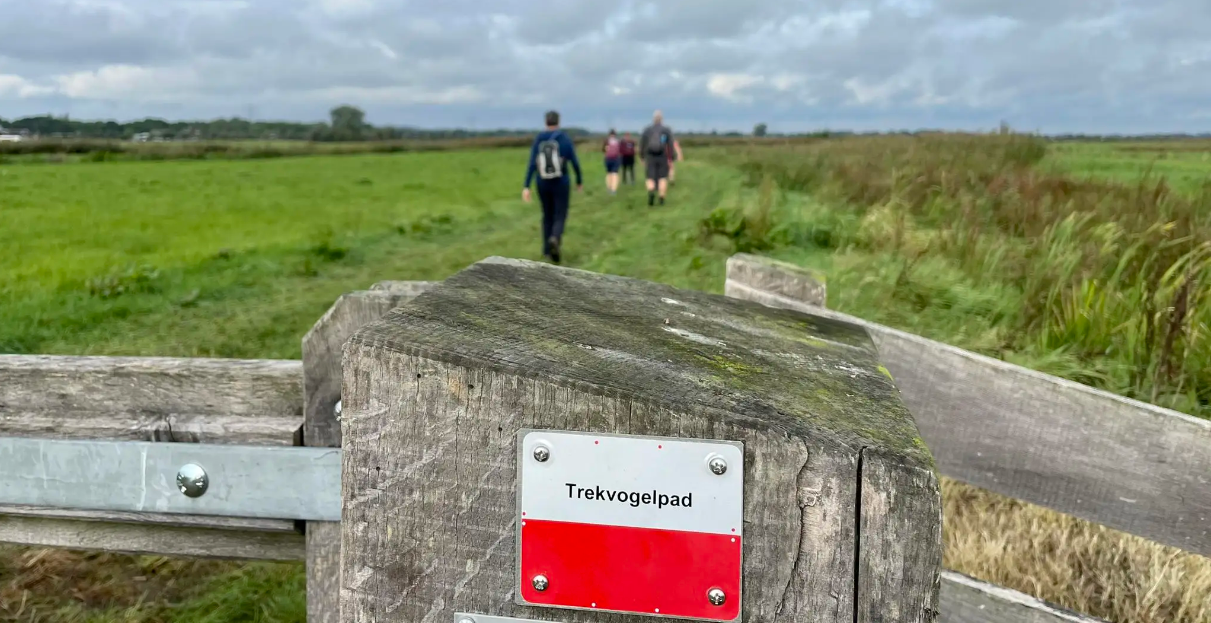
Trekvogelpad (LAW 2) – Bird watching from Bergen aan Zee to Enschede
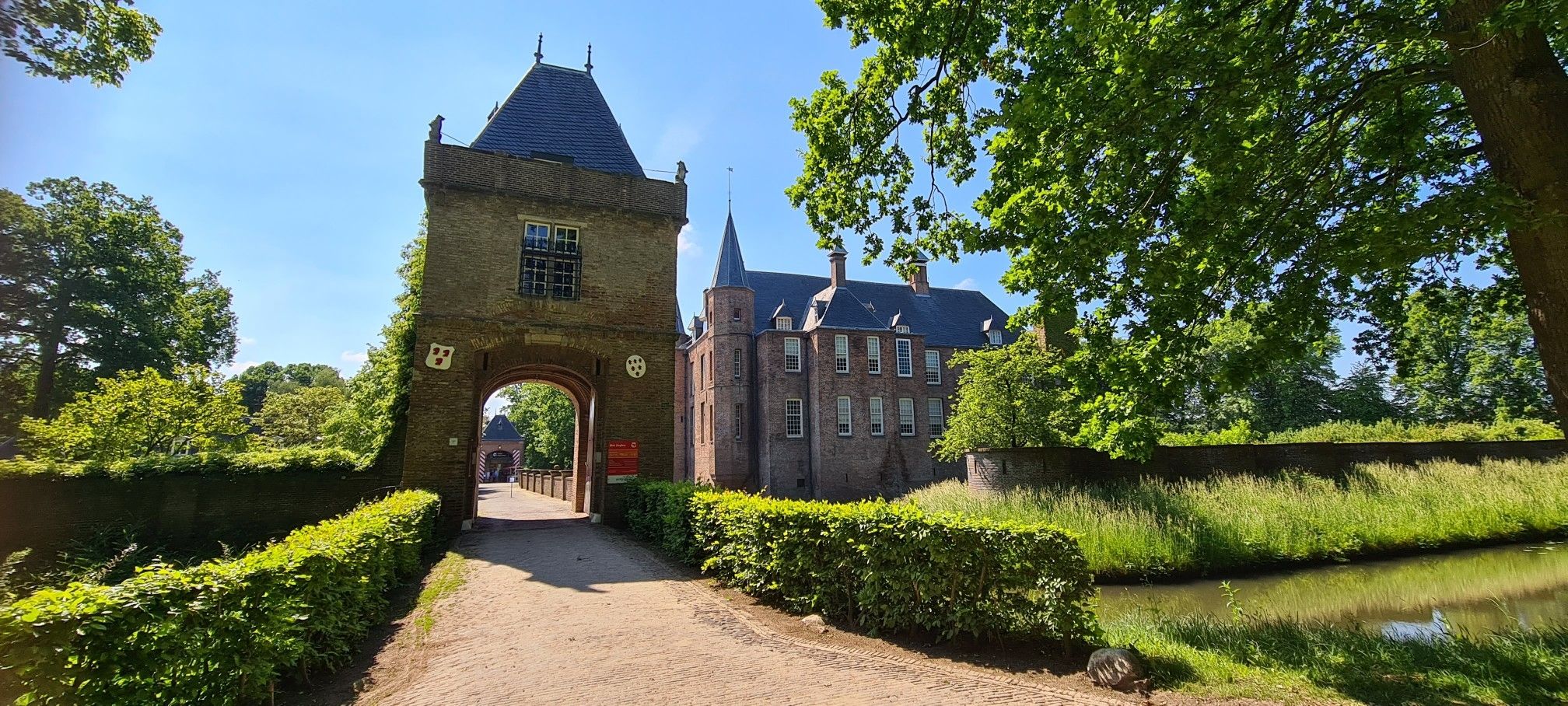
Discover the versatile province of Utrecht on foot – The Utrechtpad
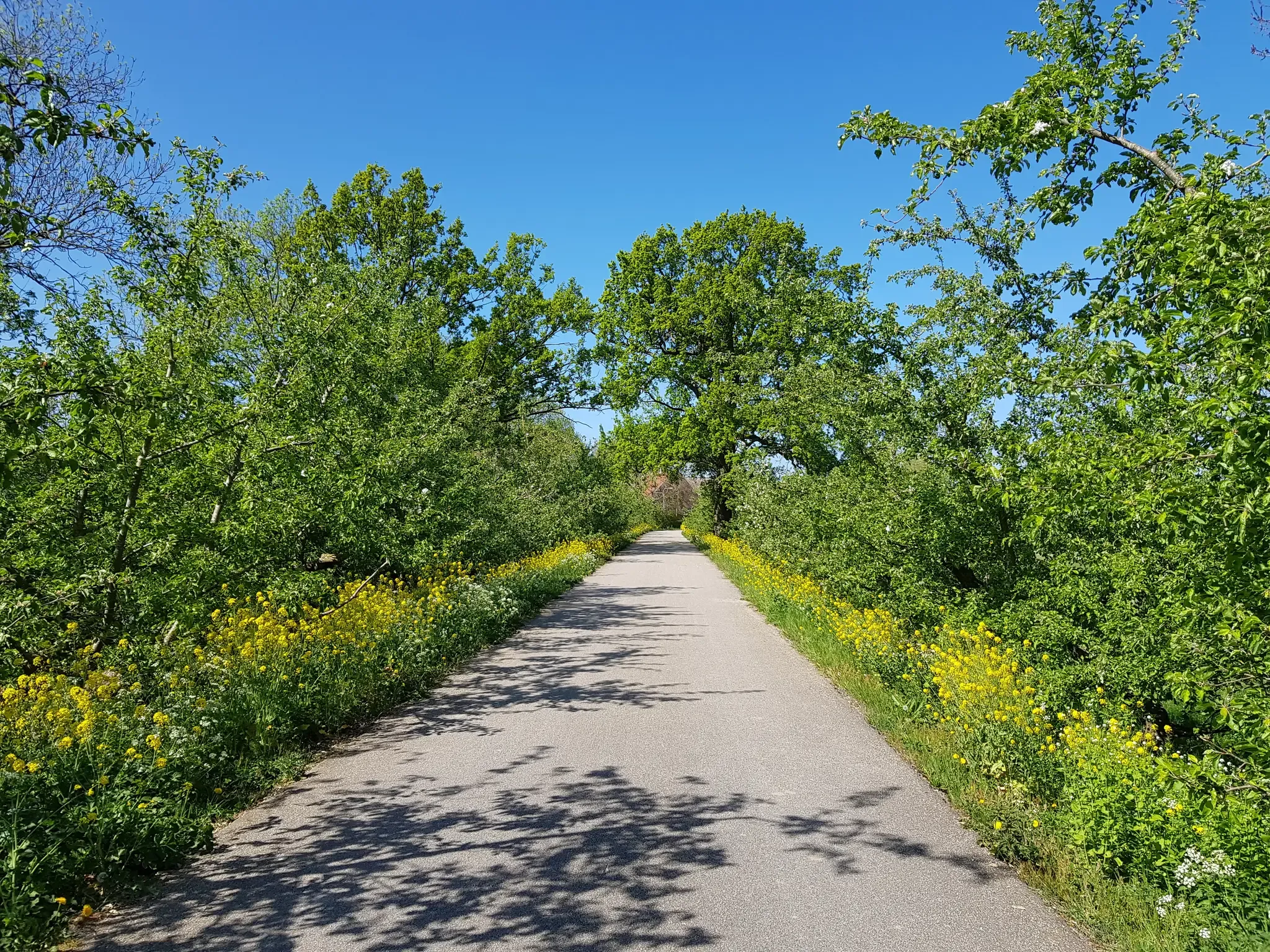
The tastiest fruit routes by bike — four routes through all of the Netherlands
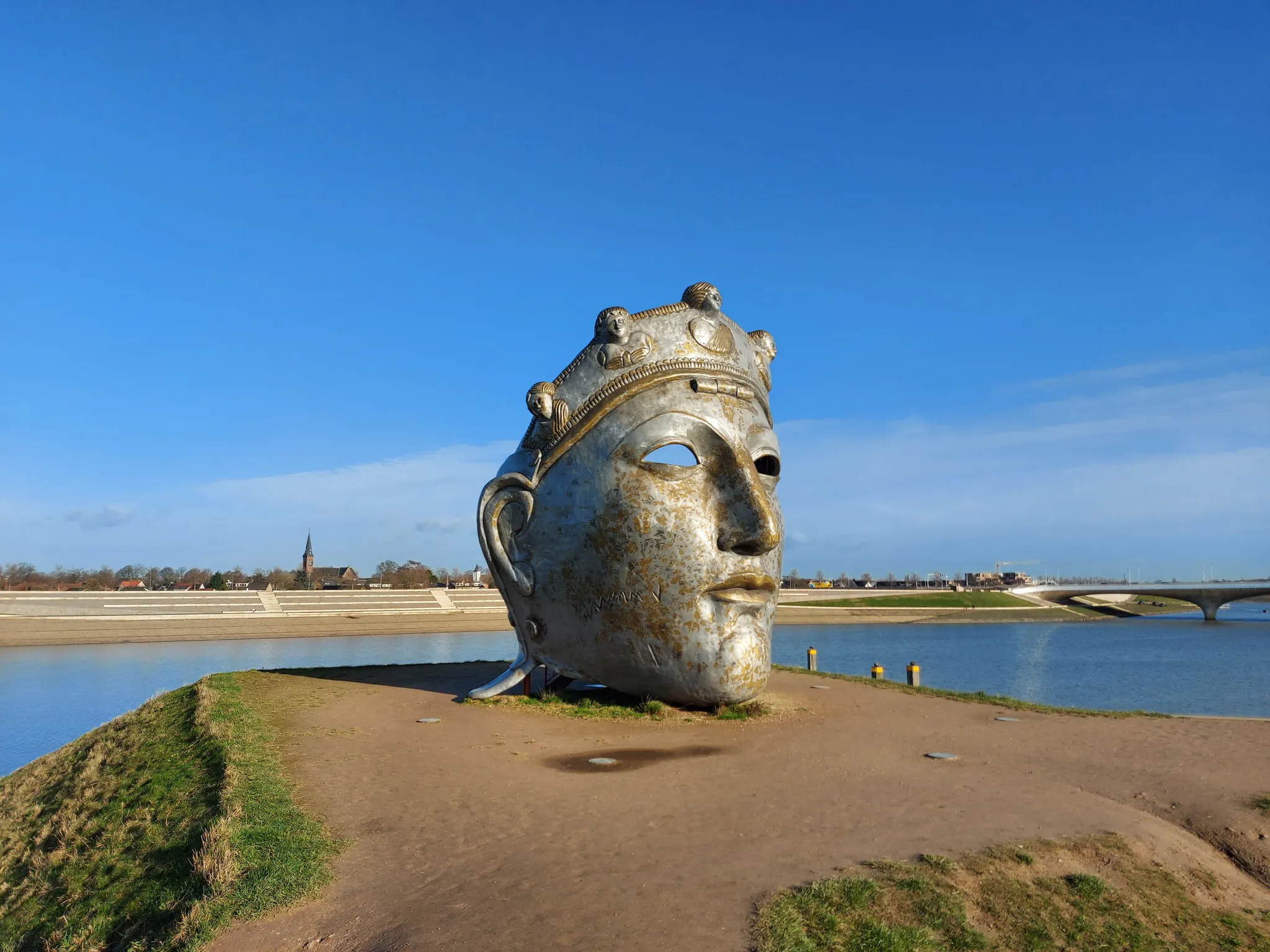
In the footsteps of the Romans on the Roman Limes Trail
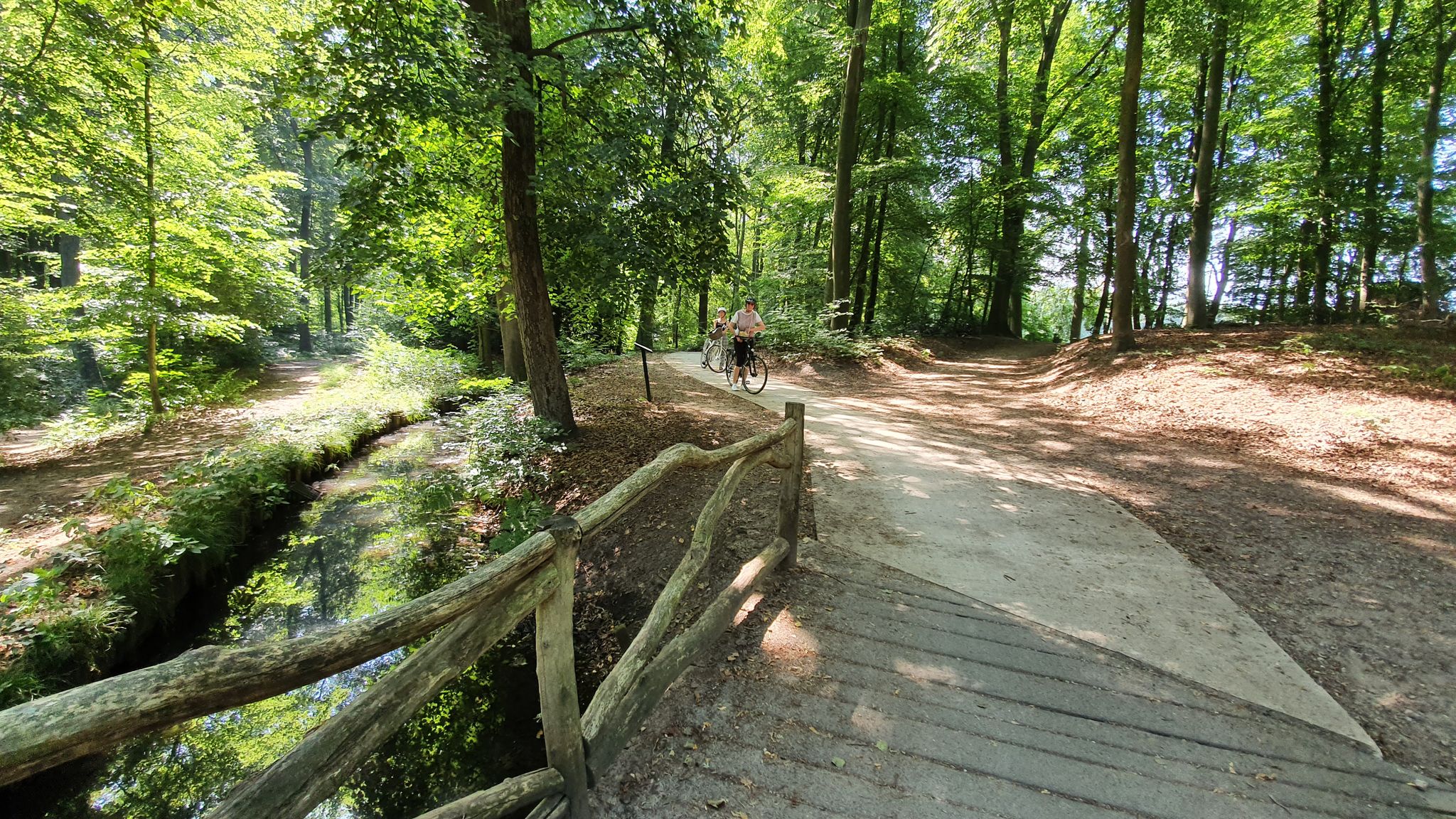
Dutch landscapes from west to east – Middle of Holland Cycle Route
LF-routes
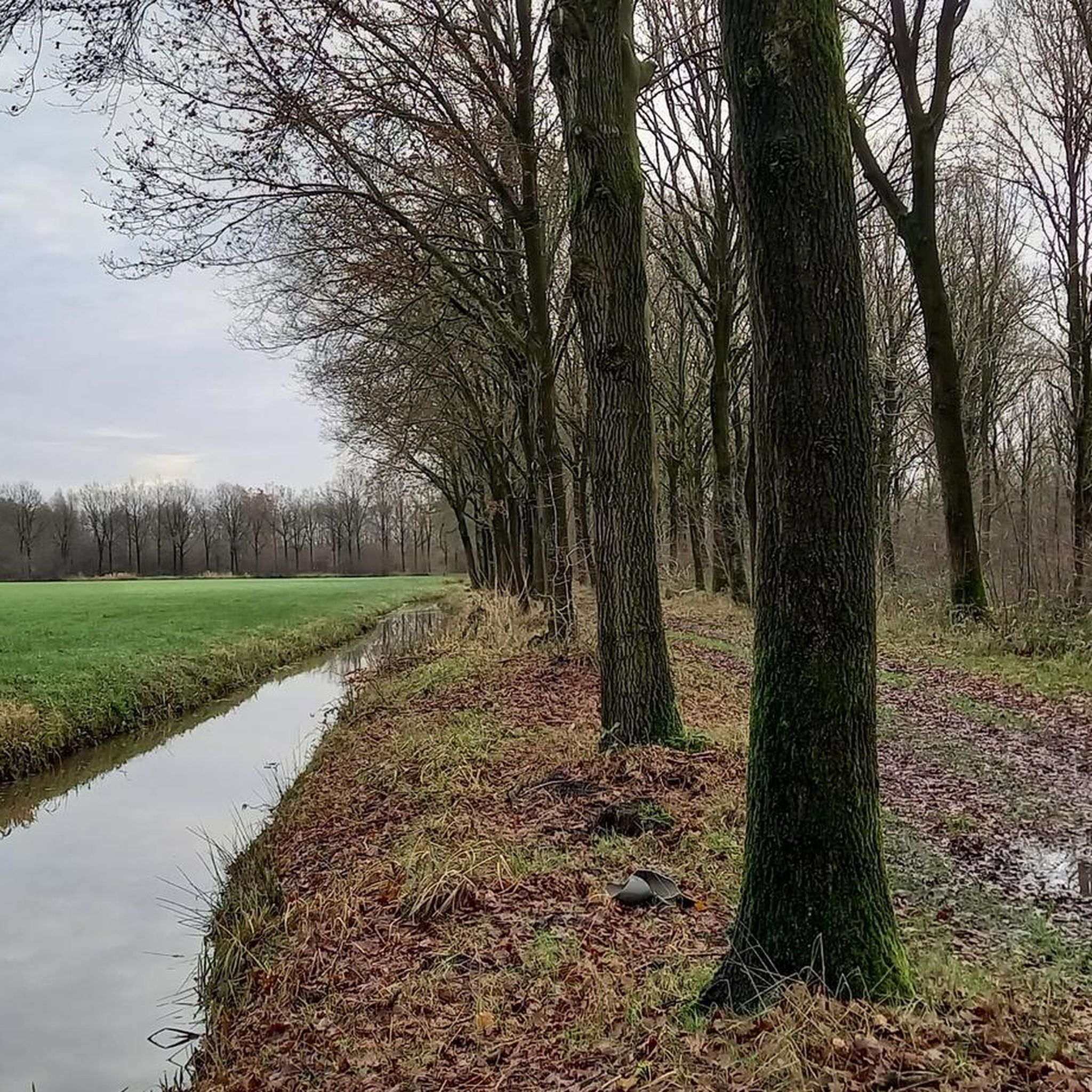
Cycling around Wijk Bij Duurstede
Road Cycling Routes around Wijk Bij Duurstede

Gravel biking around Wijk Bij Duurstede
Hiking around Wijk Bij Duurstede
Other adventures around Wijk Bij Duurstede


Tips from the Community

The Orangerie restaurant is open Tuesday through Sunday from 10:00 AM to 5:00 PM. Closed on Mondays, unfortunately.
1
0

Around 1300, Sandenburg was first mentioned as a "residential tower with six marrows of land." At that time, Sandenburg was nothing more than a fortified tower; the white-plastered extension and outbuildings only date from the 19th century. Many fortified towers were built in the Langbroekerwetering area during the Middle Ages. The Bishop of Utrecht and his neighbor, the Duke of Guelders, had little affection for each other at the time, and to protect their territory from a possible invasion, watchtowers were built in the border region. Sandenburg was one such watchtower. Over time, the tower was expanded into a residential tower and castle. In 1538, Sandenburg was recognized as a Knight's Court. By then, the castle had grown into a fully moated complex with a tower, several residential wings, and an outer bailey. In 1792, the Sandenburg Estate was purchased by G.C.C.J. Baron van Lynden. He thus became "Lord of Sandenburg," and the family name changed to Van Lynden van Sandenburg. The Knight's Manor had been almost entirely demolished before 1792. Only the square, four-story residential tower remained. Between 1861 and 1864, the Van Lyndens expanded this tower into a castle. Designed by the renowned architect Van Lunteren, the building was constructed in the romantic, neo-Gothic style, with its characteristic whitewashed walls and towers. The park surrounding the castle was laid out in the current English landscape style. Adjacent to the castle were the Coach House, the Orangery, and the Gatekeeper's House. The coachman's house was built against the rear of the Orangery, where the poet Gerrit Achterberg was born in 1905. During the 18th and 19th centuries, the Sandenburg Estate expanded through acquisition and inheritance. By the end of the 19th century, the estate had grown to over 600 hectares. (https://www.sandenburg.nl/historie/)
0
0

Beautiful castle, with a large garden with modern art!
1
0


Zeist Castle (Dutch: Slot Zeist) is a 17th-century castle in the Dutch municipality of Zeist, built as a pleasure palace for Willem Adriaan van Nassau-Odijk. The castle was designed by the architect Jacob Roman. It is surrounded by an English landscape park and the Brothers and Sisters Square (Broederplein and Zusterplein). The richly decorated and furnished building (one of the most interesting castles in the whole of the Netherlands) has limited access (afternoons only) on weekends and during the summer holidays.
2
0

Beautiful fort with interesting Waterline museum.
0
0
Frequently Asked Questions
What makes Kasteel Duurstede a significant historical site to visit?
Kasteel Duurstede is a prominent medieval castle with a rich history, originating in the 13th century as a defensible residential tower. It underwent significant expansion and fortification, notably by Bishop David of Burgundy, who transformed it into a large stronghold with the impressive Burgundian Tower. Visitors can explore its robust medieval architecture, including the original Donjon and the towering Burgundian Tower, and appreciate its scenic location on a moated island. The castle offers a tangible connection to the medieval and Renaissance periods of Dutch history.
Are there family-friendly castles to visit around Wijk Bij Duurstede?
Yes, several castles in the area are considered family-friendly. Amerongen Castle, Zeist Castle, and Fort bij Vechten are all categorized as family-friendly. These sites often offer engaging experiences for all ages, from exploring historical grounds to enjoying the surrounding estates.
What kind of outdoor activities can I do near the castles in Wijk Bij Duurstede?
The area around Wijk Bij Duurstede offers a variety of outdoor activities. You can find numerous hiking, cycling, and gravel biking routes that often pass by or near these historical sites. For instance, there are easy to difficult hiking trails like the 'Bench With a View of the River – Harbour loop' or the 'Kromme Rijn Towpath – Hardenbroek Castle loop'. Cyclists can enjoy routes such as the 'Blossom bike route' or the 'Rhine Cycle Route'. Explore more options on the hiking guide, cycling guide, and gravel biking guide for Wijk Bij Duurstede.
Can I visit the interior of Kasteel Duurstede?
While much of Kasteel Duurstede fell into ruin after the 16th century, the inner courtyard and two main towers – the original Donjon and the Burgundian Tower – have been restored. During the summer, the castle island is often open to the public, and special events sometimes allow access to the monument, including the restored towers and some medieval halls. It's advisable to check local listings for current opening times and event schedules.
Are there any castles known for their gardens or estates?
Yes, Zeist Castle, originally built as a pleasure resort, is particularly known for its beautiful garden. Parc Broekhuizen is another beautiful estate where a walk in the park is highly recommended, offering scenic views of the country house and surrounding nature.
What is the best time of year to visit the castles around Wijk Bij Duurstede?
Visiting during spring or summer often provides the best experience, as the weather is generally pleasant for exploring castle grounds and nearby outdoor routes. During these seasons, castle islands like Kasteel Duurstede are more frequently open to the public, and the surrounding parks and estates are in full bloom. Winter visits can offer a different, quieter charm, but access to certain areas or events might be limited.
Where can I find parking when visiting Kasteel Duurstede?
While specific parking details for Kasteel Duurstede are not provided, castles in the region often have designated parking areas nearby or in the adjacent towns. For Parc Broekhuizen, parking is available on the estate. It is recommended to check local signage or the castle's official website for the most accurate and up-to-date parking information before your visit.
What historical events are associated with castles in this region?
The castles in this region are steeped in history. Amerongen Castle is historically significant as the place where German Emperor Wilhelm II signed his deed of abdication after World War I. Kasteel Duurstede itself has a rich past, evolving from a 13th-century keep to a grand fortified residence, and was once home to powerful bishops like David and Philip of Burgundy. Fort bij Vechten, built between 1867 and 1870, is an important part of the New Dutch Waterline, a historical defense line.
Are there any castles that are less well-known but still worth visiting?
While Kasteel Duurstede, Amerongen Castle, and Zeist Castle are popular, Parc Broekhuizen and Sterkenburg Castle offer unique experiences. Parc Broekhuizen is a beautiful estate with a country house, now a catering and hotel destination, perfect for a leisurely walk. Sterkenburg Castle has a long and intriguing history dating back to before 1300, with its origins tied to the Van Wulven family, and is recognized as a knight's court.
What kind of architectural styles can I expect to see among the castles?
The castles around Wijk Bij Duurstede showcase a range of architectural styles reflecting different historical periods. Kasteel Duurstede, for example, evolved from a 13th-century medieval keep to a 15th-century fortified stronghold with four round corner towers, later embellished with Renaissance features like large windows. Zeist Castle is a grand seventeenth-century pleasure resort, featuring chandeliers, sculptures, and ceiling paintings. Fort bij Vechten represents a different type of historical architecture, as a 19th-century Dutch fort built with 16 million bricks.
Are there opportunities for long-distance cycling routes that include castles?
Yes, the region offers long-distance cycling routes that incorporate castle views and historical sites. The 'Rhine Cycle Route - 04: Wijk bij Duurstede to Gorinchem' is a moderate 61 km route that allows you to experience the landscape along the river. Other routes like the 'Lekdijk – View of the River Lek loop' also provide extensive cycling opportunities near the region's historical landmarks. You can find more details in the cycling guide for Wijk Bij Duurstede.
Most popular routes around Wijk Bij Duurstede
Most popular attractions around Wijk Bij Duurstede

Get inspired with the komoot mobile app


Explore more
Looking for the best castles somewhere else? Discover other guides around Wijk Bij Duurstede:
