The best running trails around Kissenbrück
3.8
(7)
219
runners
29
runs
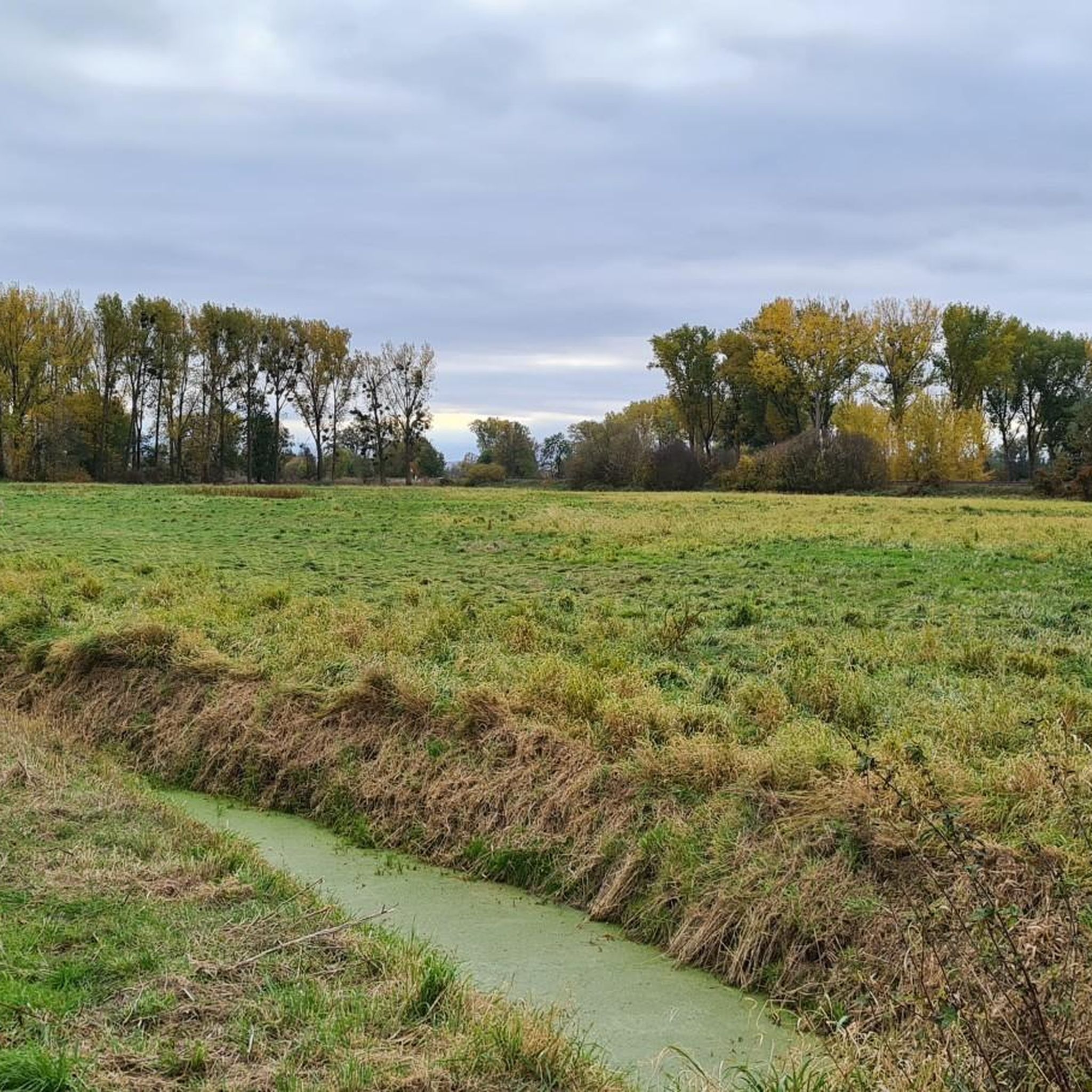
Jogging around Kissenbrück offers diverse natural landscapes, with routes along the Oker and Schunter rivers providing flat paths and water views. The area features expansive green meadows and dense forests, offering varied terrain for runners. Located near the Harz Mountains, Kissenbrück also provides access to the rolling hills of the Northern Harz Foreland for more challenging running routes.
Best jogging routes around Kissenbrück
- The most popular jogging route is Bungenstedter Tower Windmill – Scenic Cycling and Walking Path loop from…
Last updated: July 10, 2026
39
runners
Hard run. Very good fitness required. Mostly paved surfaces. Suitable for all skill levels.
19
runners
10.0km
01:03
40m
40m
Moderate run. Good fitness required. Mostly paved surfaces. Suitable for all skill levels.

Sign up for free
19
runners
14.2km
01:29
90m
90m
Moderate run. Good fitness required. Mostly paved surfaces. Suitable for all skill levels.
13
runners
6.43km
00:40
20m
20m
Moderate run. Good fitness required. Mostly paved surfaces. Suitable for all skill levels.
3.0
(1)
9
runners
5.72km
00:36
40m
40m
Moderate run. Good fitness required. Mostly paved surfaces. Suitable for all skill levels.
Get access to more routes and recommendations from other explorers.
Sign up for free
Already have an account?
Our route recommendations are based on thousands of hikes, rides, and runs completed by other people on komoot.
Start today with a free account
Your next adventure awaits.
Login or Signup
Tips from the Community

A significant monument in Ohrum that commemorates the establishment of the German Empire under Kaiser Wilhelm I. The stone also bears the names of those from Ohrum who participated in the campaign against France in 1870-71. An interesting place for a short historical excursion in the middle of the village.
0
0
A must-stop for history buffs on the gravel loop between Wolfenbüttel and Schladen! The imposing war memorial in Dorstadt is located directly on the route and offers a good opportunity for a short breather. The monument commemorates the fallen of the World Wars, but is set in a much larger historical context: it looks directly onto the grounds of the former Augustinian convent (founded 1189), which is now known as Rittergut Dorstadt. The baroque architecture of the manor complex in the background makes for a great photo opportunity. The path here often leads over beautiful, firm gravel paths along the Oker – pure graveling with a good dose of culture. Stop briefly, enjoy the tranquility, and then continue over the Oker bridges towards Oderwald or Werla! Quick Facts for the highlight: Highlight type: Culture & History Location: Directly in the town center of Dorstadt, near the Rittergut. Surface: Paved paths/cobblestones
1
0
⛪ Where history was made: The church in Ohrum Anyone cycling past here reaches one of the most historic places in the entire Braunschweiger Land. The church in Ohrum stands on ground that was the focus of world politics over 1200 years ago. A place full of legends: The Baptism of the Saxons: Ohrum is known as one of the oldest places in the region. It was first mentioned in documents as early as 747. It is handed down that Charlemagne had Saxons baptized here at the Oker ford – a turning point in European history. Historic Wehrkirche (Fortified Church): The simple, massive construction of the church testifies to its long past. It looks almost like a small fortress and blends wonderfully into the tranquil village scene directly on the Oker. Significant Oker ford: Long before there were bridges, Ohrum was the strategic point for crossing the river. You can still feel this today in the village's special location. Why you should stop here: Enjoy the silence: The church square radiates incredible tranquility – perfect for a short pause on a tour. Culture & Nature: The combination of ancient sacred architecture and the directly adjacent Oker landscape is unique. Ideal route point: Whether on the way to Wolfenbüttel or further into the Harzvorland – Ohrum is the perfect place for a short cultural stop. My tip: Take a moment to read the information boards in the village. It is fascinating to know that you are traveling exactly where emperors and kings once set the course for the Middle Ages. 🚴♂️📜
0
0

Very well paved path… Caution on both sides… Cyclists and pedestrians
0
0

There are no records of the construction of the Groß Denkte church. Legend tells that it was built from the stones of the Asseburg Castle, which was destroyed in the early Middle Ages. An original document from Pope Innocent III from 1206 confirms the transfer of the Groß Denkte property, including the church, to the Bad Gandersheim Abbey. Thus, the church existed long before the Reformation. Until secularization in 1803, the abbesses of the Bad Gandersheim Abbey were the local rulers of Groß Denkte. Therefore, the Groß Denkte coat of arms also features the crosier, for "life is good under the crosier." This was a peasant saying in the Middle Ages, as the clerical authorities were considerably more lenient than the secular lords when it came to collecting taxes and duties. There is evidence that the church was robbed during the Schmalkaldic War (1546/47). During the Second World War, Groß Denkte and the church, including its then-spire, were severely damaged in a British bombing raid on January 14, 1944. This raid was originally intended to have targeted Braunschweig. Due to a lack of materials, the destroyed roof structure could not be rebuilt until 1948. After its complete restoration, the church was finally consecrated on the third Sunday of Advent in 1956. On the first Sunday of Advent in 2003, an organ by organ builder Amadeus Junker from Meinersen was consecrated. The congregation had saved up for it for decades, having had to make do with a makeshift instrument since 1956. No name for the Groß Denkte church appears in old records. More recent research suggests it could possibly be "St. Peter and Paul." After the renovation of the church tower, the congregation would like to give their church a name and is therefore continuing to follow old traces.
1
0

The Kissenbrück estate was not established until after the Second World War. After the destruction of the castle of Rittergut Hedwigsburg, the property was divided. Approximately 100 hectares of agricultural land became Rittergut Kissenbrück.
1
0
The small Ohrum Church is located on the outskirts of Ohrum. A church in Ohrum was first mentioned in the founding charter of St. Michael's Monastery in Hildesheim in 1022. The small church grounds are kept very natural and are surrounded by tall trees.
1
0
Frequently Asked Questions
What kind of terrain can I expect on the running trails around Kissenbrück?
The Kissenbrück area offers a diverse range of terrain for runners. You'll find picturesque river landscapes along the Oker and Schunter rivers, providing serene and often flat paths. The region also features expansive green meadows and dense forests, offering varied surfaces from open stretches to shaded woodland trails. For those seeking more challenging runs, the proximity to the Harz Mountains and the hilly landscape of the Northern Harz Foreland provides opportunities for elevation training.
Are there running routes suitable for beginners in Kissenbrück?
Yes, Kissenbrück offers running options for various ability levels, including easier runs. While specific beginner routes aren't detailed, the presence of flat riverine paths suggests suitable options for those new to running or looking for a less strenuous experience. The guide features 7 easy routes out of a total of 31, so there are definitely options to explore.
Can I find running routes that pass by historical sites or landmarks in Kissenbrück?
Absolutely. Several routes offer glimpses of local landmarks. For instance, the Kissenbrück Manor loop from Kissenbrück circles the historic Kissenbrück Manor, offering views of the estate. The region research also mentions the Steterburg Monastery with its idyllic garden and charming half-timbered towns like Wolfenbüttel, which could be integrated into longer runs, offering a blend of natural beauty and cultural sightseeing. You might also encounter the Kaiserpfalz Werla Archaeological Park nearby.
Are the running routes around Kissenbrück dog-friendly?
While specific dog-friendly routes are not explicitly detailed in the guide, the general nature of the trails—riverine paths, open meadows, and forest trails—suggests that many would be suitable for running with dogs. It's always recommended to keep dogs on a leash and be mindful of local regulations and other trail users.
Are there family-friendly running options in Kissenbrück?
The varied terrain, including flat river paths and open meadows, makes many routes around Kissenbrück suitable for families. While specific 'family-friendly' designations are not provided, the presence of easier routes and generally low traffic areas indicates a pleasant environment for families to enjoy a run together. Consider routes with less elevation for younger runners.
What do other runners say about the trails in Kissenbrück?
The running routes in Kissenbrück are highly rated by the komoot community, with an average score of 3.9 stars from over 6 reviews. More than 200 runners have used komoot to explore Kissenbrück's varied terrain, often praising the diverse natural landscapes, from river paths to forests, and the options for different ability levels.
Are there circular running routes available in Kissenbrück?
Yes, many of the running routes around Kissenbrück are designed as loops, offering convenient circular options. Examples include the Bungenstedter Tower Windmill – Scenic Cycling and Walking Path loop from Kissenbrück and the Kissenbrück Manor loop from Kissenbrück. These circular routes allow you to start and finish at the same point, which is ideal for parking or public transport access.
Are there any scenic viewpoints along the running paths near Kissenbrück?
While Kissenbrück itself is characterized by river landscapes and meadows, the broader region, particularly towards the Northern Harz Foreland, offers scenic spots. Nearby highlights include the Ösel Viewpoint and the View of the Brocken, which provide expansive vistas. Some routes might offer views of the countryside around Wolfenbüttel, especially near places like Steterburg Monastery.
What is the best time of year to go running in Kissenbrück?
Kissenbrück offers appealing running conditions throughout much of the year. Spring and autumn provide pleasant temperatures and beautiful scenery with changing foliage or blooming nature. Summer is also suitable, with dense forests offering shaded trails. Winter running is possible, though conditions may vary. Always check local weather forecasts before heading out.
Are there running routes that follow river paths in Kissenbrück?
Yes, a major highlight of running in Kissenbrück is the opportunity to follow picturesque river landscapes. Routes along the Oker and Schunter rivers provide serene and often flat paths, perfect for runners seeking scenic routes with water views. These riverine paths are a defining feature of the area's running network.
How many running routes are available in the Kissenbrück area?
There are over 30 running routes available around Kissenbrück, offering a wide variety of distances and difficulty levels. This includes 7 easy routes, 21 moderate routes, and 3 difficult routes, ensuring options for every runner.
Are there any running routes that feature windmills or unique structures?
Yes, one notable route is the Bungenstedter Tower Windmill – Scenic Cycling and Walking Path loop from Kissenbrück. This 17.5 km (10.8 miles) route features a windmill and scenic paths, offering a unique point of interest during your run.
Most popular routes around Kissenbrück
Most popular attractions around Kissenbrück

Get inspired with the komoot mobile app


Explore more
Browse the best Running Trails & Routes in other regions.
