The best cycling routes around Skipwith
4.7
(129)
1,328
riders
124
rides
Touring cycling around Skipwith offers a diverse landscape characterized by open heath, woodlands, ponds, and fen, particularly within Skipwith Common National Nature Reserve. The region features generally flat terrain, making it accessible for various cycling abilities. Cyclists can explore a network of routes that include paved surfaces, unpaved segments, and connections to broader trails like the Trans Pennine Trail and the Solar System Cycleway. The area also incorporates historical elements and tranquil canal paths, providing varied scenery for touring cyclists.
…Last updated: August 18, 2026
5
riders
Easy bike ride. Great for any fitness level. Mostly paved surfaces. Suitable for all skill levels.
5.0
(1)
9
riders
Moderate bike ride. Good fitness required. Mostly paved surfaces. Suitable for all skill levels.

Sign up for free
5.0
(2)
12
riders
54.2km
03:04
60m
60m
Moderate bike ride. Good fitness required. Mostly paved surfaces. Suitable for all skill levels.
11
riders
Easy bike ride. Great for any fitness level. Mostly paved surfaces. Suitable for all skill levels.
10
riders
46.1km
02:35
60m
60m
Moderate bike ride. Good fitness required. Mostly paved surfaces. Suitable for all skill levels.
Get access to more routes and recommendations from other explorers.
Sign up for free
Already have an account?
Our route recommendations are based on thousands of hikes, rides, and runs completed by other people on komoot.
Start today with a free account
Your next adventure awaits.
Login or Signup
Tips from the Community

South Duffield Windmill is a Grade II‑listed early‑19th‑century brick tower mill, first recorded in 1311, rebuilt around 1800, used for cereal grinding until the 1930s, briefly re‑used in WWII, then converted into a private house in the 2010s.
0
0
The Pocklington Canal was constructed at the beginning of the 19th century to transport agricultural goods from the East Riding to the larger urban centres to the south and west. A Bill was placed before Parliament in 1814 and the canal was designed by George Leather Jnr, an experienced navigation engineer who worked on Goole Docks and the Knottingley and Goole Canal. The canal was opened in 1818, running for 9.5 miles from the River Derwent at East Cottingwith to a mile south of Pocklington. The cost was £32,695, which was actually less than the original estimate. Hagg Bridge is one of four bridges crossing the canal designed by George Leather.
2
0
Smaller parking area, with space for around half a dozen cars or so.
2
0
Grade I listed building. The surviving fifteenth-century structures formed part of a fortified medieval palace belonging to the Archbishops of York, which was dismantled in the aftermath of the English Civil War. The only remaining parts of the castle are the gatehouse and the banqueting hall. Stones from the destroyed castle were used in the construction of surrounding houses. The foundations of some other structures do remain as well as the castle's cellar, which was excavated in the 19th century. The gatehouse served as a courthouse until the 1930s, before being used as an officers' mess and a building for the Home Guard during World War II. The first fortifications on this site are believed to be those built by King Athelstan in the 10th Century.
1
0
Grade II listed swing bridge opened in 1872. The deck was submerged when the River Ouse flooded in 2015.
1
0


The River Ouse swing bridge is a road bridge over the River Ouse in North Yorkshire, England. It was opened in 2004 when the A63 road bypassed the town of Selby, which traffic previously had to go through to cross the river. It is one of several bridges over the River Ouse between York and the mouth of the Ouse, where it joins the River Trent. https://en.m.wikipedia.org/wiki/River_Ouse_swing_bridge
2
0

From here, you get a nice view of Hagg Bridge, a humpbacked crossing that spans the Pocklington Canal. The bridge looks so picturesque surrounded by the scenery of the Wolds. The fields are vibrant green, dotted with seasonal wildflowers and trees.
2
0
Frequently Asked Questions
How many touring cycling routes are available around Skipwith?
There are over 130 touring cycling routes around Skipwith, offering a diverse range of options for cyclists. These include 77 easy routes, 49 moderate routes, and 7 more challenging trails.
What kind of terrain can I expect on touring cycling routes in Skipwith?
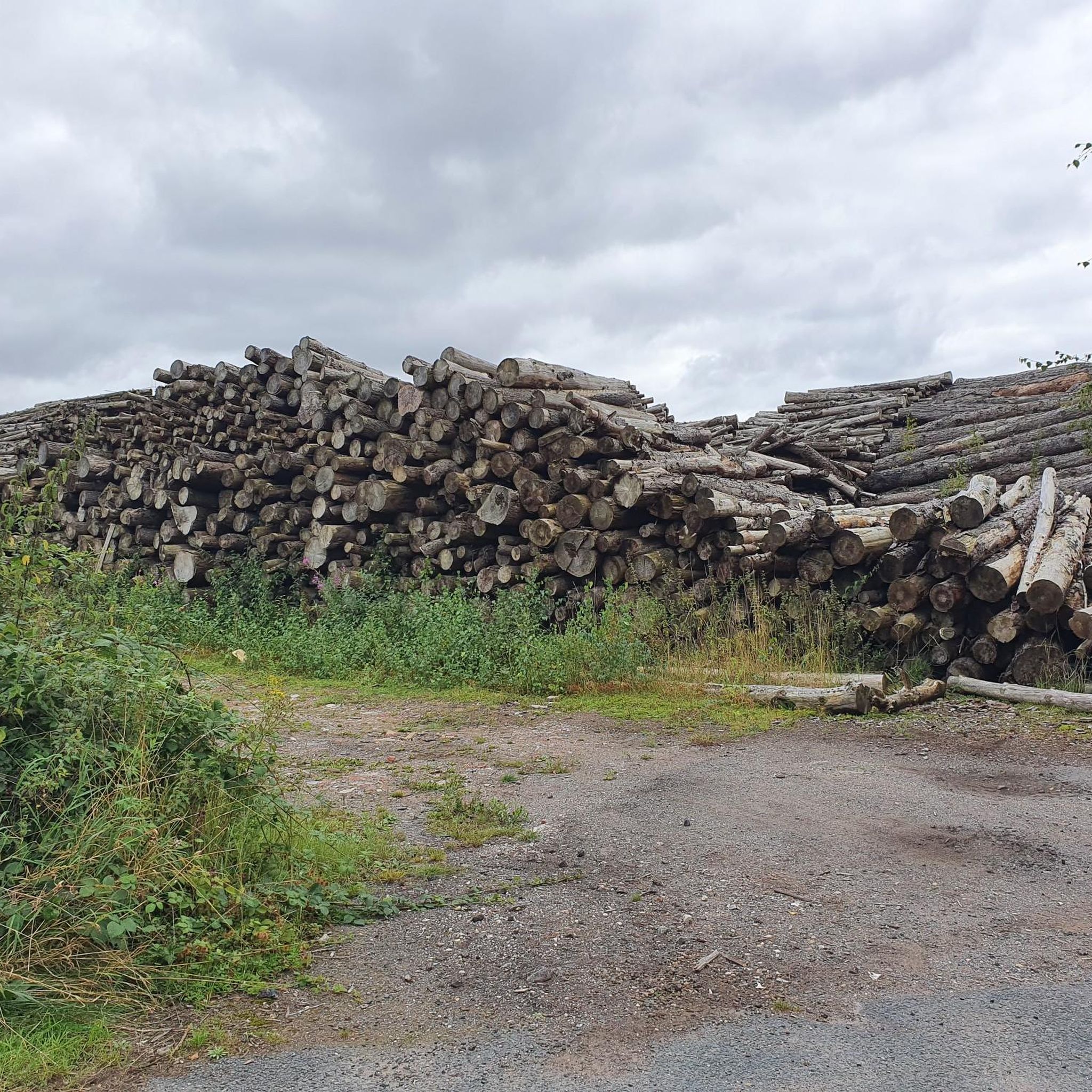
The terrain around Skipwith is generally flat, featuring a mix of open heath, woodlands, ponds, and fen, particularly within Skipwith Common National Nature Reserve. Routes include both paved surfaces and unpaved segments, as well as tranquil canal paths and old railway lines. For example, the Tree-Lined Lane Near Selby – Log Pile by the Path loop from Riccall offers gentle gradients on tree-lined lanes.
Are there any family-friendly touring cycling routes in Skipwith?
Yes, many routes around Skipwith are suitable for families due to the generally flat terrain. Easy routes, such as the The Natterjack – South Duffield Windmill loop from Skipwith, are ideal for a relaxed family outing. The area's network of canal paths and old railway lines also provides safe and enjoyable cycling environments away from heavy traffic.
Can I bring my dog on touring cycling routes around Skipwith?
While many outdoor areas in the UK are dog-friendly, specific rules may apply, especially within Skipwith Common National Nature Reserve due to its protected wildlife and grazing animals like Exmoor ponies and cattle. It's generally recommended to keep dogs on a lead to protect wildlife and livestock. Always check local signage for specific regulations on individual routes or within the Common itself.
What are some notable natural features or wildlife I might encounter?
Skipwith Common National Nature Reserve is a highlight, offering a 'mini wildlife safari.' You might spot Exmoor ponies, wild fallow deer, roe deer, and rare plants like the sundew in peat bogs. The Common also features diverse habitats including heath, woodlands, ponds, and reed-beds. Boardwalks and viewing platforms are available for observing nature without disturbance.
Are there historical sites or landmarks to see along the routes?
Yes, the area is rich in history. Skipwith Common itself has remnants from its use as an airfield during WWII and Iron Age remains. The village of Skipwith features the historic St. Helen's church, dating back to the 10th century, and the Danes Hills Bronze age burial mounds. You can also find the RAF Riccall Bomber Memorial at Skipwith Common. Further afield, the Bishopthorpe Palace Gatehouse is another interesting landmark.
How can I access the touring cycling routes in Skipwith using public transport or parking?
While specific public transport links directly to Skipwith Common might be limited, the area is generally accessible. Parking is available at various points around Skipwith Common and near trailheads for routes like those starting from Riccall or North Duffield. Cyclists can also connect to broader networks like the Trans Pennine Trail from nearby Riccall, which might offer more public transport options to its access points.
Are there any circular touring cycling routes recommended?
Yes, many of the touring cycling routes around Skipwith are circular, allowing you to start and end at the same point. Examples include the The Natterjack – Celandines and Daffodils loop from North Duffield and the Cawood Bridge – Cawood Castle Gatehouse loop from North Duffield. These loops offer varied scenery and return you to your starting location.
What is the best time of year to go touring cycling in Skipwith?
The best time to go touring cycling in Skipwith is generally during the spring, summer, and early autumn months (April to October). During these periods, the weather is typically milder, and the natural features of Skipwith Common, such as the diverse flora and fauna, are at their most vibrant. Winter cycling is possible, but routes may be muddier, and daylight hours are shorter.
Are there options for food and drink along the touring cycling routes?
While Skipwith Common itself is a nature reserve, the surrounding villages and towns offer options for refreshments. You'll find cafes and pubs in nearby communities like Skipwith village, Riccall, and North Duffield. Planning your route to pass through these villages can provide convenient stops for food and drink. For example, the Birkin Tea Room – Cawood Bridge loop from Riccall suggests a tea room stop.
What do other cyclists say about touring cycling in Skipwith?
The touring cycling routes around Skipwith are highly rated by the komoot community, with an average score of 4.7 stars from over 100 reviews. Reviewers often praise the quiet, scenic routes, the diverse landscapes of Skipwith Common, and the accessibility of the generally flat terrain, making it enjoyable for various skill levels.
Can I connect to other long-distance cycling trails from Skipwith?
Yes, touring cyclists can easily connect to broader networks from the Skipwith area. The Trans Pennine Trail, an epic long-distance route, can be accessed about a mile west of Skipwith Common in Riccall. This allows you to extend your rides south towards Selby or north towards Bishopthorpe. The Solar System Cycleway is also a popular nearby attraction for cyclists.
Most popular attractions around Skipwith

Get inspired with the komoot mobile app


Explore more
Browse the best Cycling routes in other regions.
