The best cycling routes around Bubwith
4.8
(130)
1,067
riders
71
rides
Touring cycling around Bubwith features predominantly flat terrain, characterized by open common lands and agricultural fields. The region's low elevation gains, with most routes having less than 100 meters of ascent, make it suitable for relaxed cycling. Routes often follow quiet country lanes and paths alongside rivers, offering views of the rural landscape. Historical landmarks and small villages are frequently encountered along the way, providing points of interest for touring cyclists.
Best touring cycling routes around Bubwith
- The most popular…
Last updated: October 11, 2026
3.0
(1)
17
riders
79.9km
04:36
100m
100m
Moderate bike ride. Good fitness required. Mostly paved surfaces. Suitable for all skill levels.
5.0
(1)
9
riders
Moderate bike ride. Good fitness required. Mostly paved surfaces. Suitable for all skill levels.

5.0
(2)
12
riders
54.2km
03:04
60m
60m
Moderate bike ride. Good fitness required. Mostly paved surfaces. Suitable for all skill levels.
10
riders
21.1km
01:12
30m
30m
Easy bike ride. Great for any fitness level. Mostly paved surfaces. Suitable for all skill levels.
5.0
(2)
3
riders
26.3km
01:30
30m
30m
Easy bike ride. Great for any fitness level. Mostly paved surfaces. Suitable for all skill levels.
Get access to more routes and recommendations from other explorers.
Already have an account?
Our route recommendations are based on thousands of hikes, rides, and runs completed by other people on komoot.
Start today with a free account
Your next adventure awaits.

Tips from the Community

Built in 1825 by James Pigott Pritchett and Charles Watson for the Saltmarshe family, eponymous owners of the neighbouring village from 1313- 1974. https://en.wikipedia.org/wiki/Saltmarshe_Hall
2
0
This is a woodland and wetland reserve with 600m of mainly grass footpaths which create a circular route and can be very muddy during winter. There are lots of tree roots and uneven surfaces across the reserve. Footpaths tend to be narrow. There is one gate onto the reserve at the footpath entrance which is closed from April to July to protect breeding birds.
2
0
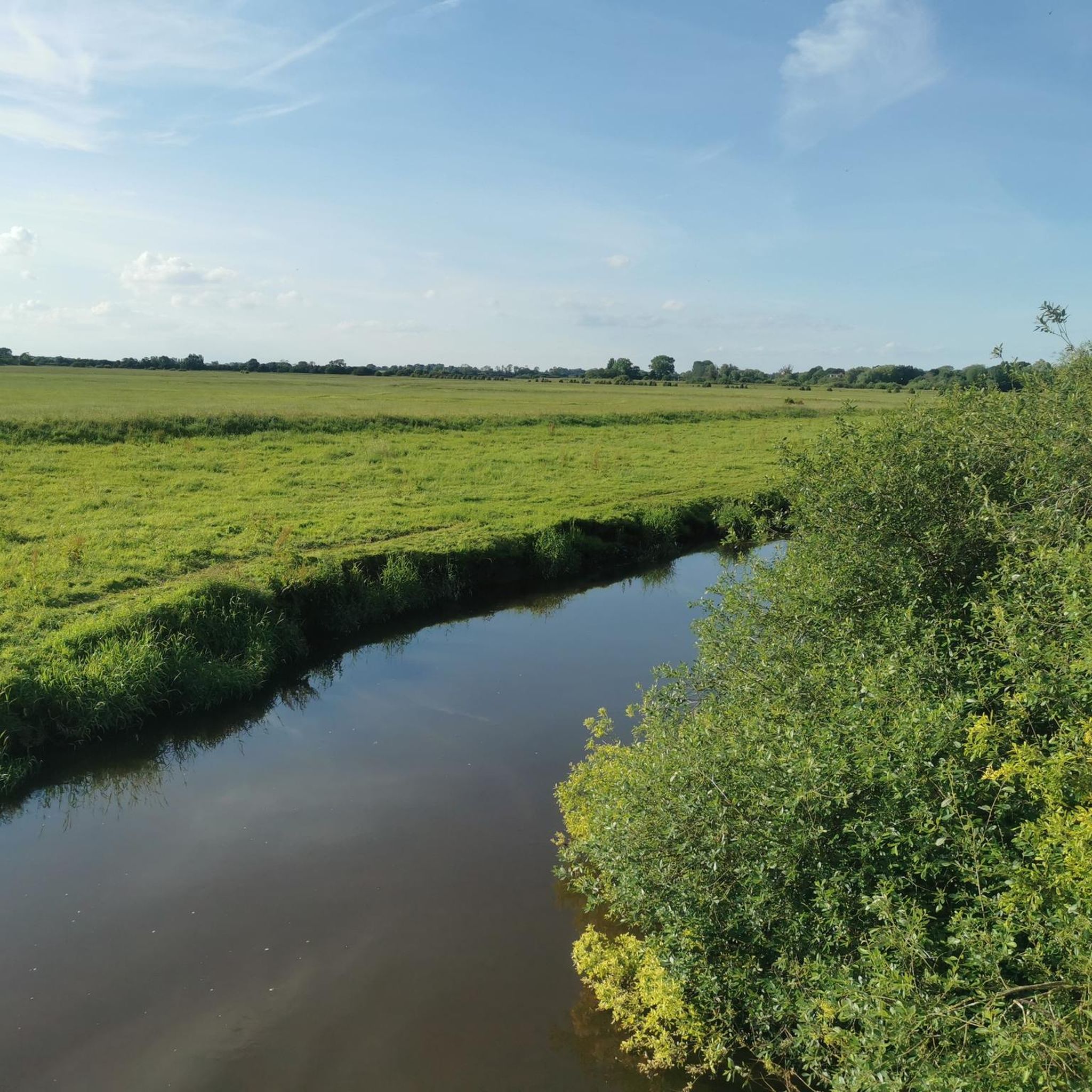
The Pocklington Canal was constructed at the beginning of the 19th century to transport agricultural goods from the East Riding to the larger urban centres to the south and west. A Bill was placed before Parliament in 1814 and the canal was designed by George Leather Jnr, an experienced navigation engineer who worked on Goole Docks and the Knottingley and Goole Canal. The canal was opened in 1818, running for 9.5 miles from the River Derwent at East Cottingwith to a mile south of Pocklington. The cost was £32,695, which was actually less than the original estimate. Hagg Bridge is one of four bridges crossing the canal designed by George Leather.
2
0
Grade I listed building. The surviving fifteenth-century structures formed part of a fortified medieval palace belonging to the Archbishops of York, which was dismantled in the aftermath of the English Civil War. The only remaining parts of the castle are the gatehouse and the banqueting hall. Stones from the destroyed castle were used in the construction of surrounding houses. The foundations of some other structures do remain as well as the castle's cellar, which was excavated in the 19th century. The gatehouse served as a courthouse until the 1930s, before being used as an officers' mess and a building for the Home Guard during World War II. The first fortifications on this site are believed to be those built by King Athelstan in the 10th Century.
1
0
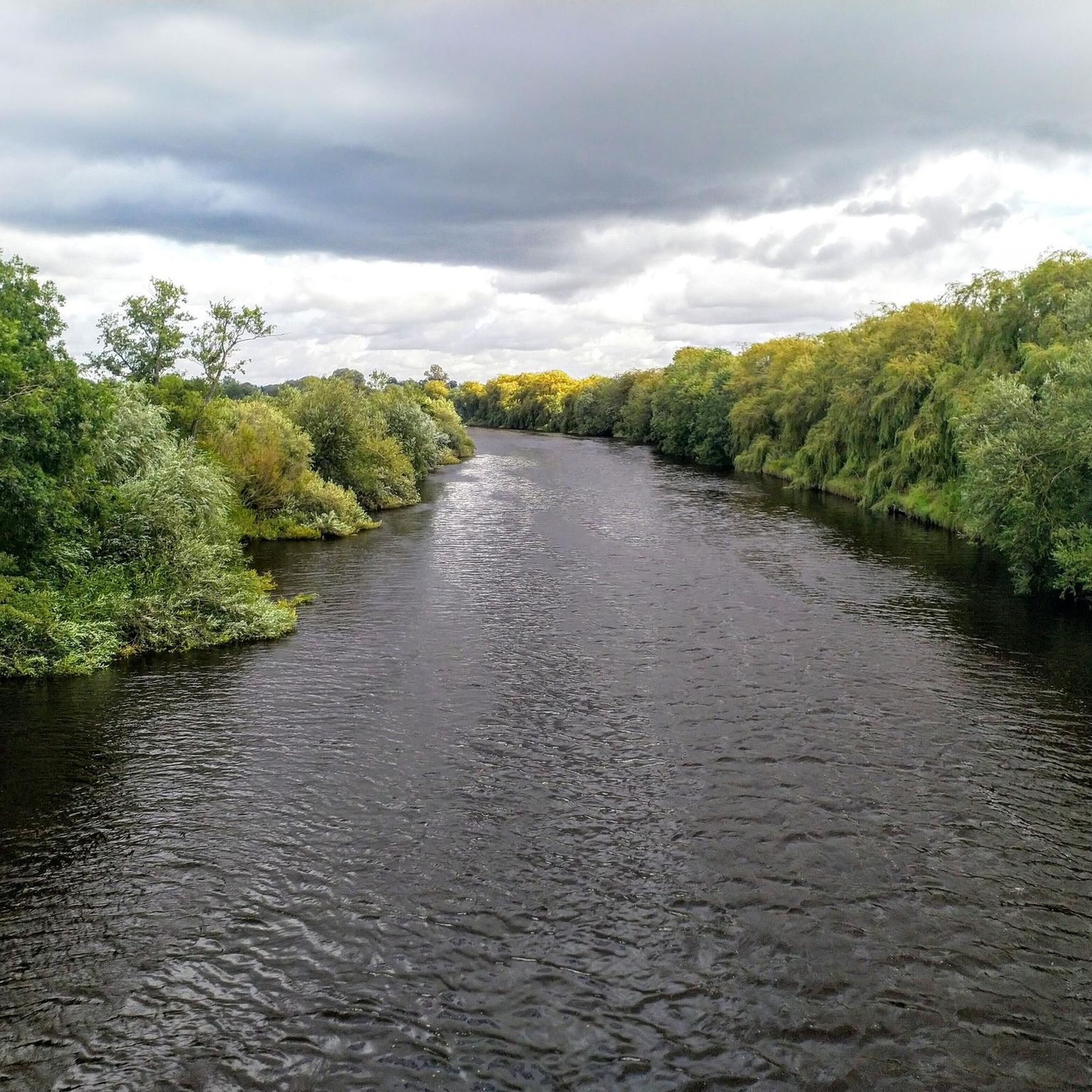
Grade II listed swing bridge opened in 1872. The deck was submerged when the River Ouse flooded in 2015.
1
0


Very nice hotel. I can highly recommend it https://www.saltmarshehall.com/
2
0
Located, somewhat hidden, on the Trans Pennine Trail
2
1
Frequently Asked Questions
What kind of terrain can I expect when touring cycling around Bubwith?
Touring cycling around Bubwith primarily features flat terrain, characterized by open common lands and agricultural fields. Routes often follow quiet country lanes and paths alongside rivers, offering expansive views of the rural landscape with minimal elevation gain.
Are there many easy touring cycling routes suitable for beginners in Bubwith?
Yes, Bubwith is an excellent area for beginners. There are over 50 easy touring cycling routes available. An example is the Howden Minster – Howden Minster Ruins loop from Bubwith, which is an easy 16.3-mile (26.3 km) ride.
Can I find longer touring cycling routes in the Bubwith area?
Absolutely. For those looking for a longer ride, the area offers several options. The Optical Society – Allerthorpe Common loop from Wressle is a moderate 49.6-mile (79.9 km) route that takes about 4 hours 35 minutes to complete, traversing open common land.
Are there any challenging routes for experienced touring cyclists?
While the region is predominantly flat, there is at least one difficult touring cycling route for those seeking a greater challenge. The majority of routes are easy to moderate, making it accessible for a wide range of cyclists.
What are some interesting historical landmarks or natural sights to see along the routes?
Many routes pass by historical landmarks and natural attractions. You might encounter sights like the Howden Minster Ruins, the tranquil Selby Canal, or the Saltmarshe Delph Nature Reserve. The Cawood Bridge – Cawood Castle Gatehouse loop from North Duffield specifically leads through historical areas and along riverbanks.
Are the touring cycling routes in Bubwith typically circular?
Many of the touring cycling routes around Bubwith are designed as loops, allowing you to start and finish at the same point. Examples include the The Natterjack – Celandines and Daffodils loop from North Duffield and the South Duffield Windmill loop from Cliffe.
What do other touring cyclists say about the routes in Bubwith?
The touring cycling routes in Bubwith are highly regarded by the komoot community, with an average rating of 4.8 stars from over 100 reviews. Cyclists often praise the tranquil rural landscapes, quiet country lanes, and the opportunity to explore historical villages.
When is the best time of year to go touring cycling in Bubwith?
The flat terrain and open landscapes of Bubwith make it enjoyable for touring cycling throughout much of the year. Spring is particularly scenic, with routes like The Natterjack – Celandines and Daffodils loop from North Duffield known for their vibrant displays. Summer and early autumn also offer pleasant conditions for exploring the countryside.
Are there any family-friendly touring cycling options in Bubwith?
Yes, the predominantly flat and quiet country lanes make Bubwith an excellent area for family-friendly cycling. Many of the easy routes are suitable for families, offering gentle gradients and safe environments away from heavy traffic.
Are there places to stop for refreshments or pub stops along the touring cycling routes?
The routes often pass through or near small villages, which may offer opportunities for refreshment stops at local cafes or pubs. While specific stops are not detailed for every route, the presence of historical landmarks and villages suggests amenities are generally accessible.
What should I know about parking when planning a touring cycling trip to Bubwith?
As Bubwith is a rural area, parking is typically available in village centers or designated public car parks. It's advisable to check specific starting points for routes for the most convenient parking options, especially when beginning a longer tour.
Can I access the touring cycling routes in Bubwith using public transport?
While Bubwith is a rural location, some public transport options, such as local bus services, may connect to nearby towns and villages. However, direct access to specific trailheads via public transport might be limited, so planning your journey in advance is recommended.
Most popular attractions around Bubwith

Get inspired with the komoot mobile app


Explore more
Browse the best Cycling routes in other regions.
