Attractions and Places To See around Thorner - Top 20
Best attractions and places to see around Thorner, a rural village in West Yorkshire, offer a blend of historical landmarks and natural features. The area is characterized by its ancient origins and preserved character, providing a setting for exploration. Visitors can find a variety of notable sites, from historic structures to natural elements and cultural points of interest, reflecting the village's heritage.
Best attractions and places to see around Thorner
- The most popular attractions is Spofforth Castle Ruins, a…
Last updated: October 19, 2026
Spofforth Castle Ruins
Highlight • Castle
Tip by

Harland Way (Wetherby Railway Path)
Highlight • Viewpoint
Tip by

Sign up now to discover places like this
Get recommendations on the best single tracks, peaks, & plenty of other exciting outdoor places.
Thornton's Arcade
Highlight • Structure
Tip by

Victoria Quarter
Highlight • Structure
Tip by
Barwick-in-Elmet Maypole
Highlight • Settlement
Tip by
Sign up for free to discover even more attractions around Thorner.
Already have an account?
Start today with a free account
Your next adventure awaits.
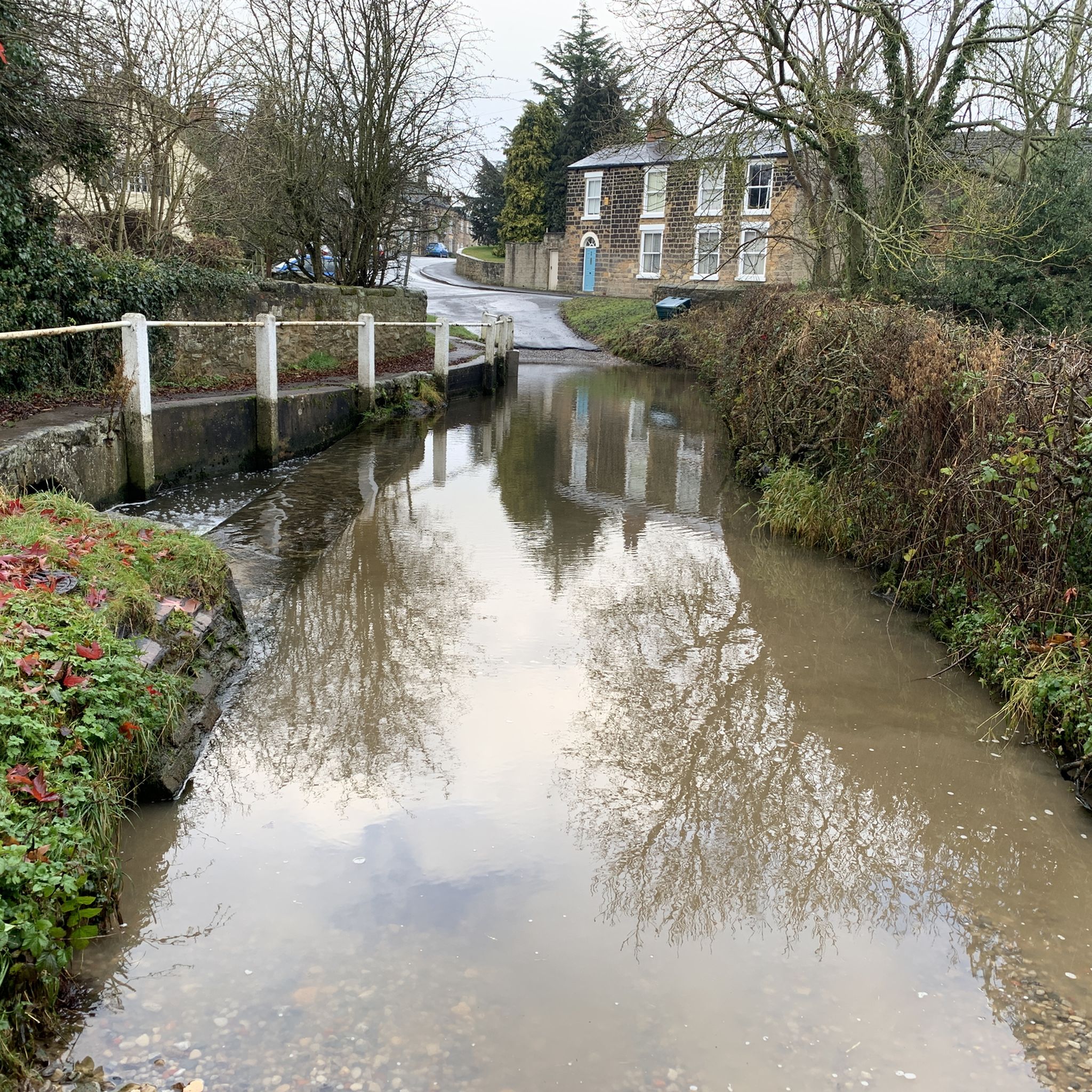
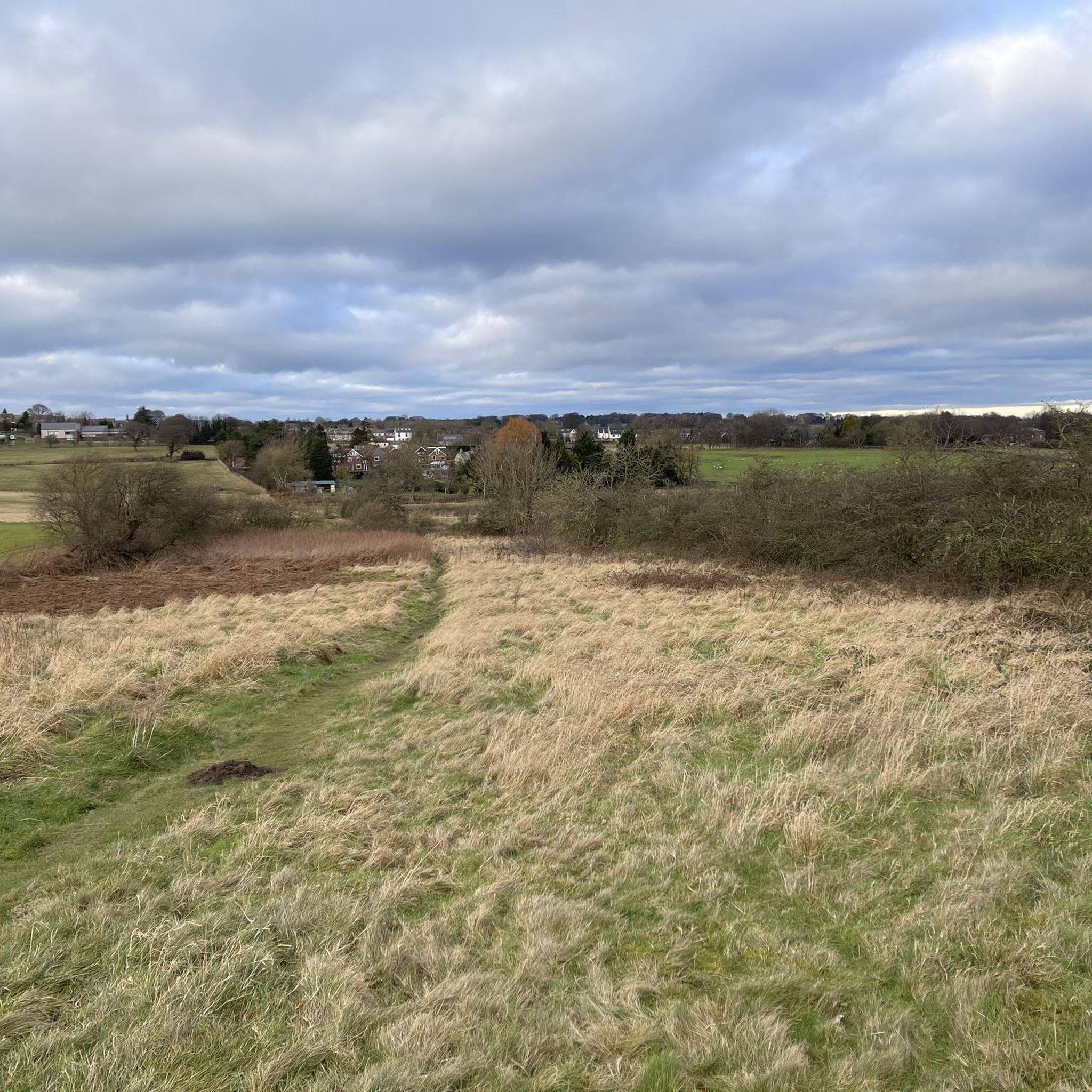
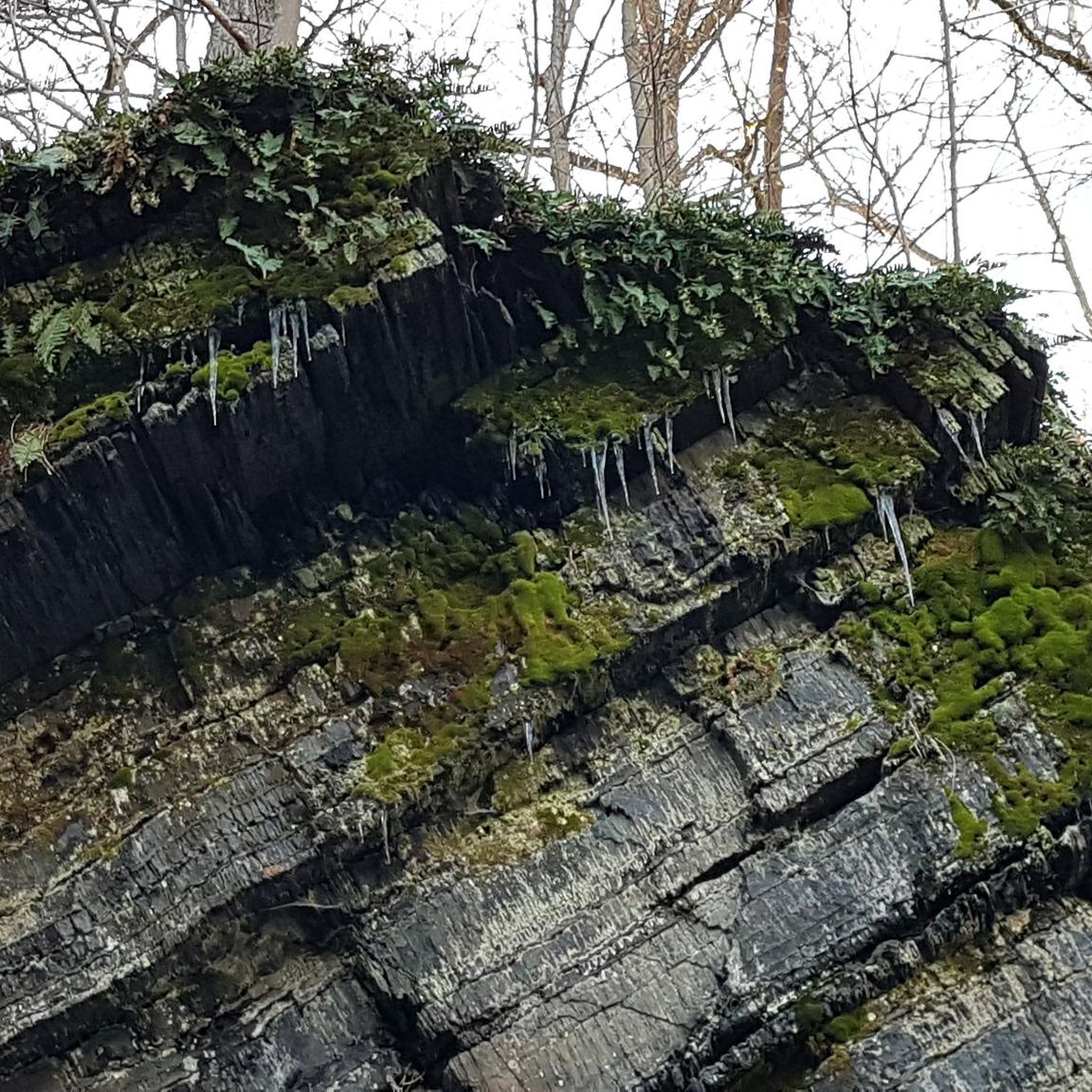
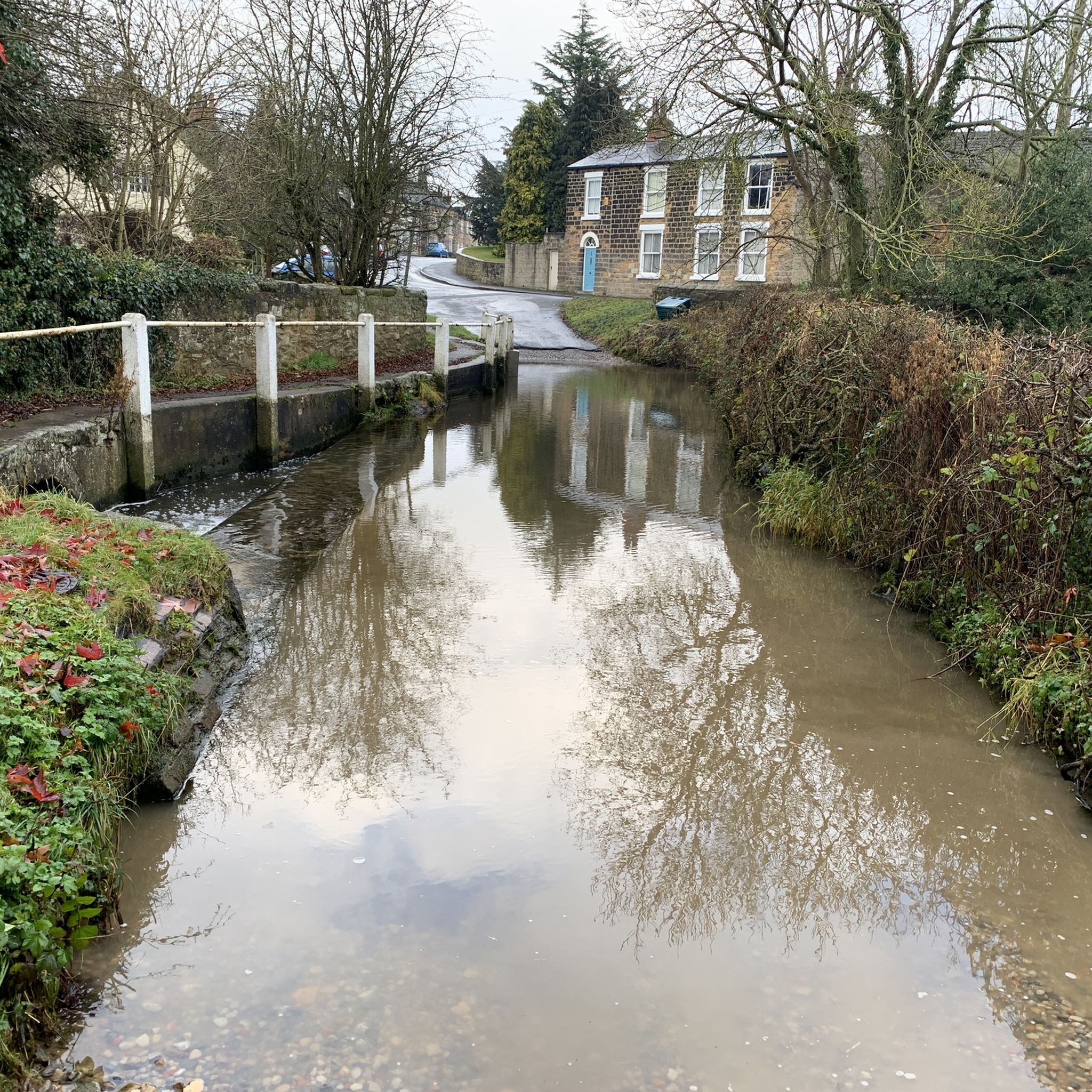
Tips from the Community

Man, it's raining cats and dogs out here! Why isn't there a roof on this place!
0
0


Traffic free route. Great for children with a stop off to play at”Devils Toenail “
0
0

Barwick-in-Elmet unveils itself as a charming village. It stands as one of merely three locales in the region with a direct link to the storied Romano-British kingdom of Elmet from antiquity. In this village, an exploration awaits, highlighted by noteworthy attractions. Among them is the village's pride: the second-largest Maypole in the United Kingdom. Another gem, Hall Tower Hill, once an observatory during the Second World War, graces the landscape. Completing the village experience, one can find solace within the welcoming confines of any of its three public houses.
1
0
Spofforth held paramount significance as the primary residence of the Percy family, a pivotal and commanding lineage in the northern realms of England, until the concluding era of the 14th century. William de Percy, a cherished figure in the eyes of William the Conqueror, erected a distinguished manor house upon this land during the 11th century. It is said that within these very grounds, insurgent barons convened to draft the historic Magna Carta in the year 1215.
1
0
The pathway, alternatively referred to as the Harland Way, stretches approximately 3 miles alongside a formerly abandoned railway track. It commences with a segment bordered by trees, gradually unveiling expansive countryside vistas that offer delightful glimpses of the neighbouring farmlands. The journey then leads to the picturesque village of Spofforth, where charming 18th-century cottages grace the landscape, accompanied by the captivating presence of Spofforth Castle, which holds a rich history waiting to be explored.
1
1


The coloured glass room spanning over the main row is absolutely noteworthy.
7
0
Frequently Asked Questions
What historical landmarks can I explore in Thorner?
Thorner boasts a rich history with several notable landmarks. You can visit St Peter's Church, a Grade II listed building with origins in the 15th century, featuring a square embattled tower and a listed grave slab from 1503. Discover the base of a Medieval Market Cross on Butts Garth, a remnant of Thorner's past as a market village from 1245. The Old Tithe Barn on Station Lane, a large stone aisled barn from the late medieval era, also offers a glimpse into the village's heritage. Additionally, the village's Main Street retains a typical medieval layout with many traditional 18th and 19th-century stone buildings.
Are there any natural features to see in Thorner?
Yes, Thorner offers charming natural features. The picturesque Mill Beck, a shallow ford approximately 0.45 km in length, runs through the village, adding to its idyllic scenery. You can also find St Osyth's Well just west of St Peter's Church, which refers to a Viking Age saint and hints at the area's ancient past. For a green space within the village, visit Thorner Park beside Waldorf Court.
What cultural points of interest does Thorner offer?
Thorner's cultural appeal is rooted in its preserved character and community spirit. The Thorner Conservation Area, designated in 1970, covers the main part of the village and Sandhills, protecting its historic ambiance. The Parish Centre, originally a school from 1787, now serves as a community hub. The village also has two traditional public houses, the Mexborough Arms and The Fox, which are social gathering spots. Uniquely, Thorner has no street lighting, contributing to its rural atmosphere after dark.
What are some family-friendly attractions near Thorner?
Families visiting Thorner have several options. You can explore the historic Spofforth Castle Ruins, a small fortified manor house that is free to enter. Another unique family-friendly spot is the Barwick-in-Elmet Maypole, the second highest in the UK, where a raising ceremony takes place every three years. Further afield, Granary Wharf in Leeds offers a vibrant selection of bars, restaurants, and open spaces with scenic views, accessible by water taxi, making it a fun outing for all ages.
Are there any dog-friendly places or walks around Thorner?
While specific dog-friendly walks within Thorner are not detailed, the village's rural setting and public footpaths offer opportunities for walks with your dog. For a destination with dog-friendly amenities, Granary Wharf in Leeds is noted as dog-friendly, offering open spaces and riverside walks.
What kind of outdoor activities can I do near Thorner?
The area around Thorner is excellent for outdoor activities. You can find numerous cycling routes, such as the 'Springs Switchback Loop' or the 'Aberford Village – John Smith's Brewery loop'. For runners, there are trails like the 'Thorner Road – Bramham Park Pavilion loop' or the 'Pompocali and Hetchell Wood – Old Railway Line Singletrack loop'. You can find more details on these and other routes in the Cycling around Thorner and Running Trails around Thorner guides.
Where can I find good walking routes near Thorner?
Thorner is surrounded by various walking opportunities. The village itself is part of the Thorner Conservation Area, offering pleasant strolls through its historic streets. For more extensive walks, the area connects to parts of the Leeds Country Way, and you can explore public footpaths leading to nearby natural areas. Consider routes that incorporate the picturesque Mill Beck or the green spaces of Thorner Park.
What is the best time to visit Thorner attractions?
Thorner's attractions can be enjoyed year-round, but the best time often depends on your preferred activities. Spring and summer offer pleasant weather for exploring the village's natural features and historic sites on foot. The rural ambiance, especially the absence of street lighting, can be particularly charming during evenings in milder seasons. For specific events like the Barwick-in-Elmet Maypole raising ceremony, you would need to check its triennial schedule.
Are there any accessible trails or attractions near Thorner?
While Thorner's historic village layout might present some challenges, the Victoria Quarter in central Leeds is noted as wheelchair accessible, offering a modern shopping and leisure experience. For outdoor activities, it's advisable to check specific trail conditions, as many rural paths may not be fully accessible.
What are some unique shopping or leisure experiences near Thorner?
For a unique shopping and leisure experience, head to the Victoria Quarter in central Leeds. This district is renowned for its restored 19th-century and contemporary shopping arcades, featuring the largest work of stained glass in Europe. It offers a premium retail environment with major stores and a vibrant atmosphere.
Where can I find local pubs or cafes in Thorner?
Thorner village has a few local amenities for visitors. You can find two traditional public houses, the Mexborough Arms and The Fox, which are popular spots for locals and visitors alike. There is also a delicatessen and a restaurant (formerly The Beehive pub) within the village for dining options.
What do visitors enjoy most about the attractions around Thorner?
Visitors appreciate the blend of historical significance and natural beauty. The free entry and impressive size of Spofforth Castle Ruins are often highlighted. The unique tradition and scale of the Barwick-in-Elmet Maypole also captivates many. Generally, the preserved character of Thorner village, with its ancient origins and rural ambiance, is a key draw.
Most popular attractions around Thorner

Get inspired with the komoot mobile app


Explore more
Still not found the Highlight you’re looking for? See guides of the top attractions in other regions:
