The best running trails around Tullynakill
410
runners
41
runs
Jogging routes around Tullynakill are set within a diverse landscape on the western shore of Strangford Lough, an Area of Outstanding Natural Beauty. The region features a mix of coastal paths, rolling drumlin hills, and woodlands, offering varied terrain for runners. This area provides a range of running experiences, from tranquil greenways to paths with views of the lough and its islands. Historical sites like Nendrum Monastery Ruins also provide unique backdrops for running.
Best jogging routes around Tullynakill
- The…
Last updated: April 29, 2026
7
runners
9.87km
01:02
80m
80m
Moderate run. Good fitness required. Mostly paved surfaces. Suitable for all skill levels.
6
runners
9.00km
00:56
80m
80m
Moderate run. Good fitness required. Mostly paved surfaces. Suitable for all skill levels.

Sign up for free
9
runners
Moderate run. Good fitness required. Mostly paved surfaces. Suitable for all skill levels.
8
runners
Moderate run. Good fitness required. Mostly paved surfaces. Suitable for all skill levels.
5
runners
3.46km
00:21
10m
10m
Easy run. Great for any fitness level. Mostly paved surfaces. Suitable for all skill levels.
Get access to more routes and recommendations from other explorers.
Sign up for free
Already have an account?
Our route recommendations are based on thousands of hikes, rides, and runs completed by other people on komoot.
Start today with a free account
Your next adventure awaits.
Login or Signup
Popular around Tullynakill
Tips from the Community

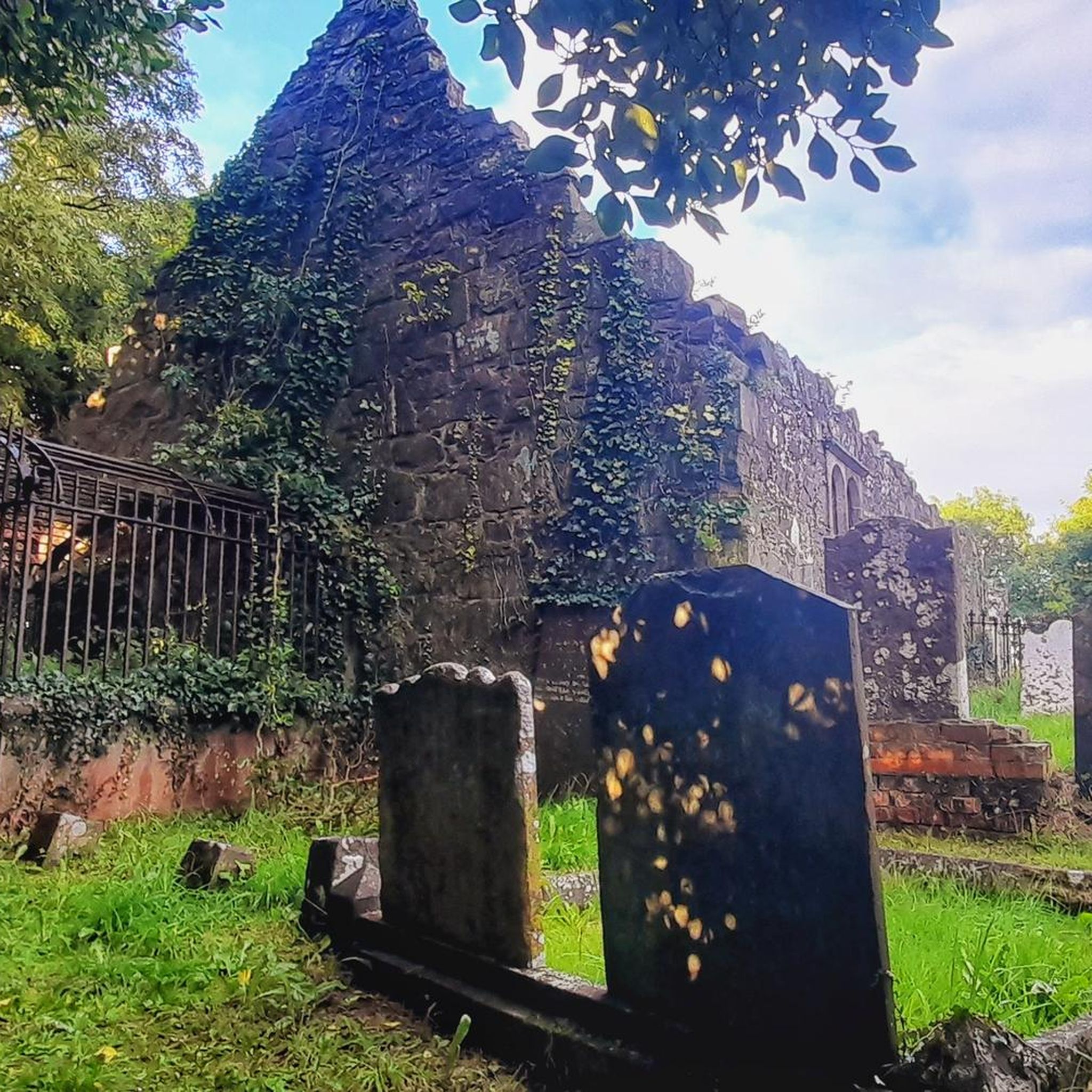
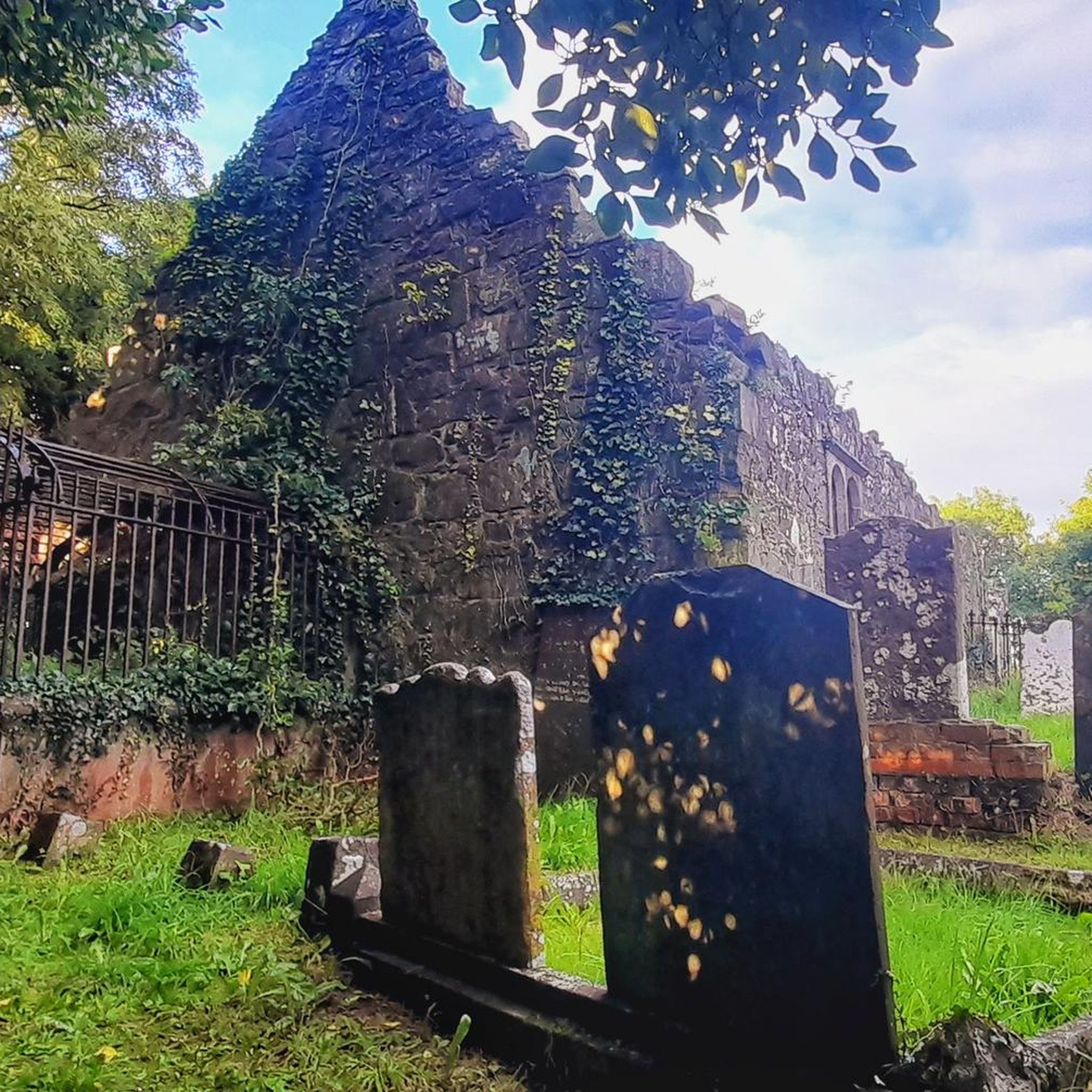
Nendrum Monastery was a Christian monastery founded in the 5th century. The monastery finished somewhere between 974 and 1178, but the church survived until the 15th century. You can visit the ruins if you're riding past.
0
0

This tower-house, said to have been built in 1570 by an English soldier, Captain Browne, is badly ruined but is still of considerable interest. Rectangular and fairly small in ground plan, it was entered by a door in the north-west wall which has a draw bar socket and a murder-hole. To the left of the door was a stair to the next floor. There are two ground floor rooms, the larger with a semi-circular vault built on plank centring and the smaller with a pointed vault built on paired wicker mats. The smaller room, once thought to be a secure boat bay, may be just a storeroom (compare nearby Sketrick). There were two storeys above, but the upper parts are ruined. Part of the bawn wall survives to the south-west, cut into the hill.
0
0
Ballydorn, or 'The Dorn' as it is locally known, is a beautiful and popular mooring ground with a short-stay pontoon attached to a permanently moored lightship called The LV Petrel that is now the Down Cruising Club headquarters. The LV Petrel was commissioned by the Commissioners of Irish Lights in 1913, and built by the Dublin Drydocks Company. This Lightship spent most of its previous working life at Blackwater Bank on the River Blackwater, Wexford. It was then sold in 1968 to Hammond Lane foundries in Dublin, before being saved to use as the cruise club HQ. The boat is registered as a national historic ship in the UK.
0
0
This is the best example in Northern Ireland of a pre Norman ecclesiastical enclosure with its buildings. Nendrum is associated with St Mochaoi who died at the end of the 5th century, and is linked with St Patrick in a much later source. Notices of Nendrum clergy, including three bishops, begin in the 7th century and the excavation of a sophisticated tide mill on the shore near the site has shown that the mill was active in the early 7th century, which underlines the early importance of Nendrum. References continue until a fire in 976, perhaps a Viking raid, when the head of the church (erenagh) was burned in his house. In the late 12th century a small Benedictine monastic cell was founded on the site, but by 1302–1306 this was the parish church, abandoned for Tullynakill on the mainland in the 15th century. H.C. Lawlor excavated the site from 1922 to 1924, when enclosure walls, church and round tower were restored. The glacial hill is crowned with three concentric walled enclosures, irregularly oval in plan. Little is known of the outer cashel, only partly in state care. In the middle cashel on the south-west side are circular platforms for huts, which excavation suggested were craft workshops, and a rectangular building known as the ‘schoolhouse’, also a workshop. In the inner cashel were the most important buildings, including the church with its graveyard and the base of a round tower north-west of the church. The west wall of the church was rebuilt in the 1920s, incorporating a reconstructed sundial at the south-west corner. Finds from the 1920s excavation, including the well-known bell of Nendrum, are in the Ulster Museum and Down Museum at Downpatrick. Underwater archaeological work in the 1990s showed that there is a stone jetty south-east of the enclosure, now inundated in the lough, and medieval pottery was found close by. ( source: department of communities )
0
0
It's home to two yacht clubs: Strangford Lough Yacht Club and 1.5 kilometres (0.95 mi) to the north, Down Cruising Club. Between the two yacht clubs is Sketrick Castle, a 15th-century tower house on Sketrick Island, now in a state of ruin. To the south of Whiterock is Ballymorran Bay.
0
0
If you get caught in a rain shower, there is decent shelter to be had, just opposite the moorings around the same position as this Highlight. The view will keep you settled.
0
0
Love spending time here. There is a park bench to the far east corner, and to the left of that hosts one of the best views of the Lough. When tides out you can see traces of the old Salmon fisheries. Its so quiet, and there is a picnic area just to the side of the visitors centre. The site also boasts fragments of an early Sun Dial that have been placed by the entrance to the Church.
0
0
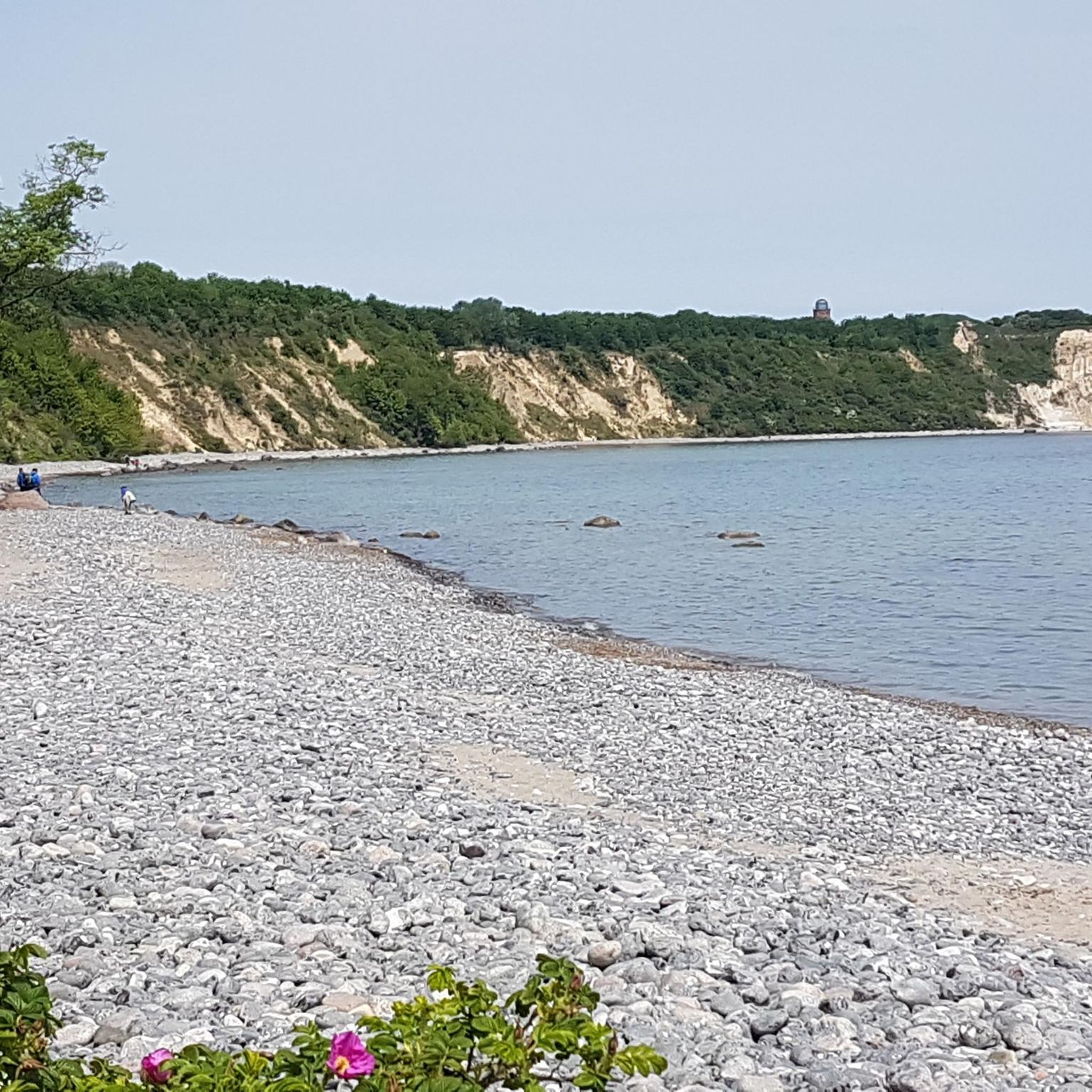
Reagh Island ( An tOileán Riabhach meaning “The Brindled Island” ) is one of the many islands in Strangford Lough. Along with some other islands, it provides shelter for Ringneill Bay and Reagh Bay. There is a car park and you can walk to the shore along a lovely woodland pass. get in for a dip or just take a well earned rest.
1
0
Frequently Asked Questions
What kind of terrain can I expect on the running routes around Tullynakill?
The running routes in Tullynakill offer a diverse range of terrain. You'll find scenic coastal paths along Strangford Lough, rolling drumlin hills, and tranquil woodlands. Some paths are firm coastal tracks, while others are grassy field paths, minor lanes, or sections along sand and shingle, providing a dynamic running experience.
Are there any easy or beginner-friendly jogging routes in Tullynakill?
Yes, Tullynakill offers routes suitable for various fitness levels, including easier options. While many routes are moderate, there are 6 routes classified as easy. For a relatively flat and traffic-free experience, consider sections of the Comber Greenway, which is ideal for a relaxed run.
What historical sites or landmarks can I see while jogging in Tullynakill?
Tullynakill's routes often pass by fascinating historical sites. You can explore the ancient Nendrum Monastery Ruins, an early Christian settlement, or the historic Sketrick Castle on Sketrick Island. The popular Mahee Castle – Nendrum Monastery Ruins loop from Castle Espie Wetland Centre specifically combines historical landmarks with scenic views.
Are there any running trails that offer great views of Strangford Lough?
Absolutely! Many routes provide stunning views of Strangford Lough. The region is characterized by its coastal paths and drumlin hills, offering breathtaking vistas. For example, the Whiterock Harbour loop from Killinchy offers lovely views of the harbour and the lough.
Are the jogging routes around Tullynakill suitable for families?
Yes, many routes are suitable for families, especially those looking for a gentler experience. The Comber Greenway, a 7-mile traffic-free path, is particularly family-friendly, winding through meadows and woodlands. Its widened sections make it accommodating for runners alongside walkers and cyclists.
Can I bring my dog on the running trails in Tullynakill?
Many of the outdoor paths and greenways in the Tullynakill area are dog-friendly, provided dogs are kept under control, often on a lead, especially in nature reserves or near livestock. Always check local signage for specific restrictions on individual trails or protected areas to ensure a pleasant experience for everyone.
Are there any circular running routes available?
Yes, many of the running routes around Tullynakill are designed as loops, offering a convenient way to explore the area without retracing your steps. Examples include the popular Mahee Castle – Nendrum Monastery Ruins loop and the Twisted Tree on Reagh Island loop.
Where can I find parking for the jogging routes in Tullynakill?
Parking is generally available at key access points for many trails. For routes starting near specific attractions, such as the Castle Espie Wetland Centre, you can often find dedicated parking facilities. For other routes, small car parks or roadside parking may be available near trailheads or villages like Killinchy and Whiterock Harbour.
Are there any cafes or places for refreshments near the running trails?
Yes, you'll find options for refreshments. For instance, Whiterock Harbour is a scenic spot with amenities. On Sketrick Island, Daft Eddy's Coffee Shop offers a popular viewpoint across Strangford Lough, perfect for a post-run treat or a mid-run pause.
What is the best time of year to go jogging in Tullynakill?
Tullynakill offers beautiful running conditions throughout much of the year. Spring and summer provide lush landscapes and longer daylight hours, ideal for enjoying the coastal and woodland paths. Autumn brings vibrant colours to the woodlands. While winter can be cooler, the varied terrain and coastal views remain accessible, though some paths might be muddier.
How many running routes are available in the Tullynakill area?
There are over 40 dedicated running routes available around Tullynakill, offering a wide variety of distances and difficulties. This includes 6 easy routes and 35 moderate routes, ensuring options for every runner.
What do other runners enjoy most about jogging in Tullynakill?
The komoot community highly appreciates the diverse landscapes and scenic beauty of Tullynakill. Runners often praise the combination of coastal paths along Strangford Lough, the tranquility of the woodlands, and the engaging historical sites like the Nendrum Monastery Ruins that can be explored along the routes.
Most popular routes around Tullynakill
Most popular attractions around Tullynakill

Get inspired with the komoot mobile app


Explore more
Browse the best Running Trails & Routes in other regions.
