The best cycling routes around Ballyblack
4.7
(39)
426
riders
36
rides
Touring cycling around Ballyblack, located in the Ards Peninsula of County Down, Northern Ireland, offers routes through varied topography. The region features tranquil rolling countryside and dramatic coastal stretches, providing expansive views across the Irish Sea. Central to the area is Strangford Lough, a Marine Nature Reserve, whose shores offer picturesque scenery for cyclists. The Ards Peninsula itself provides a rich environment for exploration by bike.
Best touring cycling routes around Ballyblack
- The most popular touring cycling route is Millisle…
Last updated: June 29, 2026
5.0
(1)
1
riders
37.6km
02:11
160m
160m
Moderate bike ride. Good fitness required. Mostly paved surfaces. Suitable for all skill levels.
39.0km
02:16
210m
210m
Moderate bike ride. Good fitness required. Mostly paved surfaces. Suitable for all skill levels.

Sign up for free
47.7km
03:26
310m
310m
Moderate bike ride. Good fitness required. Mostly paved surfaces. Suitable for all skill levels.
4.5
(4)
36
riders
62.6km
03:39
300m
300m
Moderate bike ride. Good fitness required. Mostly paved surfaces. Suitable for all skill levels.
5.0
(2)
32
riders
33.4km
02:00
240m
240m
Moderate bike ride. Good fitness required. Mostly paved surfaces. Suitable for all skill levels.
Get access to more routes and recommendations from other explorers.
Sign up for free
Already have an account?
Our route recommendations are based on thousands of hikes, rides, and runs completed by other people on komoot.
Start today with a free account
Your next adventure awaits.
Login or Signup
Popular around Ballyblack

Tips from the Community

Nendrum Monastery was a Christian monastery founded in the 5th century. The monastery finished somewhere between 974 and 1178, but the church survived until the 15th century. You can visit the ruins if you're riding past.
0
0

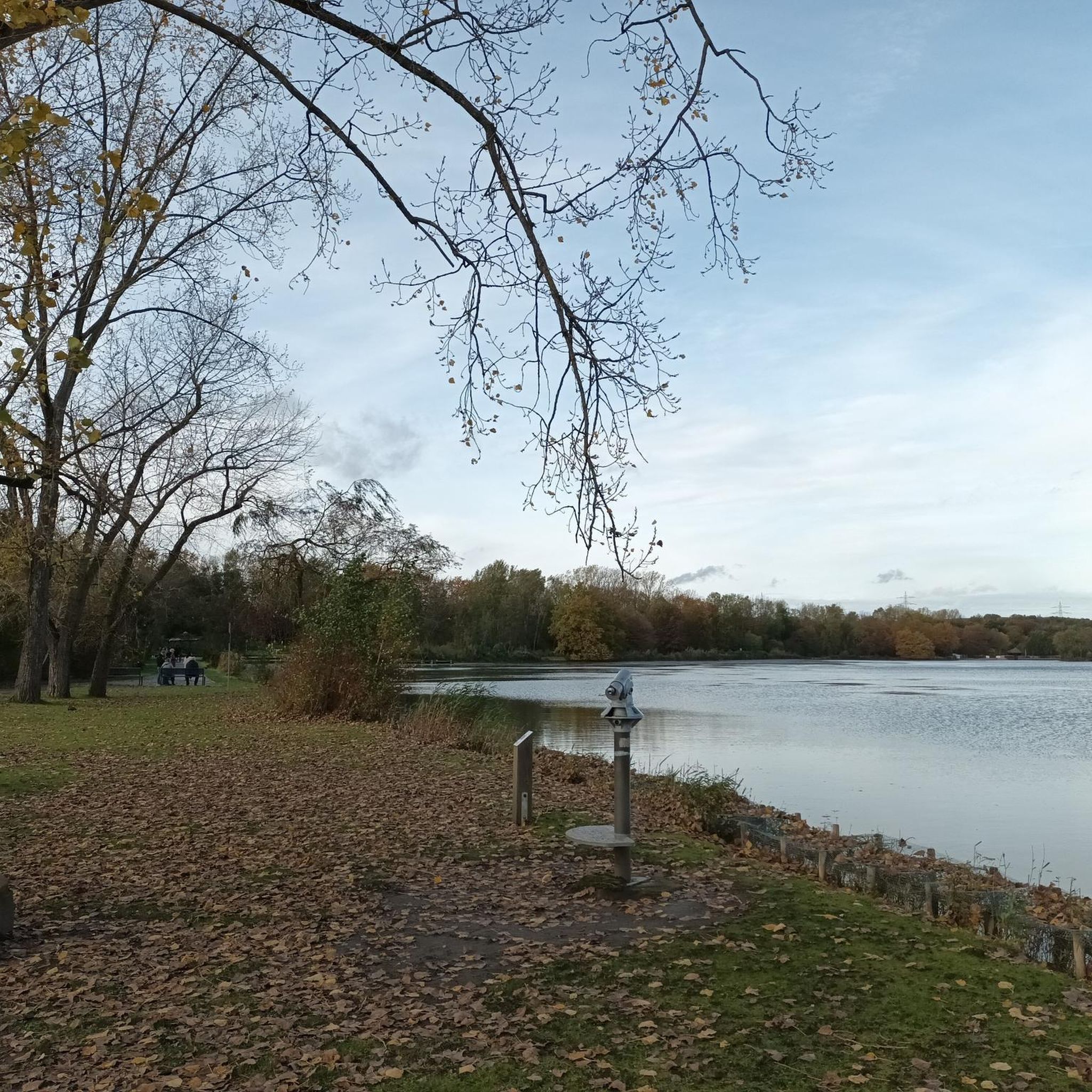
A pathway along the lake allows for closer inspection of the birds. For example, swans, mallards, little grebe, moorhens, and coots are usually present. There is an observation area to view the birds and other wildlife. Parking is available. In July 2000, Kiltonga Nature Reserve became the first site in the UK to be awarded BT Millennium Miles status.
0
0
From Donaghadee visitors can enjoy spectacular views across the Irish Sea, where on a clear day you can see all the way to Scotland, only 20 miles away by sea. It was the province’s principle port before Belfast developed. The Harbour was built in 1820's to the design of John Rennie and is part built of limestone from Wales known as "Anglesea marble". On the harbour is Donaghadee's impressive lighthouse, which was built in 1836 and was the first lighthouse in Ireland to be lit by electricity. Sit and rest in the harbour with a bag of chips from Rainy's on the High Street ( on the hill as you roll in to town from Millisle ) Best fryers in the town. Perfect recovery after a long cycle, Irelands oldest Pub - Grace Neills, is only around the corner.
0
0
Voted as one of the top ten gardens in the world, Mount Stewart reflects a rich tapestry of design and planting artistry bearing the hallmark of its creator. Edith, Lady Londonderry’s passion for bold planting schemes coupled with the mild climate of Strangford Lough allows rare and tender plants from across the globe to thrive in this celebrated garden. Each of the formal gardens exudes a distinct character and appeal. Mount Stewart is a delight for the senses with a series of formal themed garden compartments around the house including The Italian, Spanish, Mairi and Shamrock Garden.
0
0
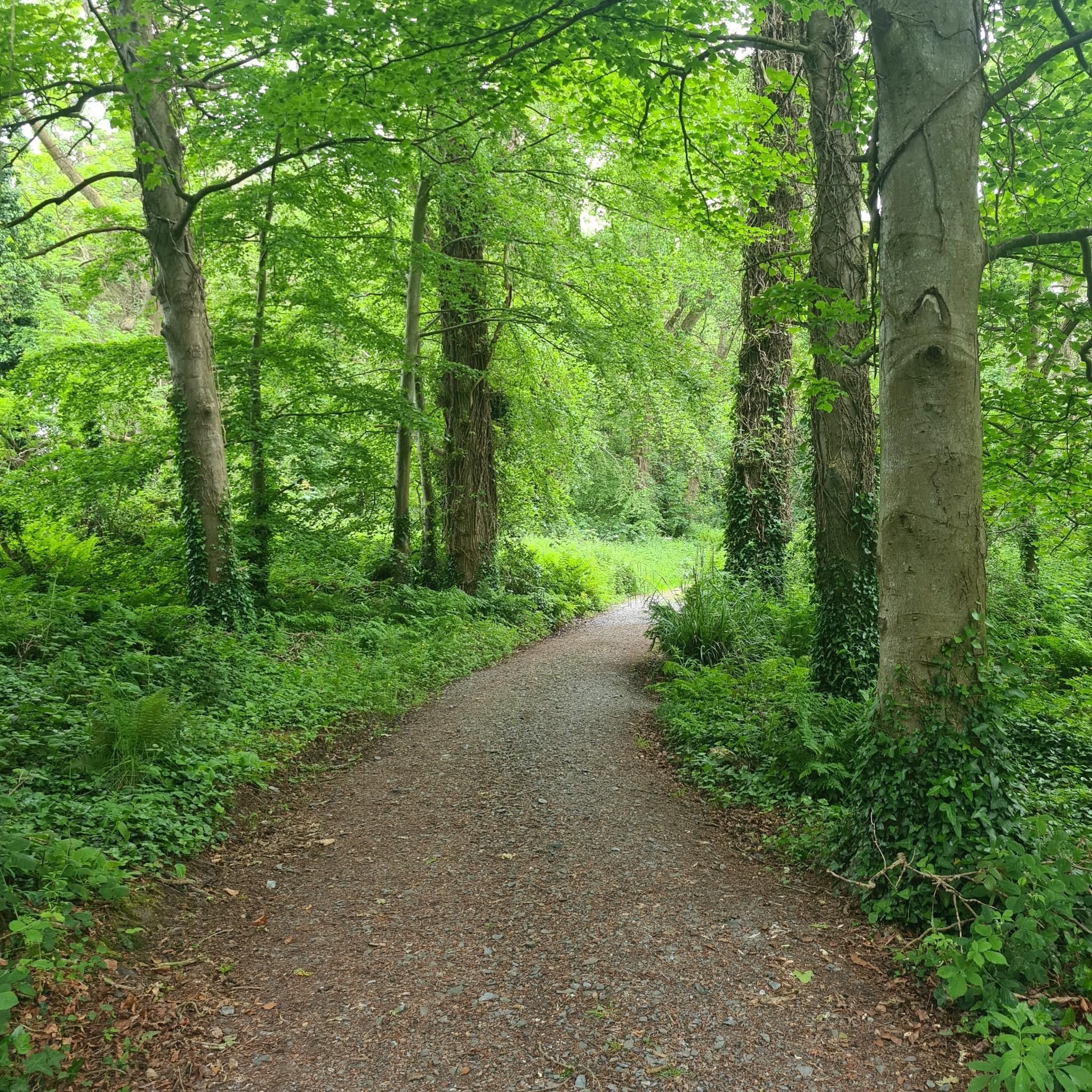
Always worth the ascent. If only for the view towards Sliev Croob and the Mournes. Beautiful patch work of swollen hills, cut by colourful fields, that meander all the way to the shore of Strangford Lough below. There are several interesting woodland gravel trails in the woods, connecting to Scrabo, and Ards. Twilight is magic up here. Smooth tarmac Decent down to Ards via Scrabo Road is a joy, with the tower on your left, and the sprawling Lough, and Newtownards to your right.
0
0
Movilla was associated with Saint Finian in the 6th-century. As with many early monasteries, it was plundered by Vikings in the 9th century, but was refounded as an Augustinian abbey in the Norman 12th century and survived until the suppression of religious houses in the 1540s. It has the best collection of 13th Century coffin lids with foliate crosses in the Province. These are built into the inside north wall. Only one stone from the Pre-Norman period survives; it is marked with “Or do Dertrend”, “pray for Dertrend”. Later structures include the ruins of a 13th century church which was rebuilt in the 15th-century. A really fascinating stop.
0
0
This is the best example in Northern Ireland of a pre Norman ecclesiastical enclosure with its buildings. Nendrum is associated with St Mochaoi who died at the end of the 5th century, and is linked with St Patrick in a much later source. Notices of Nendrum clergy, including three bishops, begin in the 7th century and the excavation of a sophisticated tide mill on the shore near the site has shown that the mill was active in the early 7th century, which underlines the early importance of Nendrum. References continue until a fire in 976, perhaps a Viking raid, when the head of the church (erenagh) was burned in his house. In the late 12th century a small Benedictine monastic cell was founded on the site, but by 1302–1306 this was the parish church, abandoned for Tullynakill on the mainland in the 15th century. H.C. Lawlor excavated the site from 1922 to 1924, when enclosure walls, church and round tower were restored. The glacial hill is crowned with three concentric walled enclosures, irregularly oval in plan. Little is known of the outer cashel, only partly in state care. In the middle cashel on the south-west side are circular platforms for huts, which excavation suggested were craft workshops, and a rectangular building known as the ‘schoolhouse’, also a workshop. In the inner cashel were the most important buildings, including the church with its graveyard and the base of a round tower north-west of the church. The west wall of the church was rebuilt in the 1920s, incorporating a reconstructed sundial at the south-west corner. Finds from the 1920s excavation, including the well-known bell of Nendrum, are in the Ulster Museum and Down Museum at Downpatrick. Underwater archaeological work in the 1990s showed that there is a stone jetty south-east of the enclosure, now inundated in the lough, and medieval pottery was found close by. ( source: department of communities )
0
0
Ballycopeland Windmill is the only remaining working windmill in East Down. It was built in the late 18th or early 19th century and was worked until the First World War when it fell into disrepair. It was gradually restored between 1950 and 1978 to full working order.
0
0
Frequently Asked Questions
How many touring cycling routes are available around Ballyblack?
There are over 40 touring cycling routes around Ballyblack, offering a diverse range of experiences. You'll find options suitable for various skill levels, including 15 easy routes, 20 moderate routes, and 6 more challenging trails.
What kind of terrain can I expect on touring cycling routes near Ballyblack?
The terrain around Ballyblack is quite varied, ranging from tranquil rolling countryside to dramatic coastal stretches. Many routes offer expansive views across the Irish Sea and along the shores of Strangford Lough, which is a Marine Nature Reserve. You'll primarily cycle on minor roads, providing a scenic and immersive experience.
Are there any family-friendly touring cycling routes in the Ballyblack area?
Yes, the region offers several routes suitable for families. While specific family-friendly routes aren't detailed, the presence of 15 easy routes suggests gentler options. The Kiltonga Nature Reserve Lake – Orangefield Park loop from Newtownards, for example, is a moderate route that might appeal to families looking for a scenic ride with natural points of interest.
What are some notable landmarks or attractions I can see along the cycling routes?
Cycling around Ballyblack provides access to several interesting landmarks. You could encounter historical sites like Nendrum Monastery Ruins on Mahee Island, or the unique Ballycopeland Windmill, the only remaining working windmill in East Down. Coastal routes may also offer views of the Donaghadee Lighthouse and picturesque spots like Groomsport Beach.
Are there any circular touring cycling routes available?
Yes, many of the touring cycling routes around Ballyblack are designed as loops. For instance, the popular Millisle to Mount Stewart loop — Strangford & Lecale offers coastal views and returns to its starting point. Another option is the Donaghadee Lighthouse – Ballycopeland Windmill loop from Greyabbey, which combines coastal scenery with historical sites.
What do other touring cyclists enjoy most about cycling in Ballyblack?
The touring cycling routes around Ballyblack are highly rated by the komoot community, with an average score of 4.7 stars from over 40 reviews. Cyclists often praise the stunning coastal views, the tranquil rolling countryside, and the scenic beauty of Strangford Lough. The variety of routes, from moderate loops to longer trails, is also frequently highlighted.
What is the best time of year to go touring cycling in Ballyblack?
The Ards Peninsula, where Ballyblack is located, offers beautiful scenery year-round. However, for the most comfortable cycling conditions and to fully enjoy the coastal vistas and natural features, spring through early autumn (roughly April to October) is generally recommended. During these months, the weather is typically milder, and the natural environment is at its most vibrant.
Can I access the cycling routes using public transport?
While Ballyblack itself is a rural area, its proximity to larger towns like Newtownards offers better public transport links. The Ards Peninsula quarter loop from Newtownards starts from there, and the Comber Greenway connects Belfast to Comber, which serves as a link to the larger Strangford Lough Trail. It's advisable to check local bus schedules for connections to specific starting points on the Ards Peninsula.
Are there places to park my car when accessing the cycling routes?
Yes, parking facilities are generally available in the towns and villages along the Ards Peninsula, which serve as common starting points for many routes. For example, if you plan to cycle the Ards Peninsula quarter loop, you can typically find parking in Newtownards. For other routes, look for parking in nearby settlements like Millisle or Greyabbey.
Are there any long-distance touring cycling trails near Ballyblack?
Yes, a significant long-distance option is the Strangford Lough Cycle Trail. While the komoot route listed is 29.7 miles (47.7 km), the full National Cycle Network route is an 82-mile (132 km) trail that meanders along the shores of the Ards Peninsula on minor roads, offering an immersive experience in one of Europe's richest wildlife habitats.
What kind of wildlife might I encounter while cycling around Ballyblack?
The region, particularly around Strangford Lough, is a haven for wildlife. As a Marine Nature Reserve, its shores are home to diverse marine life, butterflies, and wildflowers. Cyclists might spot various bird species, especially water birds, along the lough. The natural beauty of the Ards Peninsula provides ample opportunities for wildlife observation.
Are there cafes or pubs along the cycling routes for refreshments?
Yes, as you cycle through the towns and villages along the Ards Peninsula, you'll find opportunities for refreshments. Many routes pass through or near settlements where you can stop at local cafes, pubs, or shops. It's a good idea to plan your route and check for amenities in advance, especially for longer rides.
Most popular routes around Ballyblack
Most popular attractions around Ballyblack

Get inspired with the komoot mobile app


Explore more
Browse the best Cycling routes in other regions.
