Attractions and Places To See around Ballyrawer - Top 9
Best attractions and places to see around Ballyrawer, a townland in County Down, Northern Ireland, include historical sites, natural features, and cultural points of interest. While Ballyrawer itself is primarily residential or agricultural, the surrounding region offers diverse attractions. Visitors can explore significant landmarks and natural beauty within County Down and the broader area. The region provides opportunities to discover historical architecture and scenic viewpoints.
Best attractions and places to see around Ballyrawer
- The most popular attractions is Ballycopeland Windmill…
Last updated: July 1, 2026
Ballycopeland Windmill
Highlight • Monument
Tip by

Donaghadee Lighthouse
Highlight • Viewpoint
Tip by

Sign up now to discover places like this
Get recommendations on the best single tracks, peaks, & plenty of other exciting outdoor places.
Sign up for free
Grey Abbey Ruins
Highlight • Religious Site
Tip by
Mount Stewart House
Highlight • Historical Site
Translated by Google •
Tip by

Carrowdore Castle Gate
Highlight • Other
Tip by

Sign up for free to discover even more attractions around Ballyrawer.
Sign up for free
Already have an account?
Start today with a free account
Your next adventure awaits.
Login or Signup
Tips from the Community

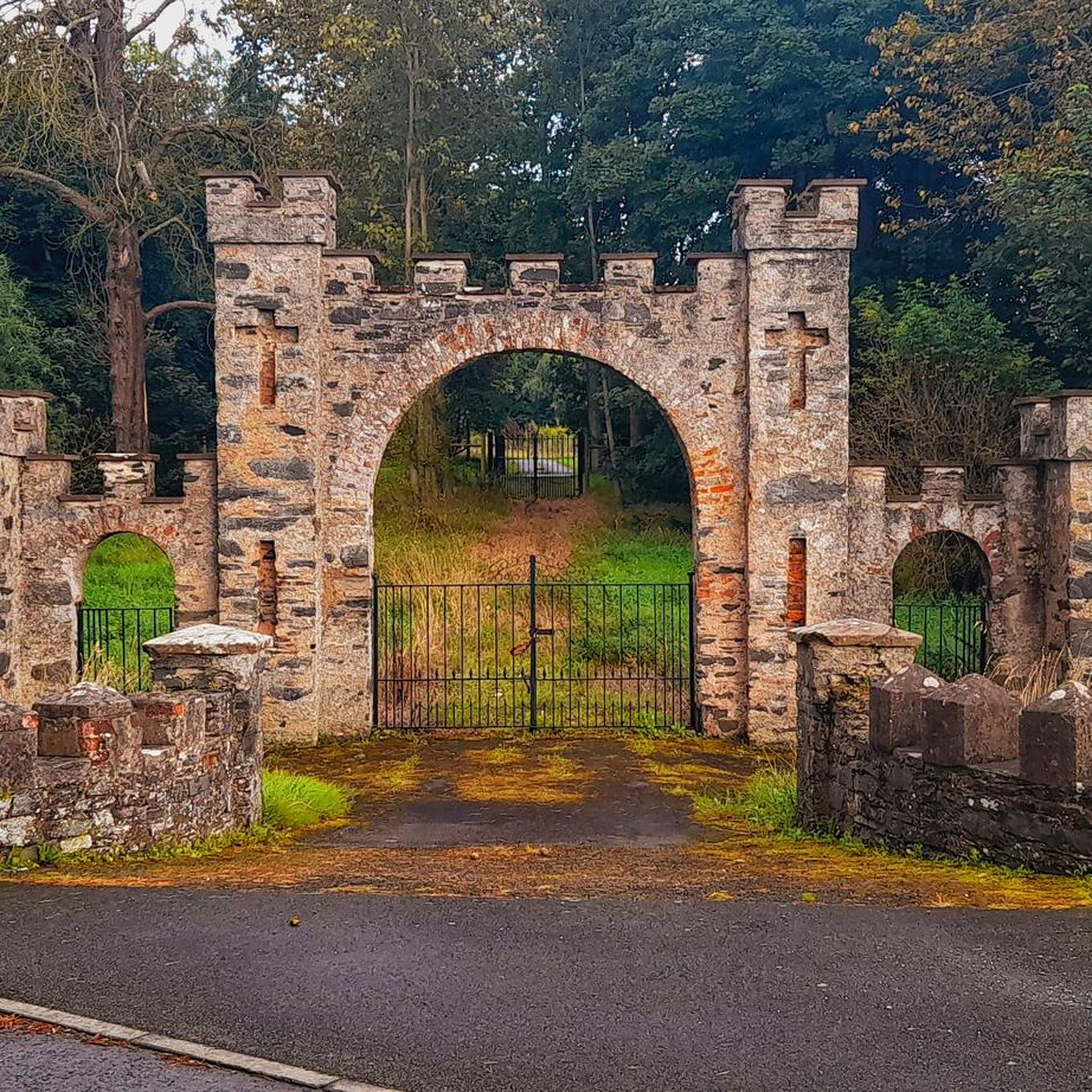
Carrowdore Castle Gate is one of the original 19th-century entrance lodges to the Carrowdore Castle estate in County Down. Built in a Gothic style, it features a castellated parapet and turret-like details that echo the look of the main house. Today it stands as one of the most distinctive remnants of the castle complex, marking the historic gateway to the estate.
1
0

Both the park and the Mount Stewart House itself are outstanding attractions.
2
0

From Donaghadee visitors can enjoy spectacular views across the Irish Sea, where on a clear day you can see all the way to Scotland, only 20 miles away by sea. It was the province’s principle port before Belfast developed. The Harbour was built in 1820's to the design of John Rennie and is part built of limestone from Wales known as "Anglesea marble". On the harbour is Donaghadee's impressive lighthouse, which was built in 1836 and was the first lighthouse in Ireland to be lit by electricity. Sit and rest in the harbour with a bag of chips from Rainy's on the High Street ( on the hill as you roll in to town from Millisle ) Best fryers in the town. Perfect recovery after a long cycle, Irelands oldest Pub - Grace Neills, is only around the corner.
0
0
The house was built in 1818, set in parkland with shelter from woodland trees. There are fine exotic trees and cultivated ornamental gardens sloping gently to a lake. The interior is still largely intact, though some rooms to the rear of the house have been altered in recent times The three-storey tower to the south has a Jacobean-Gothic feel and appears to be largely intact; whilst the similar (but much smaller) three-storey gazebo to the east of the house is now in a ruinous condition. About 1992 a new residence was built a short distance from the original castle. Carrowdore Castle estate is now in private residence.
0
0
Ballycopeland Windmill is the only remaining working windmill in East Down. It was built in the late 18th or early 19th century and was worked until the First World War when it fell into disrepair. It was gradually restored between 1950 and 1978 to full working order.
0
0
Just down the road is the old 'Carrowdore 100' motor bike circuit. Now very popular with cyclists, the route plays host to the Carrowdore road bike race. 5.3 odd miles circuit that starts on Main Street - near the petrol station in the centre of Carrowdore. ( I will put a map of it up soon )
0
0
Lovely place to rest. There are tables arranged outside to the right of the Abbey. Grab some supplies from the shop just up the road in the village, and enjoy the atmosphere. The Abbey is open 24 / 7. Grey Abbey is one of the best examples of Anglo-Norman Cistercian architecture in Ulster, and was the daughter house of Holm Cultram (Cumbria). It was founded in 1193 by Affreca, wife of John de Courcy, the Anglo-Norman invader of East Ulster. The remains, in the beautiful parkland setting of the nearby grand house of Rosemount, consist of the church with cloister and surrounding buildings to the south.
0
0
A small visitor centre is located inside the Millers house with a Cafe onsite open to the public. Disabled access is not possible within the windmill. This is a group of traditional buildings on a sloping site with changes of level. Wheelchair users can gain access to the exhibition but may find this difficult. Some parts of the complex are inaccessible for wheelchairs. Please note: Online booking is essential. A limited number of tickets may be available on the day however cannot be guaranteed. Tours of the windmill can now be booked on the official Ballycopeland Windmill website https://www.ballycopelandwindmill.com .
0
0
Frequently Asked Questions
What historical sites can I visit around Ballyrawer?
Beyond the well-known Ballycopeland Windmill and Grey Abbey Ruins, you can explore Mount Stewart House, an 18th-century masterpiece known for its architecture and art collection. Another interesting spot is Carrowdore Castle Gate, a distinctive Gothic-style entrance lodge that marks the historic gateway to the former Carrowdore Castle estate.
Are there any natural features or viewpoints to enjoy near Ballyrawer?
Yes, the Donaghadee Lighthouse offers spectacular views across the Irish Sea, where on a clear day you can see Scotland and even the Isle of Man. While Ballyrawer itself is a townland, the broader County Down region features natural beauty spots like Gortin Glen Forest Park, known for its scenic drives and waterfalls, and Barnes Gap with its breathtaking views through the Sperrin Mountains.
What outdoor activities can I do near these attractions?
The area around Ballyrawer is excellent for outdoor activities. You can find numerous routes for hiking, including easy walks like the Boundary Walk at Mount Stewart. For cycling, there are routes like the Grey Abbey loop or the Ards Peninsula quarter loop. If you enjoy running, consider the View of the Sea at Donaghadee loop or the Mount Stewart Lake loop.
Are there family-friendly attractions around Ballyrawer?
Many attractions in the area are suitable for families. Ballycopeland Windmill, Donaghadee Lighthouse, Grey Abbey Ruins, and Mount Stewart House are all categorized as family-friendly. These sites offer a mix of history, scenic views, and open spaces for exploration.
What is the best time to visit Ballyrawer and the surrounding County Down area?
The best time to visit County Down generally aligns with milder weather, typically from late spring through early autumn (May to September). This period offers more pleasant conditions for exploring historical sites, enjoying coastal views, and engaging in outdoor activities like hiking and cycling. Always check local weather forecasts before your visit.
Is Ballycopeland Windmill accessible for all visitors?
While the visitor centre at Ballycopeland Windmill has some accessibility for wheelchair users to the exhibition, access within the windmill itself is not possible due to its traditional design with changes in level. It's advisable to book online in advance on their official website, as tickets on the day cannot be guaranteed.
Where can I find local amenities like cafes or pubs near the attractions?
Near Donaghadee Lighthouse, you can find local eateries like Rainy's for chips and Grace Neills, which is Ireland's oldest pub, for refreshments. For Grey Abbey Ruins, you can grab supplies from the shop in the nearby village and enjoy them at the tables arranged outside the Abbey.
What makes Grey Abbey Ruins a significant historical site?
Grey Abbey Ruins are the remains of a 12th-century Cistercian monastery, founded in 1193 by Affreca, wife of John de Courcy. It is considered one of the best examples of Anglo-Norman Cistercian architecture in Ulster, set within beautiful parkland. The site is open 24/7 for visitors to explore its rich history.
Are there any unique facts about Donaghadee Lighthouse?
The Donaghadee Lighthouse, built in 1836, holds the distinction of being the first lighthouse in Ireland to be lit by electricity. Its harbor, constructed in the 1820s, was designed by John Rennie and utilized limestone from Wales, known as 'Anglesea marble'.
What do visitors enjoy most about the attractions around Ballyrawer?
Visitors particularly appreciate the blend of history and natural beauty. The unique historical significance of sites like Ballycopeland Windmill (the only remaining working windmill in East Down) and the architectural grandeur of Mount Stewart House are highly rated. The scenic views from Donaghadee Lighthouse and the tranquil atmosphere of Grey Abbey Ruins also receive positive feedback, making the area a diverse destination for exploration.
Can I find any castles or castle remnants in the area?
While the main Carrowdore Castle is now a private residence, you can visit Carrowdore Castle Gate. This Gothic-style entrance lodge, built in the 19th century, features castellated parapets and turret-like details, offering a glimpse into the historic estate's past.
Are there opportunities for long-distance cycling routes near Ballyrawer?
Yes, the region offers several longer cycling routes. For example, the cycling guide around Ballyrawer includes routes like the Grey Abbey loop from Ballywalter, which spans over 48 kilometers, and the Ards Peninsula quarter loop from Newtownards, covering nearly 39 kilometers, both offering moderate difficulty.
Most popular routes around Ballyrawer

Get inspired with the komoot mobile app


Explore more
Still not found the Highlight you’re looking for? See guides of the top attractions in other regions:
