Attractions and Places To See around Mount Stewart - Top 20
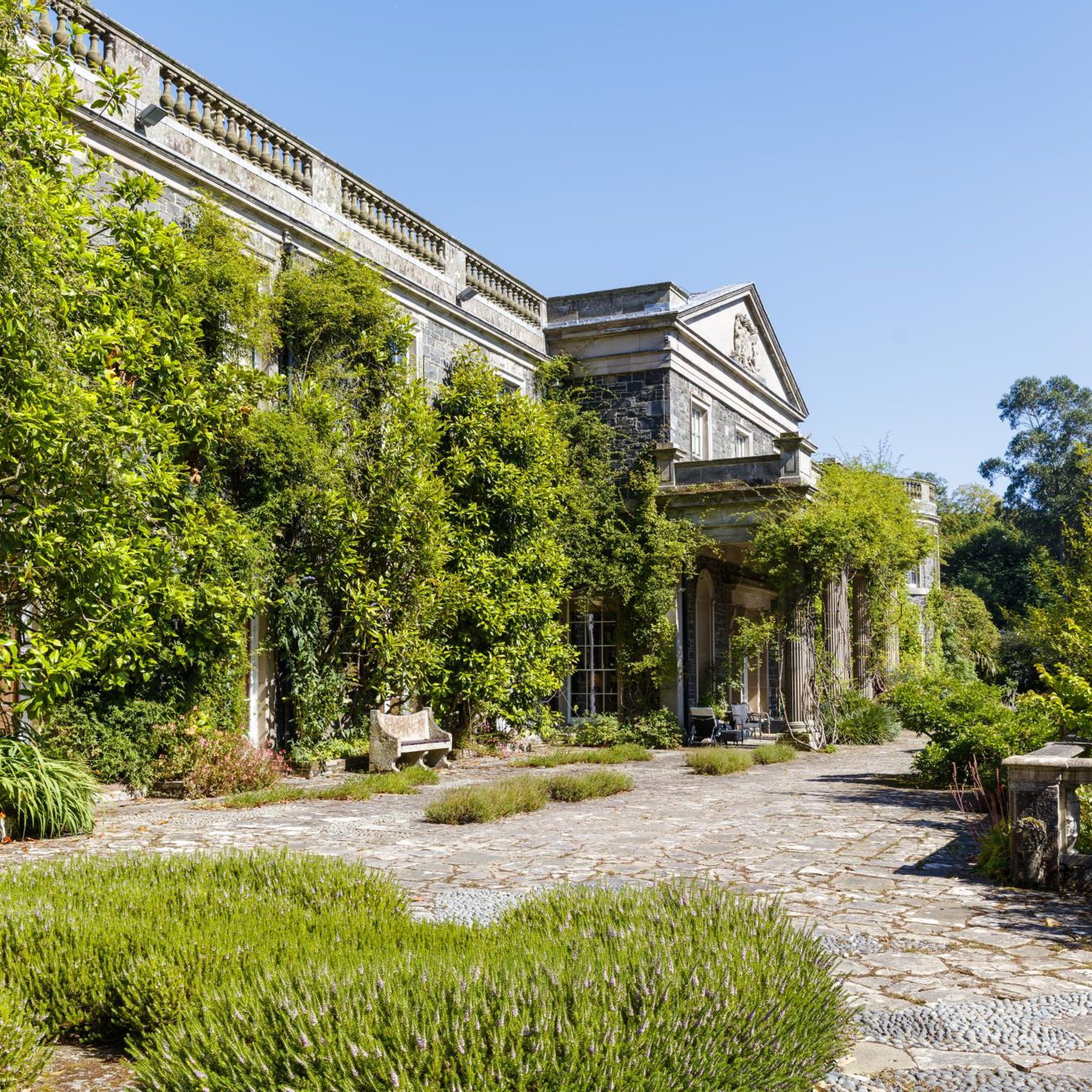
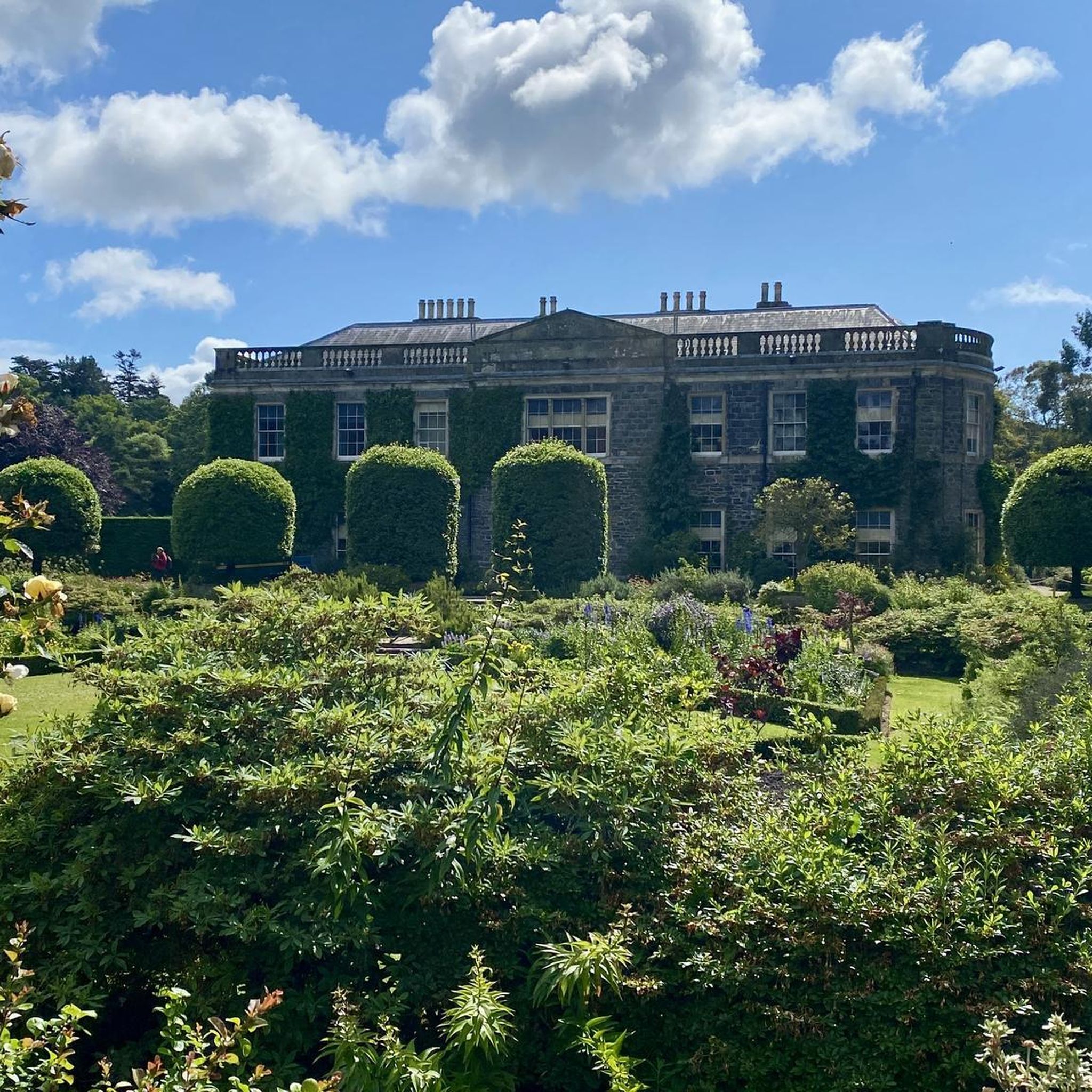
Best attractions and places to see around Mount Stewart are found on the shores of Strangford Lough in County Down, Northern Ireland. This National Trust property features a historic house, world-class gardens, and diverse natural features. The estate offers a range of landmarks, cultural sites, and extensive woodlands with walking trails. Visitors can explore a landscape rich in history and biodiversity.
Best attractions and places to see around Mount Stewart
- The most popular attractions is Nendrum Monastery Ruins, a historical site that represents one of the best examples of a pre-Norman monastic settlement in Northern Ireland, dating back to the 5th century. It features three dry-stone walled enclosures, a church ruin, and a round tower.
- Another must-see spot is Whiterock Harbour, a settlement and scenic spot on the shore of Strangford Lough. Visitors can expect views of the lough, yacht clubs, and nearby Sketrick Castle.
- Visitors also love Ballycopeland Windmill, a man-made monument that is the only remaining working windmill in East Down. It was restored to full working order and includes a visitor centre.
- Mount Stewart is known for its historical sites, natural features, and cultural attractions. The area offers a variety of places to see, from ancient ruins and historic buildings to scenic harbours and extensive walking trails.
- The attractions around Mount Stewart are appreciated by the komoot community, with 26 upvotes and 28 photos shared by visitors.
Last updated: October 18, 2026
Sketrick Castle
Highlight • Castle
Tip by

Nendrum Monastery Ruins
Highlight • Historical Site
Tip by

Sign up now to discover places like this
Get recommendations on the best single tracks, peaks, & plenty of other exciting outdoor places.
Ballycopeland Windmill
Highlight • Monument
Tip by
Helen's Tower
Highlight • Historical Site
Tip by

The Comber Greenway
Highlight (Segment) • Cycleway
Tip by
Sign up for free to discover even more attractions around Mount Stewart.
Already have an account?
Start today with a free account
Your next adventure awaits.
Tips from the Community

Nendrum Monastery was a Christian monastery founded in the 5th century. The monastery finished somewhere between 974 and 1178, but the church survived until the 15th century. You can visit the ruins if you're riding past.
0
0

Sketrick Castkle is a historic landmark situated on Sketrick Island near Whiterock. The castle dates back to the 12th century and the grounds are free to explore.
1
0

This large tower house was built in the mid 15th century and was actively involved in warfare during the 16th century. It would have originally been four storeys high with a boat bay and subterranean passage. There were four chambers at ground level, the largest had a vault built on wicker centring and two ovens. The small unlighted room could have been a lock up or treasury. The tower-house was relatively complete until half of it collapsed in a storm in 1896. Part of the bawn wall survives to the north and east of the castle.
0
0
This is the best example in Northern Ireland of a pre Norman ecclesiastical enclosure with its buildings. Nendrum is associated with St Mochaoi who died at the end of the 5th century, and is linked with St Patrick in a much later source. Notices of Nendrum clergy, including three bishops, begin in the 7th century and the excavation of a sophisticated tide mill on the shore near the site has shown that the mill was active in the early 7th century, which underlines the early importance of Nendrum. References continue until a fire in 976, perhaps a Viking raid, when the head of the church (erenagh) was burned in his house. In the late 12th century a small Benedictine monastic cell was founded on the site, but by 1302–1306 this was the parish church, abandoned for Tullynakill on the mainland in the 15th century. H.C. Lawlor excavated the site from 1922 to 1924, when enclosure walls, church and round tower were restored. The glacial hill is crowned with three concentric walled enclosures, irregularly oval in plan. Little is known of the outer cashel, only partly in state care. In the middle cashel on the south-west side are circular platforms for huts, which excavation suggested were craft workshops, and a rectangular building known as the ‘schoolhouse’, also a workshop. In the inner cashel were the most important buildings, including the church with its graveyard and the base of a round tower north-west of the church. The west wall of the church was rebuilt in the 1920s, incorporating a reconstructed sundial at the south-west corner. Finds from the 1920s excavation, including the well-known bell of Nendrum, are in the Ulster Museum and Down Museum at Downpatrick. Underwater archaeological work in the 1990s showed that there is a stone jetty south-east of the enclosure, now inundated in the lough, and medieval pottery was found close by. ( source: department of communities )
0
0
Perfect way to get out to Comber. Connecting easily with nearby tours of Strangford Lough and Ards. You will be amazed just how quite things get, and all only 30 minutes from Belfast.
0
0
Ballycopeland Windmill is the only remaining working windmill in East Down. It was built in the late 18th or early 19th century and was worked until the First World War when it fell into disrepair. It was gradually restored between 1950 and 1978 to full working order.
0
0
A small visitor centre is located inside the Millers house with a Cafe onsite open to the public. Disabled access is not possible within the windmill. This is a group of traditional buildings on a sloping site with changes of level. Wheelchair users can gain access to the exhibition but may find this difficult. Some parts of the complex are inaccessible for wheelchairs. Please note: Online booking is essential. A limited number of tickets may be available on the day however cannot be guaranteed. Tours of the windmill can now be booked on the official Ballycopeland Windmill website https://www.ballycopelandwindmill.com .
0
0
Daft Eddy's Restaurant / Pub is very popular with Cyclists, and is just up the hill. There is also a Car park with full facilities if you look back to the mainland just on your left.
0
0
Frequently Asked Questions
What historical sites can I explore around Mount Stewart?
The area is rich in history. You can visit the ancient Nendrum Monastery Ruins, one of Northern Ireland's best examples of a pre-Norman monastic settlement. Another notable site is Ballycopeland Windmill, the only remaining working windmill in East Down. Additionally, the 19th-century neoclassical Mount Stewart House and the 18th-century Temple of the Winds folly offer insights into the region's past.
Are there significant gardens to visit near Mount Stewart?
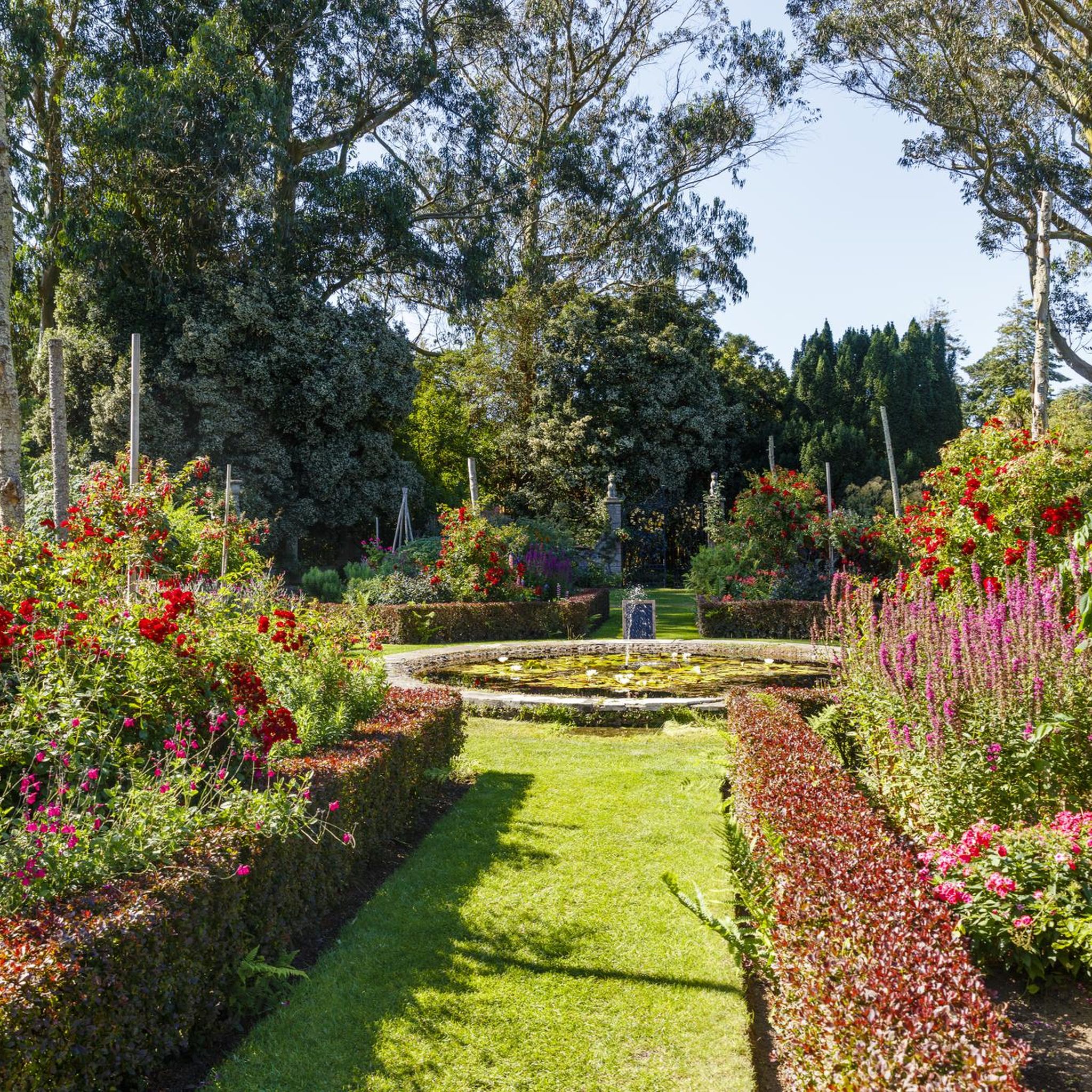
Yes, Mount Stewart is renowned for its world-class gardens, often voted among the top ten globally. These include distinct areas like the Italian Garden, Spanish Garden, Mairi Garden, Shamrock Garden, and Sunk Garden. The Dodo Terrace, with its whimsical animal sculptures, and the Walled Rose Garden and Fernery are also highlights, showcasing rare and tender plants that thrive in the mild climate of Strangford Lough.
What natural features and viewpoints can I enjoy?
The estate's location on the shores of Strangford Lough provides beautiful views. You can also find stunning vistas from the Temple of the Winds. Whiterock Harbour offers scenic views of the lough and yacht clubs. For wildlife, a dedicated Squirrel Hide allows observation of Mount Stewart's red squirrels.
Are there family-friendly attractions around Mount Stewart?
Absolutely. The Natural Play Area, inspired by Edith Lady Londonderry's book "The Magic Inkpot," offers activities like den building and exploring carved woodland figures. Highlights like Nendrum Monastery Ruins, Ballycopeland Windmill, and Whiterock Harbour are also considered family-friendly, offering engaging experiences for all ages.
What walking trails are available within the Mount Stewart demesne?
The 900-acre demesne features ten miles (12km) of walking trails through woodlands, farmland, and around the picturesque lake. These trails are dog-friendly (on leads) and provide excellent opportunities for wildlife spotting, including red squirrels. You can find more details on hiking routes in the area by visiting the Hiking around Mount Stewart guide.
Are there cycling routes near these attractions?
Yes, the area offers several cycling opportunities. The Comber Greenway is a popular traffic-free path connecting Belfast city centre with Comber, offering beautiful scenery. For road cycling, you can explore routes like the Strangford Lough loop. Discover more options in the Road Cycling Routes around Mount Stewart guide.
What do visitors enjoy most about Nendrum Monastery Ruins?
Visitors appreciate the tranquility and historical significance of Nendrum Monastery Ruins. Many highlight the stunning views of Strangford Lough, especially from the park bench on the far east corner. The site's quiet atmosphere, picnic area, and the chance to see traces of old salmon fisheries at low tide are also frequently mentioned.
What should I know about visiting Ballycopeland Windmill?
Ballycopeland Windmill is the only remaining working windmill in East Down and includes a visitor centre. Please note that online booking is essential for tours, and while a limited number of tickets may be available on the day, they are not guaranteed. Accessibility within the windmill is limited due to its traditional structure, though wheelchair users can access parts of the exhibition.
Can I bring my dog to the attractions?
Within the Mount Stewart demesne, the ten miles of walking trails are dog-friendly, provided dogs are kept on leads. For specific attractions, it's always best to check individual policies, but generally, outdoor areas are more accommodating.
What is Helen's Tower and what makes it interesting?
Helen's Tower is a 19th-century folly and lookout tower near Bangor, known for its Scottish Baronial architecture. It was built by the 5th Baron of Dufferin and Claneboye as a shrine for poems, including one by his mother and others solicited from famous poets like Tennyson. It also inspired the design of the Ulster Tower, a war memorial in France.
Where can I find scenic views of Strangford Lough?
The shores of Strangford Lough offer numerous scenic spots. The Temple of the Winds provides elevated views, and Whiterock Harbour is a picturesque settlement where you can enjoy views of the lough, yacht clubs, and the ruins of Sketrick Castle. The Nendrum Monastery Ruins also boast excellent vantage points over the water.
Most popular attractions around Mount Stewart

Get inspired with the komoot mobile app


Explore more
Still not found the Highlight you’re looking for? See guides of the top attractions in other regions:
