Top 19 Natural Monuments around Woolstaston
Best natural monuments around Woolstaston are found within the Shropshire Hills, an area characterized by its diverse natural landscape. This region features prominent hills, valleys, and unique geological formations, offering opportunities for outdoor exploration. The terrain includes volcanic crags, quartzite rock formations, and river valleys, providing varied natural features for visitors. Woolstaston serves as a base for discovering these notable landmarks and natural features.
Best natural monuments around Woolstaston
- The most popular natural monuments is Caer Caradoc, a climb…
Last updated: October 13, 2026
Caer Caradoc
Highlight • Climb
Tip by

Stiperstones Summit
Highlight • Natural Monument
Tip by
Sign up now to discover places like this
Get recommendations on the best single tracks, peaks, & plenty of other exciting outdoor places.
Carding Mill Valley
Highlight • Gorge
Tip by

Lightspout Waterfall
Highlight • Waterfall
Tip by
Devil's Chair (Stiperstones)
Highlight • Climb
Tip by
Sign up for free to discover even more natural monuments around Woolstaston.
Already have an account?
Start today with a free account
Your next adventure awaits.
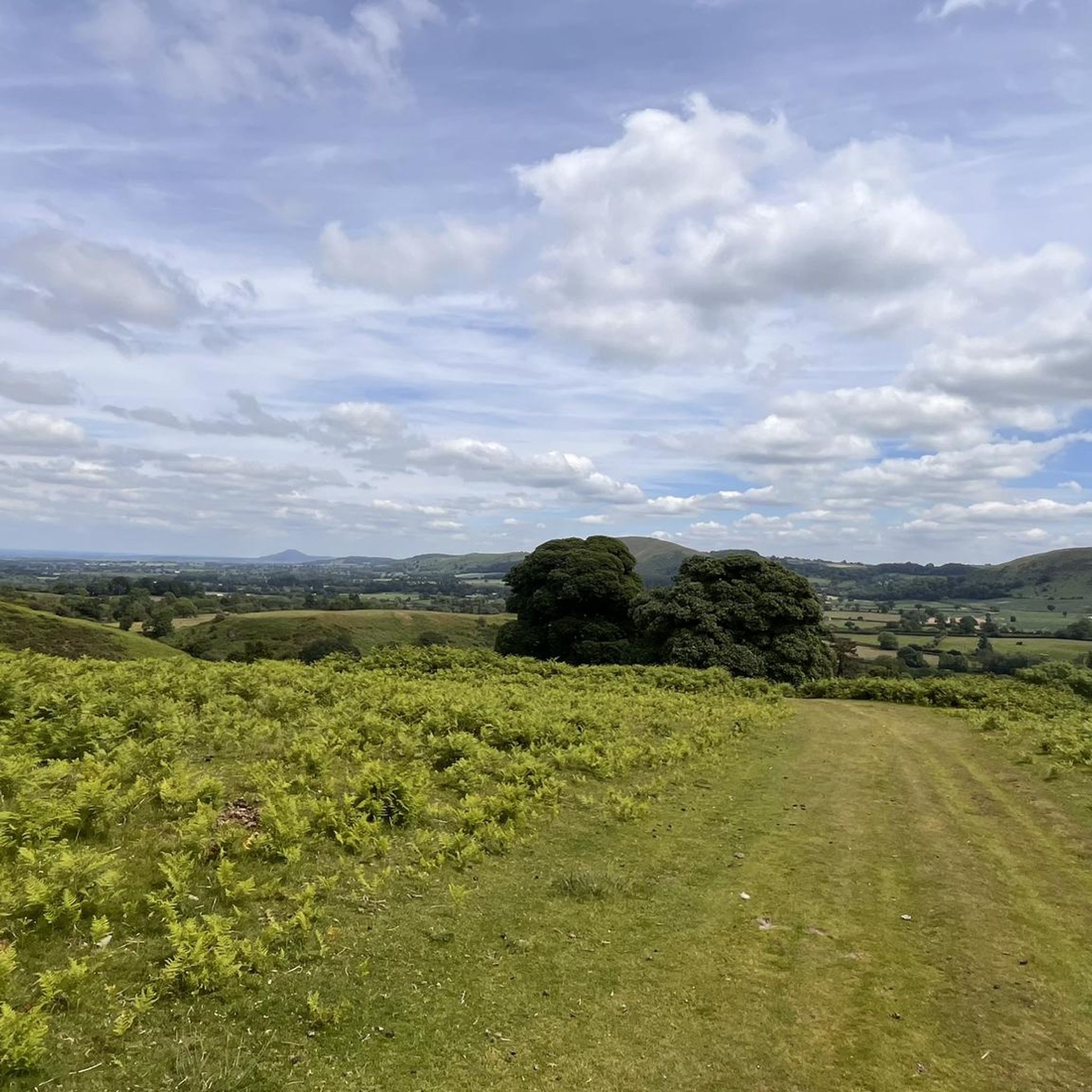

Tips from the Community

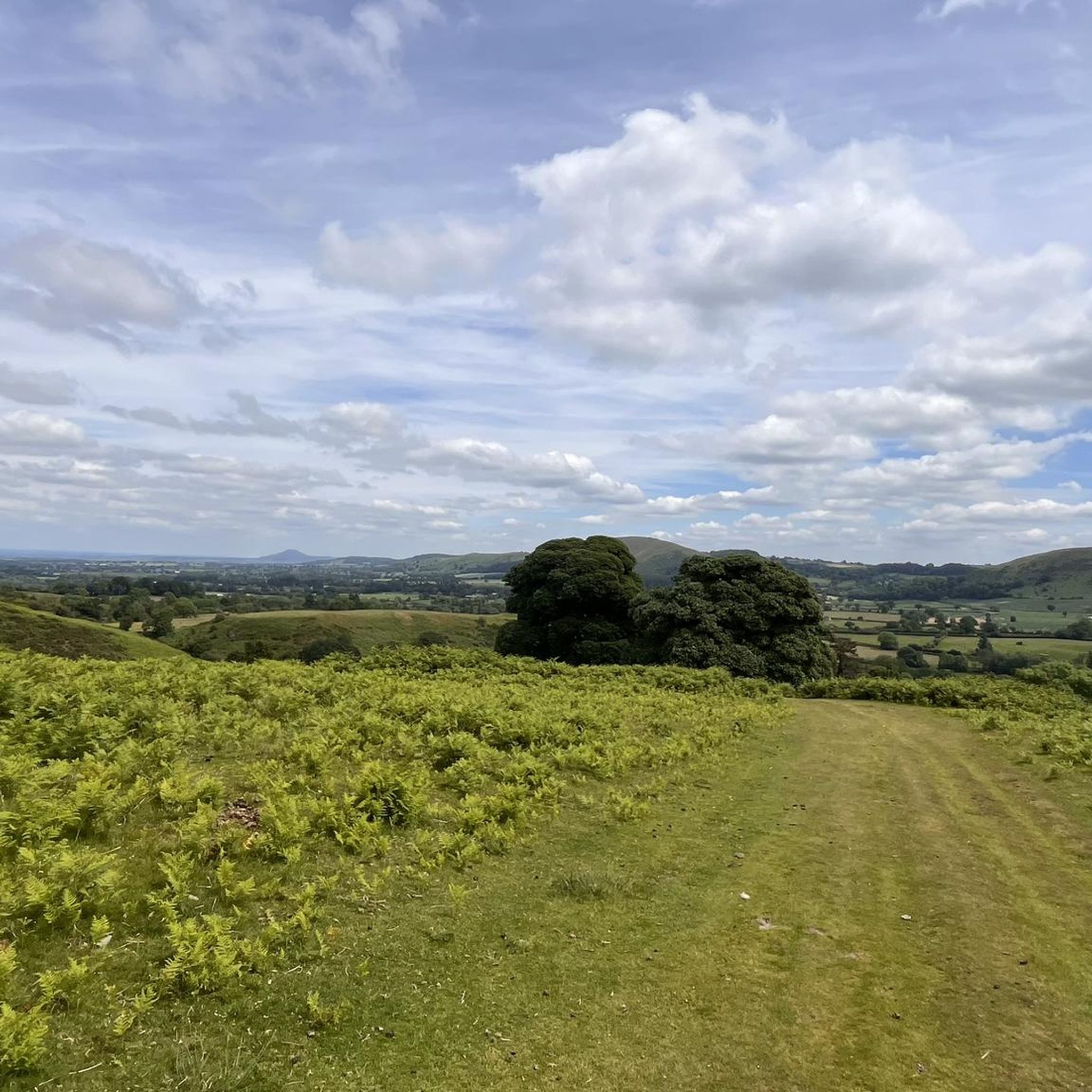
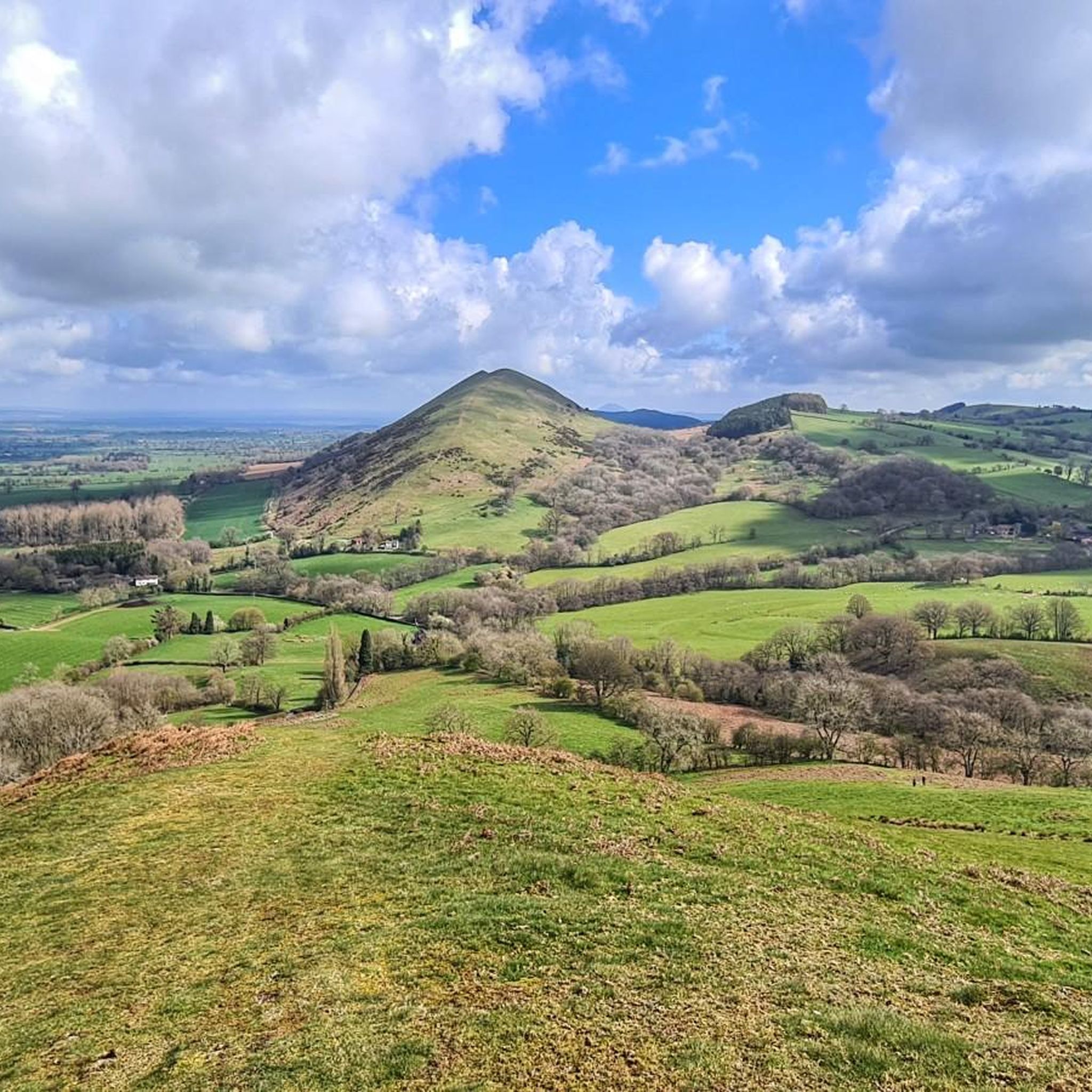
Caer Caradoc Hill 459.5m P273.3 (1507ft) [List Objective: English Humps] (DoBIH Hill ID: 2841) [JNSA 8325] Shropshire National Landscape Definitive List summit.
0
0
Devil's Chair 529.2m P9.7 Shropshire National Landscape Definitive List summit.
0
0

Sturdy footwear recommended, we completed a 4 mile hike, with a couple of steep rock steps to walk up along the way. Other than the steps, the majority of paths are easily accessible. Can get busy when the weather is very good and if you’re lucky, you may get a treat and see the wild horses.
1
0

Be willing to climb to the trig point as it’s placed on top of the summit rock.
0
0

The Devil's Chair is a prominent rock formation located on the Stiperstones ridge in the Shropshire Hills. The ridge is part of the Stiperstones National Nature Reserve and is known for its jagged quartzite rocks, of which the Devil's Chair is the most famous. It stands at around 536 meters and offers sweeping views of the surrounding countryside, including the Welsh borderlands and the Shropshire plains.
1
0

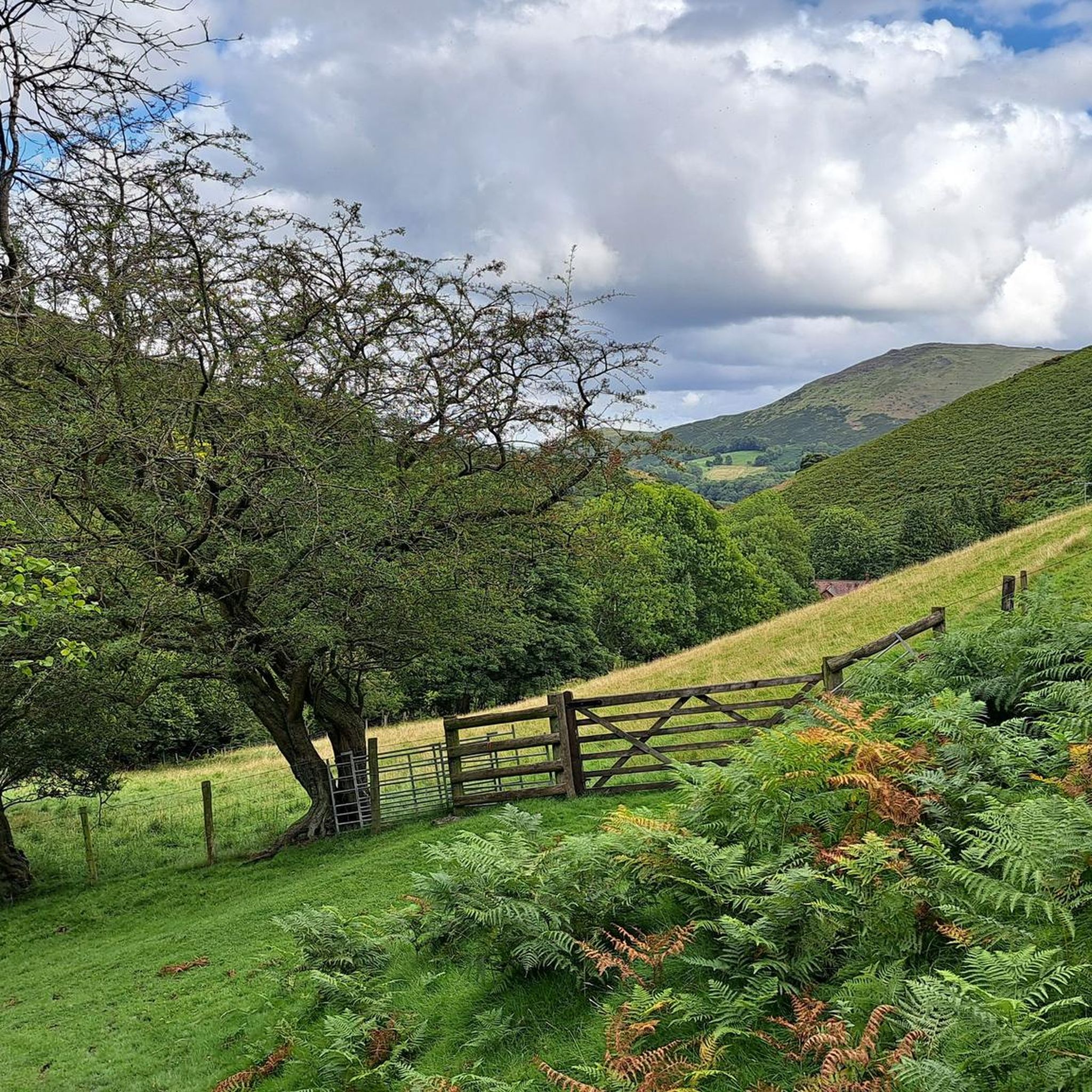
Carding Mill Valley is a stunning valley that runs north-west out of the charming village of Church Stretton. It is the gateway to a plethora of gentle walks, hikes, and bike rides that are available in the Long Mynd area. The Ashbrooke River runs through the centre of this stunning valley, and located in its upper reaches is Lightspout Waterfall. The valley is bordered by the steep but moderate hills of Bodbury Hill and Haddon Hill to the north and Burway Hill and Cow Ridge to the south. There is a National Trust car park, information centre, and cafe at the start of the valley, but get there early, especially on summer weekends and bank holidays, as this is a very popular area.
3
0
Frequently Asked Questions
What are the most popular natural monuments around Woolstaston?
Visitors frequently enjoy the distinctive shape and panoramic views from Caer Caradoc, known for its jagged volcanic crags. Another favorite is Stiperstones Summit, offering spectacular vistas from its ridge of ancient tors. Carding Mill Valley is also highly regarded as a gateway to numerous walks and bike rides, featuring the Ashbrooke River and Lightspout Waterfall.
Are there family-friendly natural monuments to visit near Woolstaston?
Yes, Carding Mill Valley is particularly family-friendly. It offers a variety of gentle walks and bike rides, with amenities like a National Trust car park, information center, and cafe at its entrance. While some paths can be rocky, many are easily accessible, making it suitable for families.
What unique geological features can I expect to see?
The region is rich in geological interest. Caer Caradoc features striking jagged volcanic crags. The Stiperstones Summit and Devil's Chair are characterized by ancient quartzite tors and screes, formed nearly 500 million years ago and shaped by glacial activity. These formations offer a glimpse into the area's deep geological past.
What outdoor activities can I do near these natural monuments?
The natural monuments around Woolstaston are ideal for hiking, exploring, and enjoying panoramic views. You can find various routes, including easy hikes like the Lightspout Hollow waterfall trail or the Caer Caradoc loop. For more challenging adventures, there are gravel biking and mountain biking routes, such as the Long Mynd Classic. You can explore more options on the easy hikes around Woolstaston guide, the gravel biking guide, or the MTB trails guide.
Are there challenging climbs or trails for experienced hikers?
Absolutely. Both Caer Caradoc and Stiperstones Summit offer challenging ascents. The climb to Caer Caradoc's summit is rewarding, while the Stiperstones ridge involves a surprisingly steep ascent with rocky pinnacles that may require sure footing. The route to Lightspout Waterfall through Lightspout Hollow also presents a fun, rocky climb.
What is the best time to visit the natural monuments around Woolstaston?
The Shropshire Hills are beautiful year-round, but spring and summer offer the most pleasant weather for hiking and exploring, with longer daylight hours. Autumn brings stunning foliage. Be aware that popular spots like Carding Mill Valley can get very busy on summer weekends and bank holidays, so an early start is recommended during peak times.
Are there any notable viewpoints or panoramic vistas?
Yes, the natural monuments are renowned for their expansive views. From the summit of Caer Caradoc, you can enjoy breathtaking panoramic views over Long Mynd, The Lawley, and Church Stretton. Stiperstones Summit and the Devil's Chair also provide spectacular, sweeping vistas of the surrounding Shropshire countryside and even the Welsh borderlands.
What should I wear for a hike in this area?
Given the varied terrain, sturdy footwear is highly recommended, especially for rocky ascents like those found on Caer Caradoc or the Stiperstones. Layered clothing is advisable to adapt to changing weather conditions, as the hills can be exposed. Waterproofs are always a good idea in the British countryside.
Are there any natural monuments with waterfalls?
Yes, Lightspout Waterfall is a notable natural monument located in the upper reaches of Carding Mill Valley. It's a very impressive spring water waterfall, accessible via a fun, rocky ascent through Lightspout Hollow.
What do visitors enjoy most about the natural monuments around Woolstaston?
Visitors frequently praise the stunning panoramic views, the unique geological formations, and the sense of accomplishment after a challenging climb. The opportunity to explore diverse landscapes, from volcanic crags to ancient tors and serene valleys, is also highly valued. Many appreciate the chance to see wildlife, including sheep and birds of prey, and the overall beauty of the Shropshire countryside.
Are there any legends associated with these natural monuments?
Yes, the Devil's Chair on the Stiperstones ridge has a local legend. It's said that the Devil was carrying stones in his apron to fill a valley, but his apron strings snapped when he stopped for a rest, scattering the rocks across the ridge. He then left them there, forming the prominent rock formations seen today.
Most popular attractions around Woolstaston

Get inspired with the komoot mobile app


Explore more
Extend your search for the best caves by checking out these guides of the top ones around Woolstaston:
