Attractions and Places To See around Lurgantarry - Top 14
Attractions and places to see around Lurgantarry, a locality near Lurgan in County Armagh, Northern Ireland, feature a mix of natural landscapes, historical landmarks, and cultural sites. The area is characterized by its proximity to Lough Neagh, the largest lake in Ireland, and the River Bann. Visitors can explore a range of points of interest that highlight the region's heritage and outdoor opportunities.
Best attractions and places to see around Lurgantarry
- The most popular attractions is Craigavon Lakes, a…
Last updated: October 17, 2026
Craigavon Lakes
Highlight • Lake
Tip by

Wave Sculptures Overlooking Lough Neagh
Highlight • Monument
Tip by

Sign up now to discover places like this
Get recommendations on the best single tracks, peaks, & plenty of other exciting outdoor places.
Lough Neagh
Highlight • Natural
Translated by Google •
Tip by

Directional Sign at the Confluence of the Upper Bann River and Newry Canal
Highlight • Viewpoint
Tip by
Lisnamintry Rath Entrance
Highlight • Natural Monument
Tip by

Sign up for free to discover even more attractions around Lurgantarry.
Already have an account?
Start today with a free account
Your next adventure awaits.

Tips from the Community

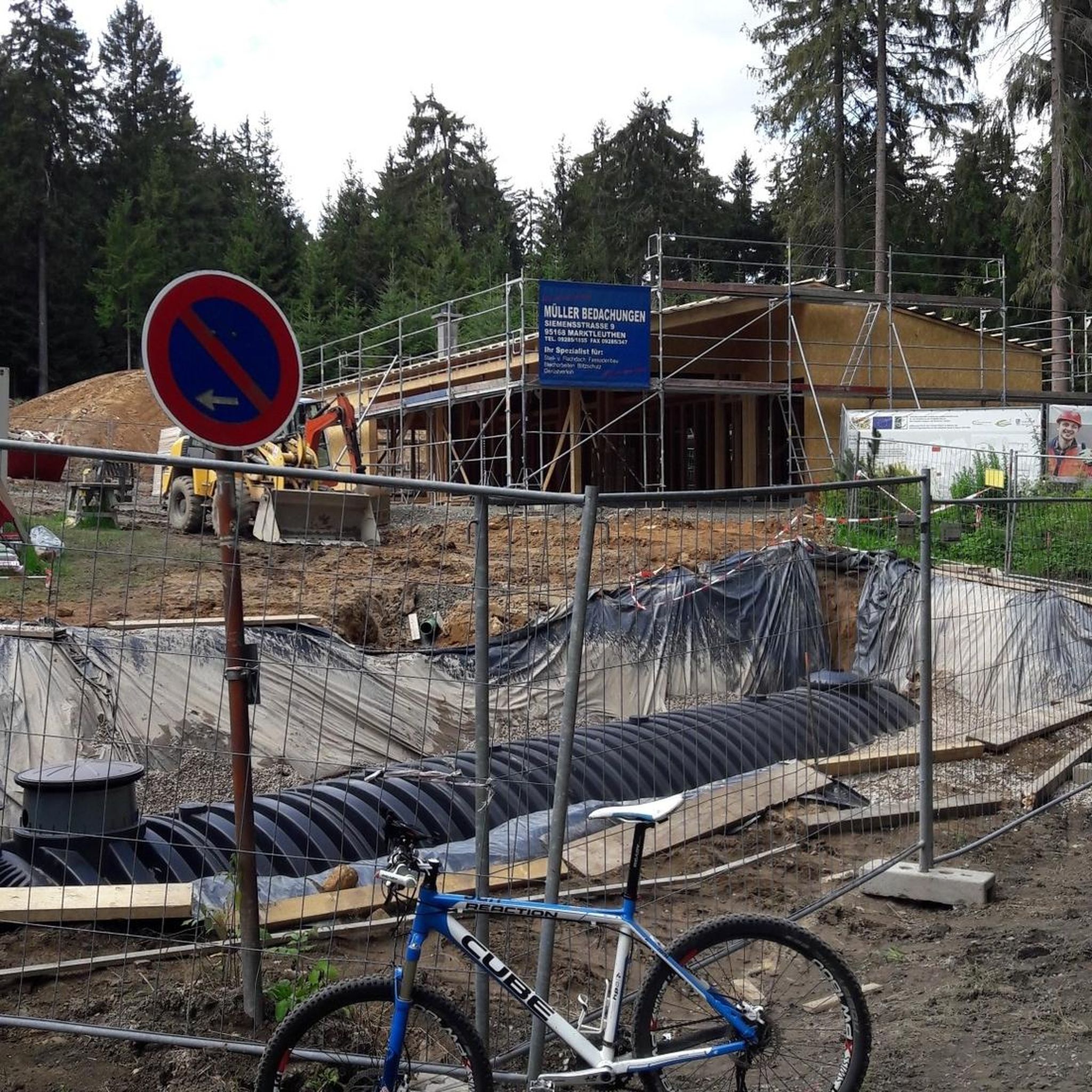
The entrance to Lisnamintry Rath (located on Ballygargan Road, near Portadown) is the gateway to one of the few officially protected archaeological monuments in this part of County Armagh. A rath is an early medieval fortified farmstead (c. 500–1000 AD) that formerly offered protection to families and their livestock against raiders. Not visible from the road.
1
0

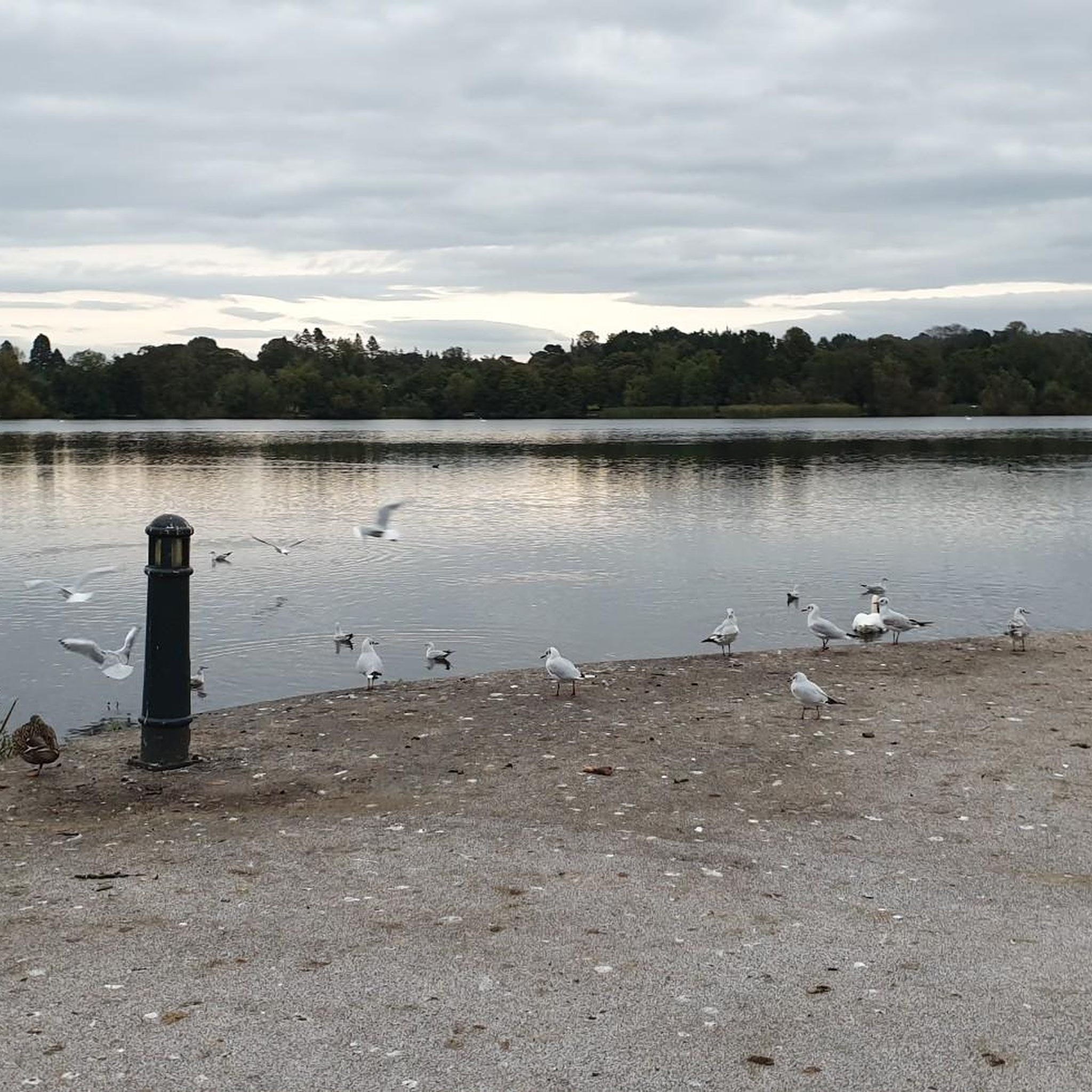
Lough Neagh is a real gem for cyclists, especially if you enjoy pedalling along the water. The paths around the lake offer a varied mix of rolling shoreline landscapes, gravel paths and beautiful viewpoints that give you a different perspective of the water every time. What makes this place special is not just the nature, but also the stories that are in the air here - from sunken kingdoms to legendary giants who are said to have created the lake with a single throw. The atmosphere here changes constantly with the weather: on clear days the water sparkles in the sun, while clouds cast a mystical veil over the lake. The picnic areas along the shore invite you to take a short rest and watch the swans and ducks gliding leisurely across the surface. But not everything is idyllic - recent environmental problems such as the blue-green algae plague are a constant theme. It shows that this magical place needs care and attention to maintain its charm. The best way to do this is on a bike that can handle going off the beaten track. The wind can sometimes blow strongly across the lake, which requires a bit of extra energy, but you will be rewarded with great views. A tour around Lough Neagh combines history, nature and small adventures - an experience that always reveals new facets.
2
0
The paths are wide and perfect for families, as there are no cars to disturb you. As you glide along the car-free cycling and hiking trails, you can enjoy the view of the water - especially when the sky is cloudy, the lake has a very special atmosphere, almost mystical. The route is mostly asphalt, but there are also some gravel sections that provide some variety. These single-track paths add a certain challenge to the route without being really demanding. Ideal if you prefer to take it easy, but still don't want to just walk on smooth asphalt. If you want to take a break, the lake offers many corners to catch your breath and have a picnic. There is enough space on the banks to rest a bit and enjoy the surroundings to the fullest.
0
0
The wave-shaped metal sculpture seems to blend gently into the landscape on the shores of Lough Neagh, as if it were merging with the water itself. In the background lies Ireland's largest lake, whose vastness and still surface exude a special sense of calm. The reflective surfaces of the sculpture catch the light and reflect it back - a play with the elements that subtly enlivens the surroundings. Here you can pause for a moment and enjoy the view. You might sit on a picnic blanket, letting your gaze wander over the glittering surface of the water while breathing in the fresh air. All around you, the nature reserve is lively but at the same time peaceful, and the sculpture is a reminder of how closely art and nature are connected here. A beautiful place to take in the impressions before continuing on your path.
1
0
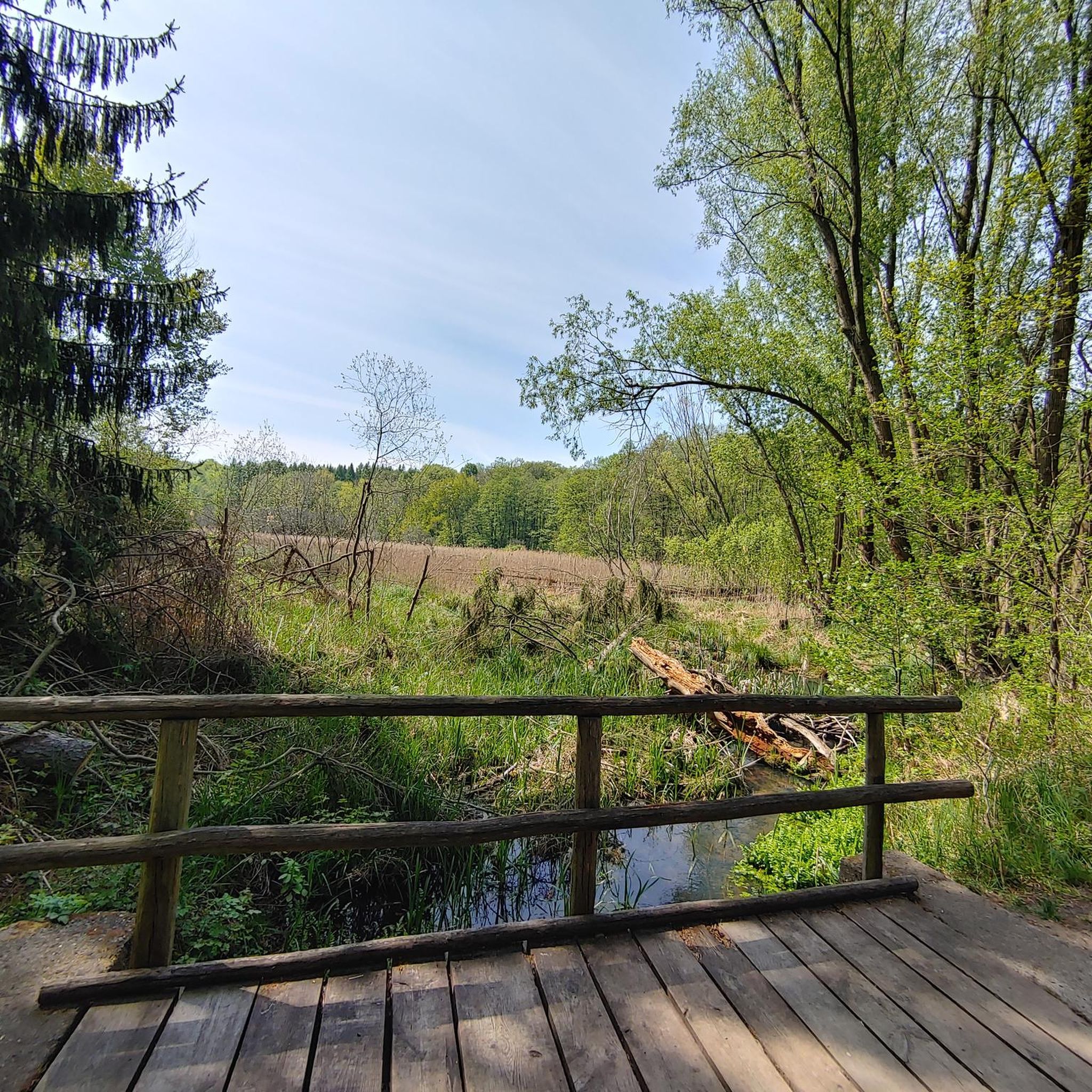
At the meeting point of the Upper Bann River and the Newry Canal stands this striking signpost - a simple yet interesting construction that shows you the way. It points to places like Scarva, Newry, Portadown and Oxford Island, while the water flows quietly, creating a peaceful atmosphere. It's a moment to pause and take in the surroundings. The flow of the river, the gentle murmur and the green of the banks invite you to leave the path for a while and enjoy the view. You notice that it's not just routes that are described here, but also the connections between the towns and nature - a little reminder that every walk is more than just the path you take.
2
0

Lough Neagh is the largest freshwater lake in the UK and Ireland, it contains over 800 billion gallons of water. Lough Neagh has a unique and diverse habitat with many rare species of plants, bugs, waterfowl, birds and fish. But it isn’t just the wildlife and the beauty of the landscape that make Lough Neagh so unique. It is also the colourful myths and legends. It is said to have its very own Atlantis! According to myth the people of one of the kingdoms of ancient Ireland had a magical spring of freshwater. When the people became greedy the spring rose up and flooded the kingdom, leaving an underwater city beneath.
1
0
From the late Iron Age to early Christian times, the island's occupants built circular structures with earth banks or ditches. These were sometimes topped with wooden palisades and wooden framed buildings. As the dwellings were not durable, sometimes referred to as as Fairy Forts ( also known as Lios or Raths from the Irish, referring to an earthen mound ) are the remains of stone circles, ringforts, hillforts, or other circular prehistoric dwellings in Ireland.
2
0

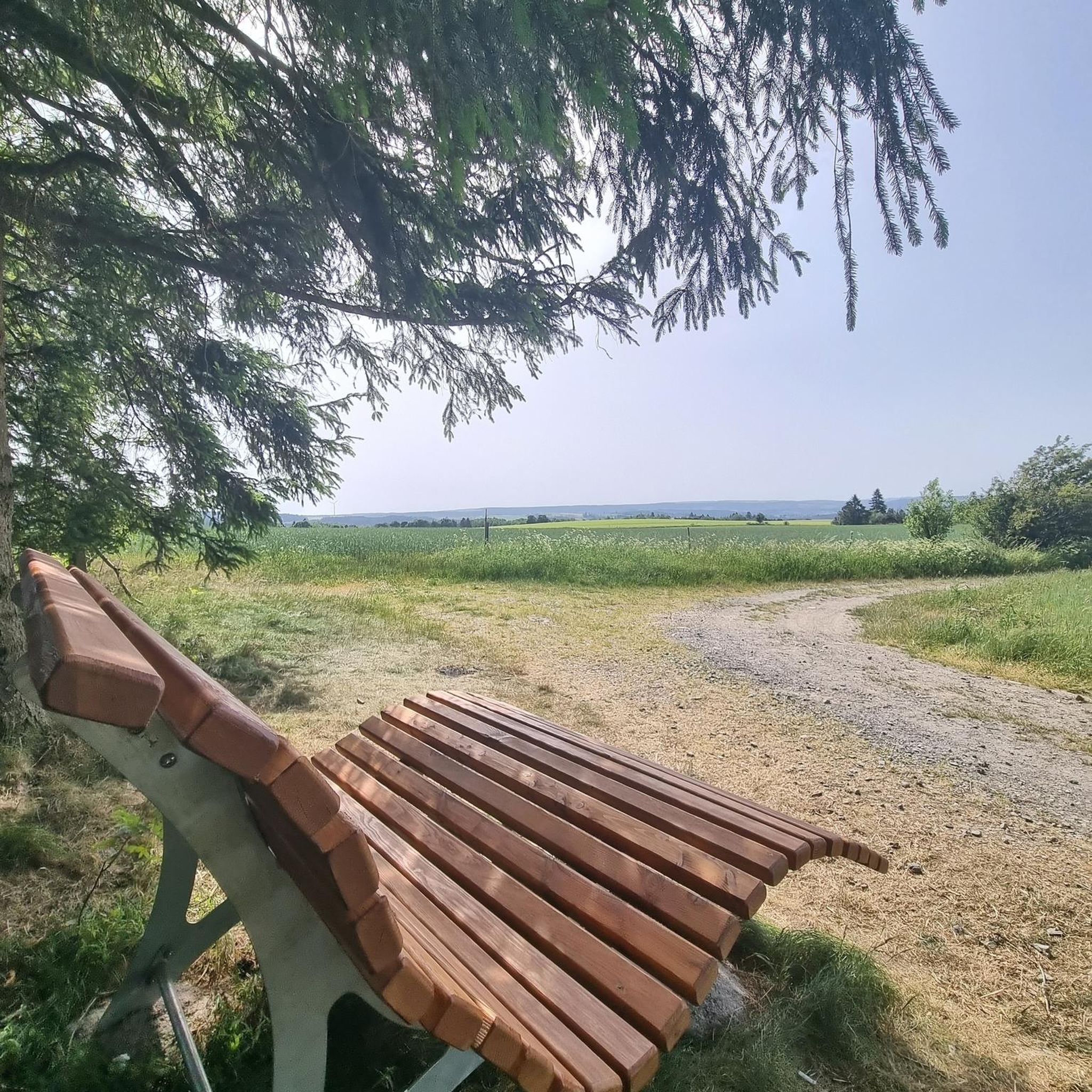
Great views of Lough Neagh with the welcome addition of picnic benches to watch over the waters while you stop for a snack.
1
0
Frequently Asked Questions
Where is Lurgantarry located and what is it known for?
Lurgantarry is a locality near Lurgan in County Armagh, Northern Ireland. The area is known for its blend of natural landscapes, historical landmarks, and cultural sites, particularly its proximity to Lough Neagh, the largest lake in Ireland, and the River Bann.
What natural features can I explore around Lurgantarry?
The region offers several significant natural features. You can visit Lough Neagh, the largest lake in Ireland, which provides varied landscapes and viewpoints. The confluence of the Upper Bann River and Newry Canal also offers a peaceful atmosphere. Additionally, Oxford Island Nature Reserve, on the shores of Lough Neagh, is a lovely green space for outdoor exploration.
Are there historical landmarks or cultural sites to visit near Lurgantarry?
Yes, the area is rich in history. Notable landmarks include Brownlow House (often called 'Lurgan Castle'), Lurgan Town Hall, and prominent religious sites like Shankill Parish Church and St Peter's Catholic Church. The Moyallan Pillbox, a World War II relic along the River Bann, also offers a glimpse into the past. For cultural insights, the Lough Neagh Discovery Centre provides information about the lake and its environment.
What outdoor activities can I do near these attractions?
The area around Lurgantarry is excellent for outdoor activities. You can enjoy walking and cycling on the traffic-free paths around Craigavon Lakes. For hiking, there are several routes available, including easy loops in Oxford Island National Nature Reserve and Lurgan Park. You can find more details on routes like 'Oxford Island National Nature Reserve loop' and 'Pavilion in the Park loop from Lurgan' in the Hiking around Lurgantarry guide.
Are there family-friendly attractions around Lurgantarry?
Absolutely. Craigavon Lakes offers family-friendly, traffic-free cycle and walking paths. The Wave Sculptures Overlooking Lough Neagh and the Directional Sign at the Confluence of the Upper Bann River and Newry Canal are also suitable for families. Additionally, Tannaghmore Gardens & Animal Farm and C & J's Animal Park provide family-oriented experiences.
What are some unique viewpoints in the Lurgantarry area?
For scenic views, the Wave Sculptures Overlooking Lough Neagh offer a unique perspective over Ireland's largest lake. The Directional Sign at the Confluence of the Upper Bann River and Newry Canal also provides a tranquil spot to observe the water's flow and surrounding landscape.
What is the best time to visit Lurgantarry attractions?
The region can be enjoyed year-round, but spring and summer typically offer the most pleasant weather for outdoor activities and exploring natural features like Lough Neagh and Oxford Island. Autumn brings beautiful foliage, while winter can offer a mystical atmosphere, especially around the lake, though some facilities might have reduced hours.
Are there accessible trails or facilities for visitors with mobility needs?
Yes, the Lough Neagh Discovery Centre is fully accessible, featuring a gift shop and cafe with panoramic views. Many of the paths around Craigavon Lakes are wide and suitable for various users, including those with pushchairs or wheelchairs, offering both asphalt and gravel sections.
Where can I find cafes or places to eat near the attractions?
The Lough Neagh Discovery Centre has a cafe with panoramic views across the lake, perfect for a break. The town of Lurgan itself offers various cafes and pubs for refreshments and meals.
What do visitors enjoy most about the attractions around Lurgantarry?
Visitors particularly appreciate the tranquil waterside paths, the varied landscapes around Lough Neagh, and the family-friendly nature of places like Craigavon Lakes. The blend of natural beauty with historical and cultural sites provides a diverse experience for all.
Are there any specific hiking trails recommended for easy walks?
For easy walks, consider the 'Oxford Island National Nature Reserve loop' or the 'Pavilion in the Park loop from Lurgan'. These routes are generally flat and offer pleasant scenery. You can find more details and other easy options in the Easy hikes around Lurgantarry guide.
What are the parking options for attractions in the Lurgantarry area?
Many popular attractions, such as Lurgan Park, Oxford Island Nature Reserve (home to the Lough Neagh Discovery Centre), and Craigavon Lakes, typically offer dedicated parking facilities. It's advisable to check specific attraction websites for detailed parking information and any potential fees.
Most popular attractions around Lurgantarry

Get inspired with the komoot mobile app


Explore more
Still not found the Highlight you’re looking for? See guides of the top attractions in other regions:
