Attractions and Places To See around Taynton - Top 20
Best attractions and places to see around Taynton, a village in the Windrush Valley of the Cotswolds, offers insight into classic English charm. The area is characterized by stone-built houses and historical significance. It is surrounded by rolling countryside within an Area of Outstanding Natural Beauty, providing scenic views.
Best attractions and places to see around Taynton
- The most popular attractions is Lower Slaughter, a settlement that is a small village on the River Eye. It features a former watermill from the 19th century.
- Another must-see spot is The Old Mill, Lower Slaughter, a man-made monument. This historical mill with a museum sits on the River Eye and has a history dating back to the 14th century.
- Visitors also love Bourton-on-the-Water village, an archetypal Cotswold village known for its cottages and honey-coloured brick houses. Delightful arched bridges span the River Windrush, giving it the 'Venice of the Cotswolds' tag.
- Taynton is known for historical landmarks, natural features, and charming villages. Visitors can explore historic churches, disused quarries, and traditional Cotswold villages.
- The attractions around Taynton are appreciated by the komoot community, with more than 600 upvotes and over 200 photos shared.
Last updated: October 9, 2026
Lower Slaughter
Highlight • Settlement
Translated by Google •
Tip by

Bourton-on-the-Water village
Highlight • Viewpoint
The ancient Roman road, the Fosse Way, travels through the village and it is also that start point for the Oxfordshire Way long-distance trail to Henley-on-Thames.
Tip by

Sign up now to discover places like this
Get recommendations on the best single tracks, peaks, & plenty of other exciting outdoor places.
The Old Mill, Lower Slaughter
Highlight • Monument
Like the village it lies in, Lower Slaughter, the mill is absolutely stunning and is now home to a museum. You'll also find a shop and lovely riverside cafe here.
Tip by

Warden's Way at Lower Slaughter
Highlight • Trail
Tip by

Stow-on-the-Wold Market Cross
Highlight • Monument
Tip by

Sign up for free to discover even more attractions around Taynton.
Already have an account?
Start today with a free account
Your next adventure awaits.
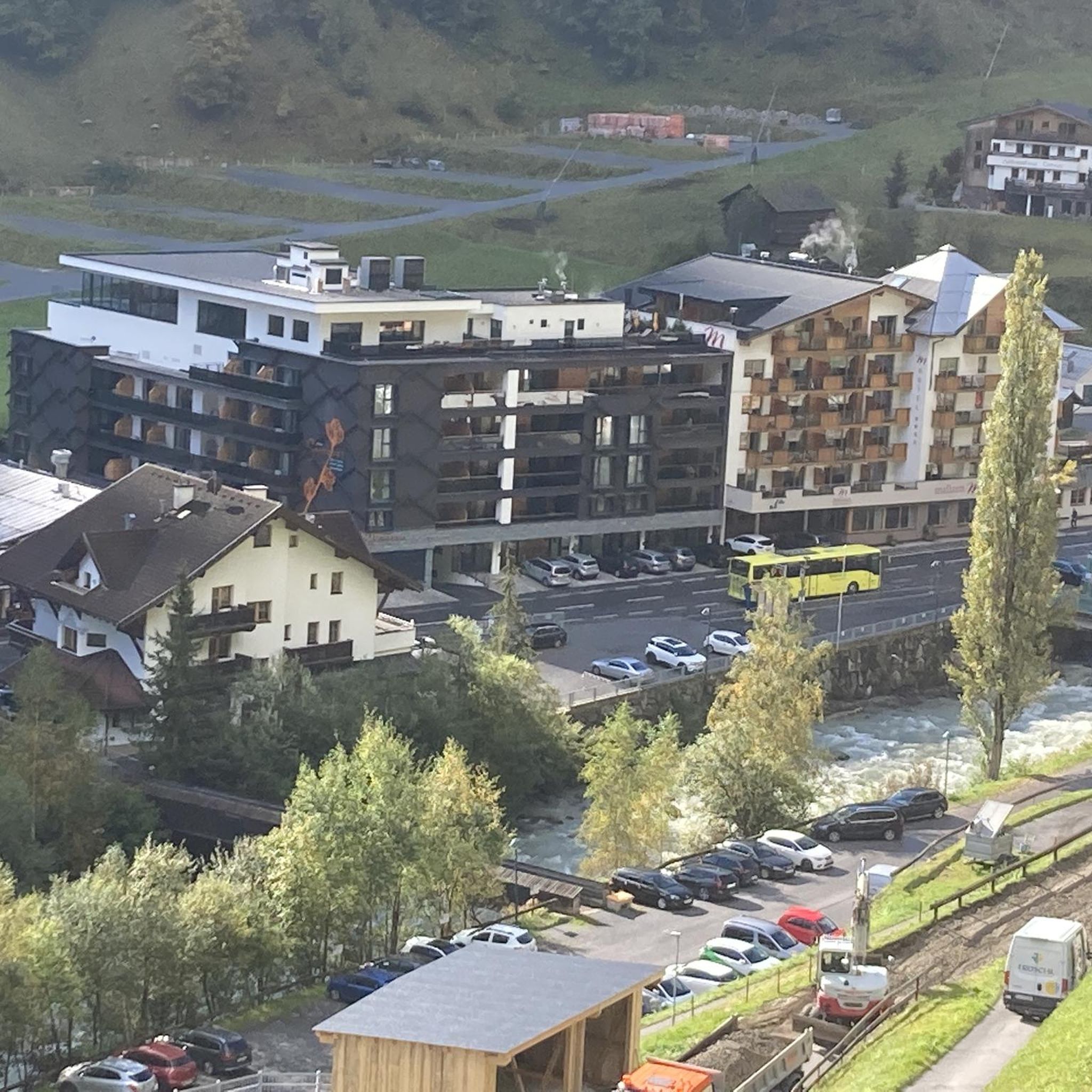

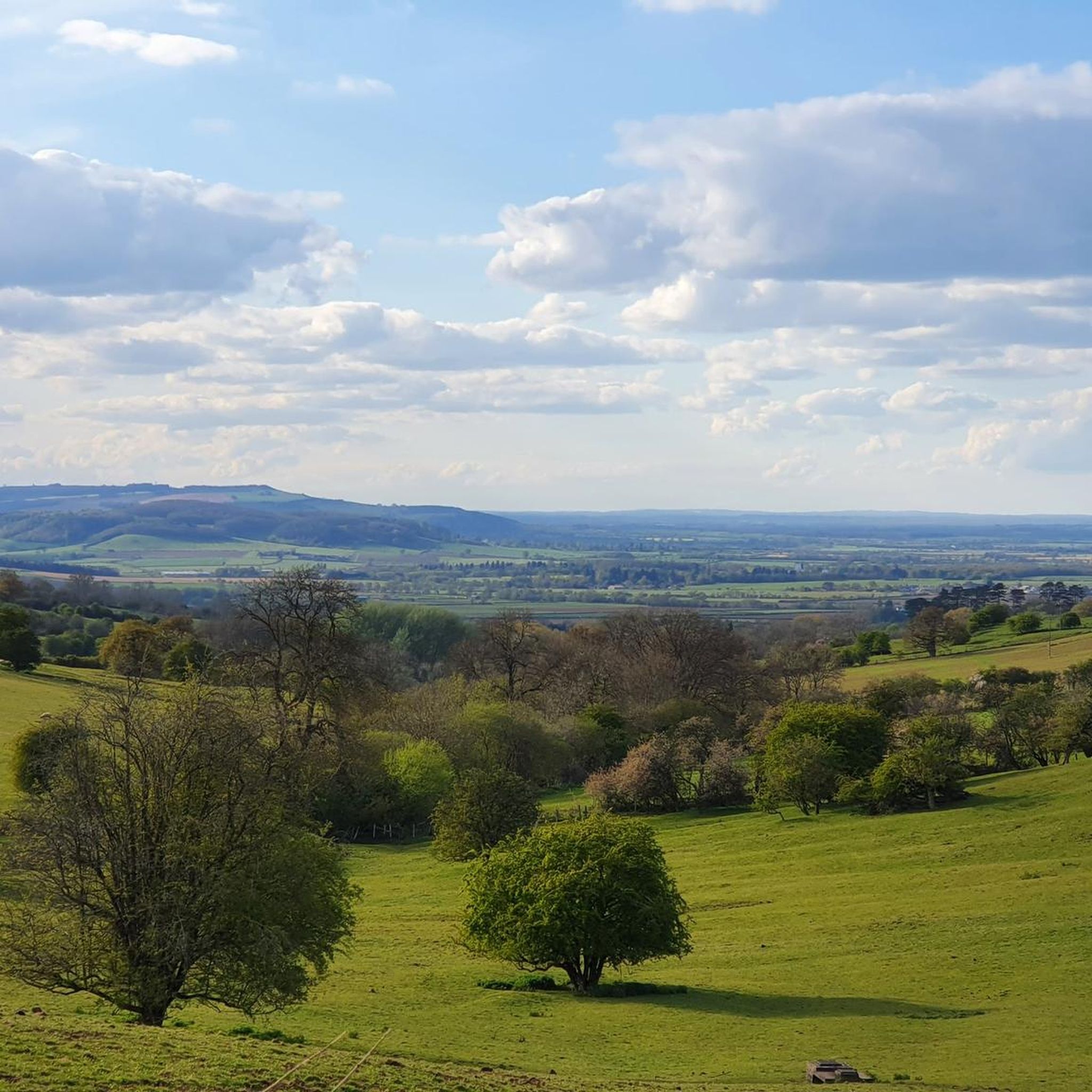
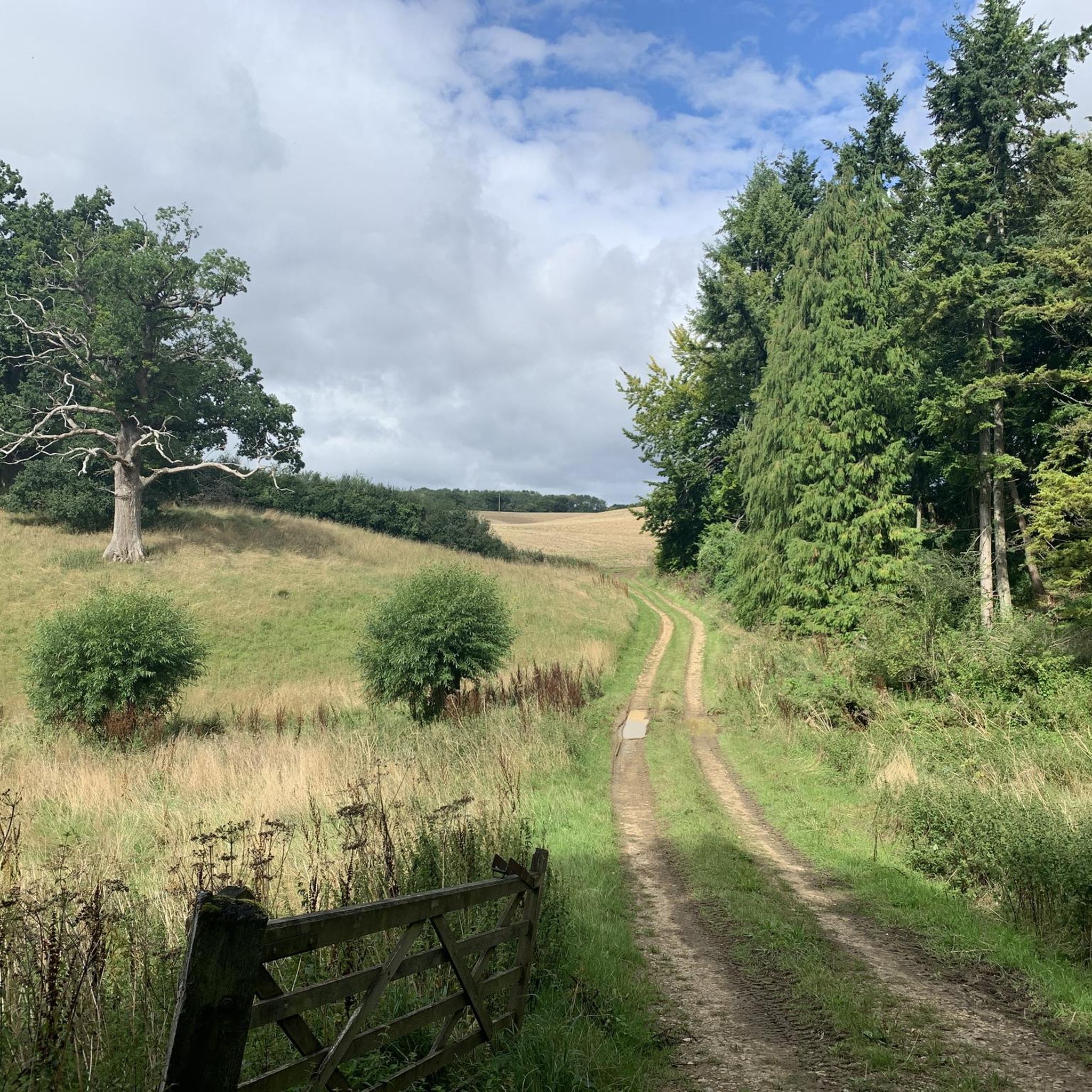

Tips from the Community

Beautiful village but extremely busy with tourists. There are many more beautiful villages in the region without all the people.
2
0
Beautiful old water mill that you should definitely visit, especially on days when it is less crowded with tourists.
1
0
Beautiful Cotswold village with, among other things, a local art gallery, pub and manor. Most visitors, however, will come for the magnificent old watermill. Worthwhile and, despite the tourists, considerably quieter than the nearby Bourton-on-the-Water.
2
0

Harnessing the power of moving water to drive a mill wheel is an age-old invention of the human spirit of discovery, the origin of which can be traced back to times long past. Thanks to such a construction, the human or animal muscle power could be easily replaced by the power of the natural elements by means of a - natural or artificially created - watercourse, in order to grind grain into corn or to press oil from fruits, for example. Man unterscheidet bei Wassermühlen im Wesentlichen zwei Varianten zum Antrieb: * Either the flowing water simply hits the blades of the water wheel from below to set it in motion; or * the watercourse is guided - usually through a so-called "mill canal" - above the wheel and falls on the blades; with this construction, a higher efficiency is given by the natural gravity.
0
0

In the case of a "market cross," as we encounter here again, one would have to ask the fundamental question of whether it is actually primarily a small sacred monument—as its cross shape suggests—or whether it is more of a secular object. In times long past, such a cross—unlike classic wayside crosses or field crosses—was only allowed to be erected if the corresponding locality also possessed so-called "market rights"—that is, if it had been granted them by the local ruler.
1
0
In the middle of a small green area within the village, a cross rises atop a tall stone shaft. However, as hikers notice upon approach, this is by no means a small sacred monument in the sense of the wayside crosses common in some regions. Rather, this monument, like those found in many villages, is dedicated to the memory of the victims of war and tyranny.
2
0

Frequently Asked Questions
What charming villages can I visit near Taynton?
Taynton is surrounded by picturesque Cotswold villages. You can explore Lower Slaughter, known for its beautiful setting on the River Eye and a 19th-century watermill. Another must-see is Bourton-on-the-Water village, often called the 'Venice of the Cotswolds' due to its charming bridges over the River Windrush and honey-coloured brick houses.
What historical landmarks are there in Taynton itself?
In Taynton, you can visit St. John the Evangelist Church, a significant landmark with a tall 15th-century tower, unique gargoyles, and an octagonal font. The disused Taynton Quarries are also historically important, as the high-quality Cotswold limestone extracted here was used in famous buildings like St Paul's Cathedral and Blenheim Palace.
Are there significant natural features to explore around Taynton?
Yes, Taynton is nestled in the beautiful Windrush Valley, characterized by classical Cotswold scenery. The village is part of the Cotswolds Area of Outstanding Natural Beauty, offering rolling countryside and scenic views. You can also visit Greystones Farm Nature Reserve, which features rare tree species, ancient hedgerows, wildflower meadows, and the River Eye, teeming with wildlife.
What is the historical significance of Taynton stone?
The limestone from Taynton Quarries, known as the Taynton Limestone Formation, is historically significant. It was a prized building material used in the construction of many iconic structures, including St Paul's Cathedral, Blenheim Palace, and Merton College at Oxford. The quarries are also notable for paleontological discoveries, including the earliest known dinosaur bone illustration from a fragment found in 1676.
What walking and hiking opportunities are available near Taynton?
Taynton is an excellent base for walks within the Cotswolds Area of Outstanding Natural Beauty. While specific routes are not detailed here, the region offers numerous trails. For more information on walking routes, you can explore guides like the Attractions and Places To See around Taynton page for general inspiration.
Are there cycling routes around Taynton?
Yes, the area around Taynton offers various cycling opportunities. You can find routes for different types of cycling, including touring, mountain biking, and gravel biking. For detailed routes, check out the Cycling around Taynton, MTB Trails around Taynton, and Gravel biking around Taynton guides.
Are there family-friendly attractions or activities near Taynton?
Many attractions around Taynton are family-friendly. Bourton-on-the-Water village offers charming scenery and attractions like The Model Village and Dragonfly Maze. Lower Slaughter is also a pleasant village for families to explore. Additionally, Greystones Farm Nature Reserve has waymarked trails and facilities suitable for families.
What is the best time of year to visit Taynton?
The Cotswolds, including Taynton, are beautiful year-round. Spring and summer offer pleasant weather for exploring the villages and countryside, with wildflowers in bloom. Autumn brings stunning foliage, while winter can be charming with crisp air and fewer crowds, though some facilities might have reduced hours.
Are there places to eat or drink near the attractions?
Yes, several attractions have cafes or are close to dining options. Lower Slaughter has a cozy café at its former watermill. The Old Mill, Lower Slaughter also features a riverside café. Greystones Farm Nature Reserve has a café run by the Wildlife Trust. Nearby villages like Burford and Bourton-on-the-Water offer a wider selection of pubs and restaurants.
Are there any wheelchair-accessible attractions around Taynton?
Some attractions in the area offer wheelchair accessibility. For instance, Bourton-on-the-Water village and Stow-on-the-Wold Market Cross are noted as being wheelchair accessible. It's always advisable to check specific venue details for the most up-to-date accessibility information.
What unique paleontological discoveries are associated with Taynton?
Taynton is linked to significant paleontological finds. The earliest known illustration of a dinosaur bone was from a fragment discovered in the Taynton Limestone Formation in 1676, later associated with Megalosaurus. The area is also connected to the first recognized cicada-like fossil, Palaeontina oolitica. For more on cicadas, you can visit wikipedia.org/wiki/Cicada, and for Megalosaurus, see wikipedia.org/wiki/Megalosaurus.

Get inspired with the komoot mobile app


Explore more
Still not found the Highlight you’re looking for? See guides of the top attractions in other regions:
