Attractions and Places To See around Breamore - Top 20
Best attractions and places to see around Breamore, a village situated between chalk hills and the River Avon in Hampshire, offer a blend of history, culture, and natural landscapes. The area features notable landmarks, ancient cultural sites, and serene natural features. Visitors can explore historic buildings, expansive woodlands, and the meandering River Avon. Breamore is also located on the edge of the New Forest National Park, providing access to wider natural beauty.
Best attractions and places to see around Breamore
…Last updated: August 16, 2026
Salisbury Cathedral
Highlight • Religious Site
Tip by

Salisbury Market Square
Highlight • Settlement
Tip by

Sign up now to discover places like this
Get recommendations on the best single tracks, peaks, & plenty of other exciting outdoor places.
Sign up for free
Queen Elizabeth Gardens
Highlight • Viewpoint
Tip by
Eyeworth Pond
Highlight • Structure
Tip by

The New Forest
Highlight • Historical Site
Tip by

Sign up for free to discover even more attractions around Breamore.
Sign up for free
Already have an account?
Start today with a free account
Your next adventure awaits.
Login or Signup
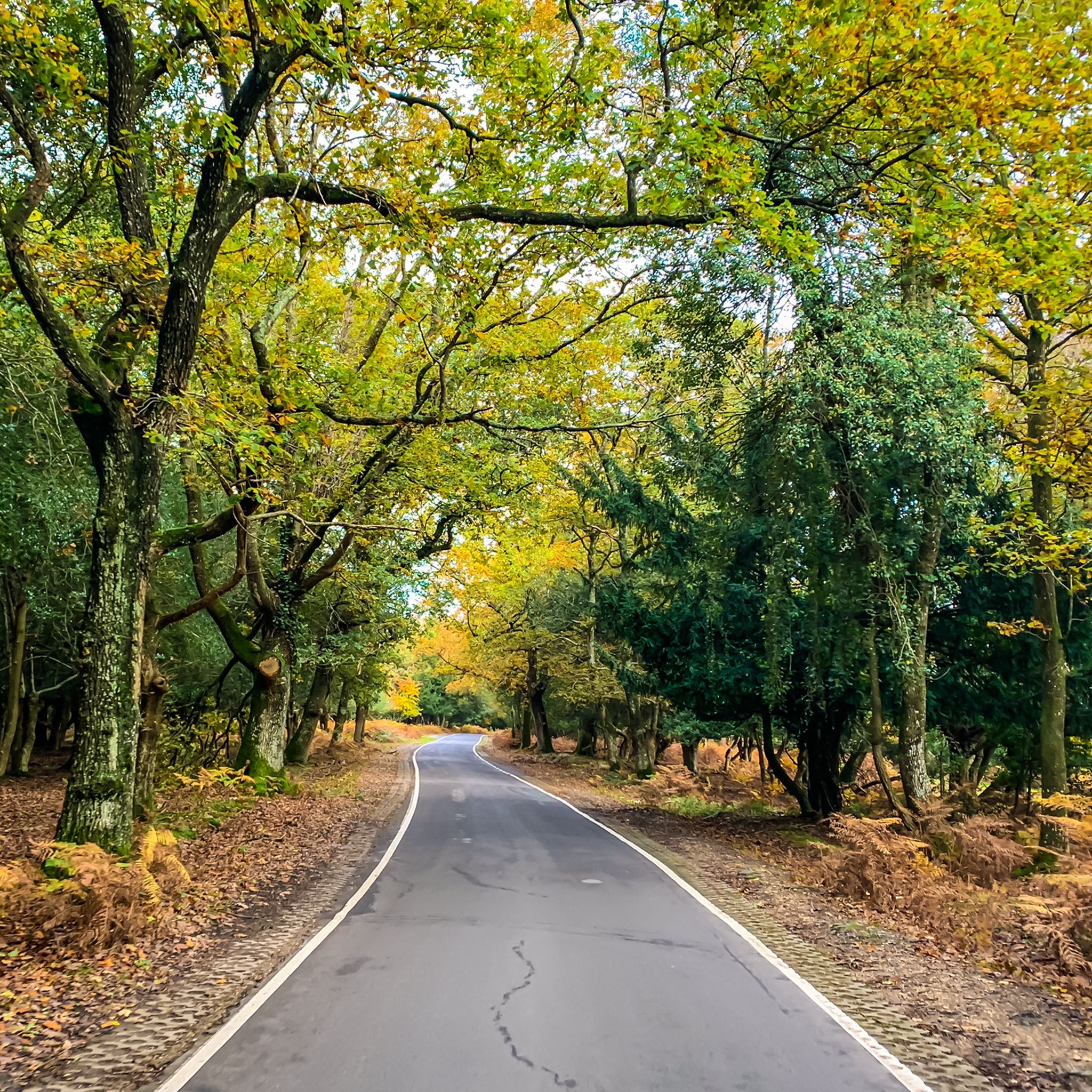
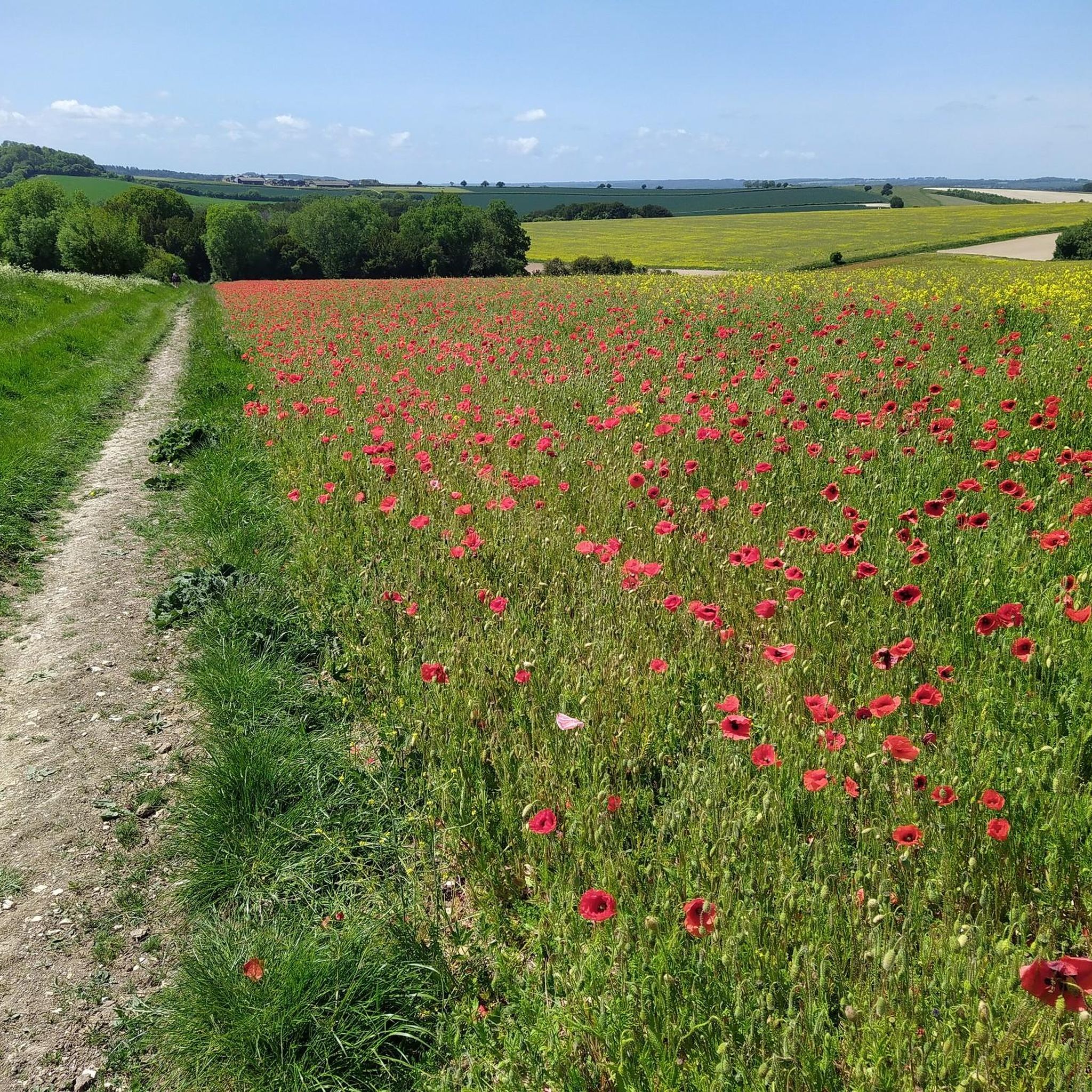
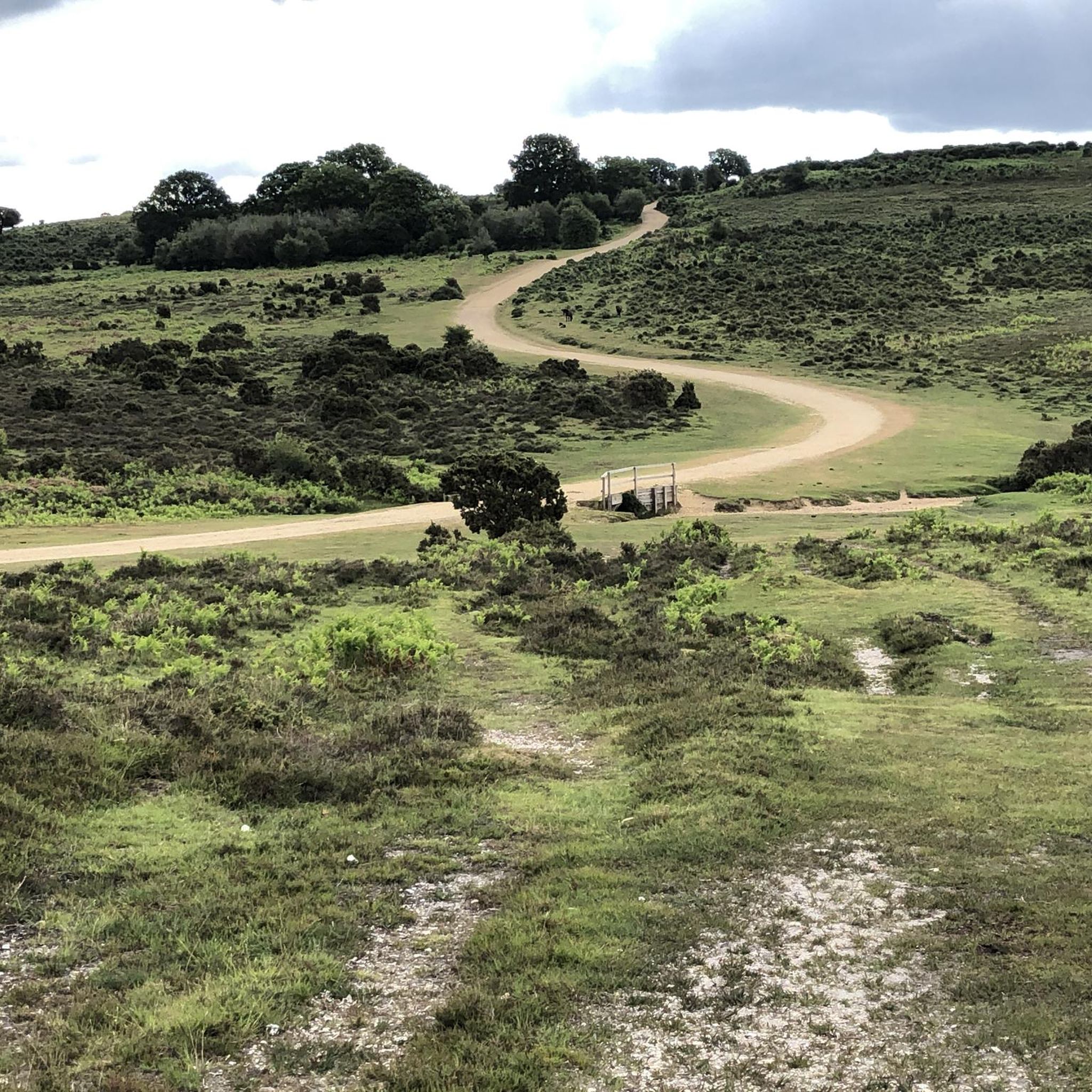
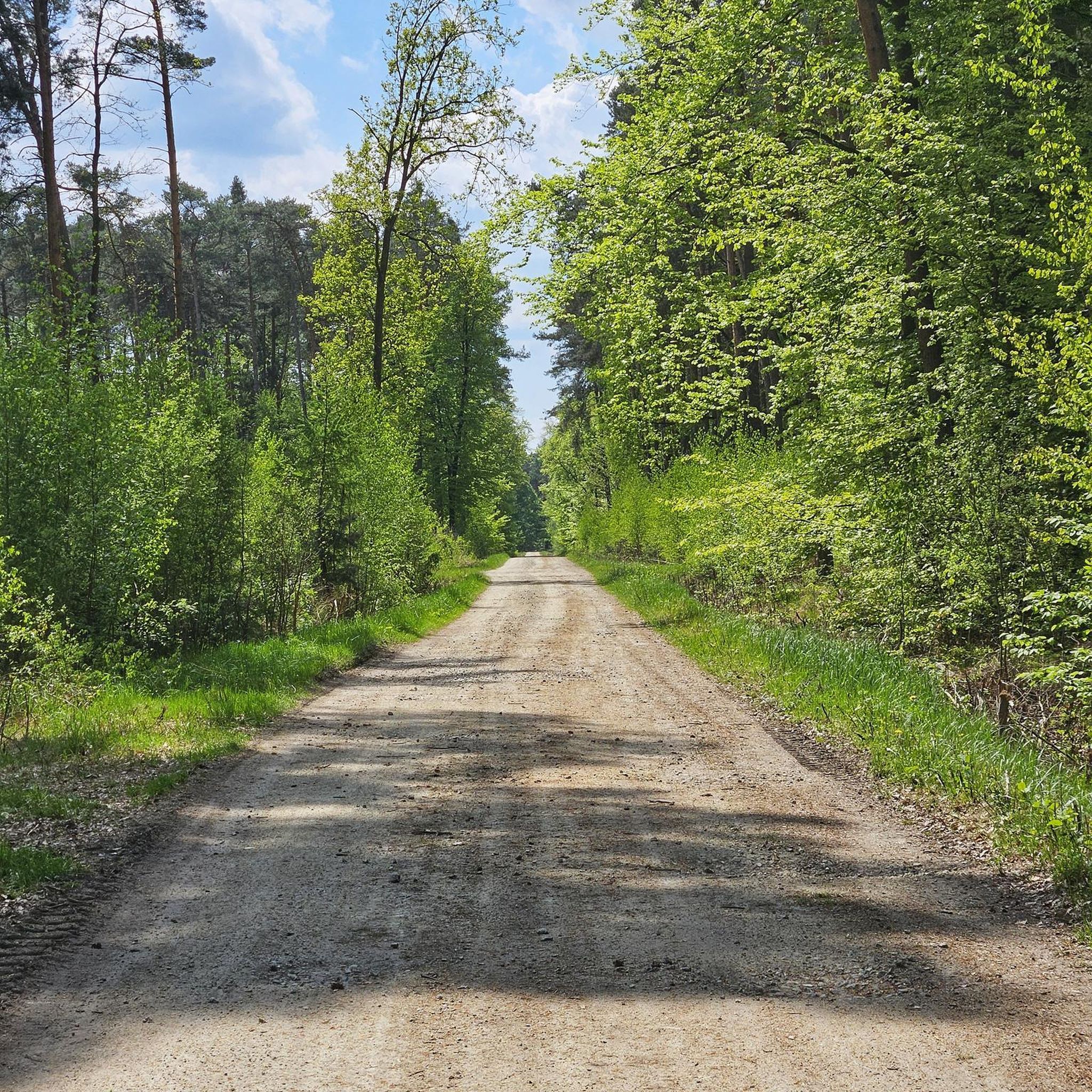
Tips from the Community

The Market Square in the historic center of Salisbury is one of England's most characteristic market squares. Trade has been regularly conducted here since the 13th century; the square remains the economic and social heart of the city to this day. Particularly defining are the medieval atmosphere, the historic half-timbered houses, and the famous Poultry Cross, one of the few surviving market crosses in England. The square impressively connects history and the present, as traditional weekly markets still take place and attract both locals and visitors.
1
0
Queen Elizabeth Gardens is a well-maintained park on the River Avon in the heart of Salisbury. With its colorful flowerbeds, old trees, and quiet walking paths, it offers a pleasant place to relax. The views of the river and the proximity to the historic old town are particularly beautiful.
1
0


Still very original and with a lot of charm - it is a pleasure to stroll here or just sit in a café and watch the hustle and bustle on the market square
3
0


Sorry I really don't like the Rodger Penny Way, as a local I try not to ride it anymore.. I'd go through Woodgreen, Lover, Passed Hampworth Golf Course, No Mans Land... much quieter roads... On the way back most of my routes go into Ringwood... and through the forest from there (I live near Lyndhurst)
0
0

"The story of this great Cathedral is a tale of defiance and ingenuity that begins back in 1218, when the Bishop of Salisbury abandoned the original cathedral at Old Sarum, and moved down to the banks of the Avon, where the Cathedral stands today. You can learn the reasons for this move and about the people who made it happen by following the new family-friendly trail inside the Cathedral." (Text from https://www.visitwiltshire.co.uk/salisbury/things-to-do/salisbury-cathedral-and-magna-carta-p130493 )
6
0

Follow the path next to the river from weatherspoons
2
0
Frequently Asked Questions
What historical sites can I explore in and around Breamore?
Breamore is rich in history. You can visit Breamore House, an Elizabethan manor with guided tours and a Countryside Museum showcasing post-war village life. Don't miss St. Mary's Church, an Anglo-Saxon church dating back to AD 980, considered one of the most important Saxon buildings in Southern England. Further afield, explore Bokerley Dyke, a substantial linear earthwork with origins in the Bronze Age or Early Iron Age, or the expansive New Forest, a royal forest since William the Conqueror.
Are there any unique natural features or viewpoints near Breamore?
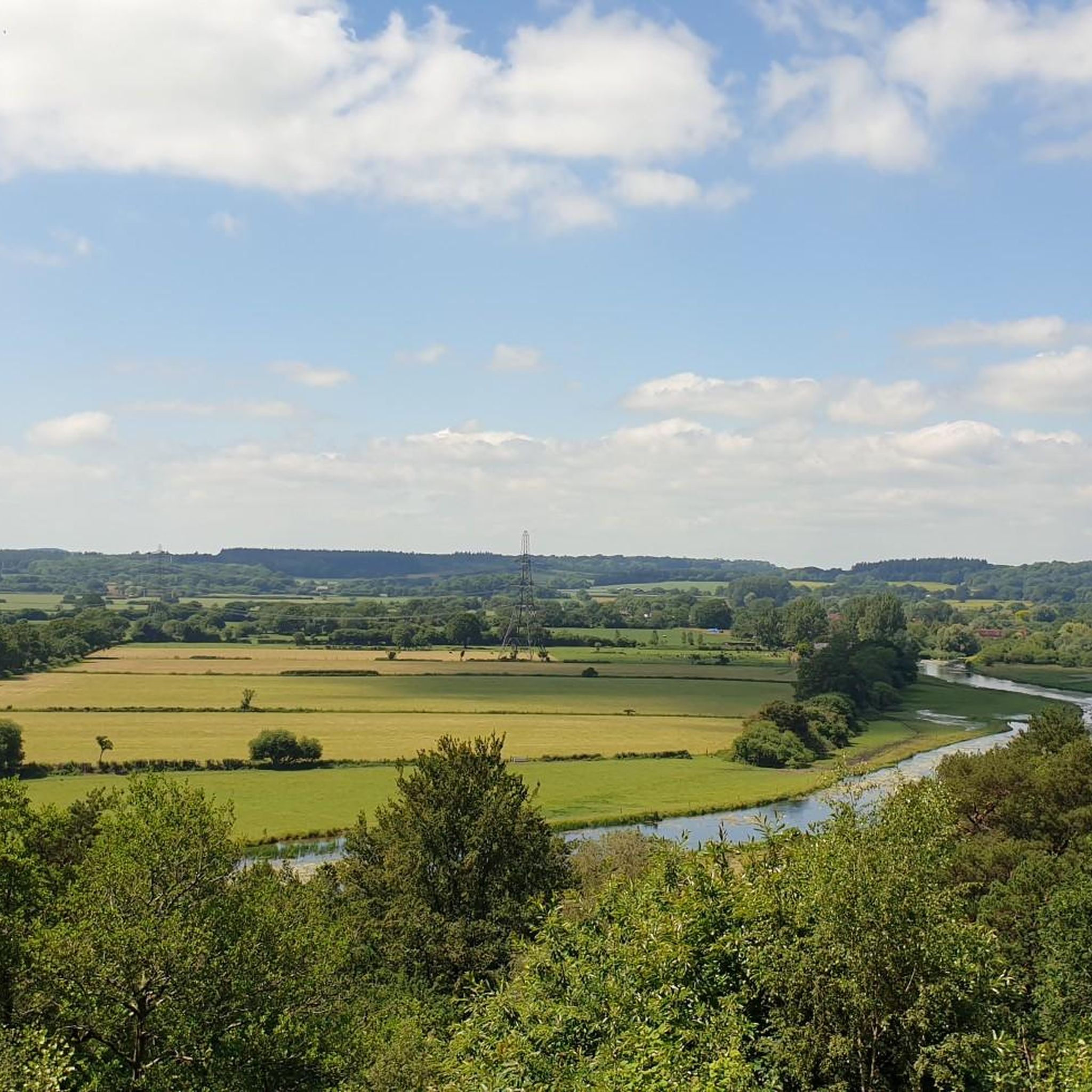
Yes, Breamore offers several unique natural features and scenic viewpoints. The River Avon flows peacefully alongside the village, offering riverside walks. You can also find the Breamore Mizmaze, one of only two surviving medieval turf mazes in the UK, located on the downs. For panoramic views of Breamore Mill, the Avon valley, and the chalk hills, head to Castle Hill. Additionally, The Marsh is a Site of Special Scientific Interest known for its unique aquatic plants.
What are some family-friendly attractions in the Breamore area?
Families can enjoy several attractions. Breamore House and Countryside Museum offers a fascinating look into history and rural life. The New Forest is excellent for exploring, with opportunities to spot wild ponies and other animals. Eyeworth Pond is a peaceful spot for a picnic and a walk through woodlands, where you might also see New Forest ponies and cattle. For a cultural outing, St. Thomas’s Church in Salisbury, though a short drive, is a magnificent building with impressive architecture and medieval wall paintings.
Where can I go for walks or outdoor activities around Breamore?
The Breamore area is ideal for outdoor activities. You can enjoy picturesque walks through ancient woodlands, which are particularly beautiful with bluebells in spring, and along the River Avon. For more structured routes, there are several running trails available, such as the 'Whitsbury Castle loop from Breamore' or 'Breamore Wood loop from Breamore'. You can find more details on these and other routes in the Running Trails around Breamore guide.
Are there cycling routes or mountain biking trails near Breamore?
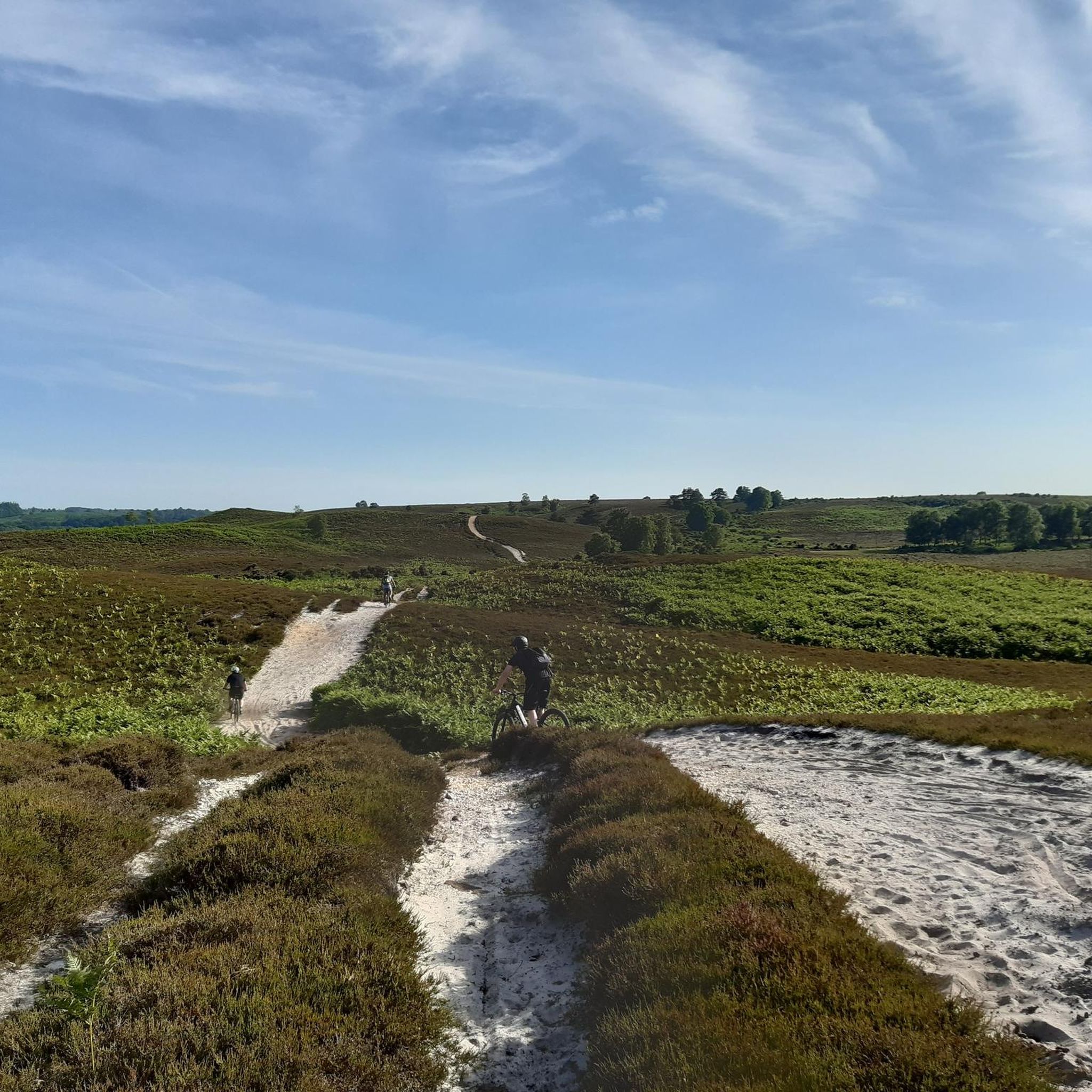
Yes, the region offers various cycling opportunities. For gravel biking, routes like the 'Rhinefield Ornamental Drive – Hampton Ridge Gravel Track loop' provide challenging rides. Mountain biking enthusiasts can explore trails such as the 'View of Hampton Ridge – Eyeworth Pond loop from Godshill'. Detailed information on these and other routes can be found in the Gravel biking around Breamore guide and the MTB Trails around Breamore guide.
What is the best time of year to visit Breamore?
The best time to visit Breamore is generally from April to September, as this is when Breamore House and Countryside Museum is open to the public. Spring is particularly lovely for walks through ancient woodlands when they are covered in bluebells. The warmer months also make exploring the outdoor attractions like the River Avon, Breamore Mizmaze, and the New Forest more enjoyable.
Can I see wildlife in Breamore?
Absolutely. The area around Breamore, especially being on the edge of the New Forest, is rich in wildlife. You are likely to encounter the famous New Forest ponies and cattle roaming freely. Eyeworth Pond and The Marsh (a Site of Special Scientific Interest) are also good spots for observing various aquatic and semi-aquatic plants and potentially other wildlife.
Are there any pubs or places to eat near the attractions?
While specific dining options are not detailed for every attraction, the village of Breamore itself features idyllic thatched cottages and is part of a conservation area, suggesting local establishments. The Royal Oak is a pub located within the New Forest area, offering a chance to experience local hospitality amidst the wildlife.
What is the significance of Breamore Mizmaze?
The Breamore Mizmaze is a historically significant turf maze located on the downs northwest of the village. It is one of only two surviving medieval turf mazes in the UK. Its exact origins are debated, with theories suggesting it could date back to Bronze Age people or medieval monks. A Bronze Age barrow is also located nearby, adding to its archaeological interest.
What is the history behind Eyeworth Pond?
Eyeworth Pond, though appearing natural, is a man-made feature created in the late 19th century. Its original purpose was to provide water power to a nearby gunpowder mill. Today, it's a peaceful spot off the main tourist trail, popular for picnics and walks, and a good place to observe local wildlife.
Can I visit Breamore Village itself?
Yes, Breamore Village is a point of interest in its own right. It features idyllic thatched cottages, many dating back to the 17th century, and roadside village stocks. The village is part of a conservation area, highlighting its well-preserved historic character and offering a charming glimpse into traditional English village life.
What makes St. Mary's Church in Breamore unique?
St. Mary's Church in Breamore is unique due to its Anglo-Saxon origins, dating back to around AD 980. It is considered one of the most historically important Saxon buildings in Southern England. Notable features include its walls in-filled with uncut flints, visible Saxon lettering on an arch, an Anglo-Saxon rood, and seven 'double-splayed' Saxon windows.
Most popular routes around Breamore
Most popular attractions around Breamore

Get inspired with the komoot mobile app


Explore more
Still not found the Highlight you’re looking for? See guides of the top attractions in other regions:
