The best running trails in Nyborg
4.3
(21)
637
runners
78
runs
Jogging in Nyborg offers a variety of routes exploring its coastal areas, historical townscapes, and open fields. The region is characterized by its relatively flat terrain, with minimal elevation changes, making it suitable for various fitness levels. Many running routes incorporate views of the Great Belt and historical landmarks like Nyborg Castle. The landscape provides a mix of urban paths and natural settings for runners.
Best jogging routes in Nyborg
- The most popular jogging route is Nyborg Town Hall –…
Last updated: August 18, 2026
5.0
(3)
32
runners
5.03km
00:32
40m
40m
Moderate run. Good fitness required. Mostly paved surfaces. Suitable for all skill levels.
29
runners
12.5km
01:18
30m
30m
Moderate run. Good fitness required. Mostly paved surfaces. Suitable for all skill levels.

Sign up for free
27
runners
8.64km
00:54
30m
30m
Moderate run. Good fitness required. Mostly paved surfaces. Suitable for all skill levels.
25
runners
5.73km
00:36
20m
20m
Moderate run. Good fitness required. Mostly paved surfaces. Suitable for all skill levels.
3.5
(2)
19
runners
8.18km
00:51
60m
60m
Moderate run. Good fitness required. Mostly paved surfaces. Suitable for all skill levels.
Get access to more routes and recommendations from other explorers.
Sign up for free
Already have an account?
Our route recommendations are based on thousands of hikes, rides, and runs completed by other people on komoot.
Start today with a free account
Your next adventure awaits.
Login or Signup

Tips from the Community

The old customs house (“Gammel Toldbod”) in Nyborg is located at Havnegade 2 and holds historical significance for the town. Today, the building houses the “Kiropraktorhuset Gammel Toldbod” (Chiropractic Practice Old Customs House). In earlier times, the building served as a customs house. This was because Nyborg was situated on an important waterway, the Great Belt, where ships had long been required to pay tolls to Denmark. The old customs house in Nyborg, like other similar buildings in Denmark, played a crucial role in monitoring shipping traffic to prevent the smuggling of goods. The building in its current form was constructed during a period when these customs controls were of paramount importance.
2
0

The Landtor received its current form in 1666 under King Frederik III. The vault, at 40 meters, is the longest barrel vault in Denmark. The superstructure was built by Frederik IV in 1750. The gate was the only official entrance until 1869. When it was closed in the evening, it was no longer possible to enter the city before the next morning. The Landtor was protected by the cannons on the Kronprins Bastion and also by the moat, which ran uninterrupted in front of the gate. In 1764, the wooden bridge in the Lindenallee was replaced by a dam. The trees in the Lindenallee were planted in 1806. https://www.visitnyborg.de/nyborg/reiseplanung/landpforte-nyborg-gdk807063
2
0
Nyborg Castle (Danish: Nyborg Slot, also Danehofslottet) is located in the town of Nyborg, about 29 kilometers southeast of Odense on Funen. The castle was built around 1170 by Duke Knud Prislavsen, a nephew of Valdemar the Great, for protection against the Wends. In 1282, Erik V. Glipping signed the first Danish charter (Danehof) here. Through this, the supreme court passed from the king to the Danehof, the first Danish parliament, which convened in Nyborg Castle. When Erik VII. moved to Copenhagen, the castle there became the center of royal power in Denmark until 1416. Nyborg, however, remained another royal residence. Later, the castle was used as an armory and granary. During the Count's Feud (1533–1536), the castle was conquered twice. Christian III. subsequently ensured an expansion of the castle and fortified it with a large rampart system. Christian IV. had the castle further expanded in 1607 by the Italian architect Domenicus Badiaz. During the war with Sweden (1658–1660), three-quarters of the castle was destroyed. The building material was partly reused in 1722 for the new construction of the castle in Odense. Nyborg itself remained a garrison town until 1913. After the dissolution of the garrison, the castle was reconstructed by Morgen Clemmensen from 1917–1923. Today, a museum is housed in the castle. Two half-towers and the gatehouse from Erik's time can still be visited. A wing with a large banqueting hall remains from the former royal palace. Three halls display Nyborg's history during the time of the Danehof, Queen Margarethe I, and Christian III. https://de.wikipedia.org/wiki/Schloss_Nyborg
3
0
The Church of Our Lady in Nyborg on Funen, on the west coast of the Great Belt, is a Gothic brick pseudo-basilica. It is the most important church building in the city and is used by the Danish National Church. The "Church of Our Lady" was built between 1388 and 1428 and consecrated on Pentecost 1428 by Bishop Navne Jensen Krigebusk. Its patron saint is Mary, the mother of Jesus. The oldest parts are the four western parts of the church, which were enclosed on the east side by a north-south wall in the early 14th century. Before 1428, the church was expanded to include the two easternmost parts, the present-day choir, and probably three additional chapels. At the time of the Reformation, three chapels with a shared roof were built on the south side of the church, and in the 1550s, King Christian III had a new chapel built. The church was expanded by an additional aisle in the north, running the entire length of the church. The large west tower and the small east tower were completed around 1600. Until 1870, the Church of Our Lady appeared as a five-aisled church. During the extensive renovation of 1870/1871, the outer aisles were demolished on both sides, except for the central nave bays. Dormers were built over the remaining outer bays, so that the church has since had a transept located unusually far to the west. Inside, however, the transepts continue to have the same low height as the side aisles. The church has two organs: the main organ, built in 1973, with 37 stops on three manuals and a pedal, is a work by Poul-Gerhard Andersen; the choir organ, built in 1872 by Johan Andreas Demant, is a single-manual organ with five stops. A special feature of this church is the design of its vaulted ribs, which are otherwise constructed from the usual short brick segments. These begin with square limestone corbels. Human heads – some of them grotesque – have been carved out of several of them. https://de.wikipedia.org/wiki/Vor_Frue_Kirke_(Nyborg)
3
0

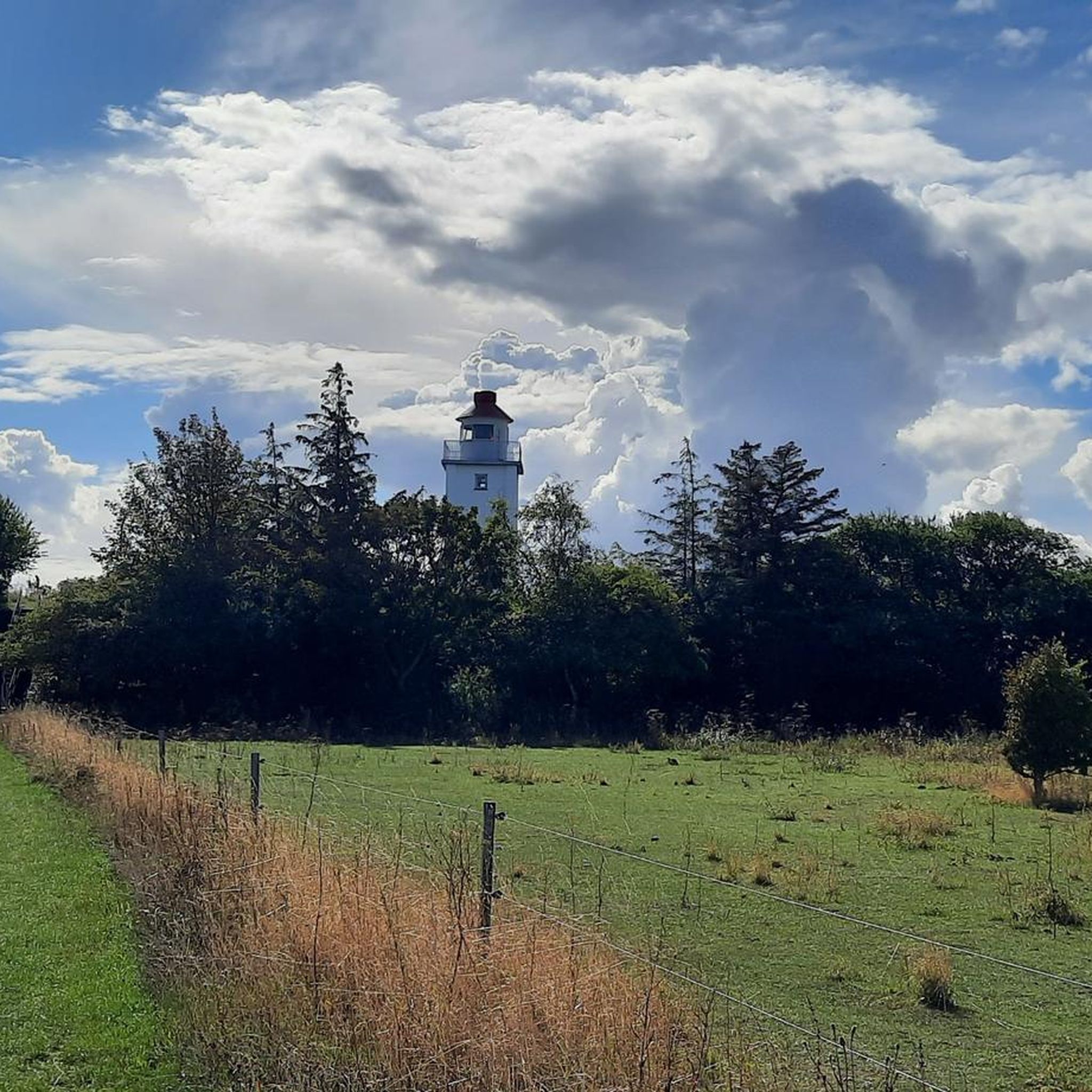
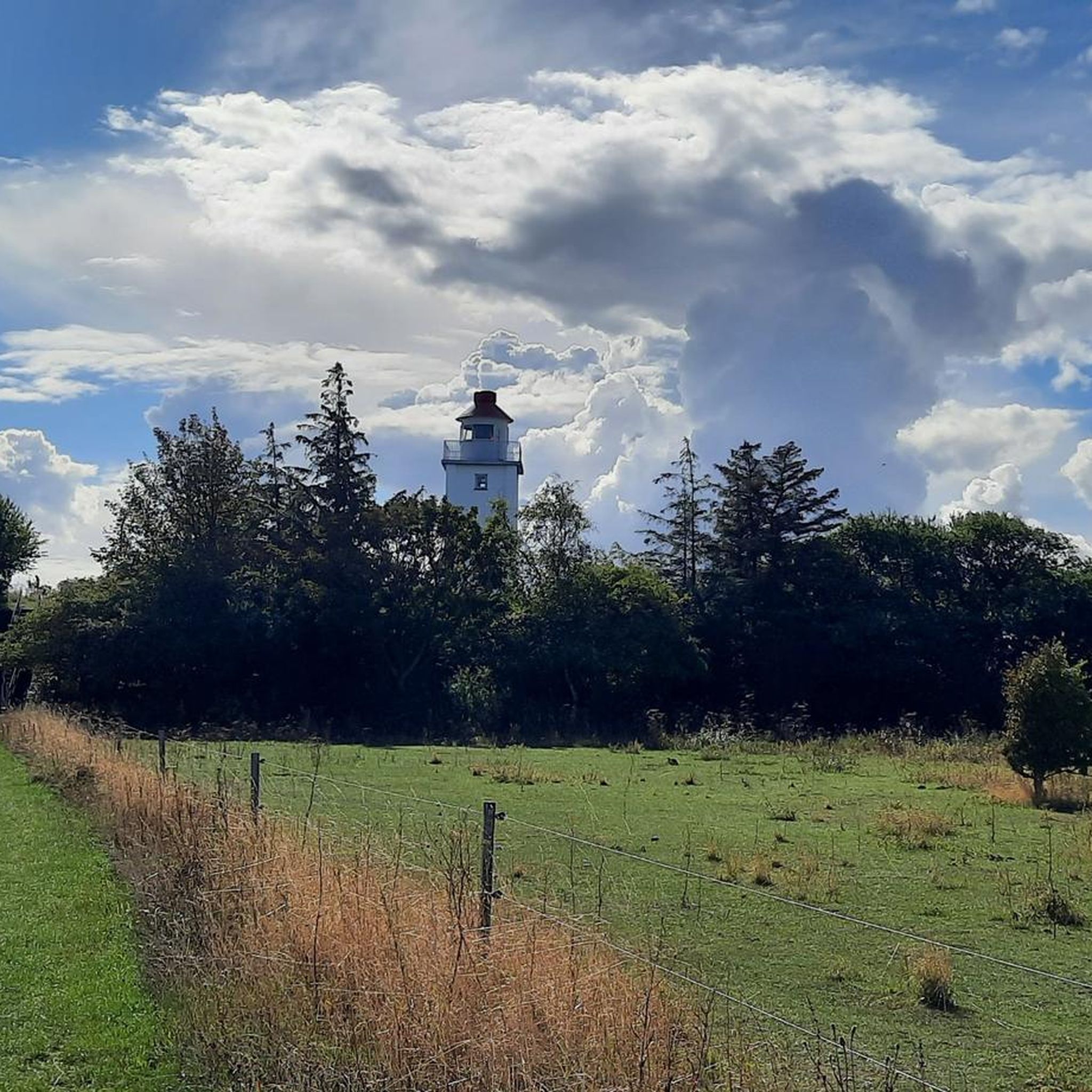
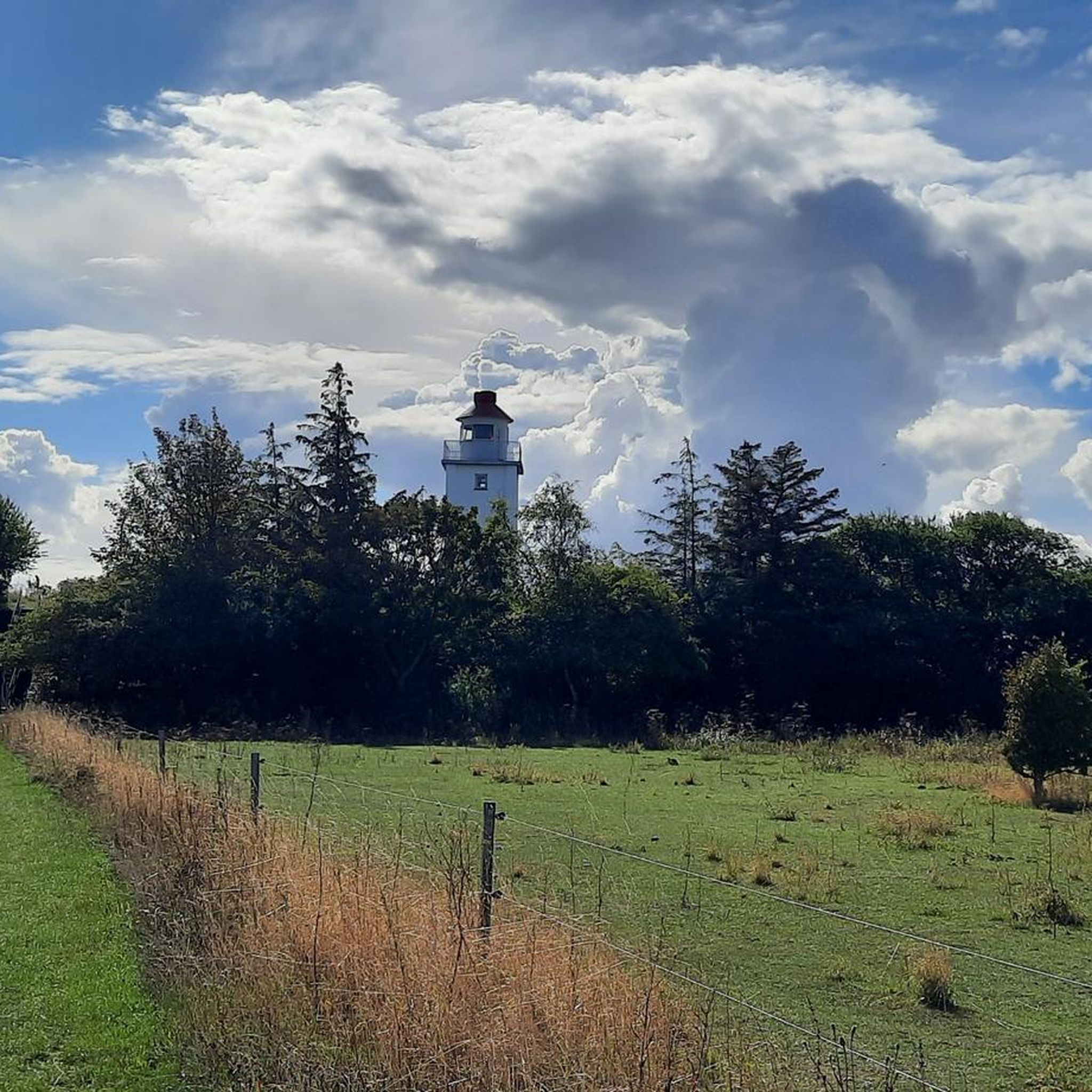
Beautiful park with many moats that served as protection in earlier times. In addition, the "castle" or defensive structure is to be restored.
0
0
The longest land gate ever with three symbols in the cobblestones. The QR code is helpful for more information about Nyborg.
0
0
Frequently Asked Questions
How many running routes are available in Nyborg?
Nyborg offers a wide selection of running routes, with over 80 different trails to explore. These range from easy paths to more challenging runs, catering to various fitness levels.
Are there easy running routes suitable for beginners in Nyborg?
Yes, Nyborg has several easy running routes perfect for beginners or those looking for a relaxed jog. There are 8 routes specifically categorized as easy, and many of the moderate trails are also relatively flat and accessible.
What is the typical length of running routes in Nyborg?
Running routes in Nyborg vary in length. For instance, the popular View of the Ocean Over Fields loop from Tårup Strand is about 3.1 miles (5.0 km), while the Nyborg Town Hall – Nyborg Castle loop from Nyborg extends to 6.2 miles (10.0 km). You'll find options for shorter and longer runs.
What kind of scenery can I expect on the running trails in Nyborg?
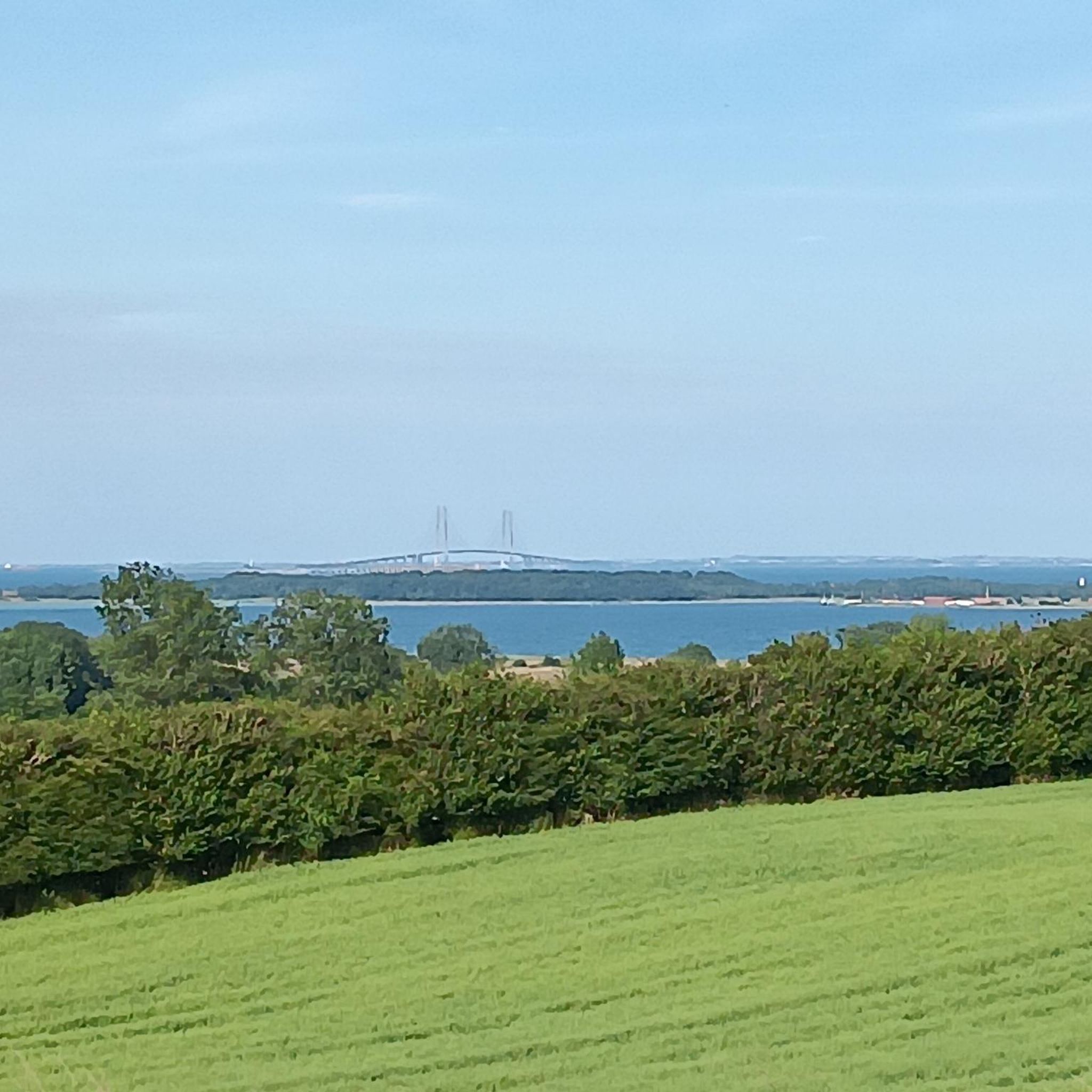
Nyborg's running trails offer diverse scenery, including coastal paths with views of the Great Belt, historical townscapes featuring landmarks like Nyborg Castle, and open fields. The region's relatively flat terrain ensures enjoyable runs with varied backdrops.
Are there any running routes that pass by historical landmarks or points of interest?
Absolutely! Many routes incorporate historical sites. For example, the Cannons of Nyborg – Nyborg Castle loop from Nyborg offers views of the castle and coastal defenses. You can also explore highlights like Nyborg Castle and Ladby Viking Ship and Burial Mound along various trails.
What do other runners say about the trails in Nyborg?
The running routes in Nyborg are highly regarded by the komoot community, holding an average rating of 4.2 stars from over 20 reviews. Runners often praise the mix of urban paths and natural settings, as well as the historical sights along the way.
Are there circular running routes available in Nyborg?
Yes, many of Nyborg's running paths are designed as loops, offering convenient circular routes. Examples include the Nyborg Town Hall – Nyborg Castle loop from Nyborg and the View of the Ocean Over Fields loop from Tårup Strand.
Can I find running routes with good views in Nyborg?
Definitely. Nyborg is known for its scenic routes, particularly those along the coast. The View of the Ocean Over Fields loop from Tårup Strand offers beautiful ocean vistas, and many trails provide glimpses of the Great Belt and historical architecture.
What is the best time of year to go running in Nyborg?
Nyborg's relatively mild climate makes it suitable for running throughout much of the year. Spring and autumn offer pleasant temperatures and beautiful scenery, while summer provides longer daylight hours. Even in winter, many routes remain accessible, though conditions may vary.
Are there any longer running routes for endurance training in Nyborg?
For those seeking longer distances, routes like the Knudshoved Old Harbor – Beach Soccer Goals loop from Nyborg, which is over 7.7 miles (12.5 km), provide excellent options for endurance training. These trails often combine coastal sections with open landscapes.
Are there any natural monuments or unique geological features to see while running in Nyborg?
Yes, the region boasts interesting natural features. While running, you might encounter sites like Dammestenen – Largest Glacial Erratic in Denmark or Munkebo Bakke, which offers a viewpoint. These add an extra dimension to your run.
Most popular attractions in Nyborg

Get inspired with the komoot mobile app


Explore more
Browse the best Running Trails & Routes in other regions.
