Attractions and Places To See around Drumcroohen - Top 17
Best attractions and places to see around Drumcroohen include a mix of historical sites and natural features. This area, located in Ireland, offers a variety of Drumcroohen attractions for exploration. Visitors can discover ancient castles, monastic ruins, and unique natural landmarks viewpoints and natural features, providing insights into the region's heritage and geology.
Best attractions and places to see around Drumcroohen
- The most popular attractions is Tully Castle Ruins, a castle that is a fortified house and bawn set…
Last updated: July 1, 2026
Tully Castle Ruins
Highlight • Castle
Tip by

Killadeas Priory Church and Early Christian Stones
Highlight • Monument
Tip by

Sign up now to discover places like this
Get recommendations on the best single tracks, peaks, & plenty of other exciting outdoor places.
Sign up for free
Pollnagollum Cave and Waterfall
Highlight • Cave
Tip by

View of Lough Erne from Cliffs of Magho
Highlight • Lake
Tip by
Devenish Monastic Site
Highlight • Monument
Tip by
Sign up for free to discover even more attractions around Drumcroohen.
Sign up for free
Already have an account?
Start today with a free account
Your next adventure awaits.
Login or Signup

Tips from the Community

"continual slur on Irish caving" It's actually only a few hundred metres is accessible and it's total length is thought to be 2km. No where near the longest cave in Ireland. Consider a trip in only if well equipped with a good light and helmet. Alternatively/also consider visiting McKenzies back lounge just down the road. A much drier watering hole. ;)
1
0

In the graveyard are several interesting stones, probably the most noted one is known as the Bishops stone, this odd shaped stone has been altered and reused several times, originally thought to have been a carved figure similar to those on nearby White Island. Another stone with a lot of history is the large slab standing west of the bishops stone, one side of the stone bears at least twelve cup-shaped hollows, see image above right, which suggest this maybe a multiple bullaun stone/cup marked stone that has been reused as an early Christian cross slab, as on the obverse face is a Greek cross in a circle with a bifurcated stem. Situated south of the bullaun stone is a holed stone, as the image shows this stone is half embedded in the ground. Immediately to the West of the holed stone is a broken 1.2 metre high stone pillar. This stone may have been damaged. http://www.megalithicireland.com/Killadeas.htm
1
0
Devenish Monastic Site is generally considered to be the most important of Lough Erne's many island church settlements. Devenish was founded in the 6th century by St Molaise. It was raided by Vikings in 837 and burned in 1157, but in the Middle Ages flourished as the site of a parish church and St Mary's Augustinian Priory. There are extensive low earthworks on the hillside, but the earliest buildings are St Molaise's House (a very small church) and the fine round tower close by, both with striking Romanesque decorations from the 12th century. Teampull Mór, the lower church, dates from the early 13th century and has a beautifully moulded south window. It was extended to the east in about 1300, while later additions include a residential wing to the north and the Maguire Chapel to the south, with 17th century heraldic slabs. St Mary's Augustinian Priory on the hilltop dates from the middle 15th and early 16th centuries, with church, tower and small north cloister. In its graveyard stands an unusual, intricately-carved cross of the middle 15th century. - https://en.wikipedia.org/wiki/Devenish_Island - https://web.archive.org/web/20120224043140/http://www.culturenorthernireland.org/article.aspx?art_id=746
0
0
In the graveyard are several interesting stones, probably the most noted one is known as the Bishops stone, this odd shaped stone has been altered and reused several times, originally thought to have been a carved figure similar to those on nearby White Island. Another stone with a lot of history is the large slab standing west of the bishops stone, one side of the stone bears at least twelve cup-shaped hollows, see image above right, which suggest this maybe a multiple bullaun stone/cup marked stone that has been reused as an early Christian cross slab, as on the obverse face is a Greek cross in a circle with a bifurcated stem. Situated south of the bullaun stone is a holed stone, as the image shows this stone is half embedded in the ground. Immediately to the West of the holed stone is a broken 1.2 metre high stone pillar. This stone may have been damaged. http://www.megalithicireland.com/Killadeas.htm
0
0

Pollnagollum Cave (meaning Hole of the Dove) is the longest cave system in Ireland. The cave system is complex and fascinating and is fed by a tumbling waterfall that topples off a limestone cliff. Watch your stepping here as rocks can be unstable and slippery, and don't forget your camera for some awesome shots.
3
0
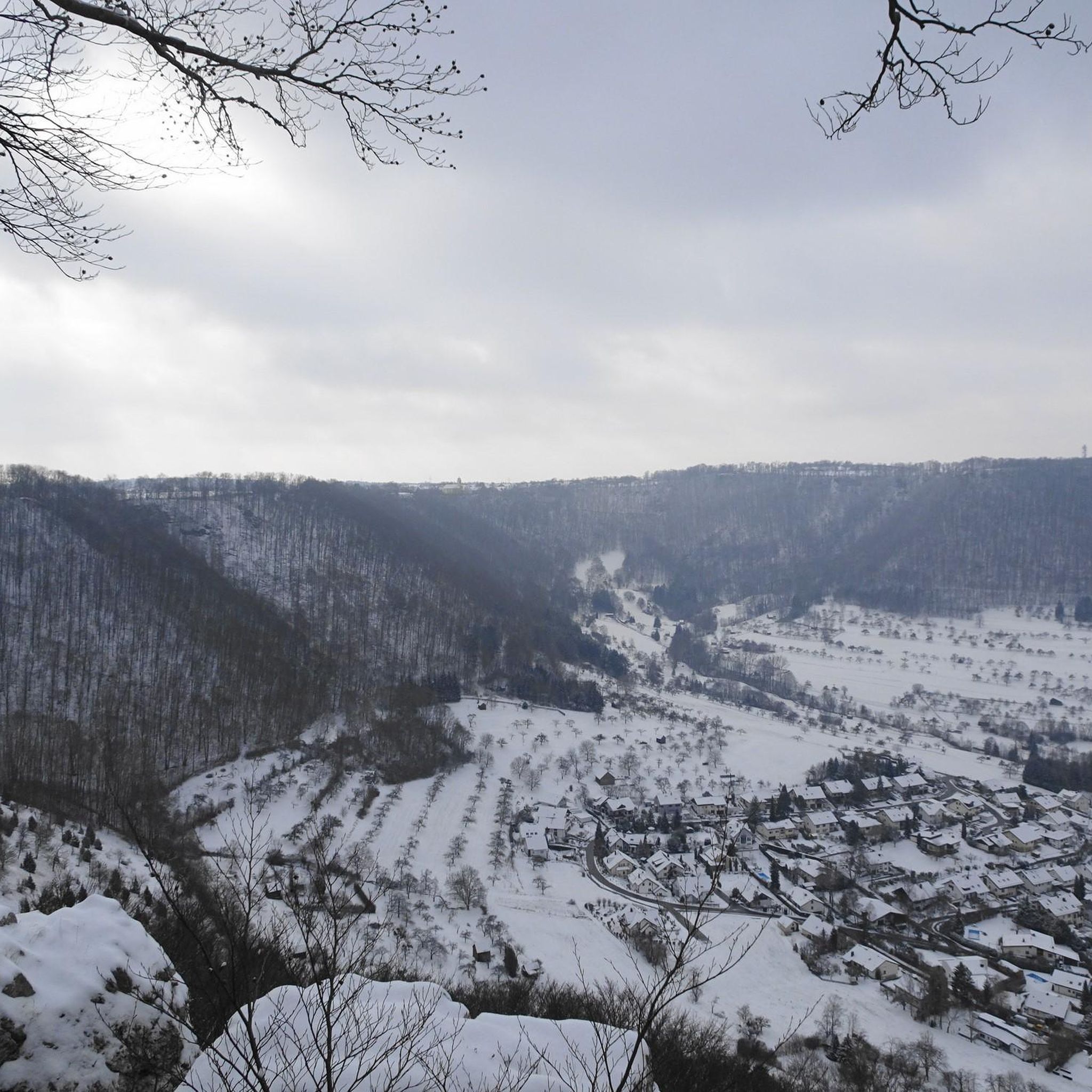
The viewpoint at the Cliffs of Magho is sensational. Enjoy panoramic views over Lough Erne and towards the Atlantic Ocean and Blue Stack mountains. Picnic benches, bins, and an information board are provided at the top.
5
0

This fortified house is on Tully Point and built for Sir John Hume who occupied the house until 1641 when it was attacked by John Maguire and burned on Christmas Eve with all its inhabitants massacred. After that it was not lived in again. There is a visitors centre in a restored farmhouse that has an interesting exhibition telling a number of stories relating to the castle. To visit the castle be sure to step off the bike as it is on foot only!
1
0

Fairly accessible but not wheelchair accessible. Would be very careful with small children as well
4
0
Frequently Asked Questions
What historical sites can I visit around Drumcroohen?
The area around Drumcroohen is rich in history. You can explore the ruins of Tully Castle Ruins, a fortified house with a dramatic past. Another significant site is Killadeas Priory Church and Early Christian Stones, known for its ancient stones including the Bishops stone and a large slab with cup-shaped hollows. Don't miss the Devenish Monastic Site, founded in the 6th century, which features a well-preserved round tower and church ruins.
Are there any natural wonders to explore near Drumcroohen?
Yes, Drumcroohen offers fascinating natural attractions. A must-see is Pollnagollum Cave and Waterfall, a complex cave system fed by a beautiful waterfall cascading off a limestone cliff. It's a unique geological formation worth experiencing.
Can I learn about early Christian history near Drumcroohen?
Absolutely. The Devenish Monastic Site, founded by St Molaise in the 6th century, is a prime example of early Christian heritage, featuring a 12th-century round tower and church ruins. Additionally, Killadeas Priory Church and Early Christian Stones has a graveyard with historical stones, including one believed to be a reused early Christian cross slab.
What is the history behind Tully Castle Ruins?
Tully Castle Ruins was a fortified house and bawn built for Sir John Hume. It was attacked and burned on Christmas Eve in 1641 by Rory Maguire, and its inhabitants were massacred. The castle was never reoccupied after this event, leaving it as a poignant historical landmark.
Are there family-friendly attractions in Drumcroohen?
Yes, Tully Castle Ruins is considered a family-friendly attraction, offering an engaging historical experience. While exploring natural sites like Pollnagollum Cave and Waterfall, caution is advised with small children due to slippery rocks and uneven terrain.
What kind of outdoor activities are available around Drumcroohen?
The Drumcroohen area offers a variety of outdoor activities. You can find numerous routes for gravel biking, road cycling, and running. For detailed routes and guides, explore options like Gravel biking around Drumcroohen, Road Cycling Routes around Drumcroohen, and Running Trails around Drumcroohen.
Are there good cycling routes near Drumcroohen?
Yes, there are excellent cycling opportunities. For road cyclists, you can find routes like the Carrick Lough – Roogagh Waterfall loop or the Tully Castle Ruins – The Big Tree loop. Gravel biking enthusiasts can explore routes such as the View of Lough Nabrickboy – Aghanaglack Prehistoric Tomb loop. More details are available in the Road Cycling Routes around Drumcroohen and Gravel biking around Drumcroohen guides.
Where can I go running around Drumcroohen?
Drumcroohen offers several running trails. You can find routes like the View of Lough Nabrickboy loop from Tullynasrahan, the Blackslee Waterfall loop from Whiterocks, or the Belmore Forest loop from Boho. There are options ranging from easy to moderate difficulty. Check the Running Trails around Drumcroohen guide for more options.
Is Devenish Monastic Site accessible to visitors?
The Devenish Monastic Site is generally considered the most important of Lough Erne's island church settlements. It is accessible, and its 12th-century round tower can be climbed by the public via a series of ladders, offering unique views.
What do visitors enjoy most about the attractions around Drumcroohen?
Visitors particularly appreciate the blend of historical depth and natural beauty. The dramatic history of sites like Tully Castle Ruins and the ancient significance of Killadeas Priory Church and Early Christian Stones are highly valued. The unique geological features of Pollnagollum Cave and Waterfall also receive praise for their natural wonder.
Are there any specific considerations for visiting Pollnagollum Cave and Waterfall?
When visiting Pollnagollum Cave and Waterfall, it's important to watch your footing as rocks can be unstable and slippery. The site is not wheelchair accessible, and visitors with small children should exercise caution. If exploring the cave system, it's recommended to be well-equipped with a good light and helmet.
Most popular attractions around Drumcroohen

Get inspired with the komoot mobile app


Explore more
Still not found the Highlight you’re looking for? See guides of the top attractions in other regions:
