The best mountain hikes in Namur
4.8
(6)
15
hikers
6
hikes
Mountaineering routes in Namur traverse a diverse landscape characterized by the Meuse River valley, limestone cliffs, and dense forests. The region, bordering the Ardennes, offers elevated terrain suitable for challenging hikes and exploration. While not alpine in scale, the area features hills such as Croix Scaille (518 m), providing expansive views. This varied topography supports a range of mountaineering experiences, from river-carved valleys to forested uplands.
Best mountaineering routes in Namur
- The most popular mountaineering route is Durbuy Bridge -…
Last updated: October 6, 2026
4.0
(2)
3
hikers
14.4km
04:07
330m
330m
Moderate mountaineering route. Good fitness required. Easily-accessible paths. Suitable for all skill levels.
5.0
(1)
2
hikers
14.6km
04:14
370m
370m
Moderate mountaineering route. Good fitness required. Easily-accessible paths. Suitable for all skill levels.

5.0
(1)
2
hikers
16.9km
04:46
360m
360m
Moderate mountaineering route. Good fitness required. Easily-accessible paths. Suitable for all skill levels.
1
hikers
Moderate mountaineering route. Good fitness required. Easily-accessible paths. Suitable for all skill levels.
5.0
(1)
2
hikers
10.1km
02:51
210m
210m
Moderate mountaineering route. Good fitness required. Mostly accessible paths. Sure-footedness required.
1
hikers
12.2km
03:36
310m
310m
Moderate mountaineering route. Good fitness required. Easily-accessible paths. Suitable for all skill levels.
5.0
(1)
3
hikers
12.6km
03:27
190m
190m
Moderate mountaineering route. Good fitness required. Easily-accessible paths. Suitable for all skill levels.
5.0
(1)
1
hikers
6.48km
01:48
120m
120m
Easy mountaineering route. Great for any fitness level. Easily-accessible paths. Suitable for all skill levels.
1
hikers
19.5km
05:29
390m
390m
Hard mountaineering route. Very good fitness required. Easily-accessible paths. Suitable for all skill levels.
Our route recommendations are based on thousands of hikes, rides, and runs completed by other people on komoot.
Start today with a free account
Your next adventure awaits.
Popular around Namur

Mountain Hikes around Dinant

Mountain Hikes around the Maas
EuroVelo 3 — The adventure in the heart of Belgium
Sentier des abbayes trappistes part 1 – Between nature and gastronomy
Trappist abbeys cycle route – Between beers and heritage
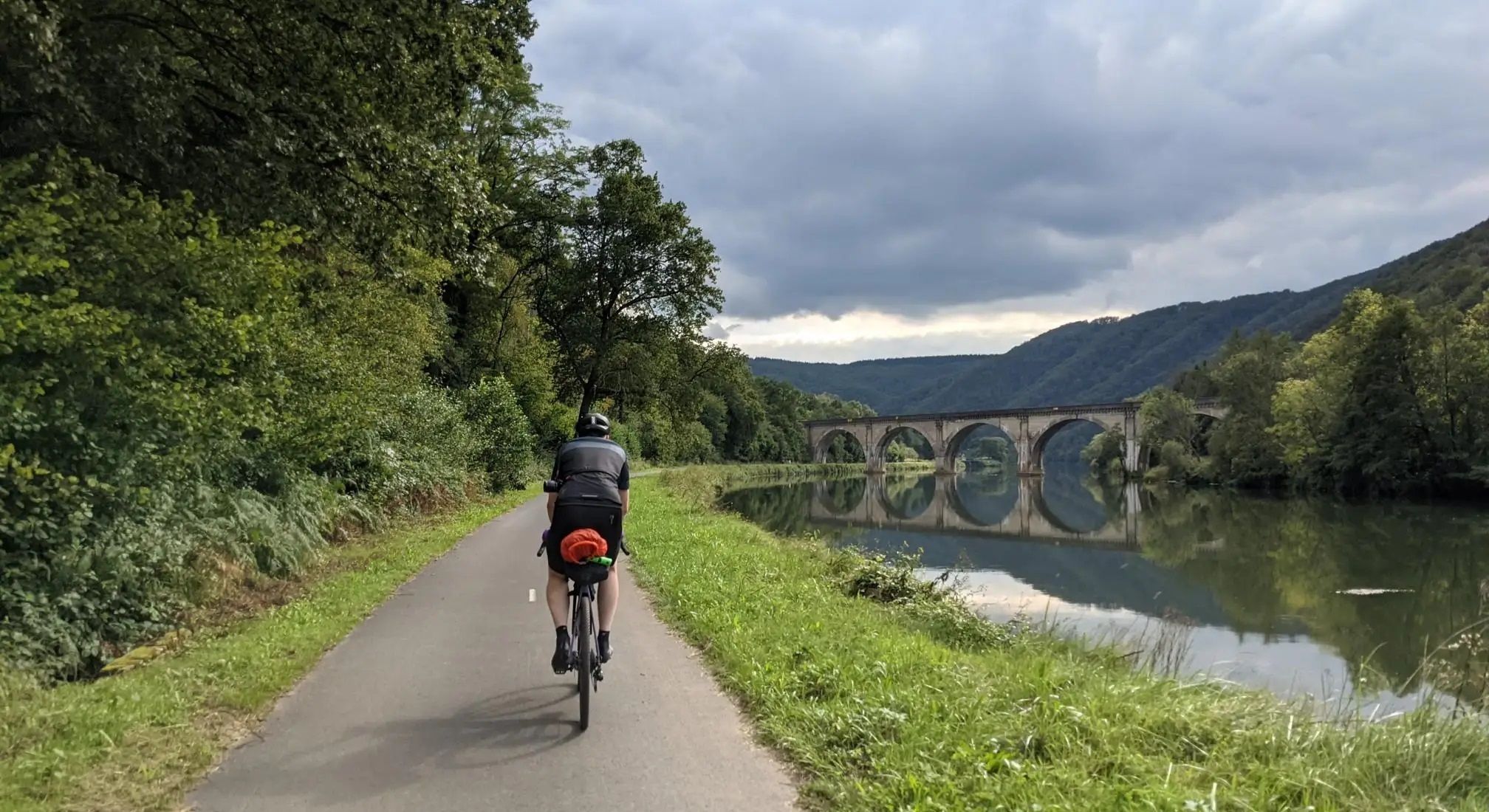
Aachen to Reims – Ardennes, Meuse and Champagne
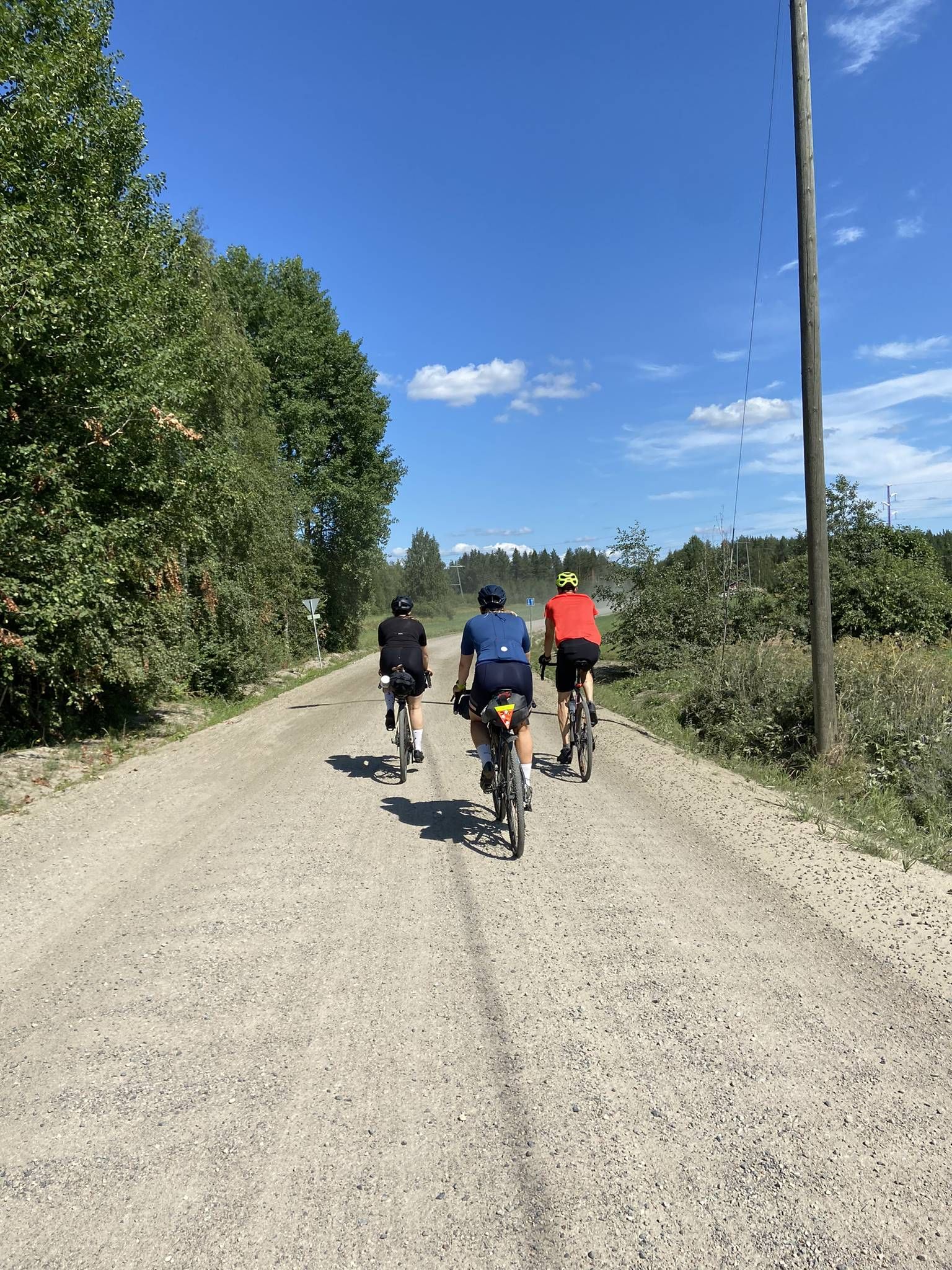
Naples to North Cape — Two friends, one purpose and many scoops of ice-cream
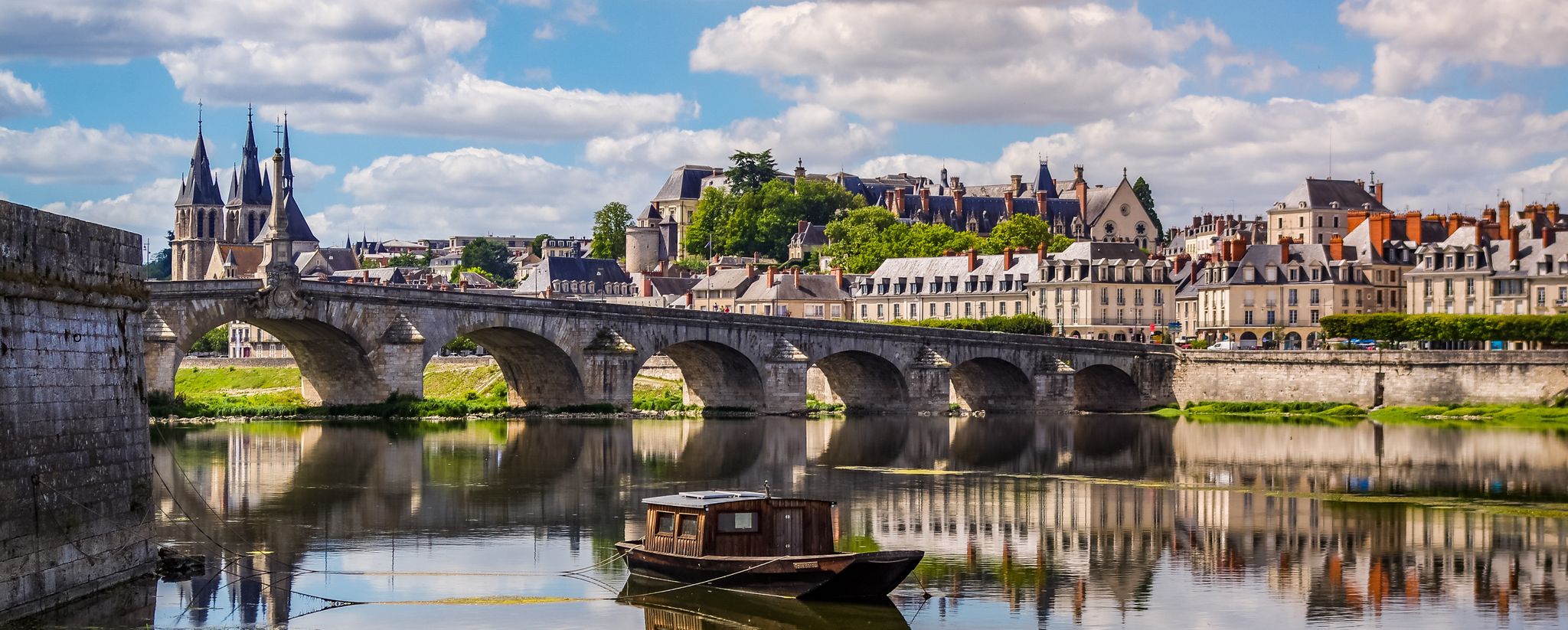
EuroVelo 3 – A cycling pilgrimage from Norway to France
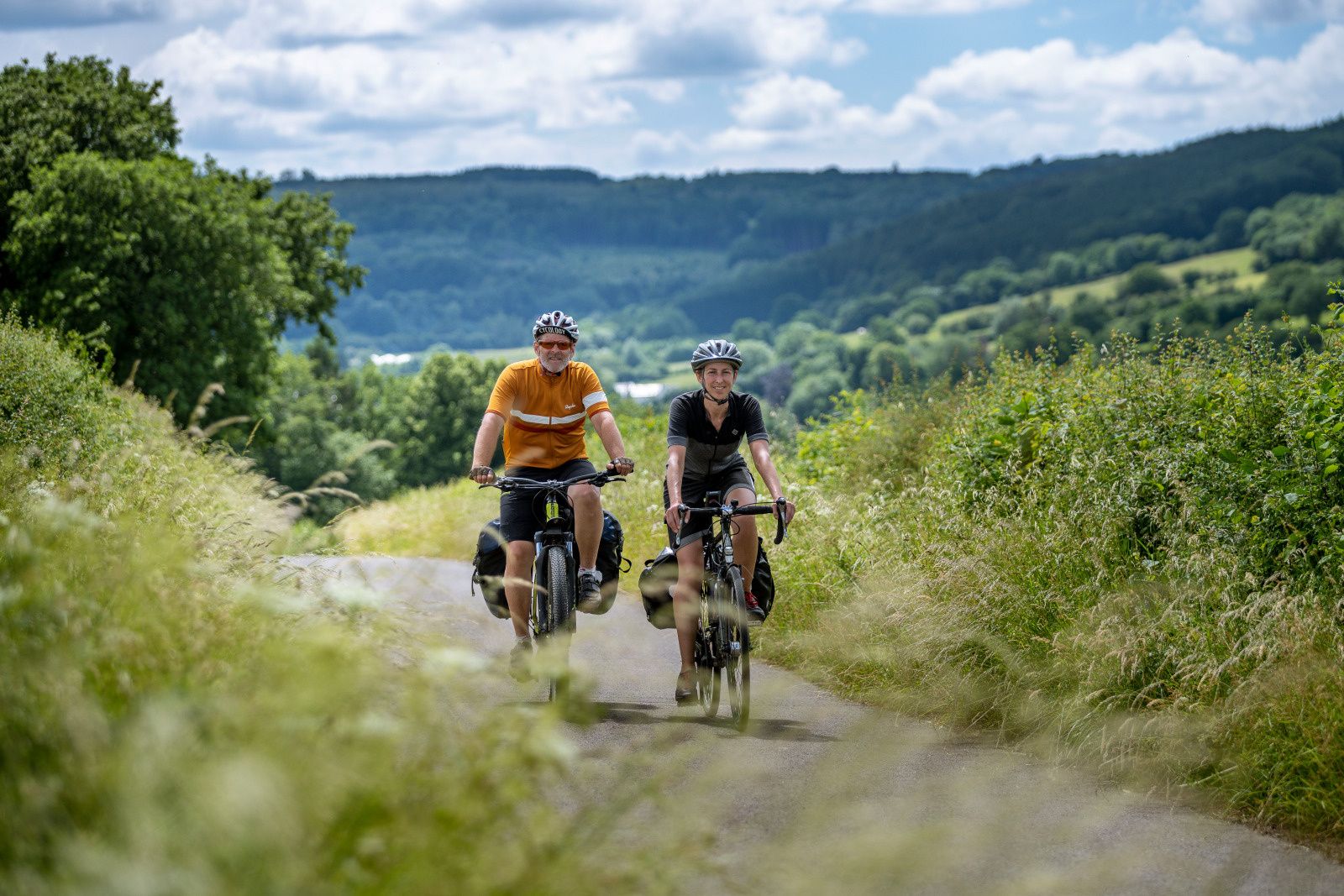
The most beautiful bike rides in Wallonia – pure nature and culture
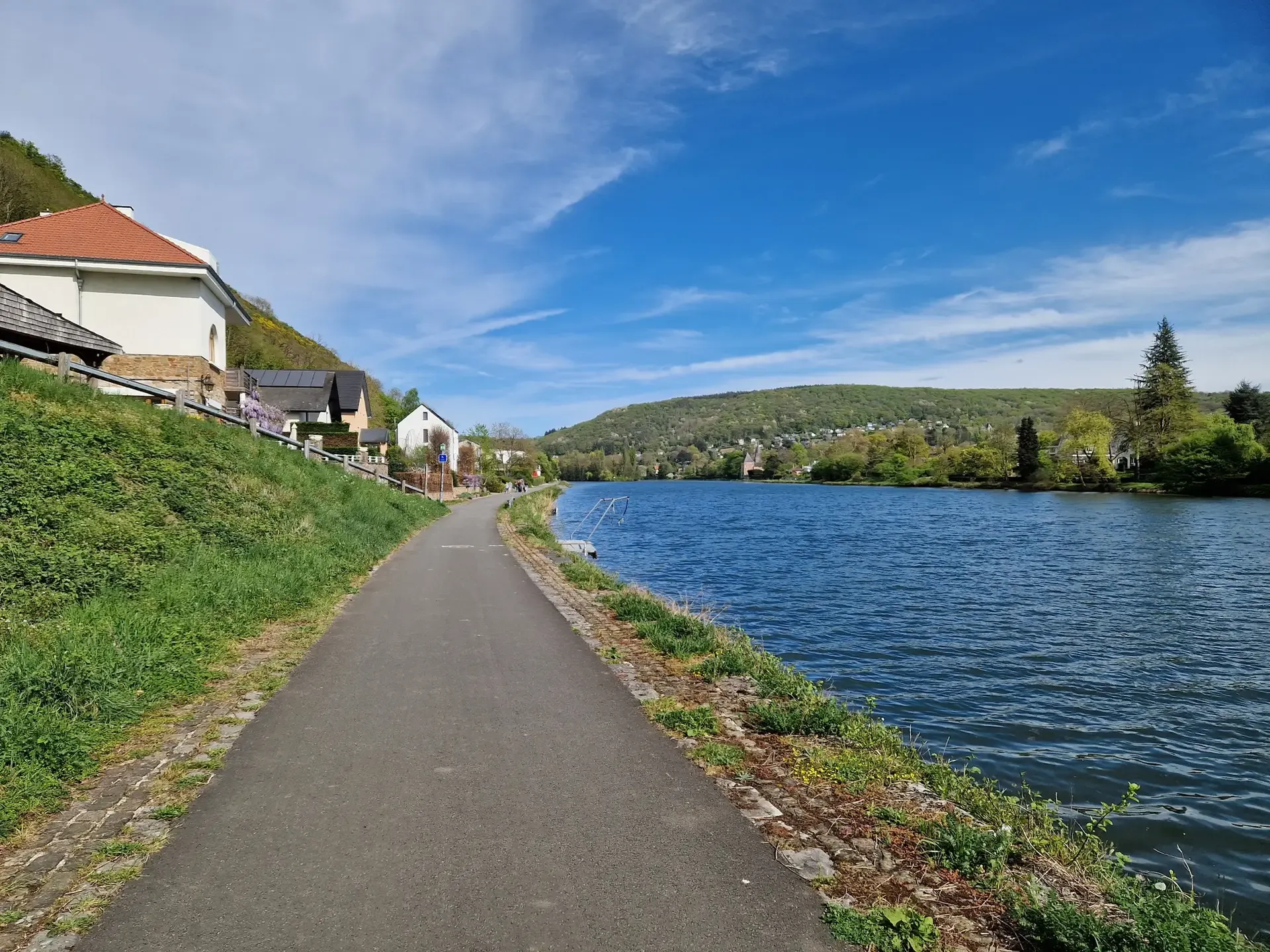
La Wallonie à vélo - RV2 : La Namuroise
Other adventures in Namur


Tips from the Community

The elegant, slightly curved steel structure was designed by the renowned Walloon engineering firm Greisch and built between 2003 and 2004. It has a total length of 80 meters and weighs around 67 tons. The bridge has an important tourist and practical function: it directly connects the historic, medieval town center of Durbuy with the green riverbank on the opposite side, where, among other things, the famous Le Parc des Topiaires (topiary park) is located. From the bridge, you also have a wonderful view of the wooded hills of the Ardennes and the historic backdrop of the town.
4
0

One of the most beautiful Adeps walks, along the Bocq and the railway line, 95% in the woods, just hard enough.
0
0

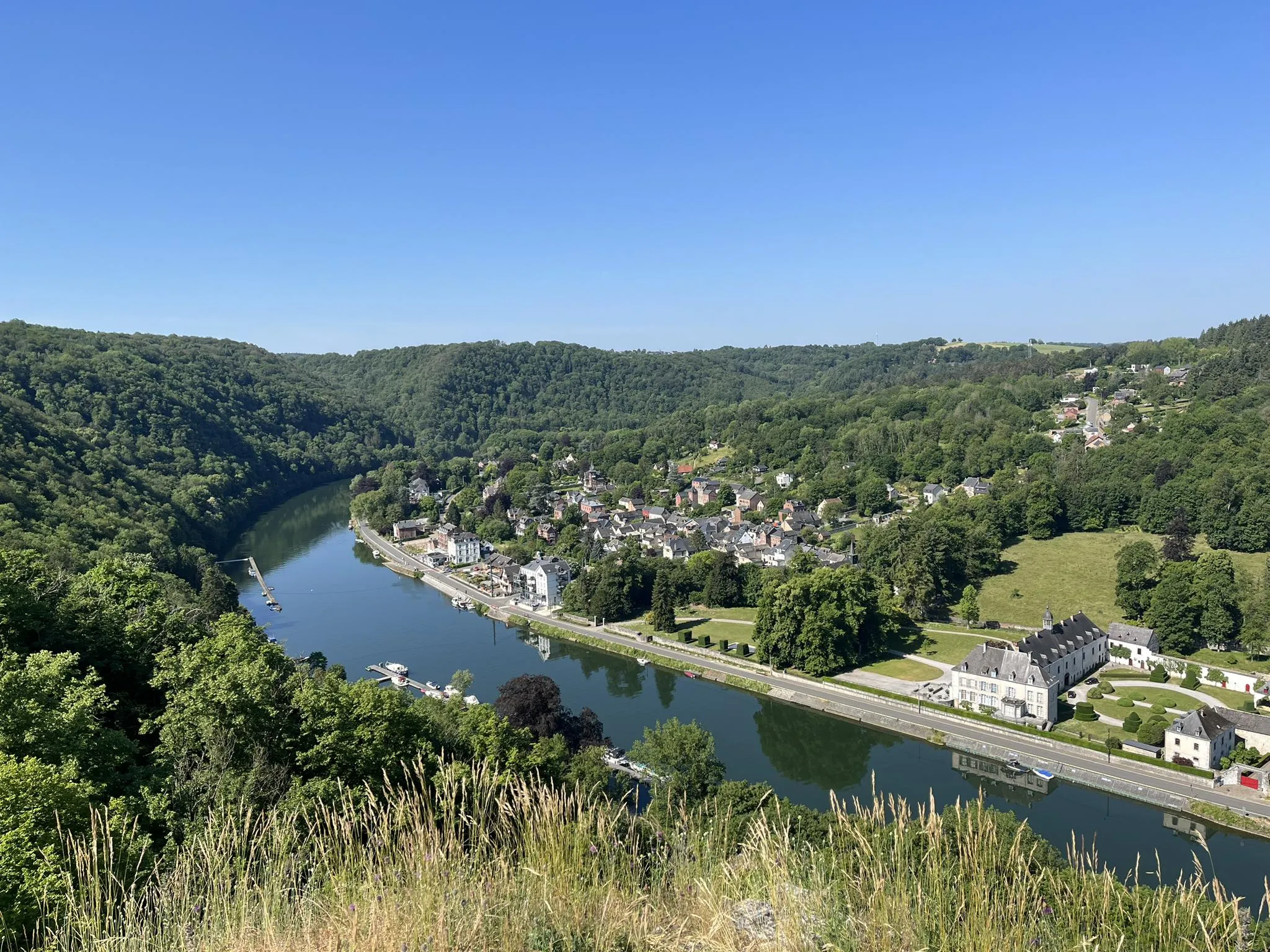
Several viewpoints are possible from the path along the meadow. I find this place sublime. It's one of the most beautiful viewpoints in the region in my opinion. Glad it's not too crowded! I recommend going when the sun is relatively low, it's just magnificent.
0
0

Beautiful tour, especially for children. The path over the two suspension bridges from above offers good views. There are a few steep sections, which are mostly secured with ropes. It can get a bit slippery in places when it rains.
2
0

Ideal resting place during a longer hike.
0
0

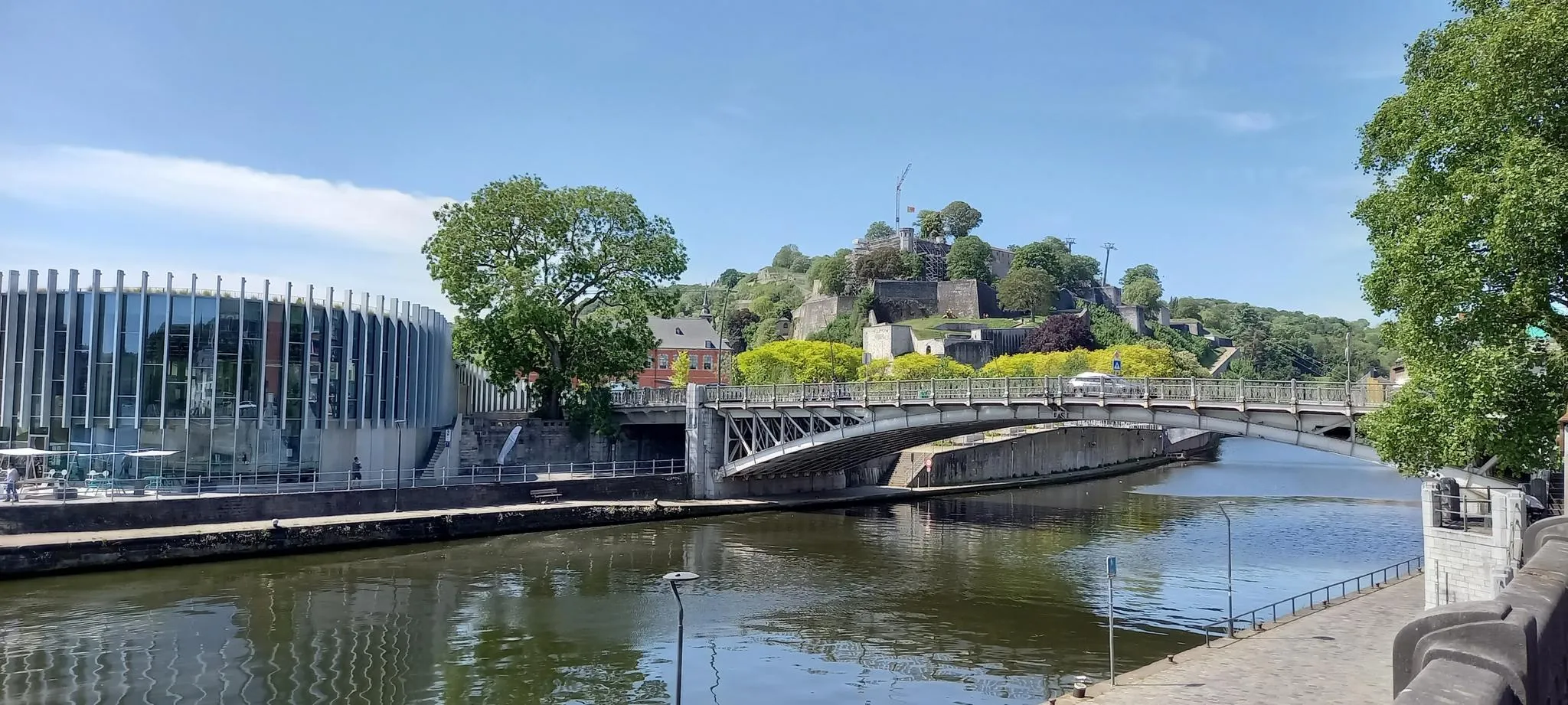
A beautiful bridge with a view of the castle
1
0

Concave and convex bend. That's what an information sign says along the path in this photogenic bend of the Ourthe River. The concave bank is on the outside of the meander and has (therefore) been eroded by the current. This is ideal for birds that like to make their burrows in vertical bank edges. Think of the kingfisher, and the sand martin. The convex bank is therefore on the inside of the bend. Because the water flows more slowly there, the river deposits sediments here. That's why you see gravel zones. And that, in turn, is pleasant for trout, because they like to lay their eggs there. You can walk along a beautiful path along a beautiful bend. And read about these beautiful bends. Information sign photo with the photos.
1
0
Frequently Asked Questions
What kind of terrain can I expect on mountaineering routes in Namur?
Mountaineering routes in Namur offer a diverse landscape, characterized by the dramatic Meuse River valley, impressive limestone cliffs, and dense forests. You'll find elevated terrain, particularly in areas bordering the Ardennes, with hills like Croix Scaille (518 m) providing challenging hikes and expansive views. The region is also known for 'verti-hiking,' which combines hiking with rock climbing techniques, often involving ropes and scrambling.
Are there any easy mountaineering routes suitable for beginners in Namur?
Yes, Namur offers routes suitable for various skill levels, including easy options. For instance, the Bois de Chapli loop from Durbuy is an easy 6.1 km trail with moderate elevation gain, perfect for those new to mountaineering or looking for a more relaxed experience.
Can I find circular mountaineering routes in Namur?
Absolutely. Many mountaineering routes in Namur are designed as loops, allowing you to start and finish in the same location. An example is the Durbuy Bridge - 1725 – Durbuy Castle loop from Durbuy, a 14.6 km trail offering varied terrain.
What are some notable natural features or viewpoints I can discover along the routes?
The Namur region is rich in natural beauty. You can explore impressive limestone formations like the Freyr Rocks along the Meuse, or enjoy panoramic vistas from viewpoints such as the View of the Freyr Cliffs and the Meuse. The Fondry des Chiens Gorge is another unique natural monument worth visiting.
Are there any challenging or difficult mountaineering routes in Namur?
Yes, for experienced mountaineers seeking a challenge, Namur has difficult routes. The Sy Rocks – Palogne Estate loop from Bomal is a difficult 10.2 km route that takes you through rugged terrain. Another demanding option is the Path Along the Bocq River – Tricointe Panorama loop from Crupet, which is nearly 19 km long with significant elevation changes.
What do other mountaineers enjoy most about the routes in Namur?
The mountaineering routes in Namur are highly rated by the komoot community, with an average score of 4.9 stars. Reviewers often praise the varied terrain, from river valleys to dense forests, and the scenic views offered by the region's elevated points and limestone cliffs.
Are there any routes that offer views of the Meuse or Semois valleys?
Yes, the region's topography is defined by its river valleys. You can experience stunning views of the Semois Valley on routes like the View of the Semois Valley – Pont de Claies (Semois) loop from Vresse-sur-Semois. Another option is the View of the Valley loop from Bomal, which provides scenic vistas of the surrounding natural features.
Are there any huts or shelters available along the mountaineering trails in Namur?
Yes, for those planning longer excursions or seeking a unique overnight experience, there are several huts and bivouac shelters in the Namur region. Examples include the Under Its Wing Bivouac Shelter and the Sentiers d'Art – The Cubic Artbri, offering basic accommodation amidst nature.
What is the best time of year for mountaineering in Namur?
Namur's diverse landscape makes it suitable for mountaineering throughout much of the year. Spring and autumn offer pleasant temperatures and vibrant scenery, while summer provides longer daylight hours. Winter mountaineering is also possible, though conditions can be more challenging, especially on higher ground or during periods of snow or ice.
Are there any routes that pass through forests or past historic landmarks?
Many routes in Namur wind through dense forests and past points of interest. The Green Valley Forest Trail – Durbuy Castle loop from Bomal is a great example, leading you through woodlands and past historic sites like Durbuy Castle.
How many mountaineering routes are available in Namur?
There are over 7 mountaineering routes available in Namur, catering to various difficulty levels from easy to difficult. This includes 1 easy route, 5 moderate routes, and 1 difficult route, offering a wide range of options for exploration.
Most popular routes in Namur
Most popular attractions in Namur

Get inspired with the komoot mobile app


Didn’t find what you were looking for?
Check out more Mountain Hikes & Routes throughout Namur below and find the perfect route in your destination.
Explore more
Browse the best Mountain Hikes & Routes in other regions.
