Attractions and Places To See around Cashel - Top 20
Best attractions and places to see around Cashel, a historic town in County Tipperary, Ireland, are set amidst a landscape of ancient landmarks and natural beauty. The region features dramatic limestone formations and picturesque natural areas, offering a diverse range of experiences. Visitors can explore historical sites, cultural centers, and natural points of interest, providing insights into Ireland's heritage and varied terrain.
Best attractions and places to see around Cashel
- The most popular attraction is Old Castle Archdale, a…
Last updated: August 17, 2026
Old Castle Archdale
Highlight • Forest
Tip by

Tully Castle Ruins
Highlight • Castle
Tip by

Sign up now to discover places like this
Get recommendations on the best single tracks, peaks, & plenty of other exciting outdoor places.
Sign up for free
Killadeas Priory Church and Early Christian Stones
Highlight • Monument
Tip by

Castle Archdale Courtyard Buildings
Highlight • Monument
Tip by
Pollnagollum Cave and Waterfall
Highlight • Cave
Tip by
Sign up for free to discover even more attractions around Cashel.
Sign up for free
Already have an account?
Start today with a free account
Your next adventure awaits.
Login or Signup
Tips from the Community

"continual slur on Irish caving" It's actually only a few hundred metres is accessible and it's total length is thought to be 2km. No where near the longest cave in Ireland. Consider a trip in only if well equipped with a good light and helmet. Alternatively/also consider visiting McKenzies back lounge just down the road. A much drier watering hole. ;)
1
0

In the graveyard are several interesting stones, probably the most noted one is known as the Bishops stone, this odd shaped stone has been altered and reused several times, originally thought to have been a carved figure similar to those on nearby White Island. Another stone with a lot of history is the large slab standing west of the bishops stone, one side of the stone bears at least twelve cup-shaped hollows, see image above right, which suggest this maybe a multiple bullaun stone/cup marked stone that has been reused as an early Christian cross slab, as on the obverse face is a Greek cross in a circle with a bifurcated stem. Situated south of the bullaun stone is a holed stone, as the image shows this stone is half embedded in the ground. Immediately to the West of the holed stone is a broken 1.2 metre high stone pillar. This stone may have been damaged. http://www.megalithicireland.com/Killadeas.htm
1
0
In the graveyard are several interesting stones, probably the most noted one is known as the Bishops stone, this odd shaped stone has been altered and reused several times, originally thought to have been a carved figure similar to those on nearby White Island. Another stone with a lot of history is the large slab standing west of the bishops stone, one side of the stone bears at least twelve cup-shaped hollows, see image above right, which suggest this maybe a multiple bullaun stone/cup marked stone that has been reused as an early Christian cross slab, as on the obverse face is a Greek cross in a circle with a bifurcated stem. Situated south of the bullaun stone is a holed stone, as the image shows this stone is half embedded in the ground. Immediately to the West of the holed stone is a broken 1.2 metre high stone pillar. This stone may have been damaged. http://www.megalithicireland.com/Killadeas.htm
0
0

During WW2 Castle Archdale was a major base for flying boats and housed up to 2,500 people. Buildings such as these would have been a central location for the RAF fighters who lived here. Sometimes exhibitions are held in these courtyards to display some of the key historical notes of the use of this area during the war.
2
0
Old Castle Archdale is situated on Castle Hill within a 520 hectare coniferous and mixed broadleaved forest. The castle was built in the 1600s and was the main castle on this former estate before its successor took it's place in the 1800s, Castle Archdale.
2
0
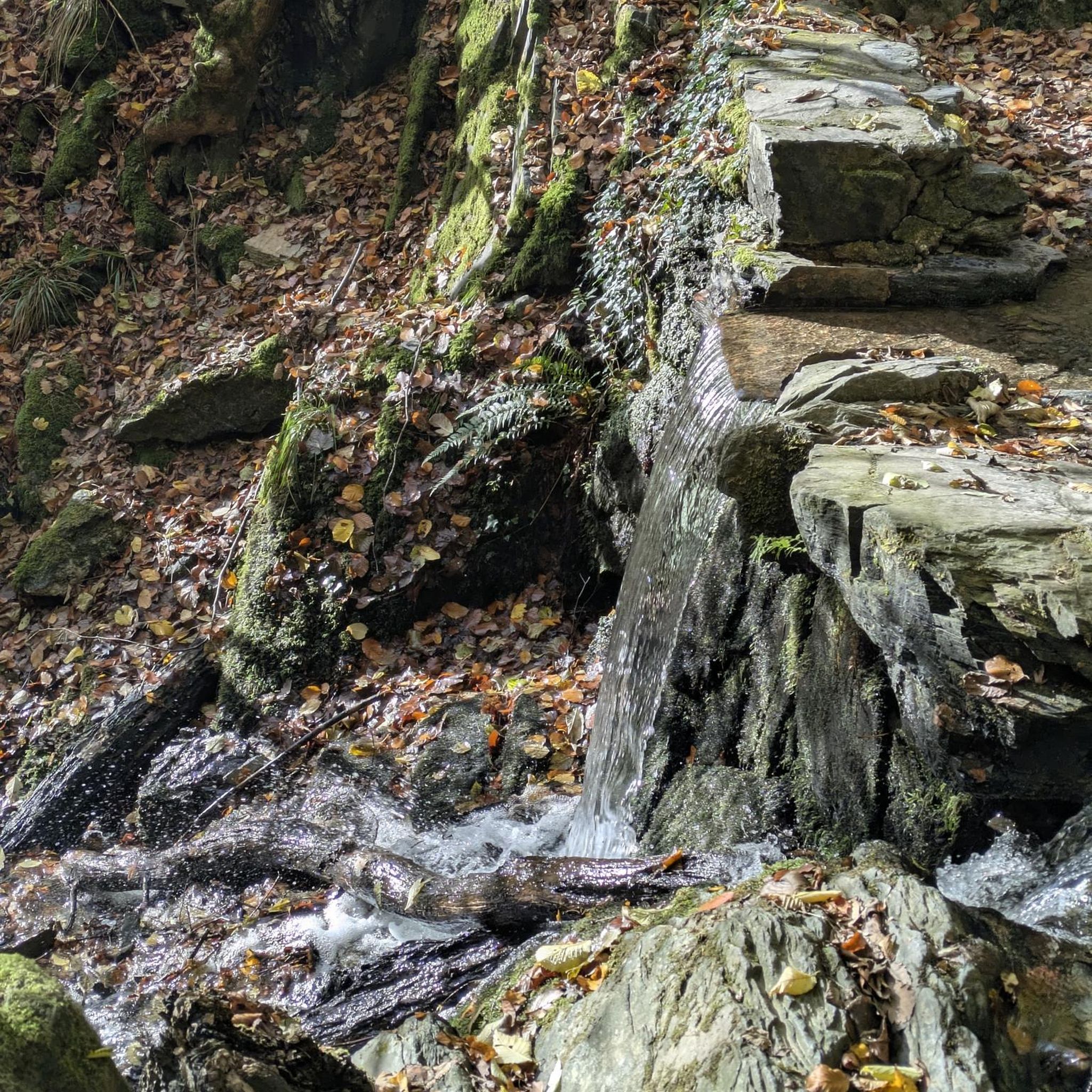
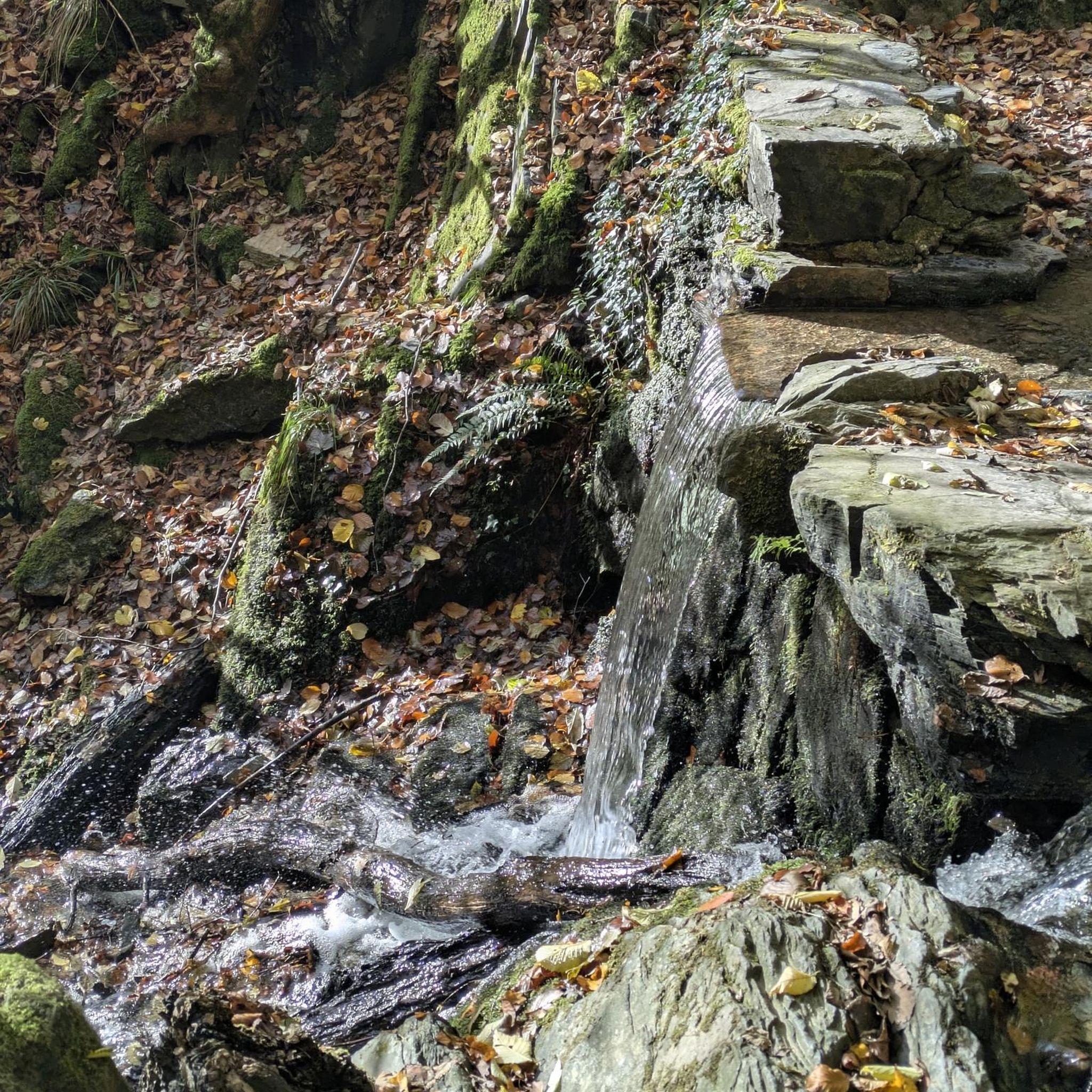
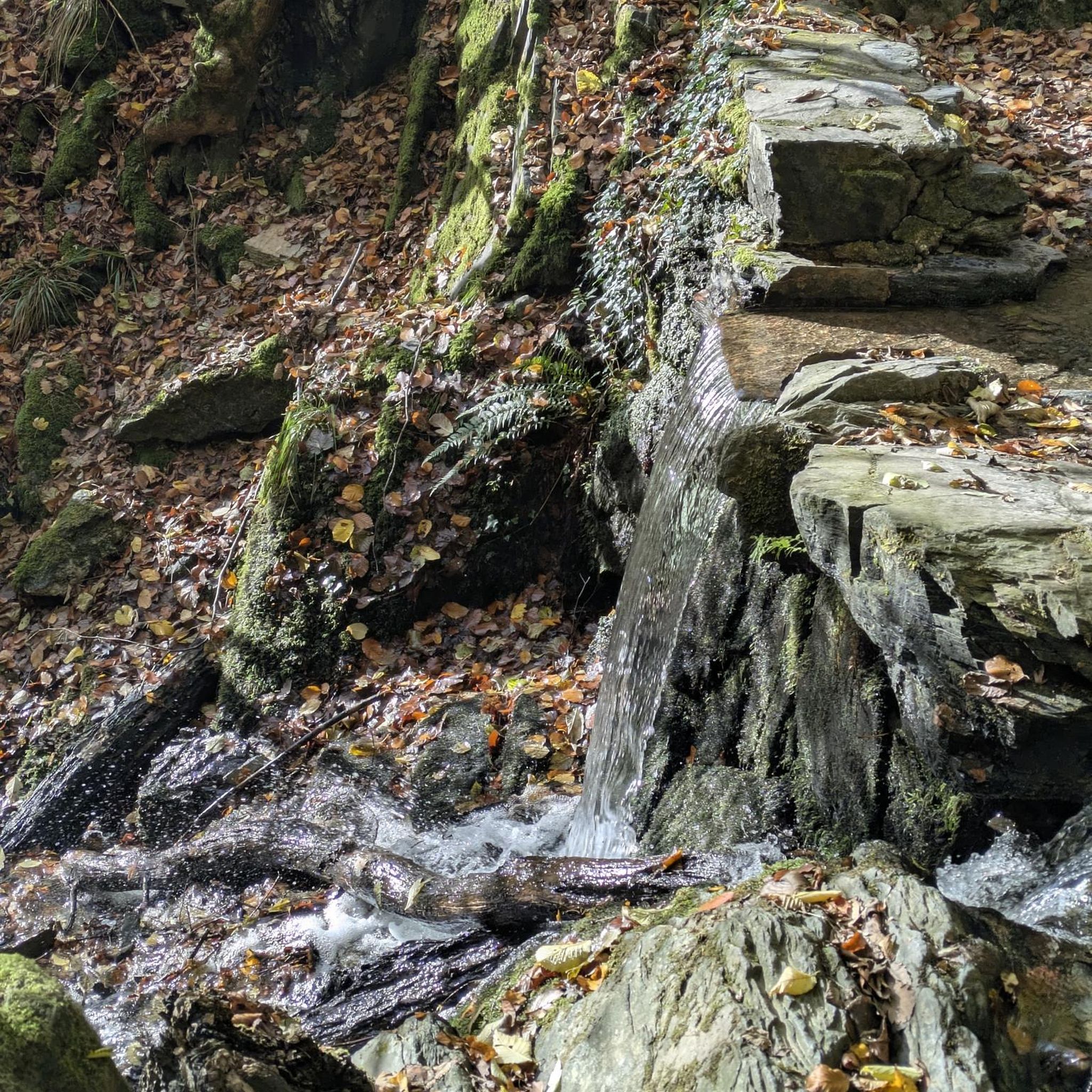
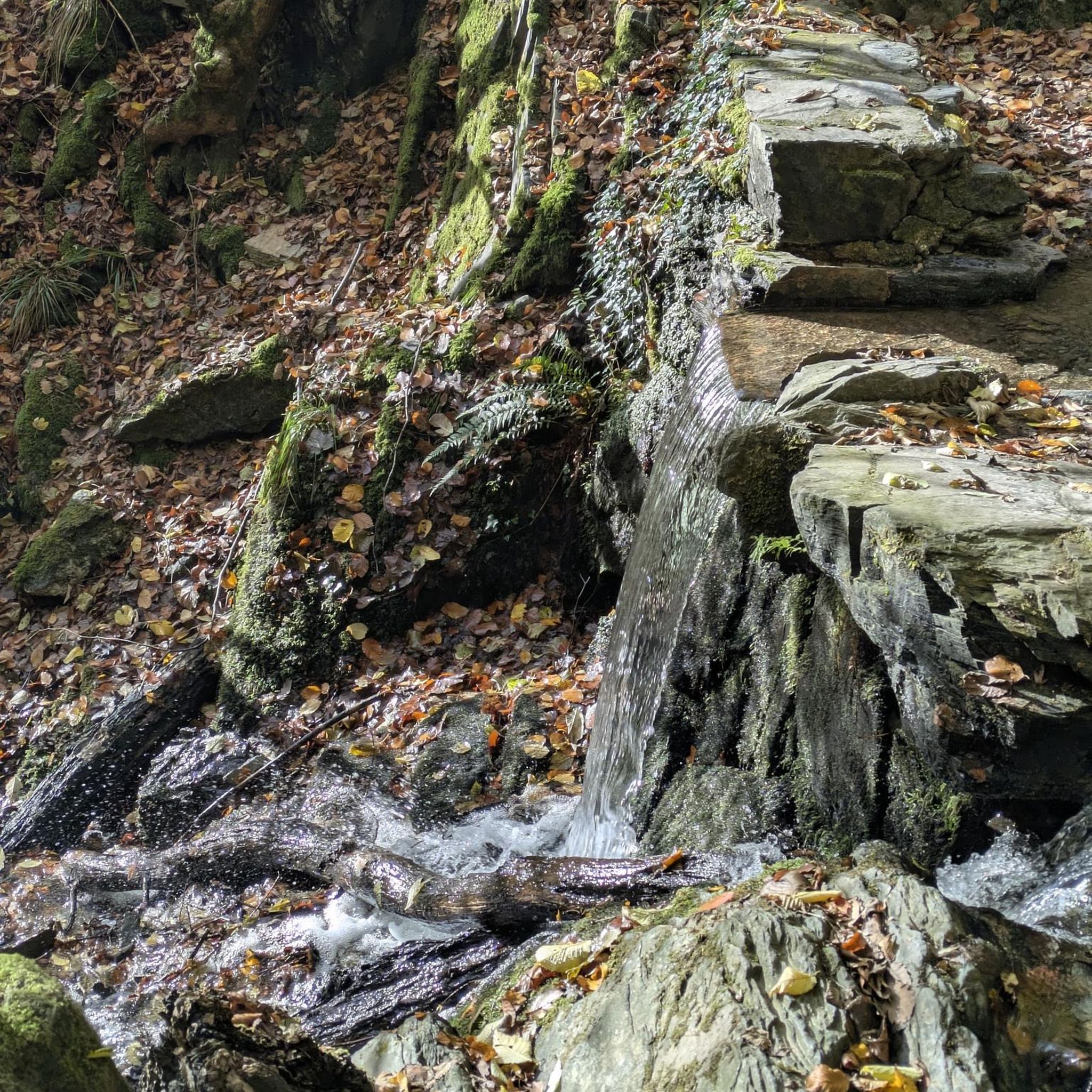
Pollnagollum Cave (meaning Hole of the Dove) is the longest cave system in Ireland. The cave system is complex and fascinating and is fed by a tumbling waterfall that topples off a limestone cliff. Watch your stepping here as rocks can be unstable and slippery, and don't forget your camera for some awesome shots.
3
0

Old Castle Archdale sits on a forest clifftop. It is named 'old' to distinguish it from its successor, the 18th century Castle Archdale. The castle was built by an Englishman from Suffolk who had been granted the estate in 1612 after paying 5 pounds, 6 shillings and 8 pence for the 1000 acres of land. During the Irish Rebellion of 1641 the castle was captured by Rory Maguire as part of the uprising to retake his lands that had been lost in 1607. The heir to the castle was saved by his nurse however the other children were killed. After the castle was returned to the family it was repaired and lived in until 1689. The castle saw its end during the Williamite Wars when the castle was burnt out and abandoned.
1
0
This fortified house is on Tully Point and built for Sir John Hume who occupied the house until 1641 when it was attacked by John Maguire and burned on Christmas Eve with all its inhabitants massacred. After that it was not lived in again. There is a visitors centre in a restored farmhouse that has an interesting exhibition telling a number of stories relating to the castle. To visit the castle be sure to step off the bike as it is on foot only!
1
0
Frequently Asked Questions
What historical sites can I explore around Cashel?
Cashel is rich in history. Beyond the iconic Rock of Cashel, you can visit the ruins of Tully Castle, a fortified house attacked in 1641, or the ancient Old Castle Archdale, which dates back to the 1600s. Other significant sites include Hore Abbey, a medieval Cistercian ruin, and Cahir Castle, one of Ireland's best-preserved castles. For early Christian history, explore Killadeas Priory Church and Early Christian Stones.
Are there any natural attractions or caves to visit near Cashel?
Yes, the area offers impressive natural wonders. You can explore Pollnagollum Cave and Waterfall, known as Ireland's longest cave system, fed by a tumbling waterfall. Further afield, the Mitchelstown Caves feature spectacular formations like stalactites and stalagmites. For scenic walks, consider the Glen of Aherlow or Glengarra Woods.
What cultural experiences are available in Cashel?
For a deeper dive into Irish culture, visit the Cashel Folk Village, which offers insights into pivotal historical events and features a Penal Chapel. At the foot of the Rock of Cashel, the Brú Ború Cultural Centre hosts traditional Irish music, song, and dance shows throughout the year.
Are there family-friendly attractions around Cashel?
Many sites are suitable for families. Tully Castle Ruins and Castle Archdale Courtyard Buildings are noted as family-friendly in the area. The Swiss Cottage, a picturesque 19th-century cottage orné, also offers a charming visit for all ages. For outdoor adventures, Glengarra Woods provides pathways and picnic areas.
Where can I find opportunities for outdoor activities like cycling or running near Cashel?
The Cashel area is great for outdoor enthusiasts. You can find numerous cycling routes, including the 'Rossmore Point Beacon – Old Castle Archdale loop' for an easy ride. For mountain biking, explore trails like the 'Tully Castle to Cliffs of Magho viewpoint and Ballintempo Forest loop'. Runners can enjoy routes such as the 'Old Castle Archdale – Rossmore Point Beacon loop'. Discover more routes on the Cycling around Cashel, MTB Trails around Cashel, and Running Trails around Cashel guide pages.
Are there hiking trails suitable for different skill levels in the Cashel area?
Yes, there are options for various hiking abilities. For an easier climb with rewarding views, consider Slievenamon, known as an 'easy mountain' with a clear track to its summit. The Glen of Aherlow also offers diverse walking opportunities. For more detailed trail information, check the specific cycling, MTB, and running guides linked above, as many routes can be adapted for hiking.
What is the best time of year to visit Cashel's attractions?
The best time to visit Cashel is generally during the spring (April-May) and autumn (September-October) when the weather is milder and the crowds are typically smaller. Summer (June-August) offers the warmest temperatures and longest daylight hours, ideal for exploring, but attractions can be busier. Winter can be cold and wet, but offers a quieter experience.
Is the Rock of Cashel accessible for visitors with mobility concerns?
The Rock of Cashel, being an ancient site on a limestone outcrop, presents some challenges for mobility. While efforts have been made to improve accessibility, some areas may involve uneven surfaces, steps, or inclines. For specific accessibility details and to plan your visit, it is recommended to check the official Heritage Ireland website: heritageireland.ie.
Can I bring my dog to attractions or trails around Cashel?
While many outdoor trails and natural areas like the Glen of Aherlow or Glengarra Woods are generally dog-friendly, it's important to keep dogs on a leash and clean up after them. However, most indoor attractions and historical sites, including the Rock of Cashel, typically do not permit dogs, with the exception of assistance animals. Always check specific site regulations before visiting.
Are there any hidden gems or lesser-known historical sites worth visiting?
Beyond the main highlights, consider visiting Athassel Abbey near the village of Golden, which is the largest medieval priory in Ireland. Another intriguing site is St. Patrick's Well, a historical and sacred landmark. These offer a quieter, yet equally enriching, glimpse into the region's past.
Where can I find local cafes or pubs near the main attractions in Cashel?
Cashel town center, located close to the Rock of Cashel, offers a variety of cafes, pubs, and restaurants. You'll find options for refreshments and meals within walking distance of the main historical sites. The Cashel Heritage Centre also features a craft shop, and there are local establishments throughout the town.
What are the parking options for visiting attractions in Cashel?
For the Rock of Cashel, there is a dedicated car park available at the base of the site. Many other attractions, especially those outside the town center like Cahir Castle or the Swiss Cottage, typically have their own parking facilities. For natural areas like Glengarra Woods, designated car parks are provided. Public transport options are limited for some outlying sites, so driving is often the most convenient way to explore.
Most popular attractions around Cashel

Get inspired with the komoot mobile app


Explore more
Still not found the Highlight you’re looking for? See guides of the top attractions in other regions:
