The best cycling routes around Drumhirk
5.0
(1)
43
riders
7
rides
Touring cycling around Drumhirk offers access to a diverse landscape, characterized by the rural townland's position within County Down, Northern Ireland. The wider region features granite peaks of the Mourne Mountains, the expansive Strangford Lough with its woodlands and waterways, and numerous forest parks. While Drumhirk itself is a small townland, the surrounding areas provide varied terrain suitable for touring cyclists.
Best touring cycling routes around Drumhirk
- The most popular touring cycling route is The Kingfisher Cycle Trail from Enniskillen…
Last updated: June 29, 2026
52.8km
03:24
570m
570m
Hard bike ride. Very good fitness required. Mostly paved surfaces. Suitable for all skill levels.
52.4km
03:18
550m
550m
Hard bike ride. Very good fitness required. Mostly paved surfaces. Suitable for all skill levels.

Sign up for free
160km
09:53
1,350m
1,350m
Hard bike ride. Very good fitness required. Mostly paved surfaces. Suitable for all skill levels.
13
riders
82.0km
04:51
470m
470m
Hard bike ride. Very good fitness required. Mostly paved surfaces. Suitable for all skill levels.
9
riders
13.5km
01:06
200m
200m
Moderate bike ride. Good fitness required. Mostly paved surfaces. Suitable for all skill levels.
Get access to more routes and recommendations from other explorers.
Sign up for free
Already have an account?
Our route recommendations are based on thousands of hikes, rides, and runs completed by other people on komoot.
Start today with a free account
Your next adventure awaits.
Login or Signup
Popular around Drumhirk
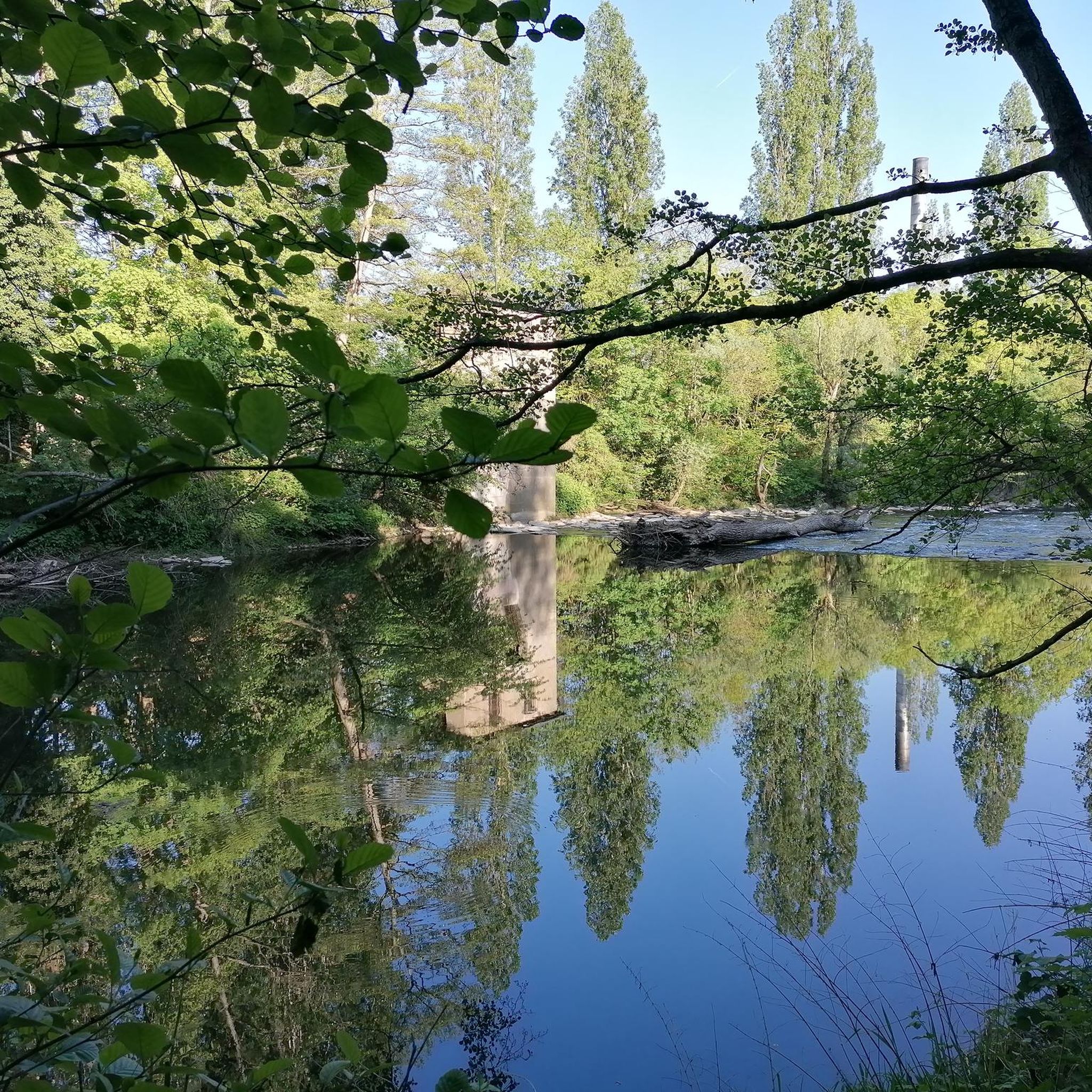
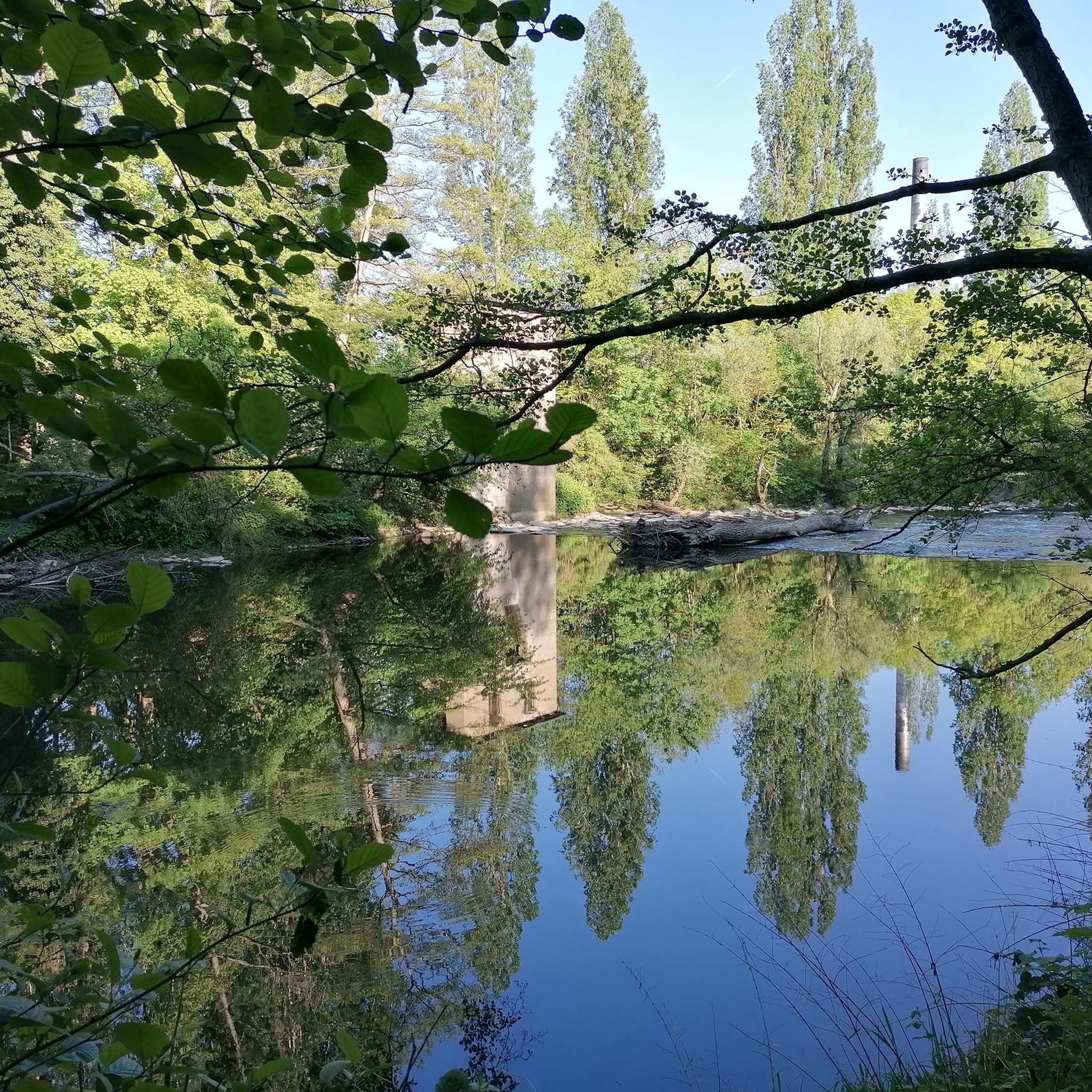

Tips from the Community

The shimmering waters of Lough Melvin attract anglers from around the world for its beauty and diverse fish. The lake is home to three unique species of trout, as well as salmon, and an endemic species of char, the Melvin charr. If you want to try your hand at fishing, you should purchase a license and consider renting a boat. The lake is 7.5 miles (12 km) long and 1.9 miles (3 km) wide and set amongst the beautiful green countryside along the border of County Leitrim and Country Fermanagh. If you are not into fishing, there's plenty of wonderful flora and fauna to enjoy too.
1
0

In the graveyard are several interesting stones, probably the most noted one is known as the Bishops stone, this odd shaped stone has been altered and reused several times, originally thought to have been a carved figure similar to those on nearby White Island. Another stone with a lot of history is the large slab standing west of the bishops stone, one side of the stone bears at least twelve cup-shaped hollows, see image above right, which suggest this maybe a multiple bullaun stone/cup marked stone that has been reused as an early Christian cross slab, as on the obverse face is a Greek cross in a circle with a bifurcated stem. Situated south of the bullaun stone is a holed stone, as the image shows this stone is half embedded in the ground. Immediately to the West of the holed stone is a broken 1.2 metre high stone pillar. This stone may have been damaged. http://www.megalithicireland.com/Killadeas.htm
1
0
In the graveyard are several interesting stones, probably the most noted one is known as the Bishops stone, this odd shaped stone has been altered and reused several times, originally thought to have been a carved figure similar to those on nearby White Island. Another stone with a lot of history is the large slab standing west of the bishops stone, one side of the stone bears at least twelve cup-shaped hollows, see image above right, which suggest this maybe a multiple bullaun stone/cup marked stone that has been reused as an early Christian cross slab, as on the obverse face is a Greek cross in a circle with a bifurcated stem. Situated south of the bullaun stone is a holed stone, as the image shows this stone is half embedded in the ground. Immediately to the West of the holed stone is a broken 1.2 metre high stone pillar. This stone may have been damaged. http://www.megalithicireland.com/Killadeas.htm
0
0
In the graveyard are several interesting stones, probably the most noted one is known as the Bishop's stone, this odd shaped stone has been altered and reused several times, originally thought to have been a carved figure similar to those on nearby White Island. - http://www.megalithicireland.com/Killadeas.htm
0
0

Boa Island is the largest island on Lough Erne. The road cuts through its centre with views of Lusty Beg, Lusty More and Cruninish Islands.
0
0
Managed by the National Trust, the Crom Estate is a large nature reserve of woodlands, lake, castle ruins and islands. It is an important habitat for pine martens, bats, deer, red squirrels and butterflies. There is a coffee shop at the estate and if you fancy something different you can hire a boat to explore the lough. For more details check out the website https://www.nationaltrust.org.uk/visit/northern-ireland/crom
0
0
The road passed around the edge of Doon Forest. Mostly a conifer plantation, there is also a lot of deciduous planting around the outside. The quiet road through the trees feel particularly lush in May when the leaves are at their newest and greenest.
0
0
There is a great view from the car park, but even better, park up your bike and take the short trail to the hiking viewpoint. There you can marvel at the panoramic views across County Fermanagh and County Monaghan. Take a seat in the oversized chair and enjoy. Especially lovely at sunrise and sunset.
1
0
Frequently Asked Questions
How many touring cycling routes are available around Drumhirk?
There are over 8 touring cycling routes around Drumhirk listed on komoot, offering a variety of experiences for different skill levels. These routes explore the diverse landscapes of County Down, Northern Ireland.
Are there any easy touring cycling routes suitable for beginners or families near Drumhirk?
Yes, while many routes are moderate to difficult, there is at least one easy touring cycling route available. For families or beginners, consider routes that stick to greenways or quieter country roads, which are common in the wider County Down area, such as those around Strangford Lough. Always check the route details for elevation and terrain before you go.
What kind of terrain can I expect on touring cycling routes around Drumhirk?
Touring cycling around Drumhirk and the broader County Down region features varied terrain. You can expect rural roads, some with significant elevation changes, especially closer to the Mourne Mountains. Routes may also include coastal areas, forest parks, and paths around expansive loughs like Strangford Lough, offering a mix of flat sections and rolling hills.
What are some of the more challenging touring cycling routes in the area?
For experienced cyclists seeking a challenge, routes like The Kingfisher Cycle Trail from Enniskillen, which spans nearly 100 miles with significant elevation gain, offer a demanding ride. Other difficult options include the Derrygonnelly & Boho loop from Enniskillen and The Crom Estate & Newtownbutler loop from Lisnaskea, both traversing varied terrain with notable climbs.
Are there any notable landmarks or attractions I can visit along the touring cycling routes?
Yes, the region offers several interesting landmarks and attractions. You might encounter historic sites like Enniskillen Castle, or natural features such as the Ancient Chestnut Tree. Other points of interest include Castle Coole and the Forthill Park Monument and Clock Tower, which can be explored as part of your cycling adventure.
What is the best time of year for touring cycling in County Down?
The best time for touring cycling in County Down is generally from spring through early autumn (April to October) when the weather is milder and daylight hours are longer. While cycling is possible year-round, winter months can bring colder temperatures, shorter days, and potentially wet or icy conditions, especially on less-maintained rural roads.
Are there any circular touring cycling routes around Drumhirk?
Many of the touring cycling routes in the wider County Down area, including those accessible from Drumhirk, are designed as loops, allowing you to start and finish at the same point. For example, the Enniskillen Castle – Old Castle Archdale loop from Enniskillen is a significant circular route. Always check the route details on komoot to confirm if a route is a loop.
Can I find cafes or pubs along the touring cycling routes for refreshments?
Yes, as Drumhirk is situated within County Down, many cycling routes will pass through or near towns and villages like Ballygowan and Comber, as well as other settlements around Strangford Lough. These areas typically offer opportunities for refreshments at cafes, pubs, and local shops. It's always a good idea to plan your stops in advance, especially on longer or more remote routes.
What are the parking options for touring cyclists in County Down?
Parking for cyclists in County Down is generally available in towns and at popular trailheads or attractions. Many forest parks and lough-side locations offer designated parking areas. When planning your route, look for starting points in villages or near larger attractions that provide public parking facilities. Always check local signage for any parking restrictions or fees.
Is public transport accessible for reaching touring cycling routes near Drumhirk?
While Drumhirk itself is a rural townland, the broader County Down region has public transport links, primarily bus services connecting larger towns. Some routes, like parts of the Lagan and Lough Cycle Way, are accessible via public transport hubs in Belfast or Lisburn. For specific routes, it's advisable to check local bus timetables and consider if your bicycle can be accommodated, as policies vary.
Are there any dog-friendly touring cycling routes in the area?
Many of the rural roads and forest trails in County Down are suitable for cycling with dogs, provided they are well-behaved and kept on a lead where necessary, especially around livestock or wildlife. Forest parks like Tollymore and Castlewellan often have specific guidelines for dogs. Always be mindful of local regulations and other trail users.
What makes touring cycling around Drumhirk unique?
Touring cycling around Drumhirk offers a unique blend of rural tranquility and access to some of Northern Ireland's most stunning natural landscapes. Its location in County Down means cyclists can easily reach the majestic Mourne Mountains, the expansive Strangford Lough, and numerous forest parks, providing diverse scenery from dramatic peaks to serene coastlines and historic sites.
Most popular routes around Drumhirk
Most popular attractions around Drumhirk

Get inspired with the komoot mobile app


Explore more
Browse the best Cycling routes in other regions.
