Attractions and Places To See around Leamington Hastings - Top 20
Best attractions and places to see around Leamington Hastings include historical sites and natural features in Warwickshire, England. The village is situated near the River Leam, which provides a natural boundary and scenic element. The surrounding area offers a mix of cultural heritage and outdoor spaces, with several points of interest within a short distance. These attractions cater to those interested in local history and natural landscapes.
Best attractions and places to see around Leamington Hastings
- The most popular attractions…
Last updated: July 2, 2026
Draycote Water
Highlight • Lake
Translated by Google •
Tip by

Elephant Sculpture at Ryton Pools
Highlight • Monument
Tip by

Sign up now to discover places like this
Get recommendations on the best single tracks, peaks, & plenty of other exciting outdoor places.
Sign up for free
Sand Martin Nesting Wall, Ryton Pools Country Park
Highlight • Natural
Tip by

St Michael's Church, Bishop's Itchington
Highlight • Historical Site
Tip by
St Mary's Church, Cubbington
Highlight • Religious Site
Tip by
Sign up for free to discover even more attractions around Leamington Hastings.
Sign up for free
Already have an account?
Start today with a free account
Your next adventure awaits.
Login or Signup


Tips from the Community

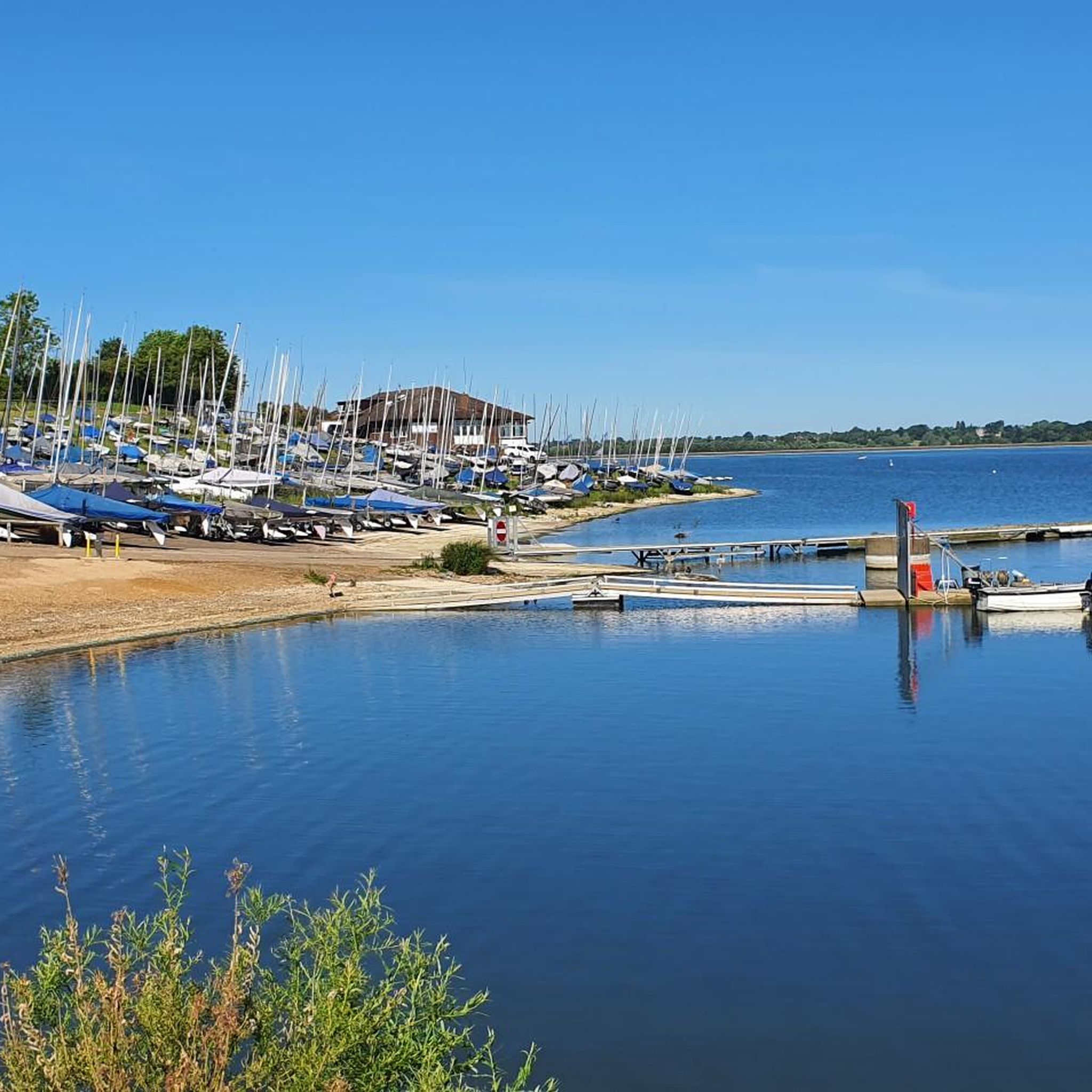
Draycote Water is an artificial reservoir (23 million m3), which was completed in 1969. In addition to its function as a water reserve, it is a leisure park u.a. for anglers, sailors, hikers. The rich bird life invites also to observations. Swimming is not allowed in the lake.
1
0

These sculptures were created to remind visitors of the rich geological history of the Ryton Pools where pieces of neck, tooth and tusk of the straight-tusked elephant were found in the local sand quarries. These massive creatures roamed this area half a million years ago and the life size sculptures bring to life the ancient history of the park.
1
0


Funded through the National Lottery Heritage Fund the Dunsmore Living Landscape scheme aims to restore the most significant area of ancient woodland in Warwickshire, increase landscape connectivity through the restoration of hedgerows, grasslands, ponds and heritage sites and engage local communities in a programme of natural and heritage-related activities. These metal sculptures were created and installed to help bring to life the geological history of the Dunsmore Living Landscape Scheme area at Ryton Pools, where pieces of neck bone, tooth and tusk of the Straight-tusked elephant Palaeoloxodon antiquus, were all found in the local sand quarries. The sculptures were a collaboration between Spencer Jenkins, a green wood and metalwork artist (designer, and project manager), and Artfabs Ltd, a specialist fabrication contractor who will assist with larger construction challenges. These creatures would have roamed the area around half a million years ago. The life size sculptures will bring to life the ancient history of the park and reflect important palaeontological finds made on the site during quarrying.
0
0
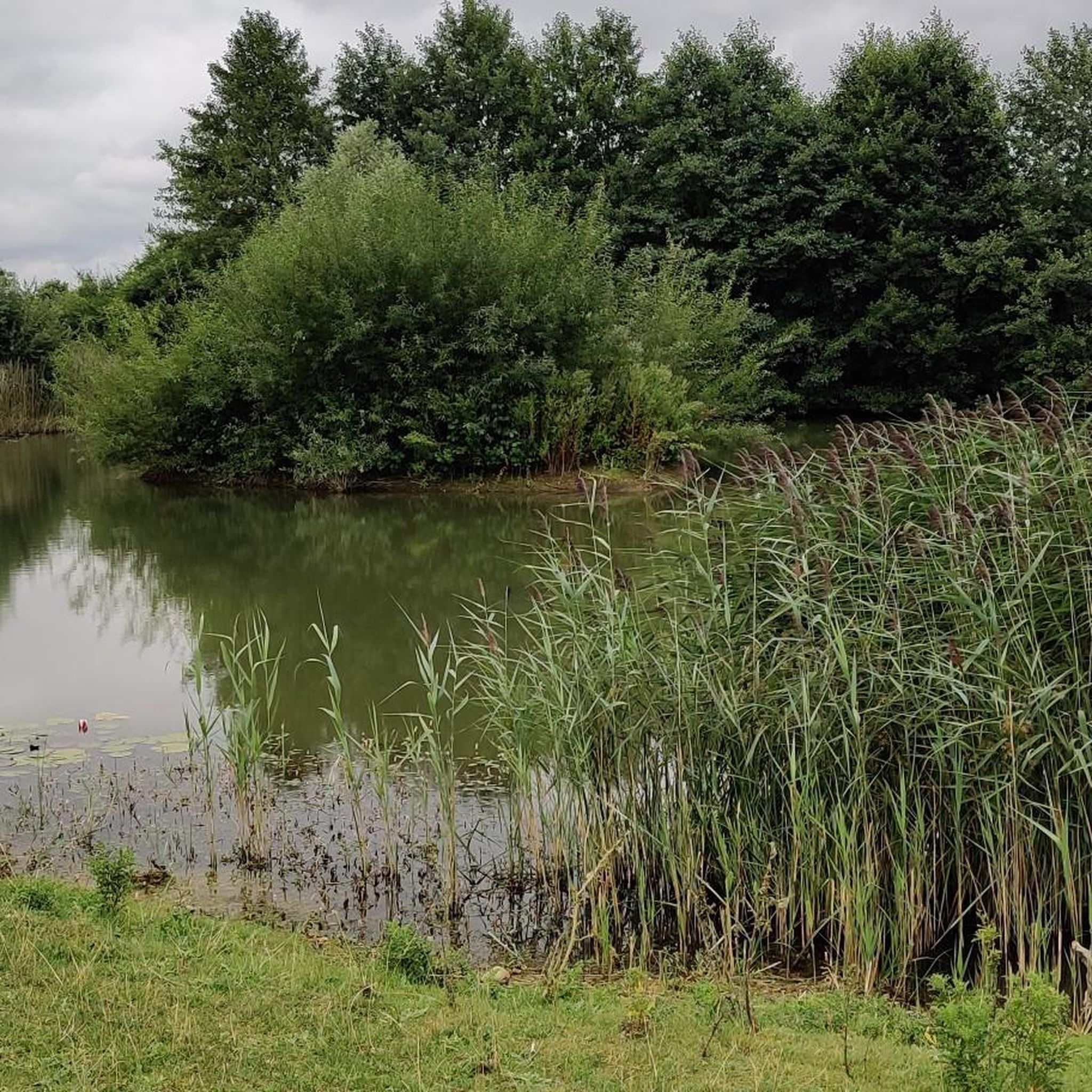
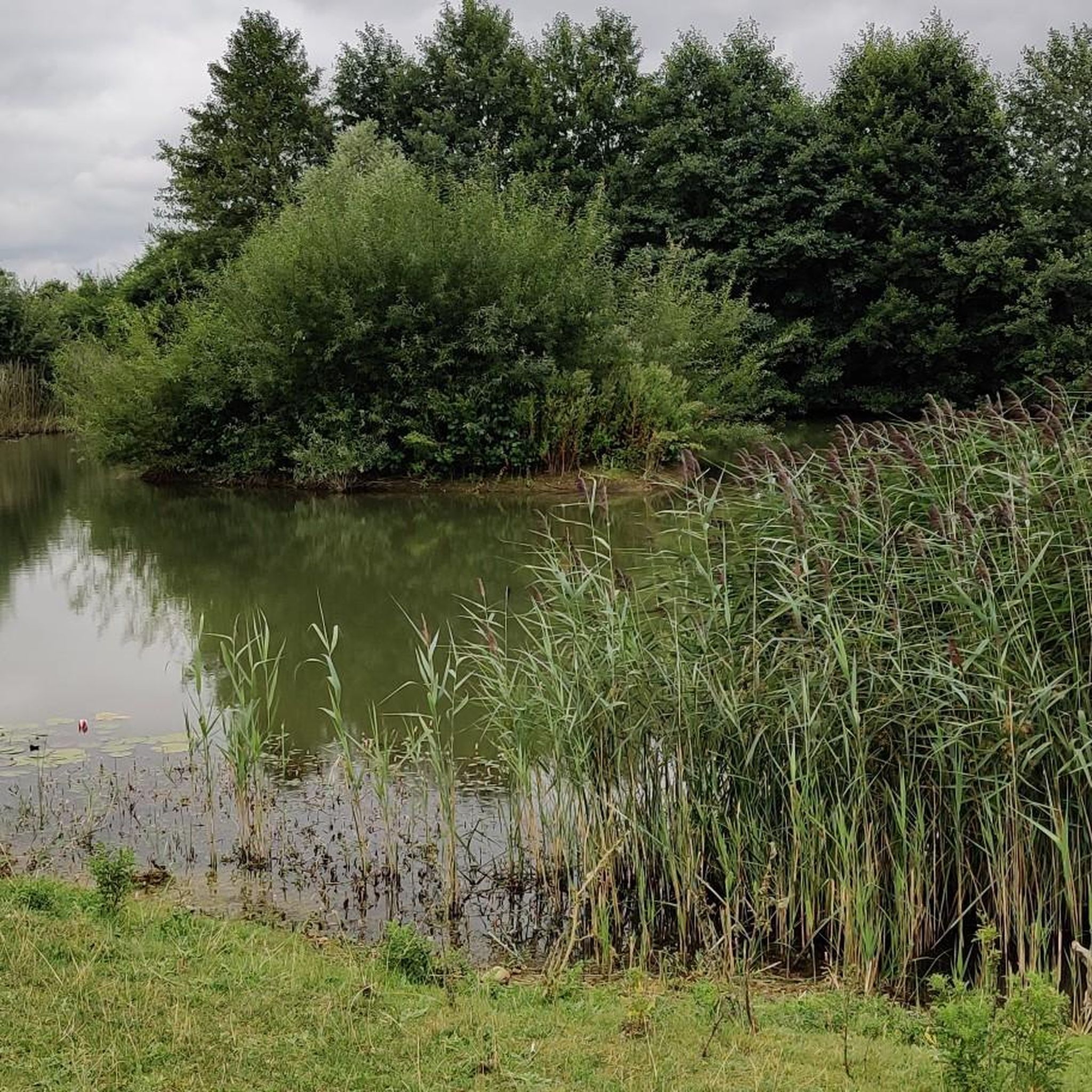
As part of the creation of a new UK Mail facility at the Prologis Park Ryton, our client Prologis had created a temporary borrow pit as part of the works and inadvertently, created the perfect new home for a colony of Sand Martins Riparia riparia which moved in and successfully bred (2015). The birds were left to nest in peace after a wide exclusion zone was implemented but realising that the site was on the birds’ migration route together with the fact that the borrow pit couldn’t stay on site long-term, we worked with Prologis, Whiting Landscapes and the park rangers at nearby Ryton Pools Country Park to create a brand new permanent and purpose-built nesting site in this 100 acre site managed jointly between Warwickshire County Council and Warwickshire Wildlife Trust. The Sand Martin nesting wall was completed in March 2016 and this year has already had a couple of pairs taking an interest. As well as providing a large and safe nesting habitat, the 15m long structure also has a number of pre-formed swallow nest sites and a rear door inspection hatch so that the rangers can keep an eye on the nesting progress and carry out any necessary maintenance. To prevent predation by other wildlife such as stoats, an anti-predator baffle has been installed below the tunnels which have been constructed of plastic pipes. We also helped create the new information board which has been installed opposite the nesting wall to inform the local visitors to the country park about the new nesting site. It’s hoped that grizzled skipper butterflies will also benefit from the new structure as one of the food plants of the larvae stage – strawberries – are to be planted on the aggregate roof in the near future! Sand Martins are gregarious and therefore tend to nest in large colonies. They are Europe’s smallest hirundine (martins and swallows) and the insectivorous birds are summer visitors to the UK, over-wintering in Africa.
0
0
Although part of Ryton Wood was lost to sand and gravel extraction in the 1960s, the wood has been returned to its present excellence though traditional management practices, and is one of the county's largest surviving semi-natural ancient woodlands. Arguably the best of the Princethorpe Woods, Ryton Wood covers 85 hectares, has been designated as an SSSI and boasts an extensive list of notable species. Parts of Ryton Wood date back to the 11th century, so the land may have been wooded since the end of last ice age. Finding coppiced, small-leaved lime stools is evidence to support this. Once the most common tree 5,000 years ago, the species is no longer so common. Huge ditches also indicate the wood’s ancient, medieval boundaries. Forty or so species of tree and shrub have been identified, with oak the dominant tree. An abundance of honeysuckle, our county flower, scrambles through the lower-growing hazel - enjoy its sweet perfume on summer days.
0
0

There is one problem with this side of Draycote water and that's the bugs. The wind blows across the lake and you get a face of bugs. But the views are good and it's always a good section of a ride, always busy when the weather is good...
0
0
The Church of St Michael which had originated, in the Medieval period, as a chapel to the church in Lower Itchington. It was completely rebuilt during the Imperial period and is situated in Bishop's Itchington. The church of ST. MICHAEL is situated on the north side of the village and stands in a small churchyard. The old church, which originated as a chapel to the church of All Saints in Lower Itchington (destroyed by Thomas Fisher), at the beginning of the 19th century consisted of a chancel and nave, structurally undivided, with a bell-turret at the west end. Judging from the view of it in the Aylesford Collection it had no external features earlier than the 17th century. In 1834 a small brick tower was added. The whole church was rebuilt in 1872 and consists of a chancel, nave, north aisle, west tower, organ chamber, and south porch. It is built of squared and coursed stonework and has a tiled roof of steep pitch. Internally all the walls are plastered and the floors tiled. The chancel is lighted by a tracery window of three trefoil lights on the east, on the south by a square-headed window of four trefoil lights, using old stone mullions, and a similar one of two lights. The south side of the nave has a porch with a trefoiled light on either side; the doorway has a moulded pointed arch, the mouldings dying out on splayed jambs. East of the porch are three tracery windows, one of four trefoil lights and the others of two. The north aisle has three tracery windows, one of three trefoil lights and the others with two, and on the west another of three. The organ chamber is at the east end of the aisle; it is lighted by a window of two trefoil lights on the east and has an entrance door on the north side with a flat shouldered head. The tower, which is without buttresses, is in two stages, with a weathered offset to the upper stage, gargoyles at each corner, and a plain parapet. The west door has a pointed arch of two splayed orders with a two-light tracery window over, and above a narrow rectangular light; on the south side there is a similar light with a clock dial above it. In the north-west angle there is a staircase turret with an external entrance, and on the north face another clock dial. The belfry has tracery windows of two trefoil lights on all four faces. The chancel (19 ft. 6 in. by 20 ft. 1 in) has a mosaic reredos at the east end and one step to the altar. On the north side there is an arch to the organ chamber. In the floor there is a white marble slab to Margaret, wife of Lord Chief Justice Willes, died 1757; and two slate slabs, one to John Willes, D.D., died 1700, the other to William Willes, son of John Willes, Chief Justice of Chester, died 1729; and on the south wall of the tower there is a memorial to John Willes, died 1761. The nave (33 ft. 1 in. by 20 ft. 1 in.) has a trussed rafter roof, plastered between the rafters. The font, in the south-west corner, is octagonal and made up of old stones, probably from the arcade of the earlier church. The chancel arch of two orders rests on short shafts of coloured marble resting on fluted stone corbels. The pointed tower arch is of two splayed orders, the outer carried down to the floor and the inner dying out on the wall. The nave arcade of three bays has pointed arches springing from circular shafts with moulded bases. The north aisle (33 ft. 1 in. by 14 ft. 11 in.) has an arch at the east end to the organ chamber similar to that from the chancel. The tower (11 ft. by 11 ft.) has a mural monument in marble, flanked by Doric pilasters, in memory of Thomas, the son of Sir Thomas Hardy, Rear Admiral, died 1749; on it is a shield, sable on a cheveron or three griffin's heads erased sable between three scallops or. Of the five bells by Taylor & Co., 1874, two were recast from bells of which one was probably by Watts of Leicester and the other by Pack and Chapman. The registers commence 1585.
0
0
Frequently Asked Questions
What natural attractions can I explore near Leamington Hastings?
The area offers several natural highlights. Draycote Water is a significant artificial reservoir known for its rich bird life and recreational activities like angling and sailing. You can also visit Ryton Pools Country Park, which features the Sand Martin Nesting Wall, a purpose-built structure for observing local wildlife. Additionally, Ryton Wood is one of the county's largest surviving semi-natural ancient woodlands, perfect for a peaceful walk. The village itself is situated just south of the serene River Leam.
What historical sites are there in Leamington Hastings village?
Leamington Hastings is rich in history. You can visit the historic All Saints Church, a central feature of the village. The village also preserves 17th-century Almshouses, which underwent extensive restoration. Evidence of a medieval settlement, noted in the Domesday Book, can be found with visible earthworks in Broadwell, a hamlet within the parish. The Leamington Hastings Manor Garden/Park also offers a historical landscape experience.
Are there family-friendly attractions around Leamington Hastings?
Yes, several attractions are suitable for families. Draycote Water is a leisure park with facilities and a playground, making it ideal for a family day out. Ryton Pools Country Park is home to the Elephant Sculpture at Ryton Pools, which brings to life the area's ancient geological history, and the Sand Martin Nesting Wall, offering wildlife observation opportunities. Ryton Wood is also a great place for family walks.
What cycling routes are available near Leamington Hastings?
There are various cycling opportunities nearby. For general cycling, you can explore routes like the 'Draycote Water loop from Onley' or 'Start of the Greenway loop from Leamington Hastings CP'. Road cyclists might enjoy the 'Draycote Water loop from Thurlaston CP' or 'Willoughby Duck Pond loop from Thurlaston CP'. Mountain biking enthusiasts have options such as the 'Southam loop' or 'Draycote Water loop from Long Itchington CP'. You can find more details on these routes in the Cycling around Leamington Hastings, Road Cycling Routes around Leamington Hastings, and MTB Trails around Leamington Hastings guides.
Are there good walking trails around Leamington Hastings?
While specific walking guides are not listed here, many of the natural attractions offer excellent walking opportunities. Draycote Water has paths around its perimeter, popular with hikers. Ryton Wood, an ancient woodland, provides a serene setting for walks. The Leamington Hastings Manor Garden/Park also features historical grounds suitable for leisurely strolls.
What makes Draycote Water a popular spot?
Draycote Water is popular not only as an artificial reservoir but also as a vibrant leisure park. It's renowned for its rich bird life, attracting observers, and offers recreational activities such as angling and sailing. There are also facilities and a children's playground, making it a versatile destination for various interests.
What is the significance of the Elephant Sculpture at Ryton Pools?
The Elephant Sculpture at Ryton Pools serves as a reminder of the area's rich geological history. Life-size sculptures depict straight-tusked elephants, whose remains (neck, tooth, and tusk) were discovered in local sand quarries. These creatures roamed the area half a million years ago, and the sculptures bring this ancient history to life for visitors.
Can I observe wildlife near Leamington Hastings?
Yes, wildlife observation is a key feature of the area. Draycote Water is known for its rich bird life. At Ryton Pools Country Park, the Sand Martin Nesting Wall provides a safe habitat for Sand Martins and other birds, allowing visitors to observe local species. Ryton Wood, as an ancient woodland, also supports a diverse range of flora and fauna.
What is the best time to visit Leamington Hastings attractions?
The best time to visit largely depends on your interests. For outdoor activities like walking and cycling, spring and summer offer pleasant weather and lush landscapes. Bird watching at Draycote Water can be rewarding year-round, with migratory birds present at different seasons. Historical sites are generally accessible throughout the year. Always check specific opening times for any indoor attractions.
Are there any religious buildings to visit in the vicinity?
Within Leamington Hastings village, you can visit the historic All Saints Church. Further afield, St Michael's Church, Bishop's Itchington, is another notable religious building with medieval origins, though it was largely rebuilt in 1872.
What do visitors enjoy most about the attractions around Leamington Hastings?
Visitors particularly appreciate the blend of natural beauty and historical significance. The serene environment of places like Draycote Water and Ryton Wood is highly valued, as are the unique historical insights offered by sites like the Leamington Hastings Medieval Settlement and the 17th-century Almshouses. The family-friendly aspects, such as the playground at Draycote Water and the engaging Elephant Sculpture, also receive positive feedback.
Most popular routes around Leamington Hastings
Most popular attractions around Leamington Hastings

Get inspired with the komoot mobile app


Explore more
Still not found the Highlight you’re looking for? See guides of the top attractions in other regions:
