Attractions and Places To See around South Ronaldsay - Top 20
Best attractions and places to see around South Ronaldsay include a blend of ancient history, natural beauty, and significant landmarks. This Orkney island, connected to the mainland by the Churchill Barriers, offers diverse points of interest. Visitors can explore archaeological sites, dramatic coastal scenery, and cultural venues. The island provides opportunities to discover its unique heritage and landscapes.
Best attractions and places to see around South Ronaldsay
- The most popular attractions is Sands of Wright Beach, a facilities area…
Last updated: August 31, 2026
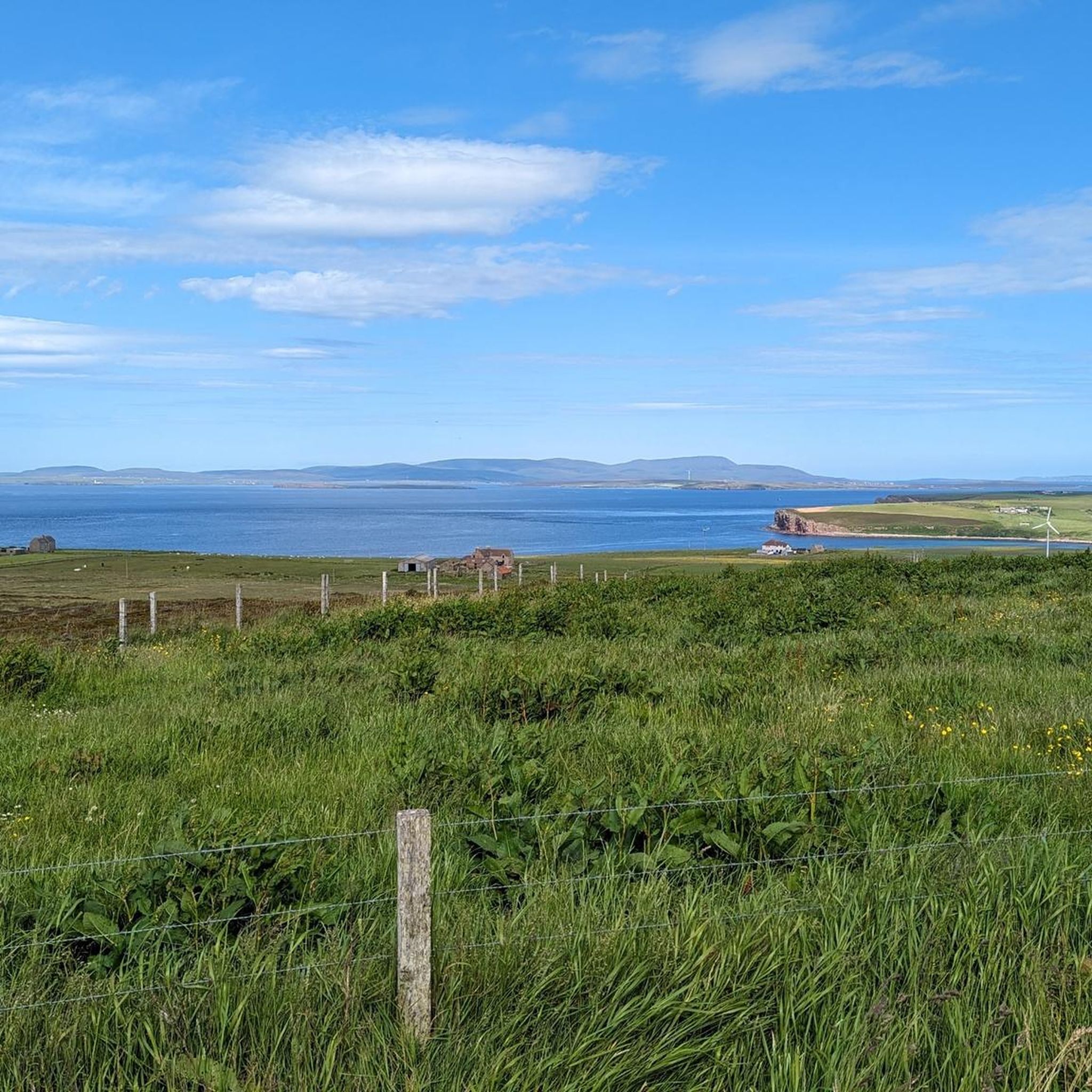
Balfour Coast Battery
Highlight • Historical Site
Tip by

The Churchill Barriers
Highlight • Cycleway
Tip by

Sign up now to discover places like this
Get recommendations on the best single tracks, peaks, & plenty of other exciting outdoor places.
Sign up for free
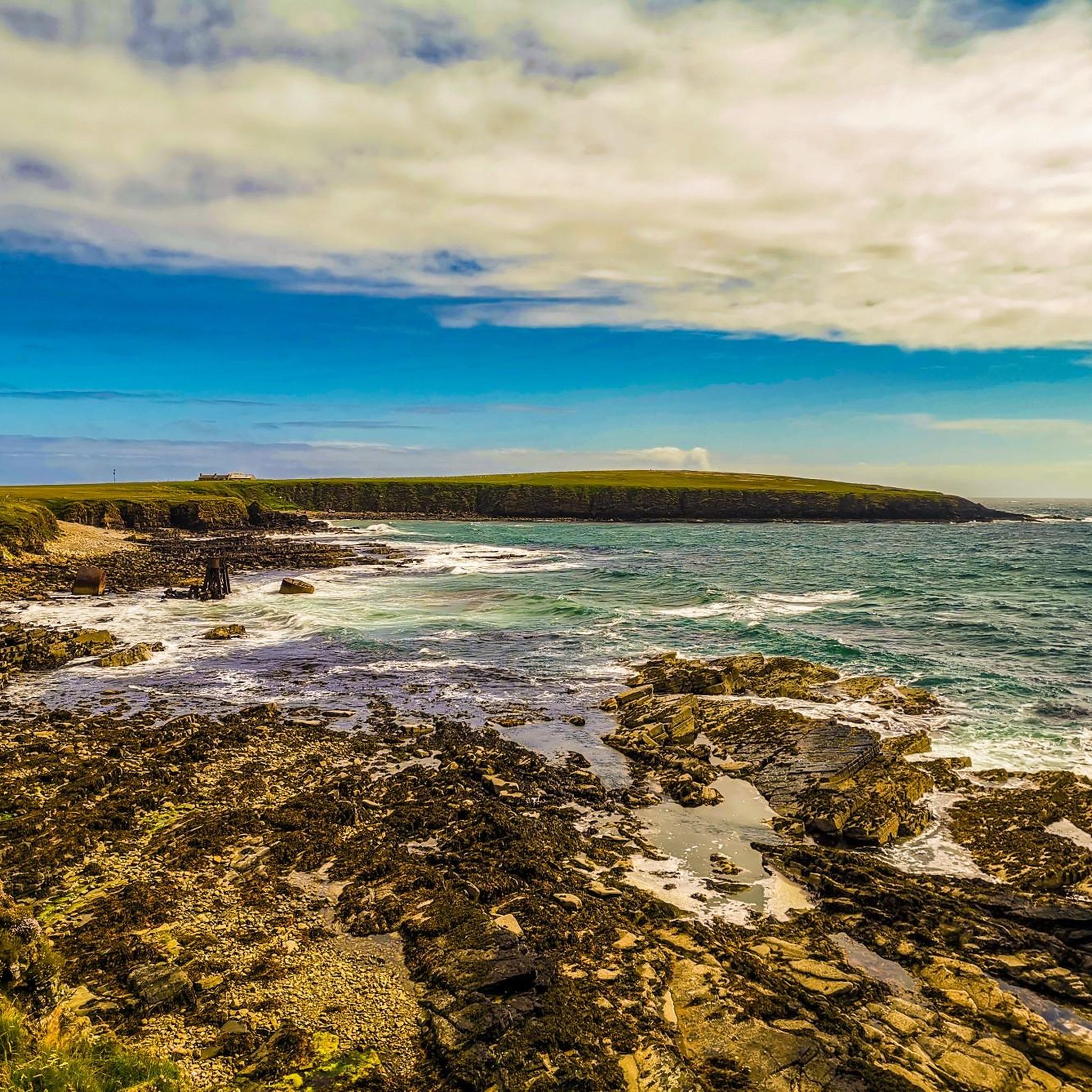
Shipwreck in Weddell Sound
Highlight • Historical Site
Translated by Google •
Tip by

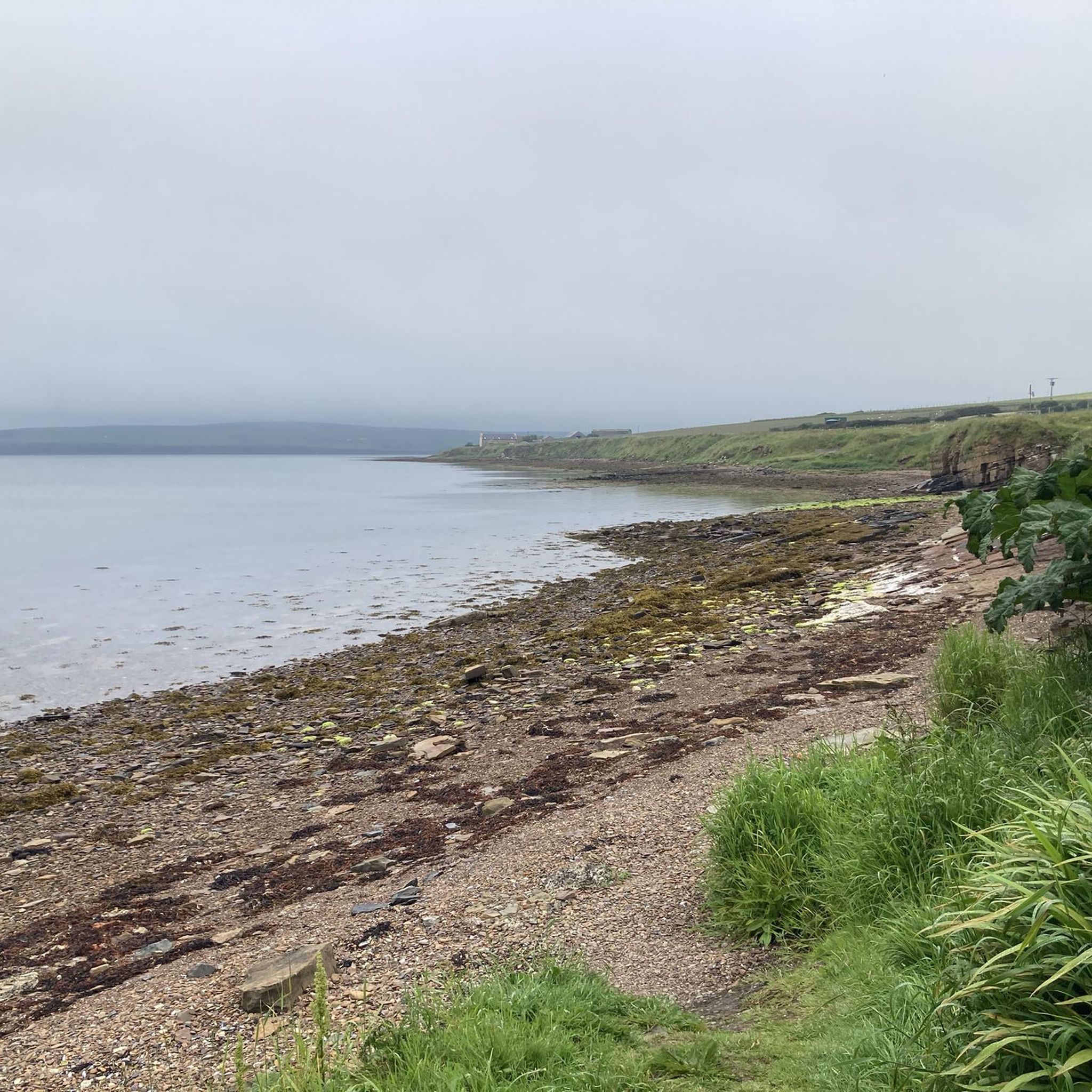
Sands of Wright Beach
Highlight • Rest Area
Every August the annual Boy's Ploughing Match is held here, where the …
Tip by
Roseness Lighthouse
Highlight • Monument
In the distance it looks …
Tip by
Sign up for free to discover even more attractions around South Ronaldsay.
Sign up for free
Already have an account?
Start today with a free account
Your next adventure awaits.
Login or Signup
Tips from the Community

It is such a nice place to visit. You can see a couple of birds and seals along the way.
0
0

In the often storm-tossed seas of the Atlantic lies the Scapa Flow off the Orkney Islands, which belong to Scotland. A very special stretch of water measuring more than 300 square kilometers, a kind of natural harbor off the two main islands of the Orkneys. But what makes it so unique is underwater. A ship graveyard that is probably one of the most spectacular diving spots in Europe, if not the world. The story of its creation tells of a forgotten chapter of the First World War. According to the town's official website, the name Scapa Flow comes from the Norse word Skalpaflói, which means “The Bay of the Long Isthmus”. Accordingly, the place was first used by the British Admiralty around 1800 as a strategic natural harbor in the Napoleonic Wars. At a depth of up to 40 meters, merchant ships were allowed to anchor here before they set off for the Baltic North Sea ports. But Scapa Flow would not finally take its place in the history books until 1919. During the First World War, the British fleet moved its base to the difficult-to-access Scapa Flow. Old defenses on land were also put back into operation at this time. After Germany had to admit its defeat in the war in 1918, the ships of the German Navy with their crew on board were held there as prisoners of war. And so on June 21, 1919, one of the greatest ship accidents in world history occurred. The word “misfortune” is misleading, because it was actually an ordered tragedy. The commander of the German navy in the Scapa Flow, Admiral Ludwig von Reuter, believed at this point that the peace negotiations with the victorious powers had failed. In order to prevent “his” ships from finally falling into the hands of the enemy, he had them sunk without further ado on his orders. That day, 52 German warships found their watery grave in the waters of Scapa Flow. To date, this is the largest sinking ever recorded.
0
0

Roseness Lighthouse (also referred to a little confusingly as Roseness Beacon) was originally built in 1905, but the original cast-iron light was replaced in 1983. In the distance it looks like a tall lighthouse at the foot of the cliffs, peaking over the top, but as you get closer, it's clear that it's just the "top" part of a lighthouse, atop the cliff.
1
0
In season, this crescent beach area is full of wildflowers. Facilities include a parking area and toilet block. Every August the annual Boy's Ploughing Match is held here, where the locals take handmade miniature wooden ploughs to the sand to test their skills.
1
0
In WW2 Balfour Battery was paired with Buchanan Battery on Flotta, to guard the boom defence across the sound to discourage attacks against vessels at anchor in Scapa Flow. A deterrent so effective they never had to be fired in anger.
3
0

The Churchill Barriers were built between Mainland & the islands of South Ronaldsay to protect the important navel harbour of Scapa Flow. Block ships were originally used and the sunken remains of some of these are still visible. Nowadays the causeway forms a great road to ride between the islands with nice views and easy access to some stunning beaches.
0
0

Beautiful hike around Hoxa Head on the trail of Scapa Flow
1
0
Frequently Asked Questions
What types of attractions can I explore in South Ronaldsay?
South Ronaldsay offers a diverse range of attractions, blending ancient history, natural beauty, and local culture. You can discover significant archaeological sites, dramatic coastal scenery, and important wartime landmarks like the Churchill Barriers, which also provide access to beautiful beaches.
Are there significant historical or archaeological sites to visit in South Ronaldsay?
Yes, South Ronaldsay is rich in history. Notable sites include the 5,000-year-old Neolithic Tomb of the Eagles, the impressive Iron Age excavation at The Cairns, and the Bronze Age Liddle Burnt Mound. You can also visit Balfour Coast Battery, a historical site that was part of Scapa Flow's WW2 defenses, offering a hike around Hoxa Head.
What natural features and viewpoints should I visit in South Ronaldsay?
For natural beauty, explore Windwick Bay and Hesta Head for spectacular cliff scenery and sea stacks. The Sands of Wright Beach is popular for its wildflowers and expansive views. For panoramic vistas, head to Olad Summit or Ward Hill, the island's highest point, which offers excellent eastern and northern views.
What cultural experiences can I find in South Ronaldsay?
The main village, St. Margaret's Hope, is a charming hub with galleries, a community garden, and various shops. You can visit the Hoxa Tapestry Gallery for local art or The Workshop & Loft Gallery, a craft cooperative. Nearby, the Orkney Fossil & Heritage Centre on Burray offers extensive collections.
Are there opportunities for outdoor activities like hiking or cycling near these attractions?
Absolutely. South Ronaldsay provides ample opportunities for outdoor activities. You can find numerous routes for cycling, including sections of the EuroVelo 12 - North Sea Cycle Route, and various hiking trails. For more details on routes, explore the Cycling around South Ronaldsay and Hiking around South Ronaldsay guides.
Where can I find good walking trails in South Ronaldsay?
South Ronaldsay offers several walking trails, including coastal paths and routes around historical military sites. Popular options include the Balfour Coast Battery loop from Hoxa and the Hoxa Head and the Sands of Wright Loop. The Old St. Mary's Kirk also features a circular walking trail with 'listening points'.
Are there family-friendly attractions in South Ronaldsay?
Yes, South Ronaldsay has several family-friendly spots. The Sands of Wright Beach is a great option, known for its annual Boy's Ploughing Match. The Churchill Barriers are also suitable for families, offering scenic drives and access to beaches.
Can I visit the Churchill Barriers, and what can I see there?
Yes, the Churchill Barriers are accessible and connect South Ronaldsay to mainland Orkney. They are a historical landmark built during WWII to protect Scapa Flow. You can drive or cycle across them, enjoy scenic views, access beautiful beaches, and even spot submerged blockships, which are popular for scuba diving and snorkeling.
Where can I see shipwrecks or learn about maritime history?
The Shipwreck in Weddell Sound is part of the famous Scapa Flow ship graveyard, one of the most spectacular diving spots. The Churchill Barriers themselves were built using blockships, some of which are still visible. The Orkney Fossil & Heritage Centre on Burray also provides information on the building of the Churchill Barriers and local heritage.
What is the best time of year to visit South Ronaldsay?
The summer months, particularly June to August, are generally considered the best time to visit South Ronaldsay. The weather is milder, wildflowers are in bloom, and archaeological sites like The Cairns often have archaeologists on-site welcoming visitors. The annual Boy's Ploughing Match at Sands of Wright also takes place in August.
Are there dog-friendly places or restrictions on beaches in South Ronaldsay?
Many outdoor areas in South Ronaldsay are dog-friendly, including coastal paths and beaches. However, it's always advisable to keep dogs under control, especially near wildlife or livestock, and to check for specific local signage regarding restrictions on certain beaches or protected areas during nesting seasons.
What do visitors particularly enjoy about the attractions in South Ronaldsay?
Visitors appreciate the blend of history and natural beauty. The Sands of Wright Beach is loved for its wildflowers and unique local events. The Balfour Coast Battery offers a beautiful hike with historical significance, and the Churchill Barriers are valued for their historical context, scenic views, and access to stunning beaches.
Most popular attractions around South Ronaldsay

Get inspired with the komoot mobile app


Explore more
Still not found the Highlight you’re looking for? See guides of the top attractions in other regions:
