The best walks and hikes around Gillingham
4.6
(391)
2,295
hikers
203
hikes
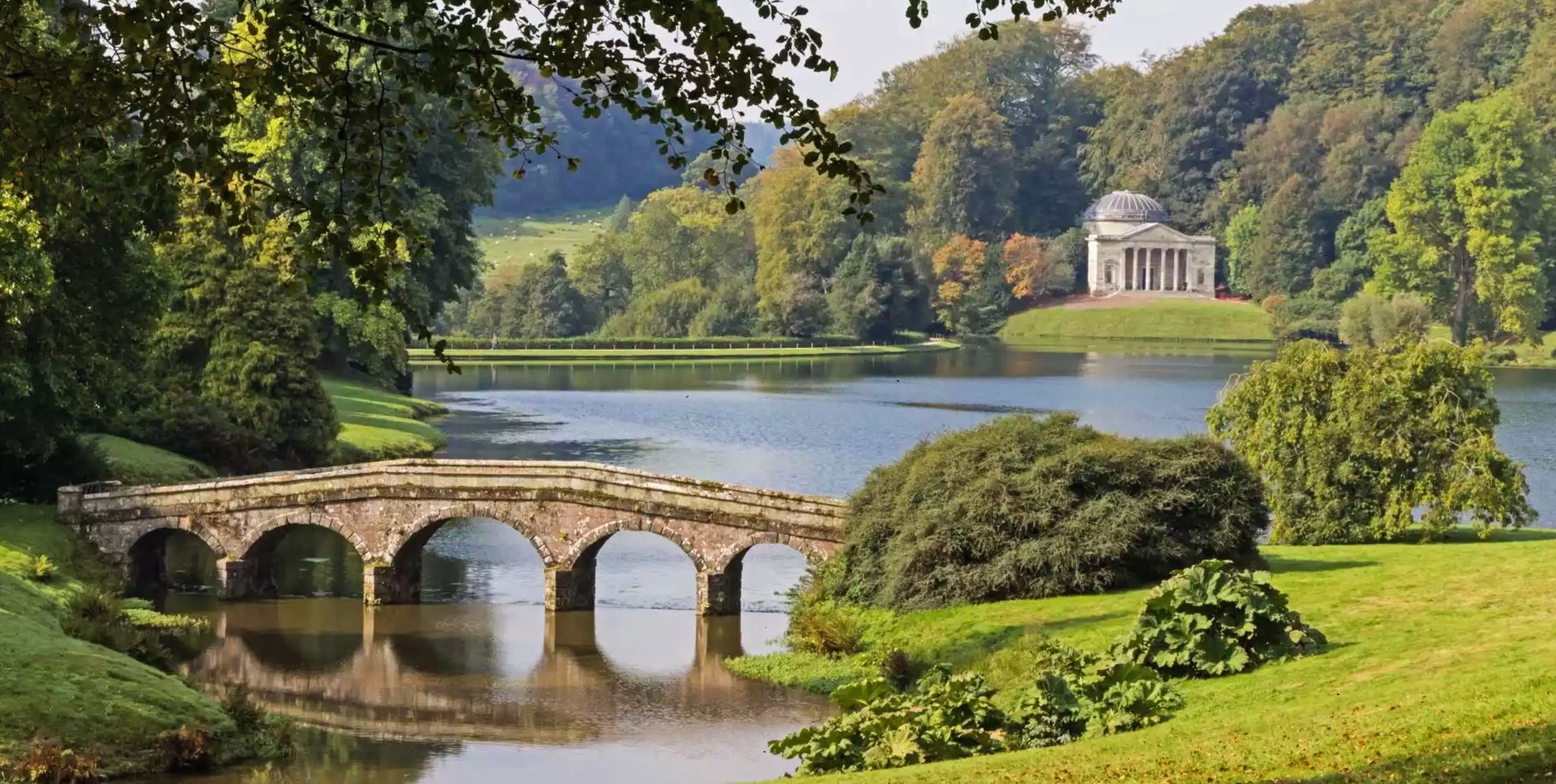
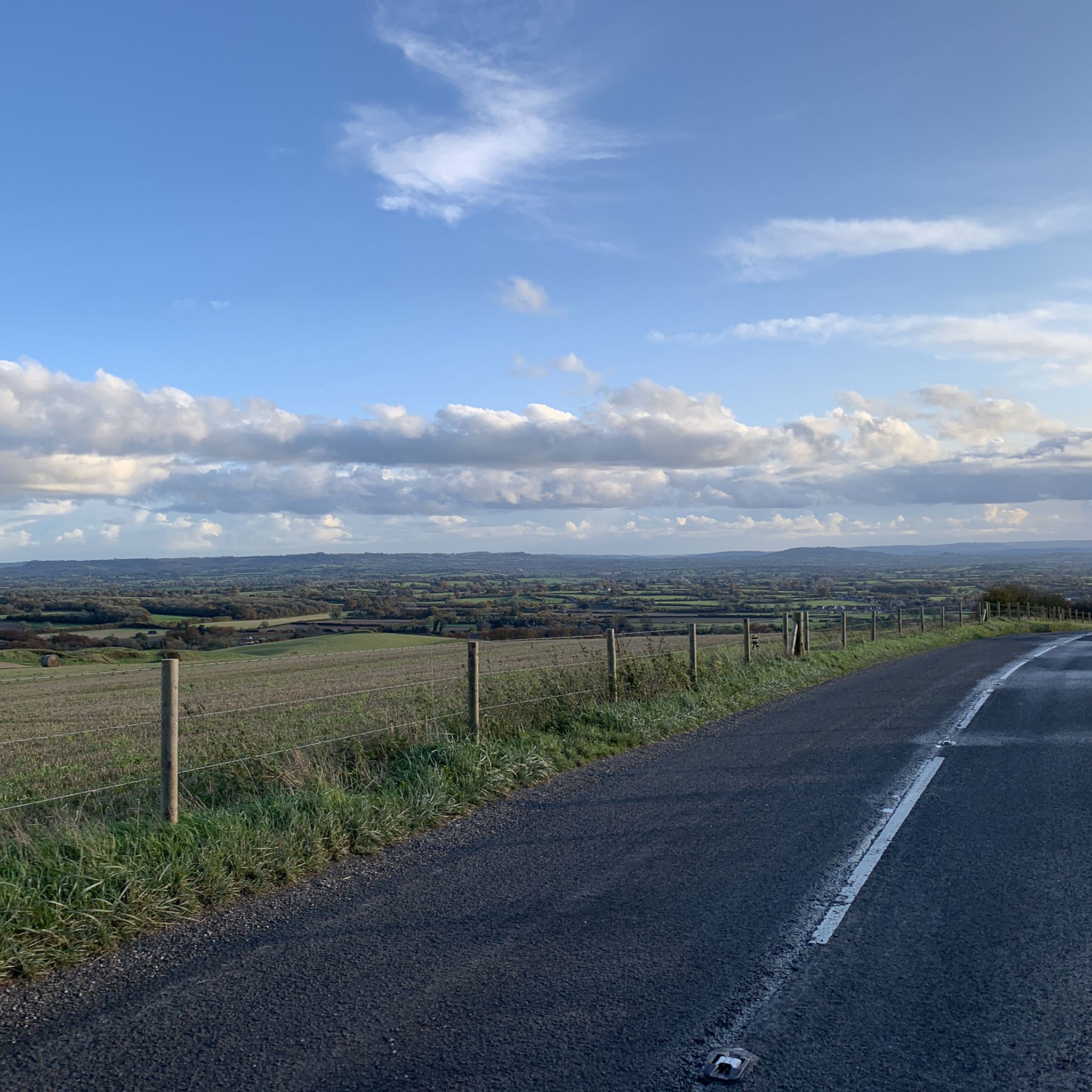
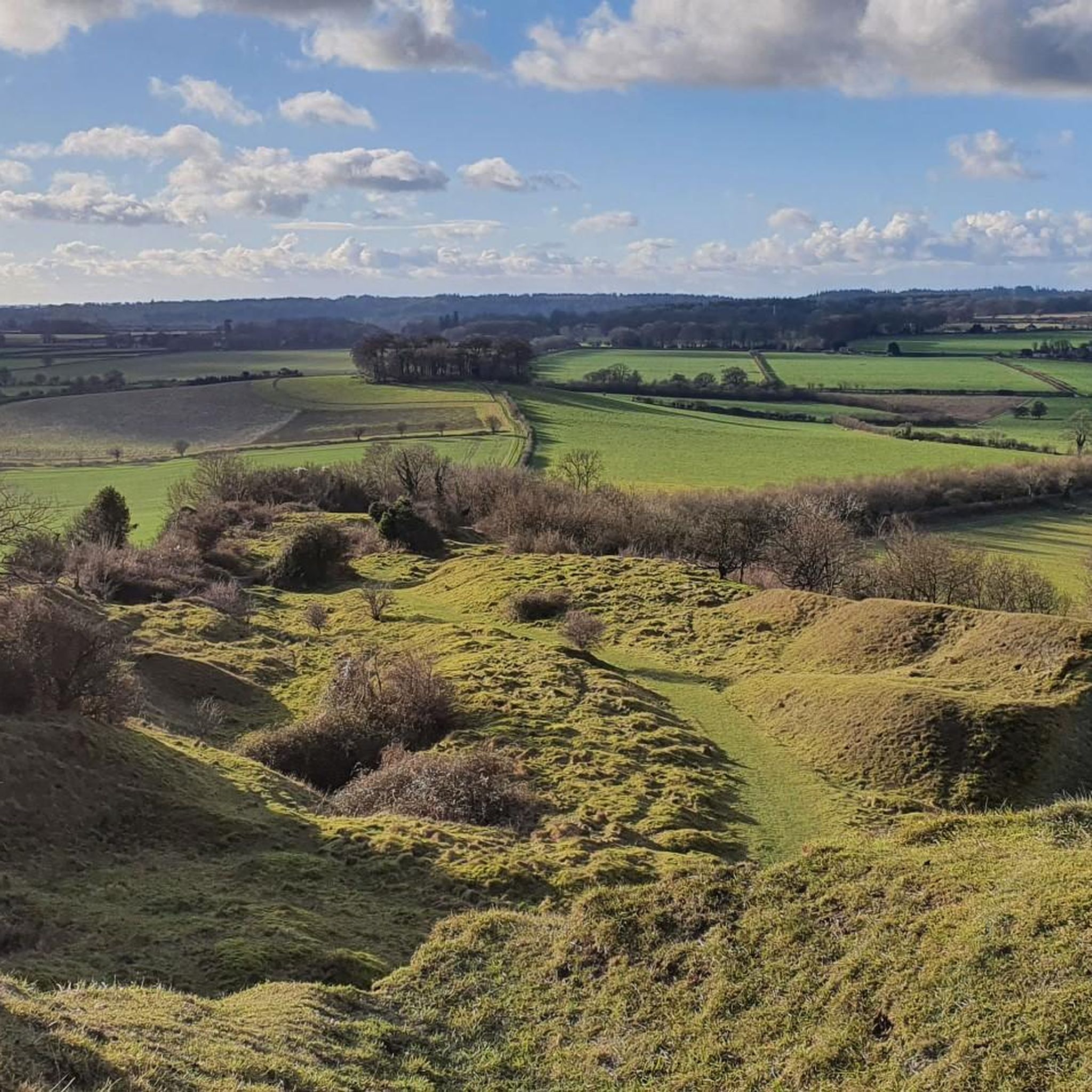
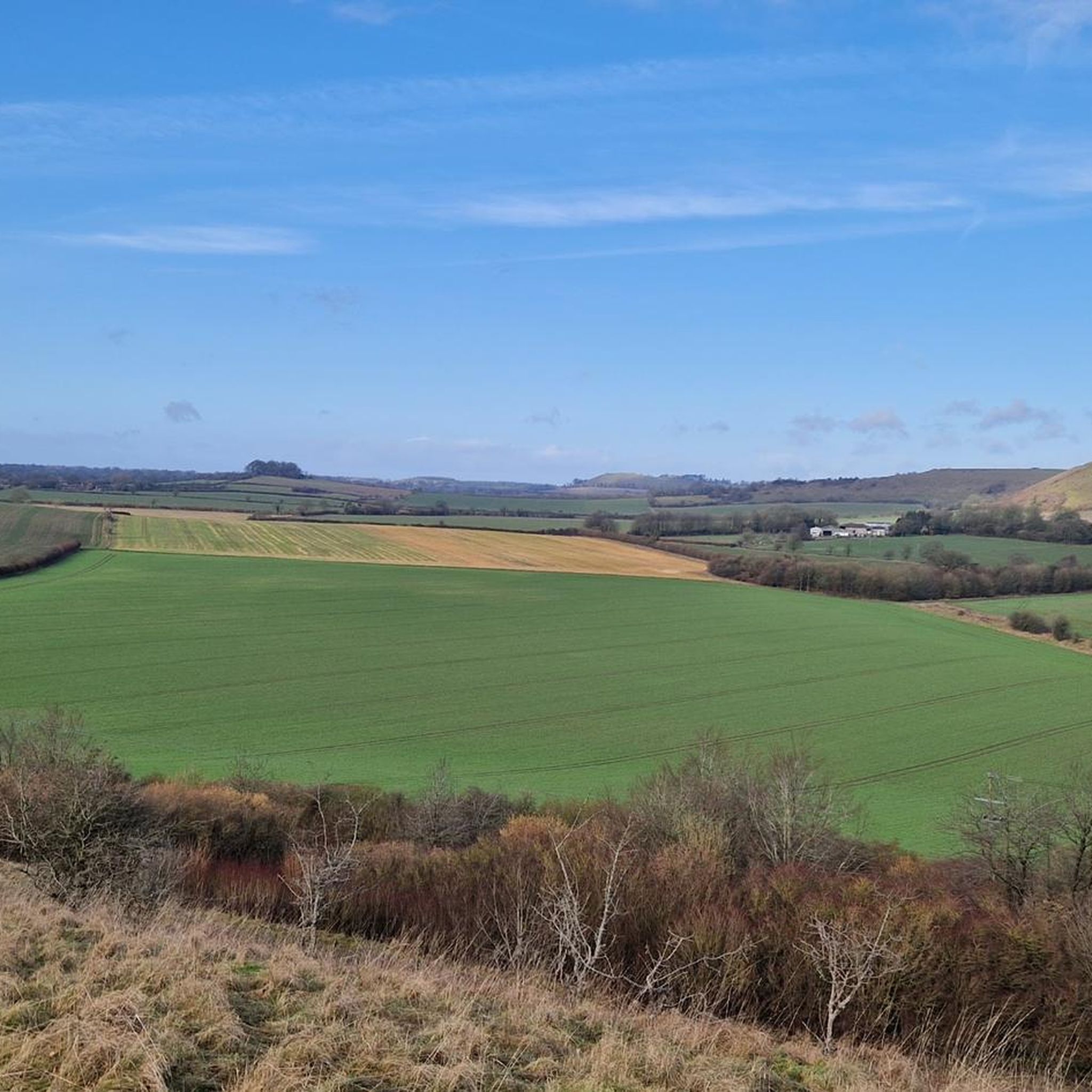
Hikes around Gillingham explore the countryside of North Dorset, situated within the Blackmore Vale and near the Cranborne Chase and West Wiltshire Downs Area of Outstanding Natural Beauty. The landscape is defined by rolling hills, woodlands, and open farmland. The trails in the area provide access to notable viewpoints and historical sites, including the ancient hillfort on White Sheet Hill.
Best hiking trails around Gillingham
- The most popular hiking route is White Sheet Hill – White Sheet Hill loop from…
Last updated: October 12, 2026
4.3
(8)
33
hikers
Moderate hike. Good fitness required. Easily-accessible paths. Suitable for all skill levels.
5.0
(2)
26
hikers
5.25km
01:33
150m
150m
Easy hike. Great for any fitness level. Easily-accessible paths. Suitable for all skill levels.

5.0
(1)
18
hikers
5.32km
01:37
170m
170m
Easy hike. Great for any fitness level. Easily-accessible paths. Suitable for all skill levels.
4.5
(4)
30
hikers
7.46km
02:05
150m
150m
Moderate hike. Good fitness required. Easily-accessible paths. Suitable for all skill levels.
5.0
(3)
6
hikers
5.48km
01:24
20m
20m
Easy hike. Great for any fitness level. Easily-accessible paths. Suitable for all skill levels.
Get access to more routes and recommendations from other explorers.
Already have an account?
Our route recommendations are based on thousands of hikes, rides, and runs completed by other people on komoot.
Start today with a free account
Your next adventure awaits.

Other adventures around Gillingham

Tips from the Community

The town hall was the headquarters of Shaftesbury Borough Council for much of the 20th century but ceased to be local seat of government when the enlarged North Dorset District Council was formed in 1974. It then became the home of Shaftesbury Town Council.
1
0

The Blue Coat School in Shaftesbury, also known as William Lush's Blue Coat School, was a significant charitable institution in the town's history. It was one of many "blue coat" charity schools established throughout England to provide education and a better future for poor children. The school was founded through the will of William Lush in 1718. Its purpose was to provide free education, clothing, and apprenticeships to poor boys. The school's original location was in Bell Street, Shaftesbury. A blue plaque now commemorates the site, which is currently known as "The Retreat" at 47 Bell Street. The name "Blue Coat" came from the uniform of blue coats that the students wore, symbolizing their status as recipients of the charity. The school was one of the few places offering free education in Shaftesbury at the time, particularly after a "Free School" on Bimport closed.
0
0
St Peter's Church is the oldest church in Shaftesbury, located at the top of the famous Gold Hill, right next to the ruins of Shaftesbury Abbey. It is a key historic building and a prominent part of the town's landscape. St Peter's Church was originally built in the 14th century to serve pilgrims visiting the nearby Shaftesbury Abbey. Due to economic hardships, such as the Black Death, its construction was prolonged, resulting in a mix of architectural styles, including Decorated and Perpendicular Gothic. The lower part of the tower is the oldest section of the current building. The nave and its arcades are from the 14th century, while the clerestory and the panelled oak roofs were added in the 15th and 16th centuries. The church also features a crypt under its south aisle. Decline and Restoration: By the late 19th century, St Peter's fell into disuse and disrepair. It was even used as a grain store during World War II. In 1971, it was officially declared redundant. However, a major restoration effort was launched by local groups, and in 1977, it was rededicated and became the parish church of Shaftesbury once again. It was the first church in the country to be re-established as a full-time parish church after being declared redundant.
0
0
Holy Trinity Church in Shaftesbury is a Grade II listed building with a rich history, but it is no longer a consecrated place of worship. Today, it is known as the Trinity Centre, a vibrant community hub. The current building, designed in the Early English Gothic Revival style by the famous architect Sir George Gilbert Scott, was largely built between 1841 and 1842 on the site of an even older medieval church. The new building featured a 100-foot-tall western tower and a chancel that was added in 1908. It was the principal Anglican parish church in Shaftesbury for over a century, even as the nearby St Peter's Church fell into disuse. However, with declining congregation numbers, Holy Trinity was made redundant as a parish church in 1977. Its congregation was transferred back to the newly restored St Peter's Church, and the Holy Trinity building was sold. I find it weird how a church can be sold off to become a selection of business's, while still keeping its graveyard.
0
0
By the time of the Dissolution of the Monasteries under King Henry VIII in 1539, Shaftesbury Abbey was the second wealthiest nunnery in the country. It was the last abbey to be dissolved, and its buildings were systematically destroyed, with locals taking the stone for their own buildings. The ruins we see today are the excavated foundations of the church and other parts of the abbey complex. The current Town Hall was commissioned by Earl Grosvenor and was built in the Neoclassical style between 1826 and 1837. It is a Grade II listed building, recognized for its architectural and historical significance. I came on a thursday and it was a market day. It's wonderful to see these beautiful rural places having such attractive markets.
1
0
Once one of the most important and wealthiest nunneries in England. The abbey's ruins, consisting mainly of its foundations and remnants of walls, are located in a peaceful walled garden next to the famous Gold Hill. Shaftesbury Abbey was founded by King Alfred the Great in 888 AD. It was the first religious house in England established exclusively for women, and Alfred's daughter, Æthelgifu, was its first abbess. The abbey grew in wealth and importance, particularly after it became the burial site and shrine of St Edward the Martyr, a Saxon king who was murdered at Corfe Castle in 978 AD. His shrine attracted a large number of pilgrims, which brought significant income to the abbey. By the time of the Dissolution of the Monasteries under King Henry VIII in 1539, Shaftesbury Abbey was the second wealthiest nunnery in the country. It was the last abbey to be dissolved, and its buildings were systematically destroyed, with locals taking the stone for their own buildings. The ruins we see today are the excavated foundations of the church and other parts of the abbey complex. Entry is free, and the lovely volunteers are happy to offer a little tour with some details on the Abbey. It must have looked mightily impressive in its day.
0
0
I'll say this for the car park. Must have been designed pre 4x4 days. Wowser it was tight in there.
0
0

Just a normal, paid parking lot 🤷
0
0
Frequently Asked Questions
Are there many circular walks available around Gillingham?
Yes, many of the best routes in the area are loops, meaning you can start and end in the same place without retracing your steps. A great example of a shorter circular walk is the Duncliffe Hill loop from Stour Row, which takes you through beautiful woodland scenery.
Can I bring my dog on the hiking trails?
Most trails in the countryside around Gillingham are suitable for dogs, but you should be prepared to keep them on a lead, especially when crossing farmland with livestock. The open spaces and woodland paths, such as those found on the View of Mere loop from Mere, are great for walking with a canine companion.
Are there any easy, family-friendly walks near Gillingham?
Absolutely. The area offers numerous trails suitable for all ages. For a manageable and rewarding family outing, consider the Duncliffe Wood Car Park – Duncliffe Trig Point loop from Stour Provost. It's a relatively short walk of about 5.2 km through ancient woodland, which is often a hit with younger walkers.
What is the hiking terrain like around Gillingham?
The landscape is classic North Dorset countryside. Expect to find rolling chalk hills, ancient woodlands, and well-trodden paths through open fields and the Blackmore Vale. Many trails lead to excellent viewpoints, such as the one on the White Sheet Hill – White Sheet Hill loop from Mere, which offers panoramic views over the surrounding area.
How many hiking trails are there to choose from near Gillingham?
There are over 200 hiking routes to explore around Gillingham on komoot. They range from short, easy strolls to more challenging moderate hikes, with about half the trails falling into the easy category, making it a very accessible region for walking.
What do other hikers think of the trails in this area?
The hiking routes around Gillingham are highly regarded by the komoot community, with an average rating of 4.6 out of 5 stars. Hikers often praise the mix of beautiful scenery, from the historic streets of Shaftesbury on the Gold Hill – St Peter's Church, Shaftesbury loop from Motcombe to the peaceful ancient woodlands.
Are there any long-distance footpaths accessible from Gillingham?
Yes, the Gillingham area provides access to parts of the Cranborne Chase and West Wiltshire Downs Area of Outstanding Natural Beauty, which contains an extensive network of footpaths and bridleways. You can plan longer day hikes by linking up various local trails to explore the wider region.
What should I pack for a day hike in the Gillingham area?
For a day hike, you should always bring water, snacks, and a fully charged phone. Given the rolling hills and sometimes muddy paths through fields, sturdy walking shoes or boots are essential. The weather can change quickly, so a waterproof jacket is always a good idea, even on a sunny day.
Can I access hiking trails using public transport?
While many trailheads are best reached by car, Gillingham's train station provides a good starting point. From there, you can use local bus services to get closer to towns like Shaftesbury or Mere, which serve as gateways to many popular walking routes. Always check local bus timetables in advance as services can be infrequent.
Are there any good pub walks in the area?
Many villages around Gillingham, such as Mere, Motcombe, and Stour Provost, have traditional pubs that make excellent starting or ending points for a walk. You can plan a route that begins at a village pub, explores the surrounding countryside, and finishes back at the pub for a well-earned meal or drink.
Most popular routes around Gillingham
Most popular attractions around Gillingham

Get inspired with the komoot mobile app


Explore more
Browse the best Hikes in other regions.
