Attractions and Places To See around Lympstone - Top 20
Best attractions and places to see around Lympstone, a village in East Devon, are centered on its location along the Exe Estuary. This area offers a blend of historical landmarks, natural beauty, and cultural experiences. Visitors can explore a vast tidal area renowned for its birdlife, scenic walking and cycling routes, and various historical sites. The region provides diverse opportunities for outdoor activities and cultural discovery.
Best attractions and places to see around Lympstone
- The most popular attractions is Exe Estuary Trail, a trail that offers a 22.5-mile (36-km) predominantly off-road, flat path around the entire estuary. This route provides fantastic views and opportunities to spot diverse wildlife like birds, fish, and seals.
- Another must-see spot is Otter Estuary Nature Reserve, a natural monument known for its marshes. This area is a significant location for birdwatching, supporting a large population of wintering wildfowl and waders.
- Visitors also love Exe Estuary Trail boardwalk, a cycle_way that forms part of the wider Exe Estuary Trail. It offers spectacular views of the Estuary from a well-surfaced path suitable for cycling and walking.
- Lympstone is known for its historical sites, natural features, and scenic trails. The area offers a variety of attractions to see and explore, from ancient landmarks to extensive nature reserves.
- The attractions around Lympstone are appreciated by the komoot community, with over 220 upvotes and 14 photos shared by visitors.
Last updated: October 11, 2026
Exeter Ship Canal
Highlight (Segment) • Cycleway
It was first constructed in the 1560s and was the first canal to be built in Britain since Roman times. It was also the first canal in England to use the pound lock. The canal was built to bypass the weirs that had been erected on the river by the Countess of Devon and later by the Earls of Devon, which prevented ships from reaching Exeter and forced them to unload at Topsham.
The canal was enlarged and extended several times over the centuries and reached its present form in the 1830s. The canal basin was also built at that time and became a busy port with warehouses and workshops.
Today, the canal is mainly used for leisure activities such as boating, walking and cycling. You can follow the Exe Estuary Trail alongside the canal and enjoy the scenic views of the river and the countryside.
Tip by

Exe Estuary Trail
Highlight • Trail
Well surfaced and ideal for any type of bike as well as walkers and runners. Be mindful of other users, especially when it's busier at the weekends and holidays.
Tip by

Sign up now to discover places like this
Get recommendations on the best single tracks, peaks, & plenty of other exciting outdoor places.
Countess Wear Bridges
Highlight • Bridge
Tip by
Exe Estuary Trail boardwalk
Highlight • Cycleway
Tip by
Otter Estuary Nature Reserve
Highlight (Segment) • Natural Monument
Tip by

Sign up for free to discover even more attractions around Lympstone.
Already have an account?
Start today with a free account
Your next adventure awaits.
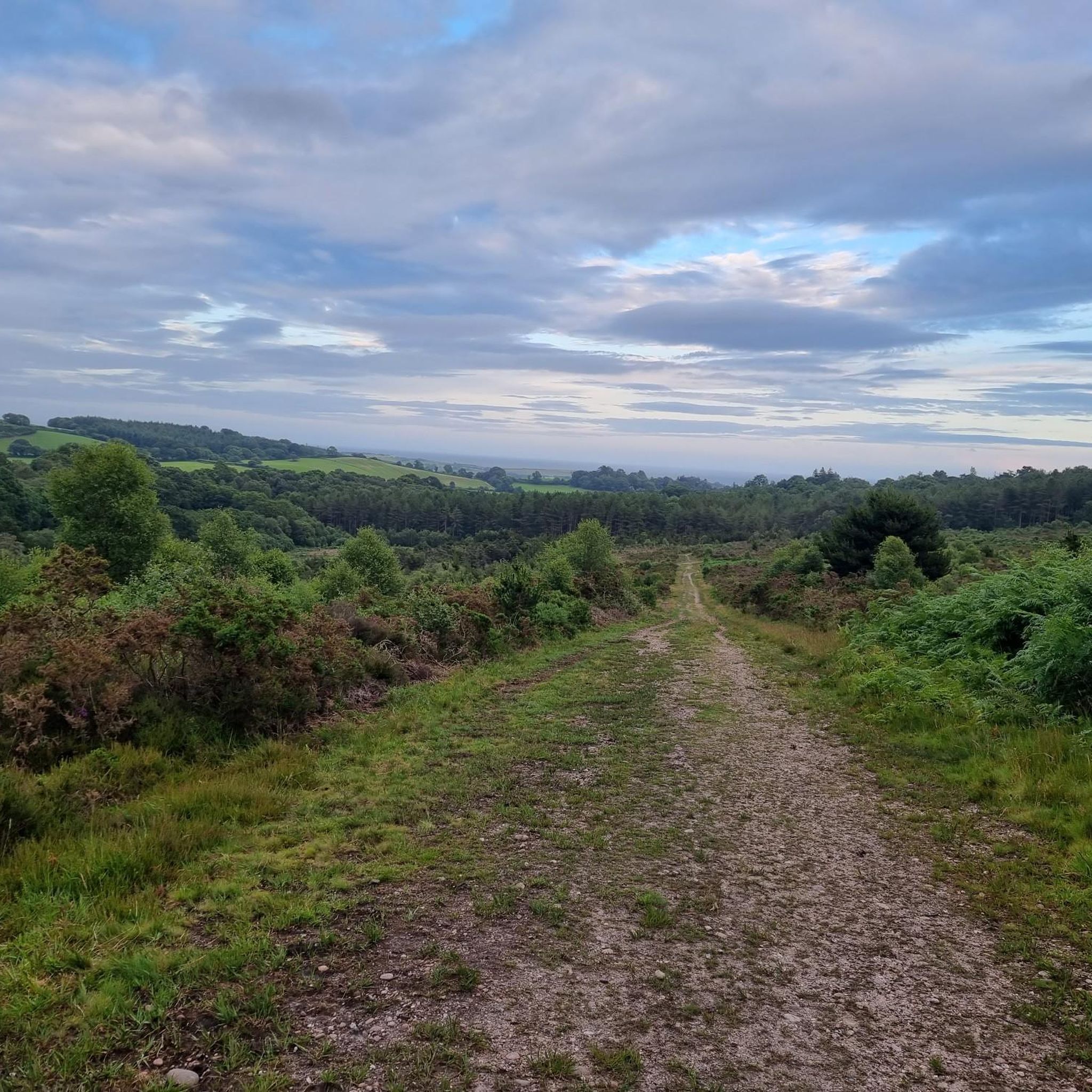
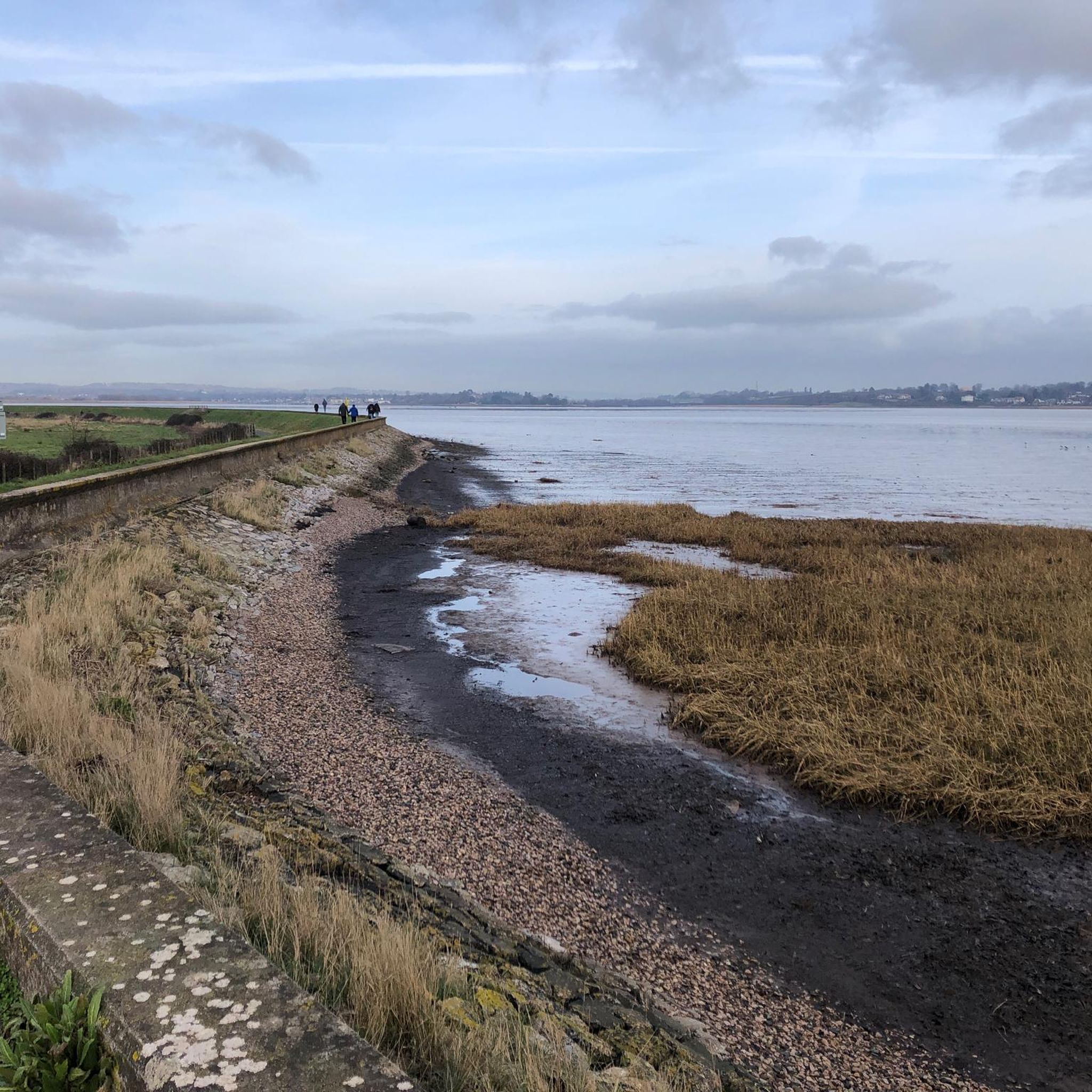
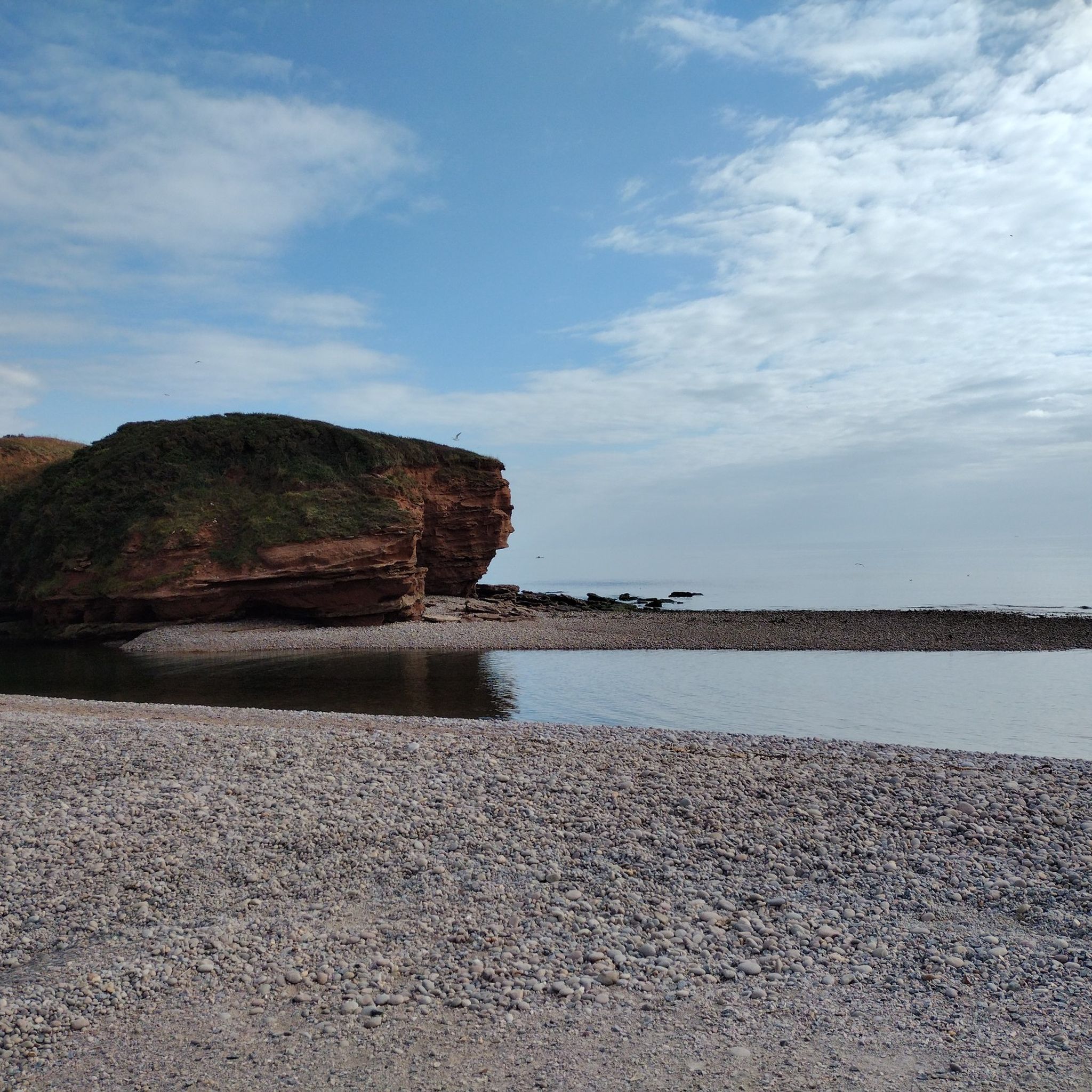

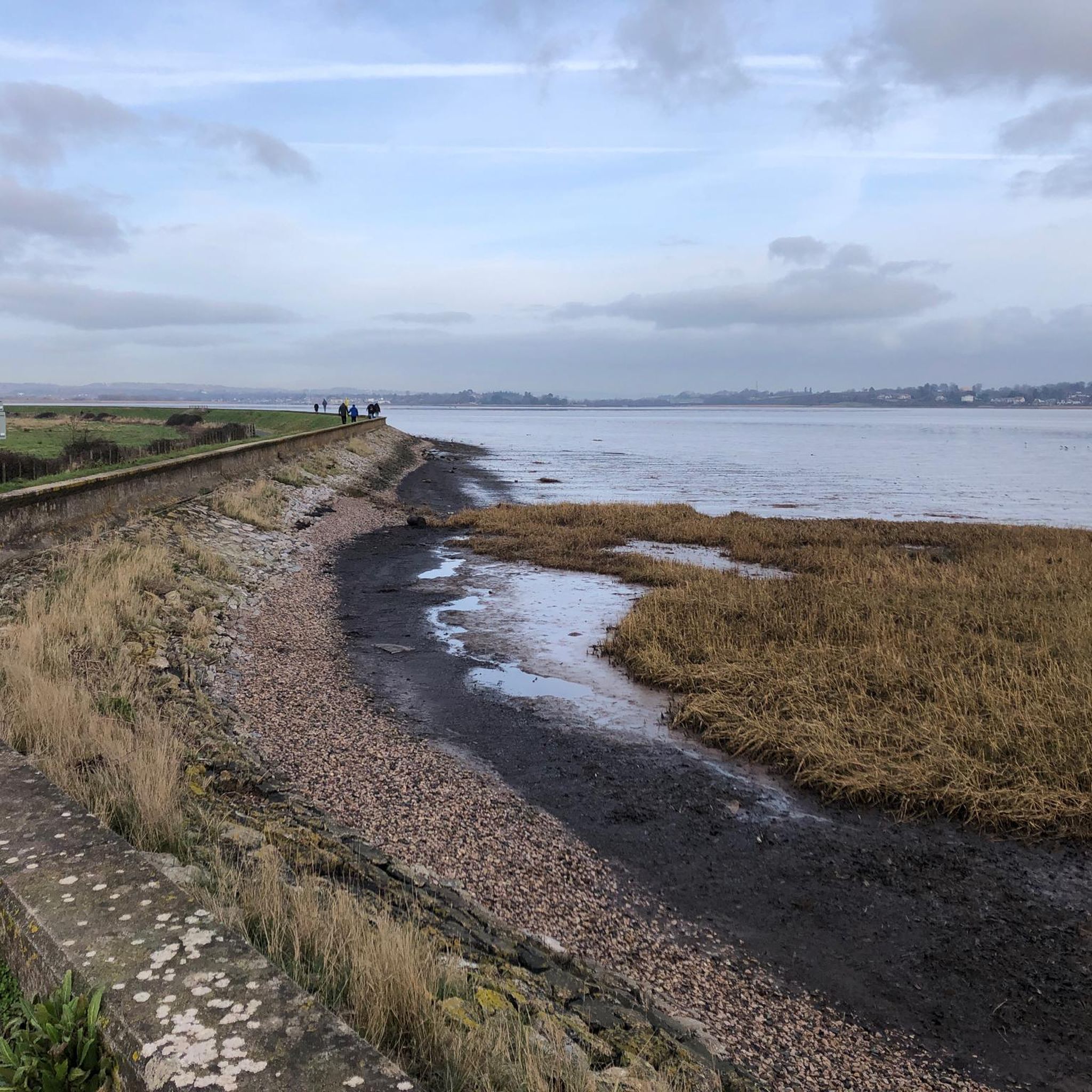
Tips from the Community

Interesting bridge construction, but the change of cycle path sides is a bit confusing.
0
0
Varied cycle path between Exeter and Exmouth!
0
0

Look out for an entrance onto a footpath on your right, which follows beside the railway tracks on your left, and the exe estuary on your right. The path is too narrow for cycling but great for walking and running.
1
0

Beautiful walk and perfect opportunity to see wildlife
0
0

With over 120 species of bird recorded on the site, the River Otter Estuary Nature Reserve is the perfect place for bird watching. The estuary covers around 33 hectares and is a designated site of Special Scientific Interest. The Otter Estuary has an intertidal habitat of mudflats and saltmarshes, making it an ideal home for a number of fish, birds and other marine life. If you have a keen eye, you can often spot things such as mud shrimps and a host of wading birds like the Ringed Plover, Curlew, Black tailed Godwit, Dunlin, Common Sandpiper, Redshank and Brent Goose. Occasionally, you’ll find rarer birds including avocet and glossy ibis. Whatever time of year you visit, you’ll spot something new depending on the birds migratory habits, so every trip is a unique experience. As well as birds, the estuary is a great place for spotting otters and is home to England’s first population of native wild beavers. Around ten years ago, beavers reappeared on the River Otter and now there is a happy and healthy colony of beavers living at the estuary. While visiting, be sure to follow these guidelines: Be considerate of other users, make way when paths are narrow and be quiet and respectful when exploring Take all your litter with you Do not approach any wildlife Keep dogs under control, especially around other people and wildlife Always bag and bin dog waste Cycling is not permitted Watersports are only for the beach, not the estuary to protect wildlife, so please launch any boards or paddles from the beach. Only use the designated areas for BBQs and picnics
2
0

This swing bridge is an interesting construction.
0
0

Nice flat cycle path. But gets VERY busy with 2 wheeled, 2 legged and 4 legged visitors in the summer months. Watch how you go.
0
0
Nice flat cycle path. But gets VERY busy with 2 wheeled, 2 legged and 4 legged visitors in the summer months. Watch how you go.
1
1
Frequently Asked Questions
What are the best natural features to explore around Lympstone?
Lympstone is ideally situated on the Exe Estuary, a vast tidal area renowned for its birdlife and designated an Area of Outstanding Natural Beauty. You can explore the estuary by kayaking, sailing, or paddleboarding. The Otter Estuary Nature Reserve is a brilliant place for birdwatching, especially for wintering wildfowl and waders. For panoramic views, consider a walk inland to Lympstone Common or visit The Lookout, a wildlife-friendly garden open by appointment during summer and autumn, offering stunning estuary vistas.
Are there good walking and cycling routes near Lympstone?
Absolutely. The Exe Estuary Trail is a highlight, offering a 22.5-mile (36-km) predominantly off-road, flat path around the entire estuary, perfect for both walking and cycling. The Exe Estuary Trail boardwalk provides spectacular views and is well-surfaced. For more specific routes, you can find various running, road cycling, and mountain biking trails in the area. For example, there are moderate running routes like the 'View over the Exe Estuary – Exe Estuary Trail loop from Lympstone Village' or easy road cycling routes such as the 'Exmouth Beach – Exmouth Seafront loop from Lympstone Village'. You can explore more options on the running trails guide, road cycling routes guide, and MTB trails guide.
What historical sites can I visit in and around Lympstone?
Lympstone boasts a rich history. Peter's Tower, an Italianate brick clock tower from 1885, is a distinctive landmark on the foreshore. The Church of the Nativity of the Blessed Virgin Mary retains its 600-year-old medieval tower. The village itself has around ninety-three listed buildings, showcasing diverse architectural history. Further afield, the Exeter Ship Canal, first built in the 1560s, is a significant historical site. The Countess Wear Bridges also have a unique D-Day connection, having been used for military training prior to the Normandy landings.
Are there family-friendly attractions in Lympstone?
Yes, Lympstone offers several family-friendly options. The Exe Estuary Trail and its boardwalk section are ideal for family walks and bike rides, being mostly flat and off-road. The Otter Estuary Nature Reserve is great for birdwatching, and nearby Exmouth Beach, just 2.42 miles away, offers two miles of golden sand and fascinating rock pools for children to explore.
What is the best time of year to visit Lympstone?
Lympstone offers attractions year-round. For migratory waterbirds on the Exe Estuary, winter is a prime time. The annual Furry Dance, a traditional community event, takes place on the first Saturday of August. The Lookout garden is open by appointment during summer and autumn. The Exe Estuary Trail is enjoyable in all seasons, though it can be busier on weekends and holidays.
What cultural events or local traditions are unique to Lympstone?
Lympstone is known for its annual Furry Dance, held on the first Saturday of August. This traditional event sees villagers in fancy dress, accompanied by a brass band, processing through the village, attracting many visitors and showcasing strong community spirit. The village also has a vibrant arts scene, with exhibitions displaying local talent throughout the year, including the Seaglass Gallery which showcases local artists' work.
Are there any accessible routes or attractions for visitors with mobility needs?
Yes, the Exe Estuary Trail boardwalk is specifically noted as wheelchair accessible. The wider Exe Estuary Trail is predominantly off-road and flat, making many sections suitable for those seeking easier terrain for walking or cycling.
Where can I find good viewpoints of the Exe Estuary?
The Exe Estuary Trail and its boardwalk section offer fantastic views along the River Exe. A walk inland to Lympstone Common also provides spectacular views over the estuary. Additionally, The Lookout garden, when open, is designed with numerous spots to enjoy the estuary views and birdlife.
What do visitors enjoy most about the attractions around Lympstone?
Visitors particularly enjoy the well-surfaced, traffic-free paths of the Exe Estuary Trail, which is ideal for all types of bikes, walkers, and runners. The scenic views along the river and countryside are highly appreciated, as are the opportunities to spot diverse wildlife like birds, fish, and seals. The historical aspects of sites like the Exeter Ship Canal and the D-Day connection of the Countess Wear Bridges also add to the visitor experience.
Are there any unique architectural landmarks in Lympstone?
Beyond Peter's Tower and the medieval tower of the Church of the Nativity, Lympstone village itself is rich in architectural history. It boasts around ninety-three listed buildings, many along its winding main road. Harefield Cottages, built in 1883, are brick terraces overlooking the estuary, originally for local fishermen, and contribute significantly to the village's historic charm.
What are some nearby attractions easily accessible from Lympstone?
Several notable attractions are just a short distance from Lympstone. A La Ronde, a unique 16-sided 18th-century house and National Trust property, is located nearby. Exmouth Beach, with its golden sands and rock pools, is only 2.42 miles away. Further afield, Powderham Castle, one of England's oldest family homes, is situated just outside Exeter beside the Exe Estuary.
Most popular routes around Lympstone
Most popular attractions around Lympstone

Get inspired with the komoot mobile app


Explore more
Still not found the Highlight you’re looking for? See guides of the top attractions in other regions:
