Attractions and Places To See around Whitehill - Top 20
Best attractions and places to see around Whitehill, located in the East Hampshire district of Hampshire, England, offers a blend of natural beauty and historical intrigue. The area is known for its "Green Town" initiative, emphasizing its natural landscapes and commitment to green spaces. Visitors can explore expansive heathland, woodlands, and local nature reserves, alongside historical sites. This region provides opportunities for outdoor recreation and cultural discovery.
Best attractions and places to see around Whitehill
- The most popular attractions is…
Last updated: October 9, 2026
The Sailor's Stone
Highlight • Historical Site
Tip by

Celtic Cross on Gibbet Hill
Highlight • Monument
Three thieves were executed and their bodies hung on the hill as a …
Tip by

Sign up now to discover places like this
Get recommendations on the best single tracks, peaks, & plenty of other exciting outdoor places.
Devil's Punch Bowl Picnic Site
Highlight • Viewpoint
Tip by

Liss Village Centre
Highlight • Settlement
While the area has been inhabited since the Neolithic era …
Tip by
All Saints Church, South Downs
Highlight • Religious Site
Translated by Google •
Tip by

Sign up for free to discover even more attractions around Whitehill.
Already have an account?
Start today with a free account
Your next adventure awaits.
Tips from the Community

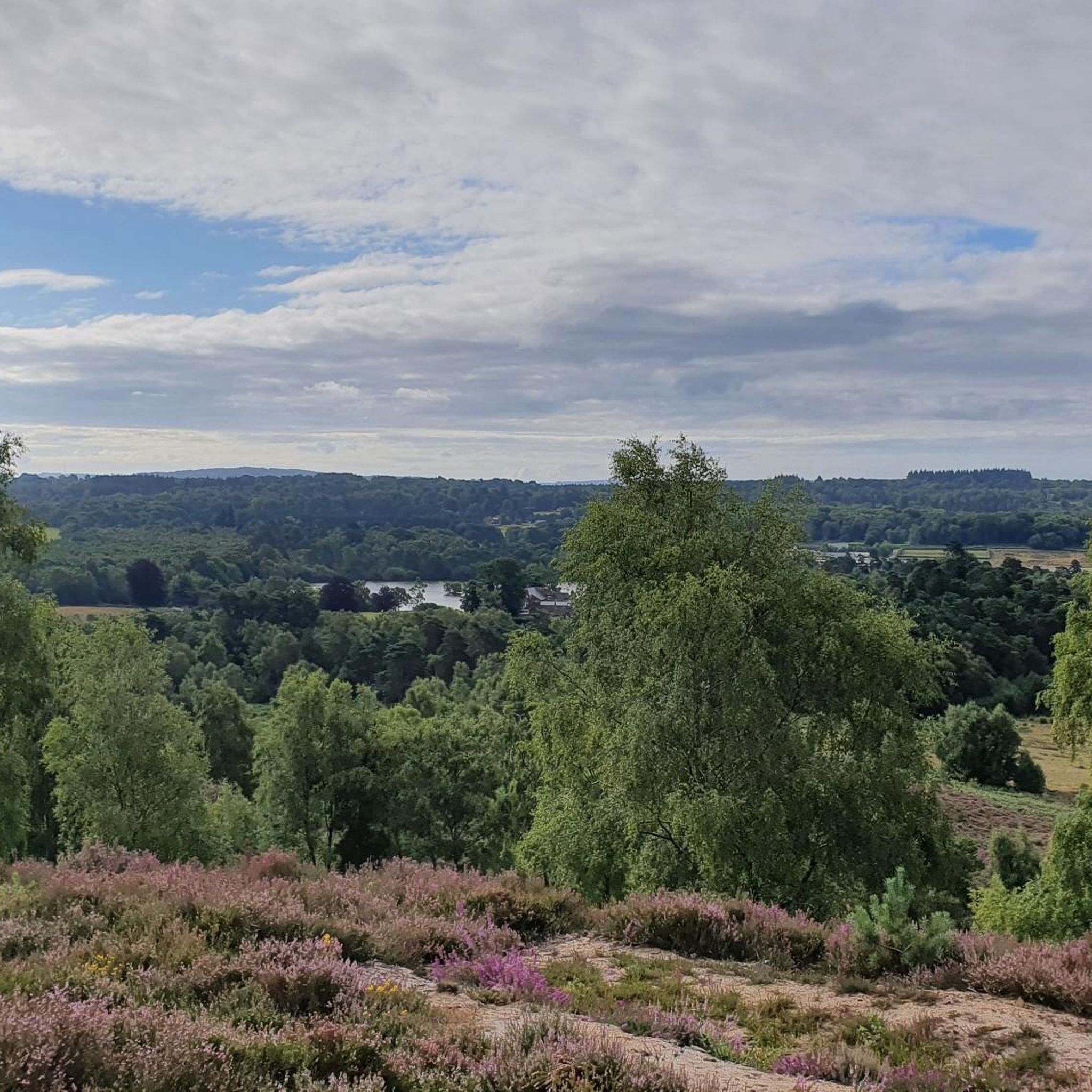
The picnic area at the Devil's Punch Bowl provides an ideal outdoor setting to relax and dine before or after exploring the Surrey Hills. Located right next to the main Devil's Punchbowl Car Park, this family-friendly zone serves as the central hub for visitors preparing to take on the nearby walking trails. The area is beautifully integrated into the surrounding landscape, featuring open, grassy spots sheltered by mature trees.
0
0
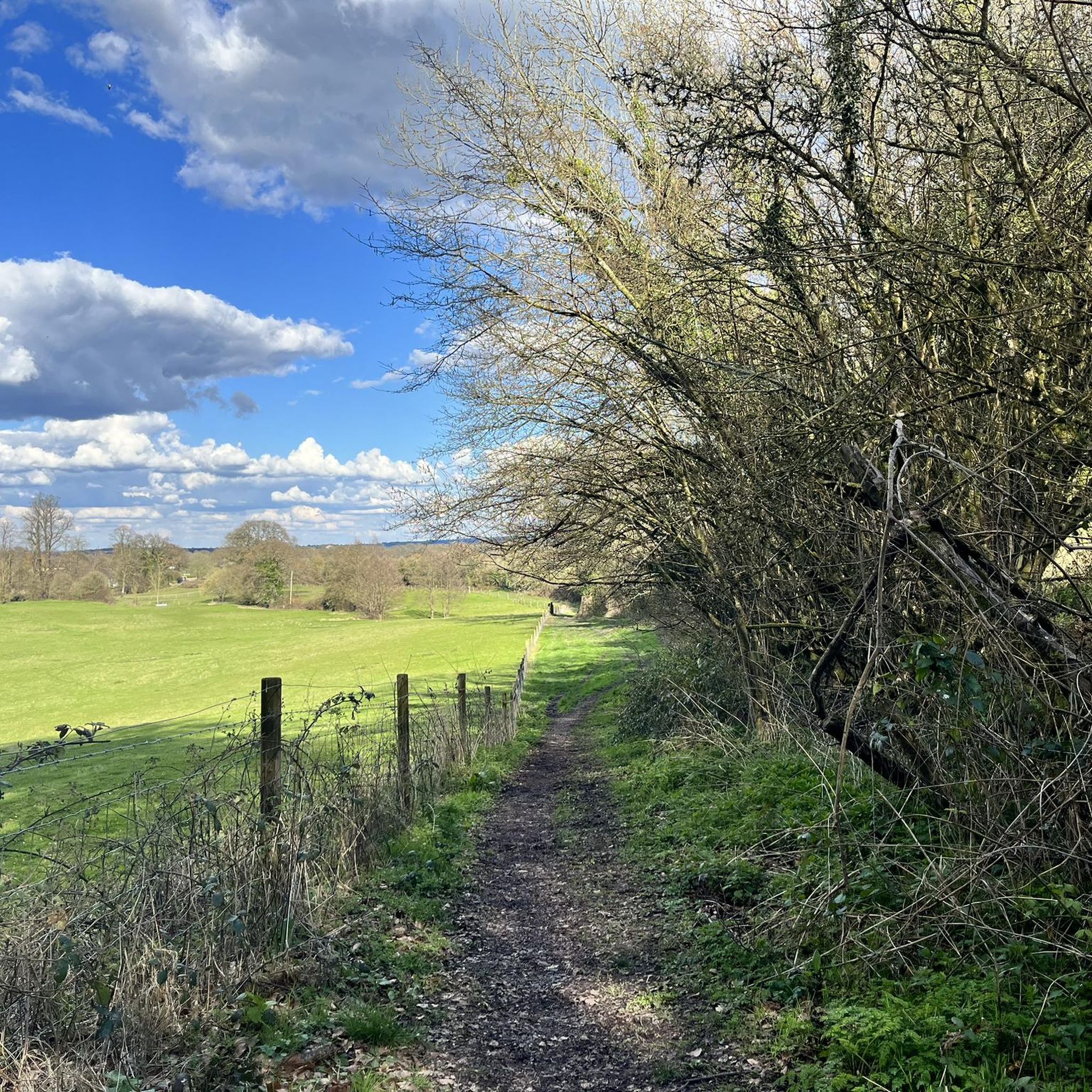
Erected in 1786 along the Old Portsmouth Road, the Sailor’s Stone is a historic boundary marker commemorating a notorious local tragedy. It marks the exact spot where an unknown seafaring traveler was brutally murdered and robbed by three men he had just befriended in a nearby pub. The stone features a stern biblical inscription condemning the crime and features a famous, ominous curse on its reverse warning anyone against moving it.
0
0
Erected in 1851 by judge Sir William Erle, the granite Celtic cross on Gibbet Hill was built to dispel local fears of evil spirits. It marks the notorious site where three highwaymen were hanged and displayed in chains in 1787 for the brutal murder of an unknown sailor.
0
0

The most typical feature in the design of Celtic crosses is the circle connecting the horizontal and vertical bars. This is sometimes interpreted as a symbol of the sun; in this sense, Celtic crosses are sometimes also called sun crosses. I found the following meditative reflection on this topic while working as a chaplain in the Protestant deanery of Nassauer Land: "The sun cross is a special symbol of Celtic Christianity. It can become a symbol of spirituality. + What you can practice – the horizontal arm of the cross. Your conscious rituals, prayers, quiet moments. The attention you give to the sacred. + What happens to you – the vertical arm of the cross. Experiences that touch and transform you. Moments in which you sense something greater than yourself. + What gives you interpretation – the circle that encloses both. Words, stories, and traditions that help you understand and share these experiences. Spirituality connects you to sources of strength that reach deeper than what you can see. For me as a Christian, spirituality is a word for encountering the God who revealed himself in Jesus."
2
1


The Sailor’s Stone actually has a curse written on the back of it cursing any man that would remove it.
1
0
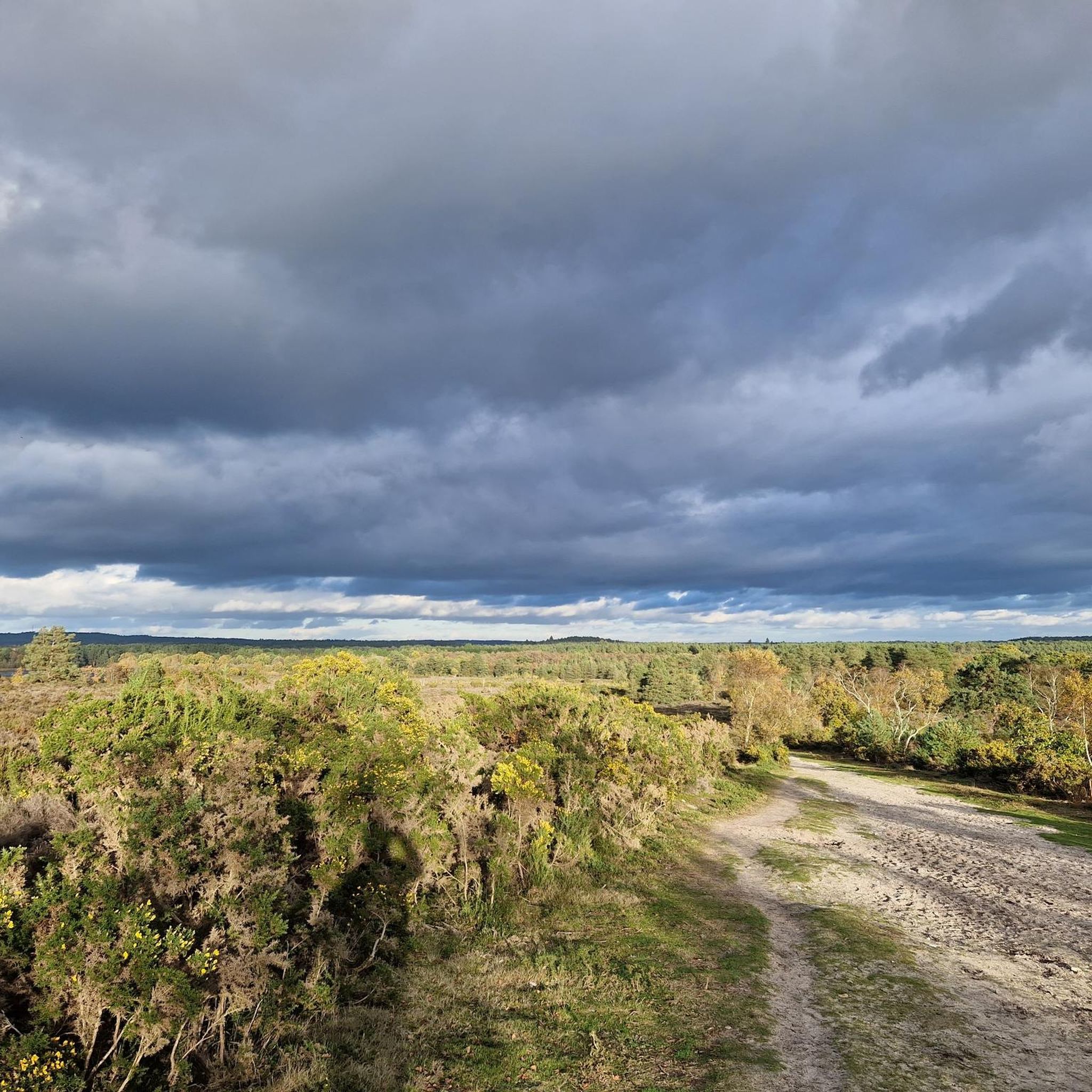
This is the point where the local hangings used happen, including the three murderers of the unknown sailor. The persons hung would remain in their gibbets and chains here for three years.
0
0
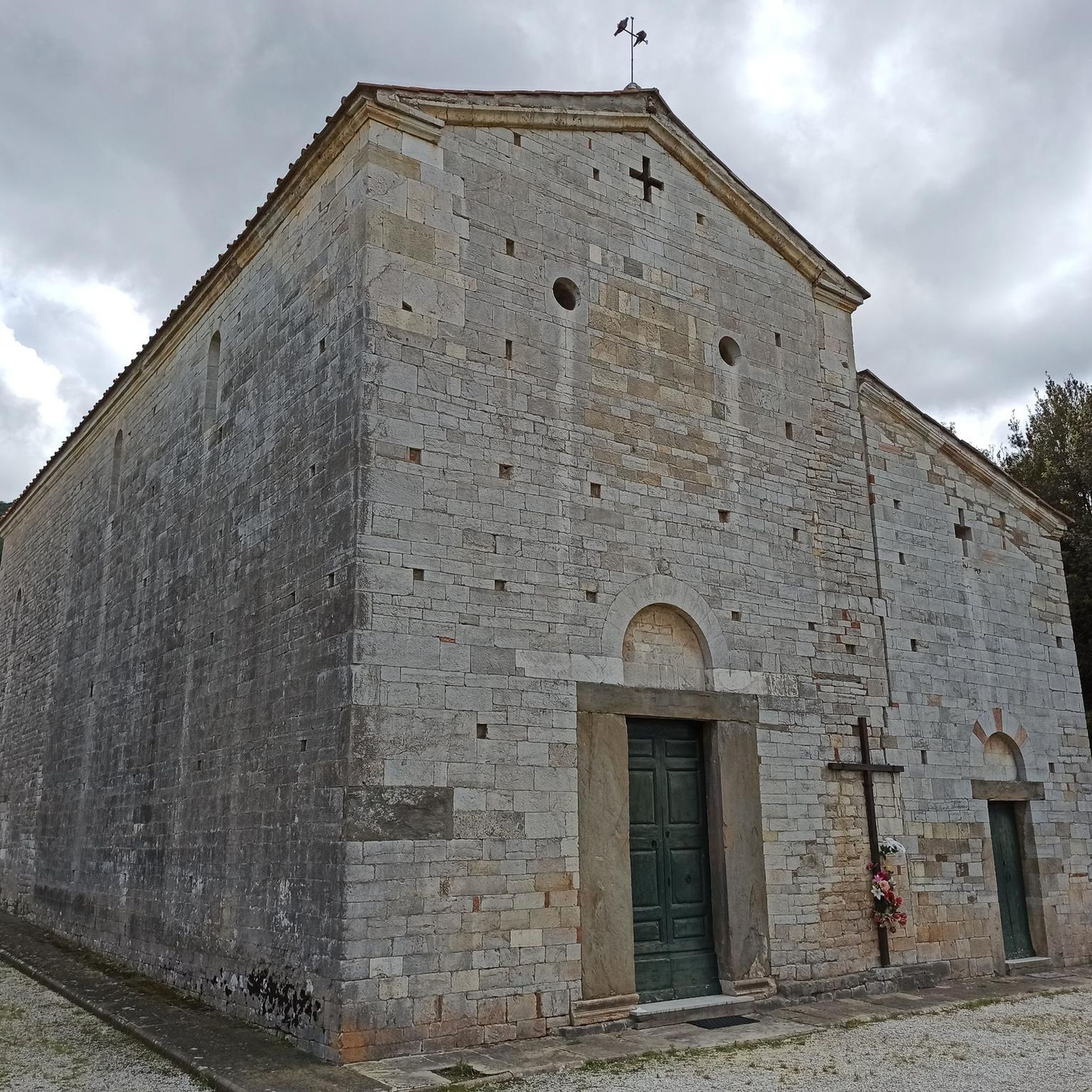
The fact that a Christian house of worship - essentially encompassing the whole of heaven - is consecrated "ALL SAINTS" is not that common; it is usually one (or occasionally two) named saints who are the patron saint of a church - and therefore usually also over the municipality or town in which it is located. But in search of the origin you have to go far back into history, because the model for this practice of dedicating to ALL SAINTS can be seen as a pagan custom, according to which there were already central temples in pre-Christian times that were generally dedicated to all deities (PANTHEON). were consecrated. Probably the most famous Pantheon, a former pagan temple and now a Christian place of worship, is located in the Italian capital.
2
0
Frequently Asked Questions
What natural features and viewpoints can I explore around Whitehill?
Whitehill is rich in natural beauty. You can visit Frensham Little Pond, a serene lake surrounded by pine trees and sandy hills, offering a pleasant circular walk. The area also boasts expansive natural spaces like Woolmer Forest, a Site of Special Scientific Interest, and Deadwater Valley Local Nature Reserve, both providing opportunities to observe diverse wildlife. For scenic vistas, the Whitehill Downland Viewpoint offers views of Cannon Heath Down and is popular for birdwatching. You can also find peaceful spots like Quebec Terrace along the Green Loop, which provides views across Bordon Inclosure.
Are there any historical sites or landmarks to visit in the Whitehill area?
Yes, Whitehill has several historical points of interest. The Celtic Cross on Gibbet Hill is a notable man-made monument from 1851, marking a historical site with great views. You can also explore ancient Bronze Age Barrows near Whitehill Village Hall, dating back 4,000 years. Within the Deadwater Valley Local Nature Reserve, you'll find the Walldown Scheduled Ancient Monument. Additionally, Liss Village Centre, with its history dating back to the Neolithic era, features many historic buildings.
What cultural attractions are available in Whitehill?
The Phoenix Theatre and Arts Centre serves as a key cultural venue, hosting various performances and artistic events. Bordon Library also offers insights into the area's heritage with a collection of locally found artifacts. For a deeper dive into local history, you can explore the Edwardian and Literary Town Trails.
What outdoor activities can I do near Whitehill's attractions?
The Whitehill area is excellent for outdoor activities. You can enjoy cycling on routes like the 'King Alfred's Way – Woolmer Forest Perimeter Track loop' or 'Alice Holt Gravel Trail – View of Frensham Great Pond loop'. For mountain biking, options include the 'Woolmer Ranges Gravel Track – Devil's Punch Bowl Trail loop'. Many of these routes are accessible from Bordon. You can find more details on cycling routes at Cycling around Whitehill and MTB trails at MTB Trails around Whitehill.
Are there family-friendly attractions or activities in Whitehill?
Absolutely. Frensham Little Pond offers a largely flat circular walk of under 3 km, perfect for families with children. Hogmoor Inclosure, part of the Green Loop, features natural play areas. The Phoenix Theatre and Arts Centre often hosts family-friendly events. Nearby, attractions like The Rural Life Centre and Birdworld also provide additional recreational opportunities for families.
Are there easy walking trails suitable for all abilities around Whitehill?
Yes, the area offers several accessible walking options. The circular walk around Frensham Little Pond is largely flat and under 3 km, making it suitable for many. The Green Loop, a 7km network of footpaths and cycle routes connecting Whitehill and Bordon, is designed to be accessible and features various points of interest and seating areas. Deadwater Valley Local Nature Reserve also offers informal recreation paths.
What is the Green Loop and what does it offer?
The Green Loop is a 7km network of footpaths and cycle routes that encircles and connects Whitehill and Bordon. It links various green spaces, residential areas, and the town center, promoting outdoor activity and wildlife. The loop features signage, public realm enhancements, and 'Diamond Moments' – points of interest designed for discovery, rest, and play, including log stacks, tree planting, and seating, such as Quebec Terrace.
Where can I find amenities like pubs and cafes near Whitehill's attractions?
Liss Village Centre is a pleasant settlement with plenty of pubs, cafes, restaurants, and shops. The Whistle Stop pub in Liss is noted for its friendly atmosphere and garden. For those visiting Jane Austen's House Museum, Cassandra's Cup tearoom is a nearby option for a warm beverage.
Are there dog-friendly walks in the Whitehill area?
Many of Whitehill's natural spaces are suitable for dog walking. Woolmer Forest and Deadwater Valley Local Nature Reserve offer extensive public footpaths. Bordon Inclosure and Hogmoor Inclosure, both part of the Green Loop, are designated Suitable Alternative Natural Greenspaces (SANGs) and provide excellent areas for walks with dogs.
What is the best time to visit Whitehill attractions?
The Whitehill area can be enjoyed year-round. Spring and summer are ideal for exploring the natural landscapes, such as Woolmer Forest and the Green Loop, when the weather is pleasant for walking and cycling. Autumn offers beautiful foliage, and the Blackmoor Estate hosts an annual Apple Tasting event in October. Even in colder months, historical sites like the Celtic Cross on Gibbet Hill and cultural venues remain accessible.
What makes Woolmer Forest significant?
Woolmer Forest is an expansive area of heathland and woodland designated as a Site of Special Scientific Interest (SSSI). It's recognized for its ecological importance as a wildlife sanctuary, hosting a diverse array of wildlife, including all twelve native species of reptiles and amphibians found in the UK. It features numerous public footpaths for exploration.
Can I find any unique natural landmarks in the area?
Yes, within the Bordon Inclosure, you can find the impressive King Oak, an ancient tree estimated to be over 400 years old. This landmark is part of the wider 'Green Loop' network, which promotes wildlife and offers new footpaths and cycle tracks.
Most popular routes around Whitehill
Most popular attractions around Whitehill

Get inspired with the komoot mobile app


Explore more
Still not found the Highlight you’re looking for? See guides of the top attractions in other regions:
