The best walks and hikes around Chilcomb
4.5
(1319)
12,732
hikers
600
hikes
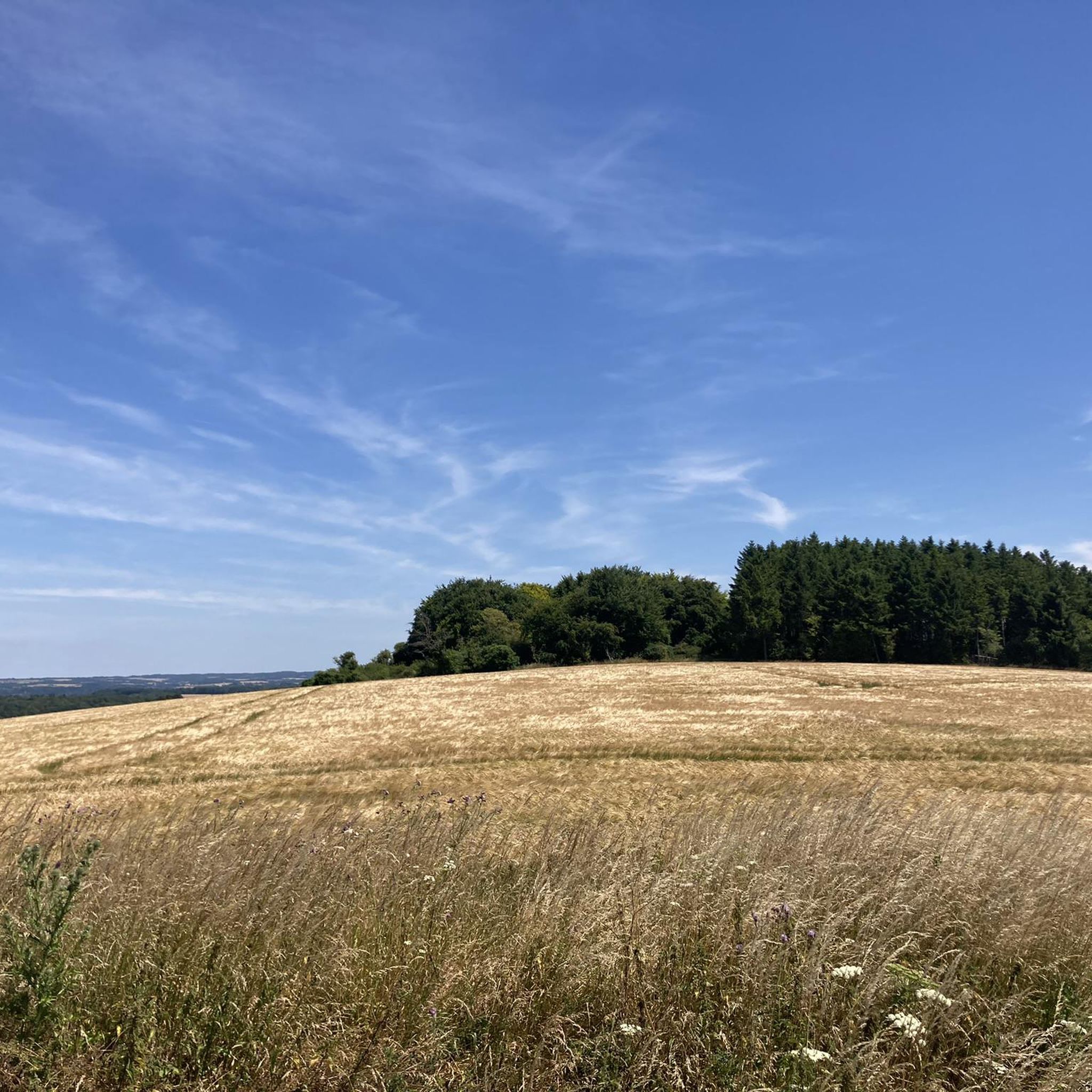
Hiking around Chilcomb explores the rolling chalk downs and river valleys within the South Downs National Park. The landscape is characterized by its chalk geology, creating a varied terrain of grassy hills with expansive views and gentle paths along the River Itchen. Many routes incorporate sections of the South Downs Way national trail, passing historical sites like Cheesefoot Head and natural landmarks such as St Catherine's Hill. The area offers a blend of serene riverside walks and challenging hill climbs.
Best hiking trails around Chilcomb
- The most popular hiking route is Gander Down – Cheesefoot Head loop from Hampshire, a 7.6 miles (12.2 km) trail that takes 3 hours 20 minutes to complete. This route features a steady climb to the natural amphitheater of Cheesefoot Head.
- Another top favourite among local hikers is Cheesefoot Head and Owslebury Loop, a difficult 13.6 miles (21.8 km) path. The trail follows parts of the South Downs Way and offers wide views across the chalk downland.
- Local hikers also love the Cheesefoot Head – Boomtown Festival Site View loop from Hampshire, a 5.2 miles (8.4 km) trail leading through chalk downland, often completed in about 2 hours 18 minutes.
- Hiking around Chilcomb is defined by rolling chalk downs, sections of the South Downs Way, and paths along the River Itchen. The trail network provides a range of options suitable for different fitness levels, from short loops to more demanding long-distance hikes.
- The routes in Chilcomb are highly rated by the komoot community with an average score of 4.6 stars from over 1,200 reviews. More than 12,000 hikers have used komoot to explore Chilcomb's varied terrain.
Last updated: June 20, 2026
4.7
(3)
12
hikers
21.8km
05:58
330m
330m
Hike the difficult 13.6-mile Cheesefoot Head and Owslebury Loop in South Downs National Park, gaining 1078 feet over varied terrain.
4.7
(15)
63
hikers
12.2km
03:21
190m
190m
Moderate hike. Good fitness required. Easily-accessible paths. Suitable for all skill levels.

Sign up for free
4.6
(5)
51
hikers
11.5km
03:07
150m
150m
Moderate hike. Good fitness required. Easily-accessible paths. Suitable for all skill levels.
3.0
(1)
17
hikers
8.40km
02:12
60m
60m
Moderate hike. Good fitness required. Easily-accessible paths. Suitable for all skill levels.
3.3
(3)
22
hikers
7.93km
02:13
150m
150m
Moderate hike. Good fitness required. Easily-accessible paths. Suitable for all skill levels.
Get access to more routes and recommendations from other explorers.
Sign up for free
Already have an account?
Our route recommendations are based on thousands of hikes, rides, and runs completed by other people on komoot.
Start today with a free account
Your next adventure awaits.
Login or Signup

Other adventures around Chilcomb

Tips from the Community

The Faladoon Nature Reserve is a peaceful, lesser-known area, historically associated with Winchester College, that lies alongside the internationally important River Itchen chalk stream. Located near Winchester, this reserve forms a green corridor that offers tranquil walks, including a loop that connects to the historic Hockley Railway Viaduct. The area is significant for its diverse flora and fauna typical of a managed chalk-river flood plain, providing habitat for various bird species like kingfishers and woodpeckers, and serving as a key spot for local wildlife enthusiasts and conservation groups like the Conchological Society due to the presence of rare mollusc species.
0
0
St Catherine's Hill is a prominent chalk downland hill on the outskirts of Winchester, notable for its layered historical and ecological importance. Now a biological Site of Special Scientific Interest (SSSI) managed as a nature reserve, its summit is ringed by the impressive earthworks of a univallate Iron Age hillfort dating back over 2,000 years. The top is marked by a distinctive copse of beech trees, known as 'The Clump', which contains the scant ruins of the 12th-century St Catherine's Chapel, while the hillside features a turf-cut labyrinth known as the Miz-Maze; the entire site provides spectacular views over the city, the Itchen Valley, and supports a rich variety of wildflowers and butterflies, including the protected Chalkhill Blue.
1
0
The striking bronze statue of King Alfred the Great is one of Winchester's most recognizable landmarks, dominating The Broadway at the eastern end of the High Street near the River Itchen. Sculpted by Sir Hamo Thornycroft, the colossal, 15-foot-tall figure was erected in 1901 to commemorate the millennium of the king's death—a pivotal figure who made Winchester his capital and is credited with being "The Founder of the Kingdom and Nation," as inscribed on its granite base. Depicting a heroic, bearded Alfred in a regal stance with a downward-pointing sword hilt forming a cross, the statue celebrates his dual role as a military champion against the Vikings and an early Christian leader, all while standing proudly in the city he helped define.
1
0
The Buttercross is a magnificent, many-pinnacled, 15th-century stone market cross located prominently on Winchester's High Street. Originally known as the City Cross, it acquired the name "Buttercross" because its five octagonal steps and surrounding area were traditionally used by country people to sell dairy products, eggs, and other produce. The highly decorative Gothic structure features a tall central shaft, numerous smaller pinnacles, and twelve figures, including the Blessed Virgin, various saints, King Alfred the Great, and William of Wykeham (though many of the statues were added during an 1865 restoration by Sir George Gilbert Scott). The monument is also famous for a local "small riot" in 1770, when the citizens successfully prevented a local squire from dismantling and moving the historic cross to his private estate.
1
0
a key landmark that crosses the River Itchen right next to the famous Winchester City Mill on the eastern edge of the city centre.
1
0
The Sword: Alfred is shown grasping a large, cross-hilted sword with the point facing downwards. This posture is symbolic, representing not just his prowess as a warrior who defended his kingdom against the Vikings, but also his role as a Christian leader, with the hilt forming the shape of a cross. The Pedestal: The statue rests on a large pedestal of Cornish granite, which is inscribed with just one word: AELFRED. Historical Portrayal: Thornycroft's depiction is a romanticized, heroic one—showing Alfred with a long, flowing beard—even though contemporary coins suggest the King was clean-shaven. The monument represents the Victorian-era idea of Alfred as a perfect warrior, statesman, and philosopher king.
0
0
The statue depicts Alfred the Great (847–899 AD), who was the King of the West Saxons and is traditionally regarded as the first King of the Anglo-Saxons and the founder of the Kingdom of England. Winchester was his capital. Sculptor: Sir Hamo Thornycroft, a highly-regarded Royal Academician. Completion: It was completed in 1901, although it was commissioned to mark the millennium of King Alfred's death (which was in 899 AD). Size: The bronze statue is monumental, standing at 15 feet (4.57 m) high and weighing about five tons. The total height with its granite pedestal is around 40 feet. Location: It stands prominently at the eastern end of The Broadway, near the junction with Bridge Street and Eastgate Street, with the High Street extending behind it toward the city centre.
0
0
The Weirs is one of the most picturesque and historically significant areas in Winchester, primarily known for its beautiful riverside walk and its close association with the River Itchen and the city's medieval and Roman past.
1
0
Frequently Asked Questions
Are there any easy, family-friendly walks near Chilcomb?
Yes, the area offers many gentle routes suitable for families. For a very accessible and historic walk, consider the Winchester Cathedral – The Weirs, Winchester loop from Bar End. It's a relatively flat, 5-km walk that follows the scenic River Itchen and is perfect for a short outing with kids.
Where can I find the best scenic views on a hike?
For some of the most expansive views, head to Cheesefoot Head. This large natural amphitheater offers stunning panoramic vistas across the South Downs, and on a clear day, you can see as far as the Solent and the Isle of Wight. Many trails in the area incorporate this viewpoint.
Are the hiking trails around Chilcomb dog-friendly?
Generally, yes. The public footpaths and bridleways in the South Downs National Park are great for walking with dogs. However, you will be walking through farmland with livestock, so always keep your dog on a lead in these areas. Also, be mindful of ground-nesting birds, especially during spring and early summer.
What do other hikers think of the trails around Chilcomb?
The trails are very popular with the komoot community, which has given the area an average rating of 4.6 stars. Hikers often praise the classic English countryside scenery, the rolling chalk hills, and the well-maintained paths along sections of the South Downs Way.
How many hiking trails are available around Chilcomb?
You have a wide variety of options to choose from. There are nearly 600 hiking routes around Chilcomb, ranging from short, easy strolls to challenging all-day treks across the South Downs.
Are there any challenging hikes in the area?
Yes, for those seeking a more strenuous hike, there are several options. The The Weirs, Winchester – Cheesefoot Head loop from Chilcomb is a great example. It's a 20.5 km route with significant elevation gain that provides a rewarding challenge with beautiful scenery.
Can I walk from Chilcomb to Winchester?
Absolutely. Several paths connect Chilcomb to the historic city of Winchester. You can follow a section of the South Downs Way, which offers a scenic route over the chalk downland. The walk allows you to experience the transition from rural landscapes to the city's edge.
What kind of wildlife might I see on the trails?
The chalk grassland is a special habitat supporting a variety of wildflowers, including orchids, and numerous butterfly species like the chalkhill blue. Along the River Itchen, you can often spot swans and ducks. Keep an eye out for red kites and buzzards soaring over the downs.
Are there any circular walks available?
Yes, circular walks are very common in the Chilcomb area. Many routes are designed as loops that start and end at the same point, allowing you to explore the region without needing to retrace your steps. The Gander Down – Cheesefoot Head loop from Hampshire is a popular moderate circular route.
What historical points of interest can I see while hiking?
The landscape is rich in history. You can see prehistoric field systems and burial mounds, such as the bowl barrow on Telegraph Hill. The village of Chilcomb itself has a Norman church, St. Andrew's, dating back to the 12th century. Many trails pass by these historic landmarks.
Where is a good place to park for a hike?
While Chilcomb village has limited parking, many hikers start from larger car parks in the area. The car park at Cheesefoot Head is a very popular starting point for several trails. Alternatively, you can park in one of the car parks in Winchester, such as at Bar End, and begin your walk from there.
Are there any hikes that include a stop for a pub or cafe?
Yes, you can easily combine a walk with a refreshment stop. For example, the Baker & White Café loop from Chilcomb is a pleasant walk designed around a cafe stop. Additionally, many routes that start or finish in Winchester offer numerous options for pubs and cafes.
Most popular attractions around Chilcomb

Get inspired with the komoot mobile app


Explore more
Browse the best Hikes in other regions.
