Attractions and Places To See around Great Wakering - Top 20
Best attractions and places to see around Great Wakering include a mix of historical sites, natural landscapes, and coastal features. This region in Essex, England, offers diverse environments from ancient castles to nature reserves and estuary views. Visitors can explore areas known for their wildlife, historical significance, and walking opportunities. The area provides a range of outdoor experiences for those interested in local heritage and natural beauty.
Best attractions and places to see around Great Wakering
- The most popular attractions…
Last updated: July 2, 2026
Hadleigh Castle
Highlight • Viewpoint
Tip by

The Plough & Sail, Paglesham
Highlight • Pub
Tip by

Sign up now to discover places like this
Get recommendations on the best single tracks, peaks, & plenty of other exciting outdoor places.
Sign up for free
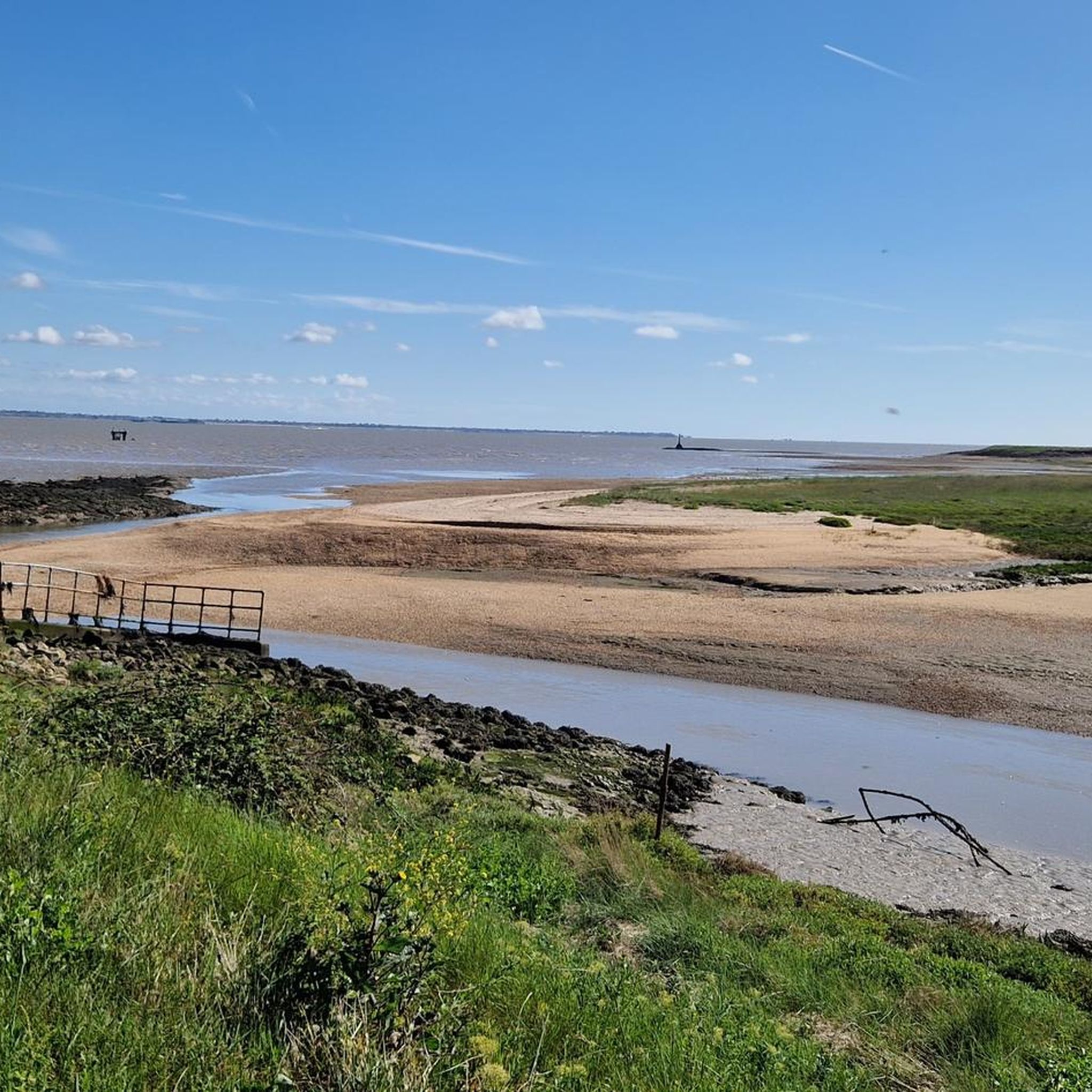
The Crowstone
Highlight • Monument
Tip by

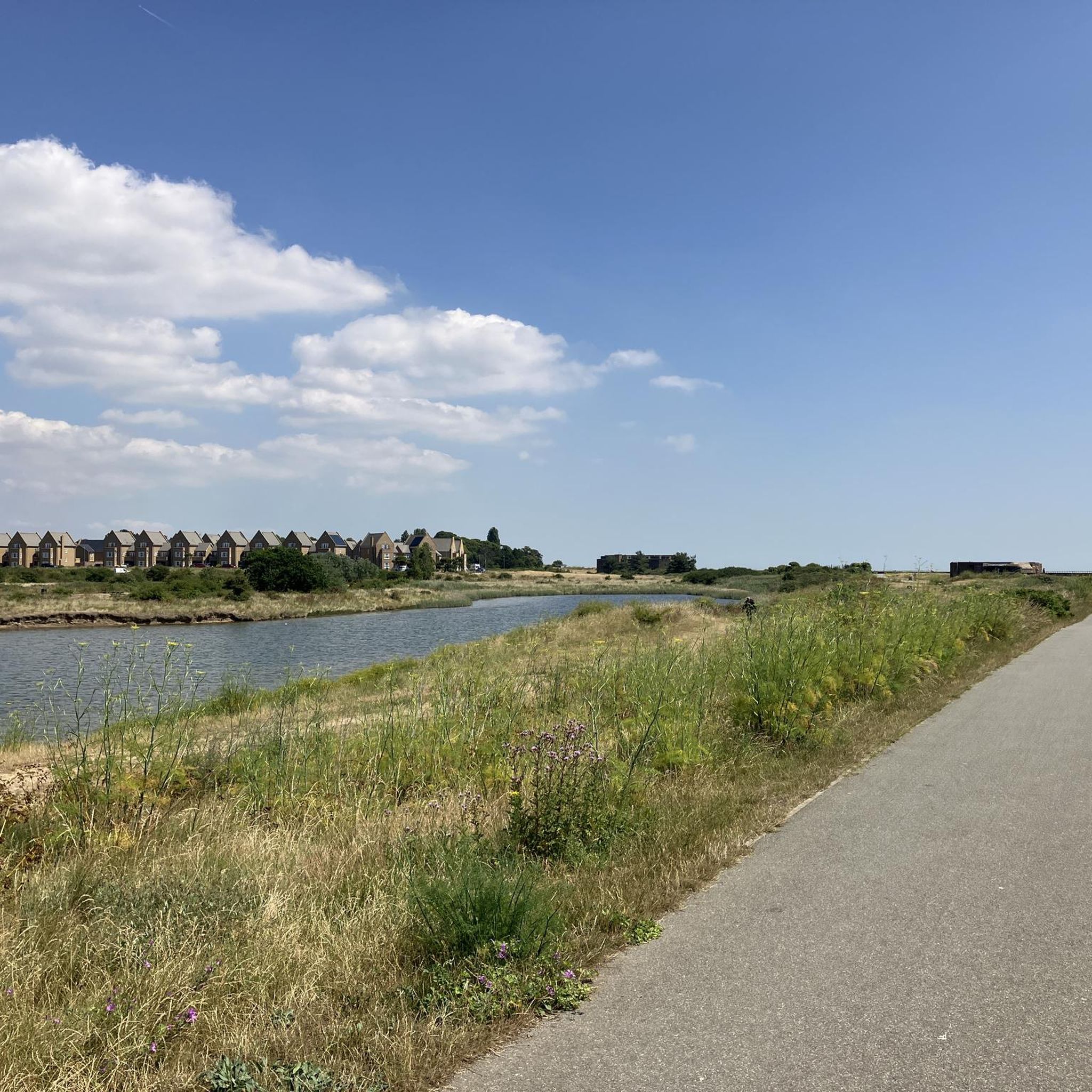
Lake at Gunners Park
Highlight • Lake
Tip by
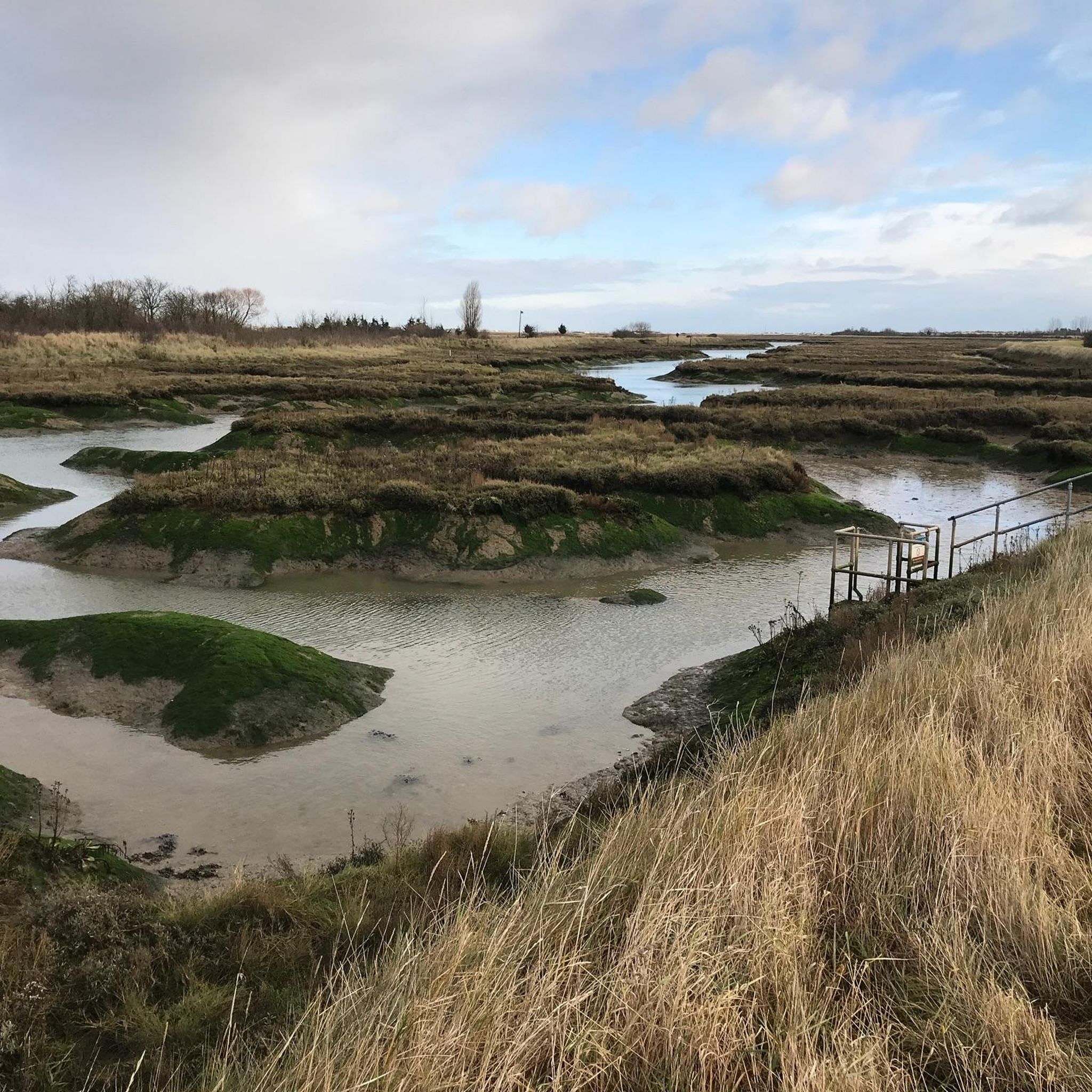
Two Tree Island Nature Reserve
Highlight • Viewpoint
Tip by
Sign up for free to discover even more attractions around Great Wakering.
Sign up for free
Already have an account?
Start today with a free account
Your next adventure awaits.
Login or Signup
Tips from the Community


Beautiful Nature Reserve to explore while hiking the coastal path. Be aware of the Adders (snakes) though. I didn't see one, but the locals I spoke to confirmed that they're there.
0
0


A majestic medieval ruin perched atop a hill with sweeping views of the Essex countryside and the Thames Estuary. Built in the 13th century under the reign of King Henry VIII and played a vital role in defending against potential invasion from the sea. It was strategically positioned to guard the Thames estuary. Excellent views across the countryside.
1
0

You can visit Hadleigh Castle for free and admire the ruins that have succumbed to the soft London clay on which it was built. The castle was first built in the 13th-century, with extensive renovation and expansion in the 14th-century by King Edward III. It's now owned by English Heritage and you can visit their website here https://www.english-heritage.org.uk/visit/places/hadleigh-castle/
1
1
Managed by the Essex Wildlife Trust, Two Tree Island sits on the Thames Estuary. It is popular for birdwatching and 3.5km circular walk round the island is possible direct from Leigh-on-Sea. In the past it has been a sewage treatment works and a landfill site and is now a beautiful area of reclaimed saltmarsh.
0
0


The Crowstone’s copper plate – now turned green – records that it was erected in 1836 and marked the seaward limit of the River Thames as then controlled by the City of London, and that it replaced a stone of 1755, both standing together until the more aged of the pair was presented by the Port of London Authority to Southend Corporation in 1950 for preservation in Priory Park Until 1350, the English Crown held the right to fish the rivers of England and charged duties on those people it licensed to fish. In 1197 King Richard I, in need of money to finance his involvement in the Third Crusade, sold the rights over the lower reaches of the River Thames to the City of London. Marker stones were erected to indicate the limit of the City's rights.
1
0
Frequently Asked Questions
What historical sites can I visit around Great Wakering?
Great Wakering and its surroundings offer several historical sites. You can explore the 13th-century ruins of Hadleigh Castle, which provides 180-degree views of the Thames Estuary. In the village itself, St. Nicholas Church, dating back to the 12th century, is one of the oldest churches in south-east Essex. The Great Wakering Windmill is another well-preserved 19th-century landmark, and traces of the Old Brickworks Site at Star Lane highlight the area's industrial past.
Are there any nature reserves or natural viewpoints near Great Wakering?
Yes, the area is rich in natural beauty. Lake at Gunners Park is part of a 25-hectare nature reserve managed by the Essex Wildlife Trust. Another excellent spot for birdwatching and a 3.5 km circular walk is Two Tree Island Nature Reserve, located on the Thames Estuary. Additionally, Great Wakering Common offers diverse habitats for wildlife, and Wakering Stairs provides stunning views of the Thames Estuary and remnants of a Roman sea wall.
What outdoor activities can I do near these attractions?
The region around Great Wakering is ideal for various outdoor activities. You can find numerous cycling routes, including easy to moderate options like the 'Southend Pier – Lake at Gunners Park loop' for touring bicycles, or the 'Southchurch Beach – Southend Pier loop' for mountain biking. For more details on routes, explore the Cycling around Great Wakering, MTB Trails around Great Wakering, and Road Cycling Routes around Great Wakering guides.
Are there family-friendly attractions around Great Wakering?
Many attractions in the area are suitable for families. Hadleigh Castle offers free exploration of its ruins, which can be an engaging historical outing. Both Lake at Gunners Park and Two Tree Island Nature Reserve are great for walks and birdwatching. The nearby Great Wakering Windmill offers guided tours and a gift shop, while Thorpe Bay Beach is perfect for sunbathing, swimming, and water sports.
Where can I find a traditional pub with food in Great Wakering?
Great Wakering is home to several historic public houses. The Plough & Sail, Paglesham, just a short distance away, is a traditional pub with real log fires, fine ales, and home-cooked food, with a history spanning over 300 years. The Exhibition Inn in Great Wakering village is also known for its traditional pub atmosphere and food.
What are some unique natural features or viewpoints in the area?
Beyond the nature reserves, the area boasts unique natural features. Wakering Stairs, a historically significant area dating back to Roman times, offers wooden steps leading to a coastal path with views of the Thames Estuary and remnants of a Roman sea wall. The Broomway is an ancient tidal path, said to pre-date the Romans, offering a challenging walk between Great Wakering and Foulness Island.
Is there a beach nearby for swimming or water sports?
Yes, Thorpe Bay Beach is a beautiful sandy beach a short drive from Great Wakering, ideal for sunbathing, swimming, and beachcombing. It's also suitable for water sports like windsurfing and paddleboarding, with beachfront cafes and restaurants available. The MOD Beach at Wakering Stairs can also be accessed when firing is not taking place, offering views over Maplin Sands.
What do visitors enjoy most about the attractions around Great Wakering?
Visitors particularly appreciate the blend of history and natural beauty. For instance, Hadleigh Castle is loved for its free exploration and 'Great 180 degree views of the Thames'. Nature spots like Lake at Gunners Park are popular for birdwatching and peaceful walks, with some visitors even bringing bread to feed the birds. The overall appeal lies in the diverse landscapes and the opportunity to connect with both heritage and wildlife.
Are there any long piers or coastal walks nearby?
Southend Pier, the longest pleasure pier in the world, stretches over 1.3 miles into the Thames Estuary and is a short drive away. It features a train ride, amusement arcades, and a museum. For coastal walks, the path around Wakering Stairs offers stunning views, and the 3.5 km circular walk at Two Tree Island Nature Reserve is also a popular choice along the Thames Estuary.
What is The Crowstone and its historical significance?
The Crowstone is a significant man-made monument marking the seaward limit of the River Thames as controlled by the City of London. Erected in 1836, it replaced an earlier stone from 1755. When the tide is low, you can follow a path to reach it, offering a unique historical viewpoint.
Are there any public parks or gardens with good views?
Southend Cliff Gardens, located a short drive from Great Wakering, is a public park overlooking the Thames Estuary. It provides panoramic views, well-maintained gardens, and pleasant walking paths, making it a great spot for relaxation and scenic enjoyment.
What kind of wildlife can I expect to see in the Great Wakering area?
The natural reserves and coastal areas around Great Wakering are havens for wildlife, especially birds. At Wakering Stairs and the MOD Beach, you can often spot Brent geese and various waders. Two Tree Island Nature Reserve is particularly popular for birdwatching, and Great Wakering Common supports diverse habitats for various species.
Most popular routes around Great Wakering
Most popular attractions around Great Wakering

Get inspired with the komoot mobile app


Explore more
Still not found the Highlight you’re looking for? See guides of the top attractions in other regions:
