The 6 Most Amazing Peaks around Backwell
Best mountain peaks around Backwell, a village in North Somerset, England, features elevated areas offering historical interest and scenic views. The highest point in the immediate vicinity reaches an elevation of 206 meters, with an average elevation of 74 meters across the area. These elevated features provide a blend of natural beauty, historical intrigue, and recreational opportunities. The region offers 6 distinct peaks to explore, catering to various interests.
Best mountain peaks around Backwell
- The most popular mountain peaks is Beacon Batch summit trig point, a viewpoint that is the highest hill in the Mendip Hills at 325m. It is a nationally important site for its archaeology from the late Stone Age and Bronze Age through to the Second World War.
- Another must-see spot is Black Down Summit and Wild Ponies, an other natural feature. This area provides views across the Bristol Channel into Wales, over Weston-super-Mare, and the Chew Valley, and is known for its wild ponies.
- Visitors also love Knowle Hill, a summit offering views over Chew Lake and the rolling Mendip Hills AONB. A bench is available on the summit for enjoying the scenery.
- Backwell is known for its summits, viewpoints, and historical sites. The area offers a variety of elevated features, from natural high points to ancient hillforts, providing diverse experiences for exploration.
- The mountain peaks around Backwell are appreciated by the komoot community, with 171 upvotes and 43 photos shared by visitors.
Last updated: October 11, 2026
Beacon Batch summit trig point
Highlight • Viewpoint
Hills at over 400 ha.
Black Down, like most heathlands, is formed through a combination of factors– soil type, rainfall and human activity. The underlying Old Red Sandstone rock together with high rainfall created a waterlogged and acidic soil. The removal of tree cover by our Bronze Age ancestors 2,000 years ago helped to make sure that the soil stayed damp and acid. Only certain plants can survive in this type of ground. The key species include heather or ling, bell heather, bilberry, purple moor grass and European gorse, along with mosses and lichens.
Now the bracken is managed by harvesting and grazing by cattle and wild ponies to allow the heathers and grasses to flourish again. Black Down supports a wide variety of birds, mammals, reptiles and invertebrates.
Tip by

Black Down Summit and Wild Ponies
Highlight • Natural
Tip by

Sign up now to discover places like this
Get recommendations on the best single tracks, peaks, & plenty of other exciting outdoor places.
Knowle Hill
Highlight • Summit
Tip by
Dundry Hill East High Point
Highlight • Viewpoint
Tip by

Cleeve Toot Hillfort
Highlight • Viewpoint
Tip by
Sign up for free to discover even more peaks around Backwell.
Already have an account?
Start today with a free account
Your next adventure awaits.

Tips from the Community

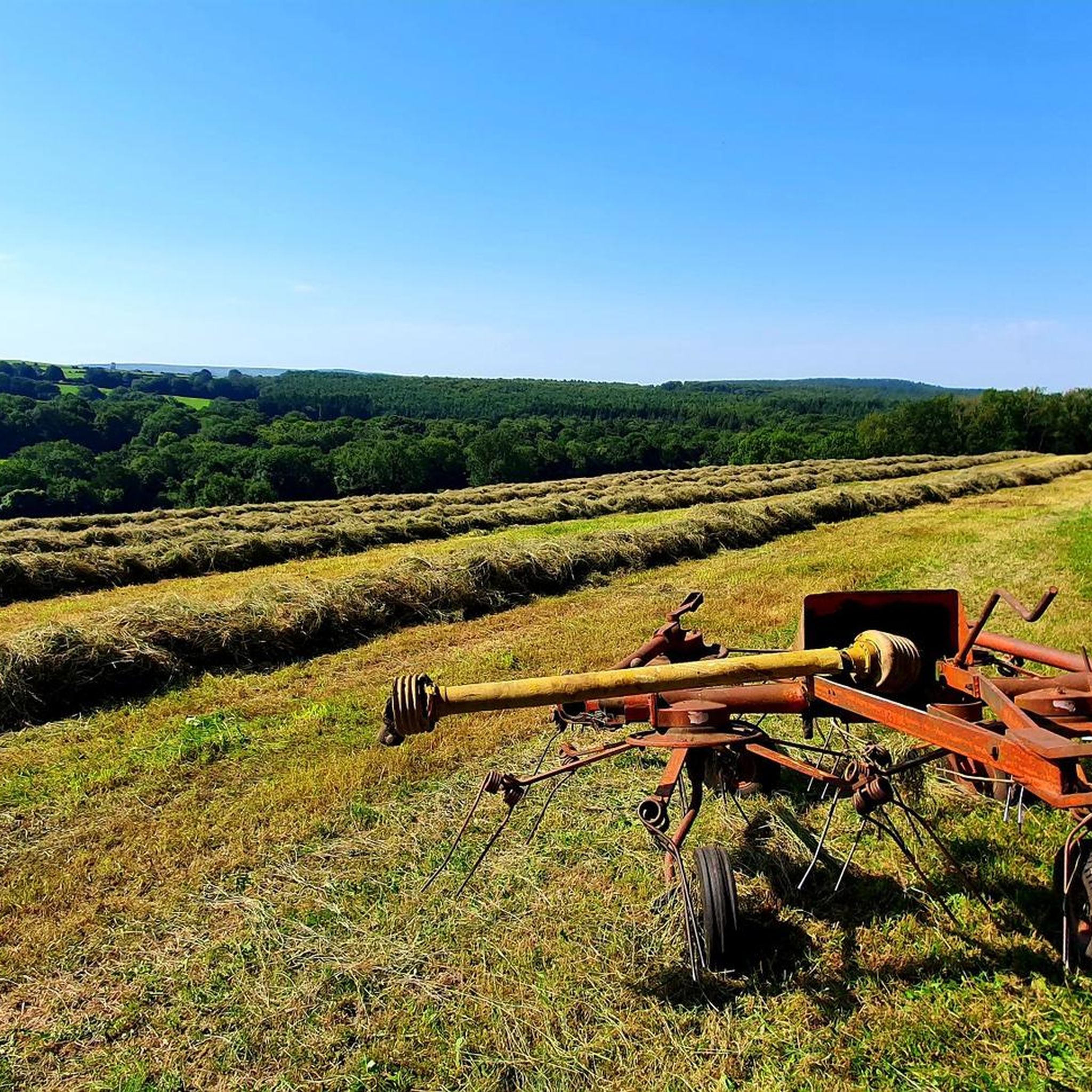
This hill, while lower than the surrounding ridges, provides great views from the top. Fern covered with several tracks crossing the slopes.
0
0

Black Down Hill or Beacons Batch is the highest hill in the Mendip Hills at 325m, Somerset, in south-western England. Black Down lies just a few miles eastward of the Bristol Channel at Weston-super-Mare, and provides a view over the Chew Valley. It has a trig pointed summit and is a UK designated Marilyn with a prominence of over 150m.
3
1
Dundry Hill East at 160m is one of the 184 UK County/Unitary High Points. It is the HP for the Unitary Authority of Bristol. The 'top' is actually in the field over the hedge at this point and on private land. Nothing much to look at or worth going to unless you are a Peak Bagger.
3
0

Cleeve Toot is an Iron Age univallate hillfort nestled in woodland above Goblin Combe. The oval-shaped settlement is approximately 410 feet (125 m) in length and 300 feet (90 m) wide. It is a Scheduled Ancient Monument.
2
0

This special site is designated as a Site of Special Scientific interest for its valuable wildlife habitats and is a nationally important site for its archaeology from the late Stone Age and Bronze Age through to the Second World War. Black Down provides the largest area of open access on the Mendip Hills at over 400 ha. Black Down, like most heathlands, is formed through a combination of factors– soil type, rainfall and human activity. The underlying Old Red Sandstone rock together with high rainfall created a waterlogged and acidic soil. The removal of tree cover by our Bronze Age ancestors 2,000 years ago helped to make sure that the soil stayed damp and acid. Only certain plants can survive in this type of ground. The key species include heather or ling, bell heather, bilberry, purple moor grass and European gorse, along with mosses and lichens. Now the bracken is managed by harvesting and grazing by cattle and wild ponies to allow the heathers and grasses to flourish again. Black Down supports a wide variety of birds, mammals, reptiles and invertebrates.
3
0
This special site is designated as a Site of Special Scientific interest for its valuable wildlife habitats and is a nationally important site for its archaeology from the late Stone Age and Bronze Age through to the Second World War. Black Down provides the largest area of open access on the Mendip Hills at over 400 ha. Black Down, like most heathlands, is formed through a combination of factors– soil type, rainfall and human activity. The underlying Old Red Sandstone rock together with high rainfall created a waterlogged and acidic soil. The removal of tree cover by our Bronze Age ancestors 2,000 years ago helped to make sure that the soil stayed damp and acid. Only certain plants can survive in this type of ground. The key species include heather or ling, bell heather, bilberry, purple moor grass and European gorse, along with mosses and lichens. Now the bracken is managed by harvesting and grazing by cattle and wild ponies to allow the heathers and grasses to flourish again. Black Down supports a wide variety of birds, mammals, reptiles and invertebrates.
3
1
Black Down is the highest area of the Mendip Hills and affords wonderful views across the Bristol Channel into Wales, over Weston-super-Mare, the Chew Valley, the Quantocks and beyond. There are many Bronze Age burial sites dotted around. You might also see the wild ponies strutting their stuff.
4
1
Beacon Batch is the highest point in the Mendip Hills Area of Outstanding Natural Beauty. From the trig point, you get breathtaking panoramic views that stretch over the Bristol Channel into Wales, over Weston-super-Mare, the Chew Valley and across the Mendips. There are Bronze Age burial mounds at the summit, too. A very special place with lots of great walking to enjoy all around.
3
2
Frequently Asked Questions
What are some of the most popular elevated areas to explore around Backwell?
Visitors frequently enjoy the highest point in the Mendip Hills, Beacon Batch summit trig point, known for its panoramic views and ancient archaeology. Another favorite is Black Down Summit and Wild Ponies, offering expansive views across the Bristol Channel and a chance to see wild ponies. Knowle Hill is also popular for its views over Chew Lake and the Mendip Hills AONB.
What historical sites can I find on the elevated areas near Backwell?
The region is rich in history. You can explore the remains of the Iron Age Backwell Hillfort, strategically built for defense. Beacon Batch summit trig point is a nationally important archaeological site with evidence from the late Stone Age and Bronze Age. Additionally, Cleeve Toot Hillfort is another Iron Age univallate hillfort nestled in woodland above Goblin Combe.
Are there any family-friendly elevated walks or peaks around Backwell?
Yes, areas like Black Down Summit and Wild Ponies are considered family-friendly, offering open spaces, views, and the chance to spot wild ponies. Many of the local hills provide accessible paths suitable for families looking for a scenic walk without extreme difficulty.
What kind of views can I expect from the peaks around Backwell?
From various elevated points, you can enjoy breathtaking panoramic views. For instance, Beacon Batch summit trig point offers vistas stretching over the Bristol Channel into Wales, over Weston-super-Mare, the Chew Valley, and across the Mendips. Knowle Hill provides lovely views over Chew Lake and the rolling Mendip Hills AONB.
What outdoor activities can I do near the peaks around Backwell?
Beyond exploring the peaks themselves, the area offers a variety of outdoor activities. You can find numerous hiking routes around Backwell, including moderate trails like the 'Quarry Edge Gravel Track – Stone Wall Singletrack loop'. There are also options for road cycling and gravel biking, with routes like 'Cheddar Gorge – Cheddar Gorge Climb loop' for cyclists.
Are there any particularly high points or summits near Backwell?
While Backwell itself features elevated areas up to 206 meters, the highest point in the broader region is Beacon Batch summit trig point in the Mendip Hills, reaching 325 meters. Another notable high point is Dundry Hill East High Point at 160 meters, which is the high point for the Unitary Authority of Bristol.
What natural features, besides peaks, can be found in the Backwell area?
The region boasts diverse natural beauty. Beyond the elevated areas, you can find woodlands like Cherry Wood and Hyatt's Wood on Backwell Hill. The area around Black Down Summit is a Site of Special Scientific Interest with valuable wildlife habitats, heathlands, and wild ponies. There's also the unique geological feature of Backwell Cave, a significant Neolithic site.
What do visitors appreciate most about the elevated areas around Backwell?
Visitors frequently highlight the stunning panoramic views, especially from spots like Beacon Batch, which stretch across the Bristol Channel and surrounding countryside. The blend of natural beauty, historical intrigue from ancient sites, and the opportunity for revitalizing walks through varied terrain are also highly valued.
Are there any challenging mountain climbs or hikes near Backwell?
While the immediate Backwell area features hills rather than traditional mountains, the varying terrain of places like Backwell Hill provides a good workout. For more challenging experiences, the Mendip Hills, where peaks like Beacon Batch are located, offer more strenuous hiking opportunities with significant elevation changes.
Can I find circular walking routes around the peaks in Backwell?
Yes, there are several circular walking routes that incorporate the elevated areas. For example, the Backwell Hill Loop provides a scenic experience through woodlands and offers views from Healls Scars. Many of the hiking routes around Backwell are designed as loops, allowing you to start and end in the same location.
What is the significance of Backwell Cave?
Backwell Cave, located in Cheston Combe, is a site of significant archaeological importance. It served as a sacred site over 5,000 years ago during the Neolithic period. Excavations have uncovered human remains, animal bones, and artifacts, indicating its ancient use. The cave also features unique geological formations with mineral deposits.
Most popular routes around Backwell
Most popular attractions around Backwell

Get inspired with the komoot mobile app


Explore more
See even more amazing summits around Backwell with these guides:
