Attractions and Places To See around Slaugham - Top 20
Best attractions and places to see around Slaugham include a blend of historical sites, natural landscapes, and cultural points of interest. Located in West Sussex, the area features significant Elizabethan architectural ruins and ancient churches. Visitors can explore tranquil lakes, woodlands, and notable gardens that characterize the High Weald landscape. This region offers diverse opportunities for outdoor exploration and historical discovery.
Best attractions and places to see around Slaugham
- The most popular attractions is Ardingly Reservoir, a lake that…
Last updated: June 23, 2026
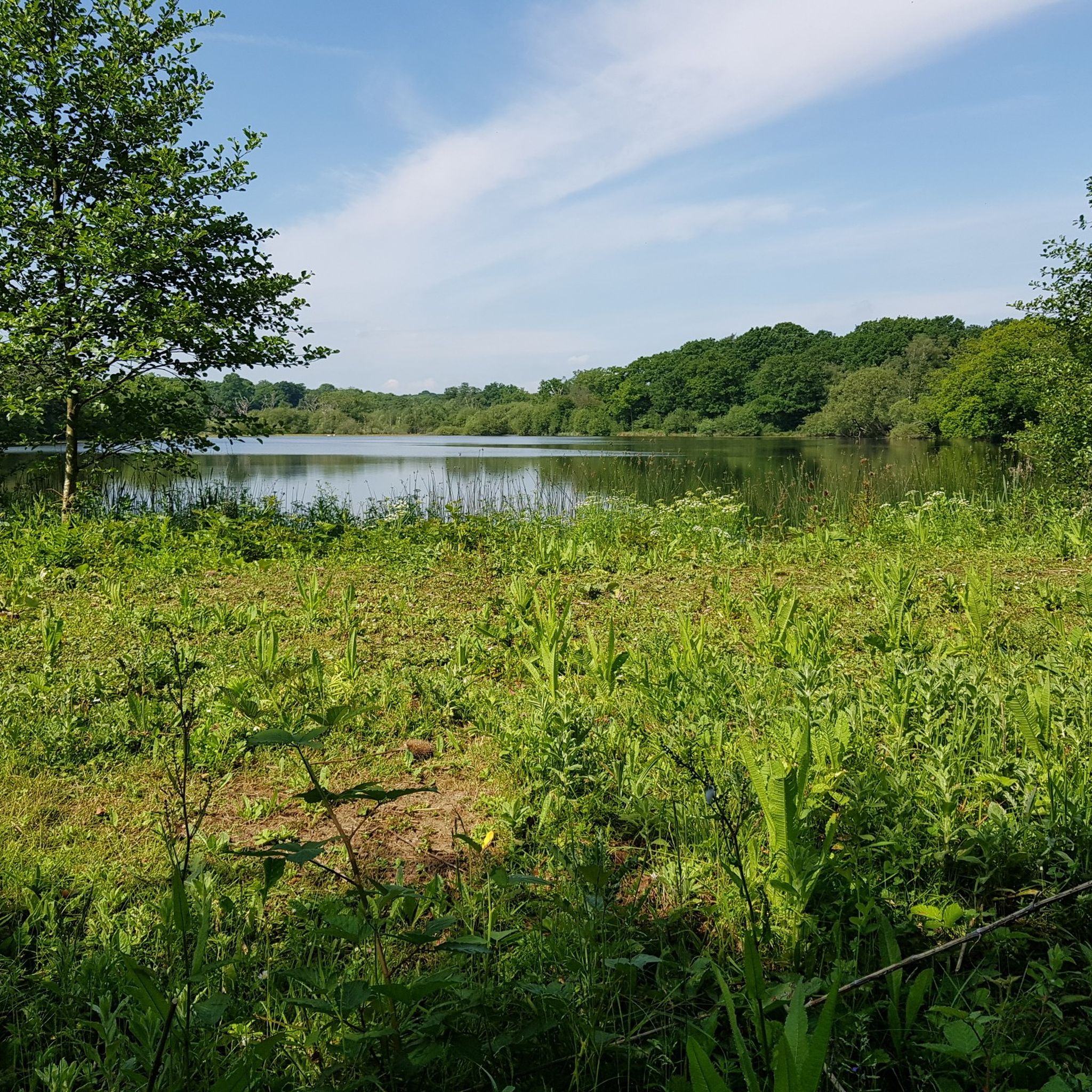
Ardingly Reservoir
Highlight • Lake
Tip by

West Grinstead Station
Highlight • Historical Site
There is a "family restaurant" coffee place just off the track by the road.
Tip by

Sign up now to discover places like this
Get recommendations on the best single tracks, peaks, & plenty of other exciting outdoor places.
Sign up for free
Shipley Windmill
Highlight • Viewpoint
Tip by

Turner's Hill South Climb
Highlight (Segment) • Viewpoint
Tip by

Ouse Valley Viaduct
Highlight (Segment) • Monument
Tip by

Sign up for free to discover even more attractions around Slaugham.
Sign up for free
Already have an account?
Start today with a free account
Your next adventure awaits.
Login or Signup

Tips from the Community


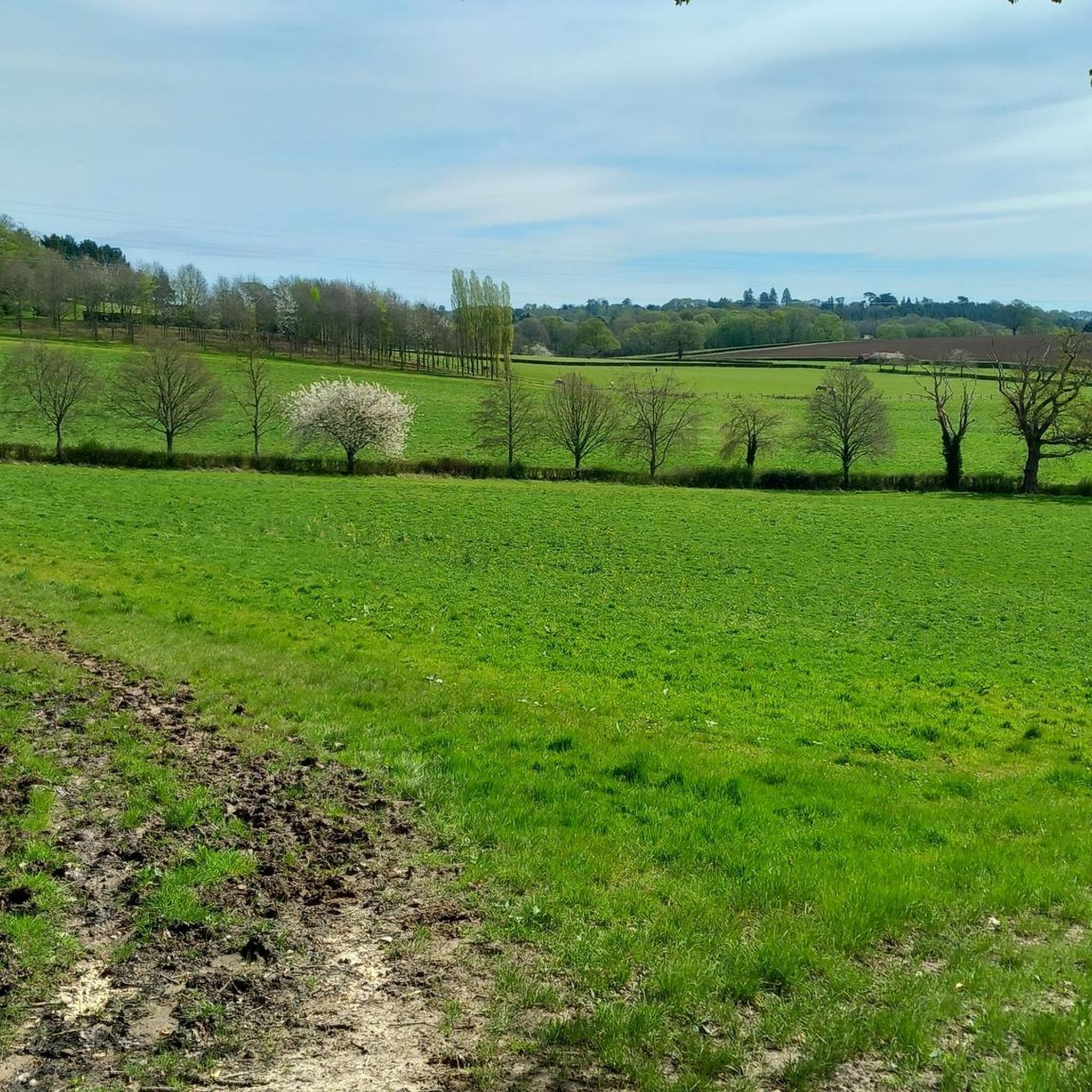
The perimeter path around the reservoir is very muddy in places currently due to the amount of rain. Welly boots needed in some places.
0
0

The Sussex Ouse Valley Way is a 42-mile (68 km) long-distance footpath that basically follows the course of the River Ouse from its source to the sea. It starts from Lower Beeding near Horsham to the coast at Seaford. It is generally regarded as an easy footpath, as most of the route is flat riverside walking. It is a very scenic journey as it goes through beautiful quintessential English countryside for most of its journey. Here by Upper-Ryelands Bridge on Border Hill Lane, you come across the fantastic structure of the Ouse Valley Viaduct that stretches out across you in all its magnificent structural glory, simply a stunning view.
2
0


Longer if you are travelling from the north towards Ardingly but gradual enough to get into a decent rhythm apart from the traffic at peak times.
0
0

These old windmills are the best proof that people were clever enough a number of centuries ago - long before the discovery of electricity and the inventions that resulted from it - to harness the power of the elements for their own purposes: no human or animal muscle power is needed for the grinding process, but the wind captured by the covered wings is enough to drive the heavy millstones and thus, for example, to grind flour from grain (grain mills) or to press oil from olives (oil mills). Often they are only technical and historical evidence of a long tradition of craftsmanship, because most of the old mills have been abandoned over time.
2
0
Nowadays, only a few of them are still in operation in their original function, but are often merely technical and historical monuments to a long tradition of craftsmanship: the heavy millstones inside were moved using the power of the wind as the driving force, for example to grind grain into flour (so-called grain mills) or to press oil from fruits (e.g. olives) (so-called oil mills). These old windmills are therefore the best proof that people were clever enough to harness the power of the wind a number of centuries ago - long before the discovery of electricity and the inventions that followed.
2
0
The tranquil Ardingly reservoir can be found 3 miles north of Haywards Heath. It is home to a number of bird species which can be identified with panels situated within bird hides around the reservoir. Walk the Kingfisher Nature Trail around the eastern shores and for the more adventurous, the Ardingly Activity Centre provides sailing, canoeing and windsurfing opportunities. Unfortunately most if not all access to the waterside is restricted to anglers.
0
0
Frequently Asked Questions
What historical sites can I explore in and around Slaugham?
Slaugham is rich in history. You can visit the evocative ruins of Slaugham Place, a moated manor house from 1579 with significant Elizabethan architectural details. Another key historical site is St Mary's Church, a Norman church with a 13th-century tower and memorials to the Covert family. Nearby, you can also find West Grinstead Station, a historical site that now offers a cafe, and Shipley Windmill, a landmark showcasing historical wind power.
Are there natural features or viewpoints to enjoy near Slaugham?
Yes, the area boasts several natural attractions. Slaugham's Large Lake is a source of the River Ouse, while Furnace Pond and Slaugham Mill Pond offer peaceful spots for anglers and birdwatchers. You can also visit Ardingly Reservoir, a Local Nature Reserve known for wildlife sightings, including ospreys. For scenic views, consider the Turner's Hill South Climb or the dramatic Ouse Valley Viaduct a few miles away.
What outdoor activities can I do near Slaugham?
The Slaugham area is excellent for outdoor activities, especially hiking and cycling. You can explore ancient woodlands, walk around tranquil ponds like Slaugham Mill Pond and Furnace Pond, or follow sections of the High Weald Landscape Trail. For specific routes, consider the hiking trails around Slaugham, including easy loops like the Slaugham Mill Pond – Furnace Pond loop. Cyclists can find various routes, such as the Tilgate Park Bridleway loops, detailed in the cycling guide for Slaugham.
Are there family-friendly attractions or activities in the Slaugham area?
Many attractions around Slaugham are suitable for families. Ardingly Reservoir offers wildlife spotting and watersports. West Grinstead Station has a cafe and is a good picnic spot. The peaceful walks around Slaugham Mill Pond and Furnace Pond are also great for families. Additionally, nearby Borde Hill Garden features an adventure playground, and Tilgate Lake offers a wide range of outdoor activities.
What are some easy walking trails near Slaugham?
For easy walks, consider the 5 km Slaugham Mill Pond and Furnace Pond Loop, which is tranquil and surrounded by lush greenery. Another option is the JO.CO Café – Nymans Garden and Ruins loop from Slaugham, which is approximately 5.6 km. These trails are generally flat and suitable for a relaxed stroll.
What gardens and estates can I visit near Slaugham?
Several renowned gardens and estates are located close to Slaugham. These include Nymans (a National Trust property known for its rare plants), High Beeches Woodland and Water Garden, Leonardslee Gardens, and Borde Hill Garden with its historic formal gardens and woodlands. For a different experience, Mannings Heath Wine Estate and Bolney Wine Estate offer vineyard visits.
What is the best time of year to visit Slaugham for nature and outdoor activities?
Spring and autumn are particularly beautiful for visiting Slaugham. In spring, the ancient woodlands, such as Church Covert, are vibrant with bluebells. Autumn offers stunning foliage. The lakes and ponds are pleasant year-round for birdwatching, though spring and summer might offer more active wildlife. Always check local weather conditions before planning outdoor activities.
Are there opportunities for wildlife spotting around Slaugham?
Yes, the natural areas around Slaugham are rich in wildlife. The ancient woodlands are home to deer, foxes, and various bird species. Furnace Pond and Slaugham Mill Pond are excellent for birdwatching, where you might spot kingfishers, herons, and various ducks. Ardingly Reservoir is a designated Local Nature Reserve and a known spot for ospreys.
What makes Slaugham unique or a 'hidden gem'?
Slaugham offers a blend of historical charm and natural beauty often overlooked by larger tourist hubs. Its unique features include the remarkably preserved ruins of Slaugham Place and the absence of overhead wires in the village, a result of a historical initiative to bury them underground. The tranquil ponds and ancient woodlands also provide a peaceful escape, making it a true countryside gem.
What do visitors enjoy most about the attractions around Slaugham?
Visitors frequently praise the tranquility and natural beauty of the area, especially around the lakes and woodlands. The historical significance of sites like Slaugham Place and St Mary's Church is also highly appreciated. Many enjoy the well-maintained walking and cycling routes, and the opportunity to spot wildlife. For example, visitors find West Grinstead Station a nice place for a picnic or coffee break, and the walk around Ardingly Reservoir is often highlighted as very pleasant.
Are there any cafes or pubs near the walking routes in Slaugham?
While specific establishments are not detailed for every route, West Grinstead Station has a cafe nearby, which is a convenient stop along some trails. The region research also mentions 'The Orchard Restaurant' near West Grinstead. For other walks, it's advisable to check local village amenities in Slaugham or nearby hamlets for pubs and cafes that might be along your chosen route.
Most popular routes around Slaugham
Most popular attractions around Slaugham

Get inspired with the komoot mobile app


Explore more
Still not found the Highlight you’re looking for? See guides of the top attractions in other regions:
