Attractions and Places To See around Pyecombe - Top 20
Best attractions and places to see around Pyecombe include a blend of historical sites and natural features within the South Downs National Park. This region offers access to prominent chalk hills, ancient earthworks, and diverse natural landscapes. Visitors can explore a variety of landmarks and natural monuments, providing opportunities for outdoor activities and historical discovery. The area is characterized by its rolling downs and rich ecological diversity.
Best attractions and places to see around Pyecombe
- The most popular attractions is…
Last updated: August 2, 2026
Ditchling Beacon
Highlight • Natural Monument
Tip by

Jack and Jill Windmills
Highlight • Monument
Tip by
Sign up now to discover places like this
Get recommendations on the best single tracks, peaks, & plenty of other exciting outdoor places.
Sign up for free
Devil's Dyke
Highlight • Historical Site
Tip by

Royal Pavilion Brighton
Highlight • Monument
Translated by Google •
Tip by

Madeira Terrace
Highlight • Historical Site
Originally built in the late 1800s, more and more of it …
Tip by

Sign up for free to discover even more attractions around Pyecombe.
Sign up for free
Already have an account?
Start today with a free account
Your next adventure awaits.
Login or Signup

Other adventures around Pyecombe

Tips from the Community

Beautiful and unusual building. It is also worth to take the time to walk through the gardesns surrounding it.
0
0

There is a fab cycle lane that runs all the way along the terrace from the Pier right through to the Marina and beyond to saltdean. There are bicycles for hire, and it is safe for children. The Victorian 'Reading Room' café has now been done up and is open to the public, and some of the pebble beach has been landscaped to encourage the growth of seaside plants.
1
0

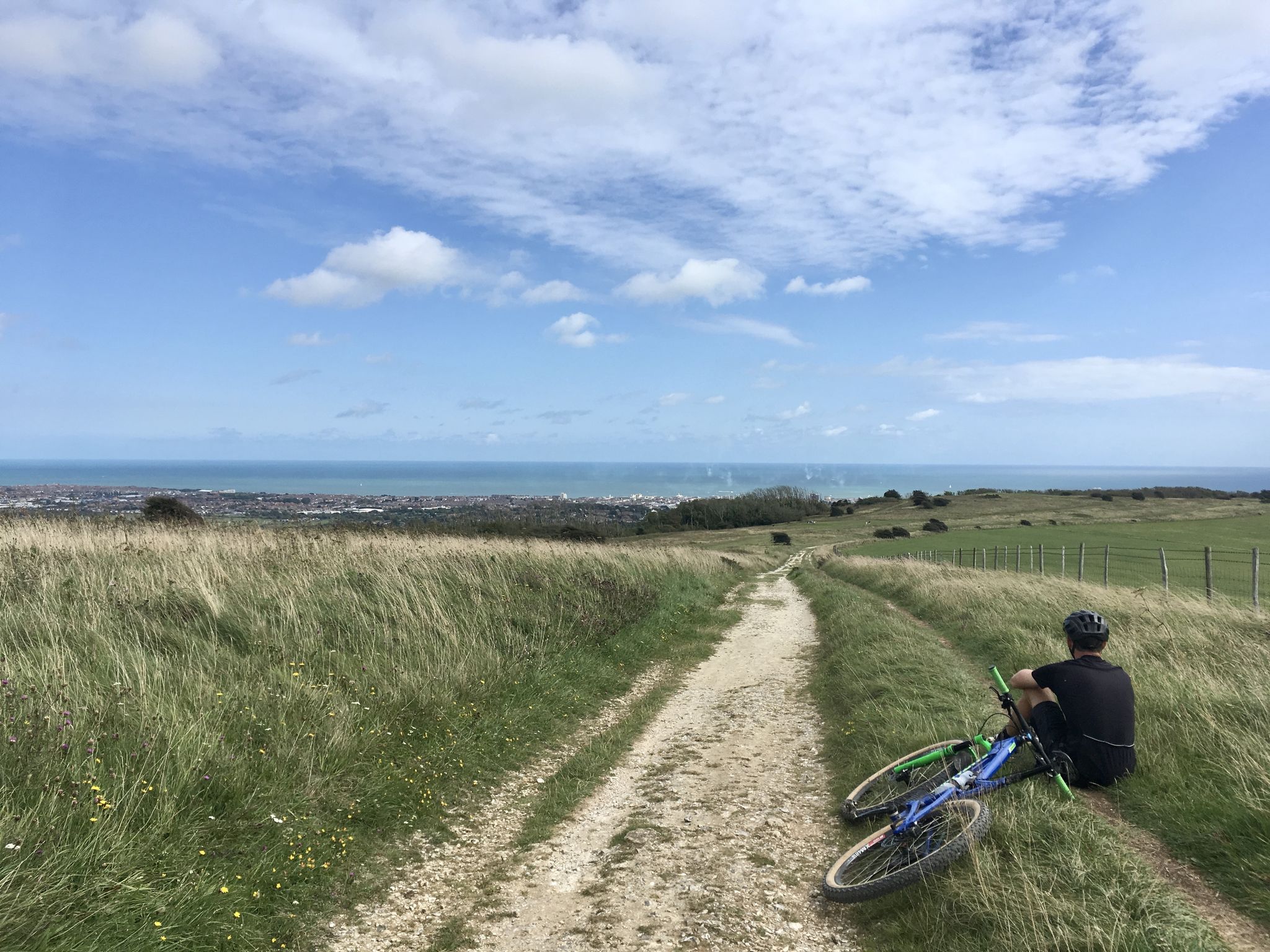
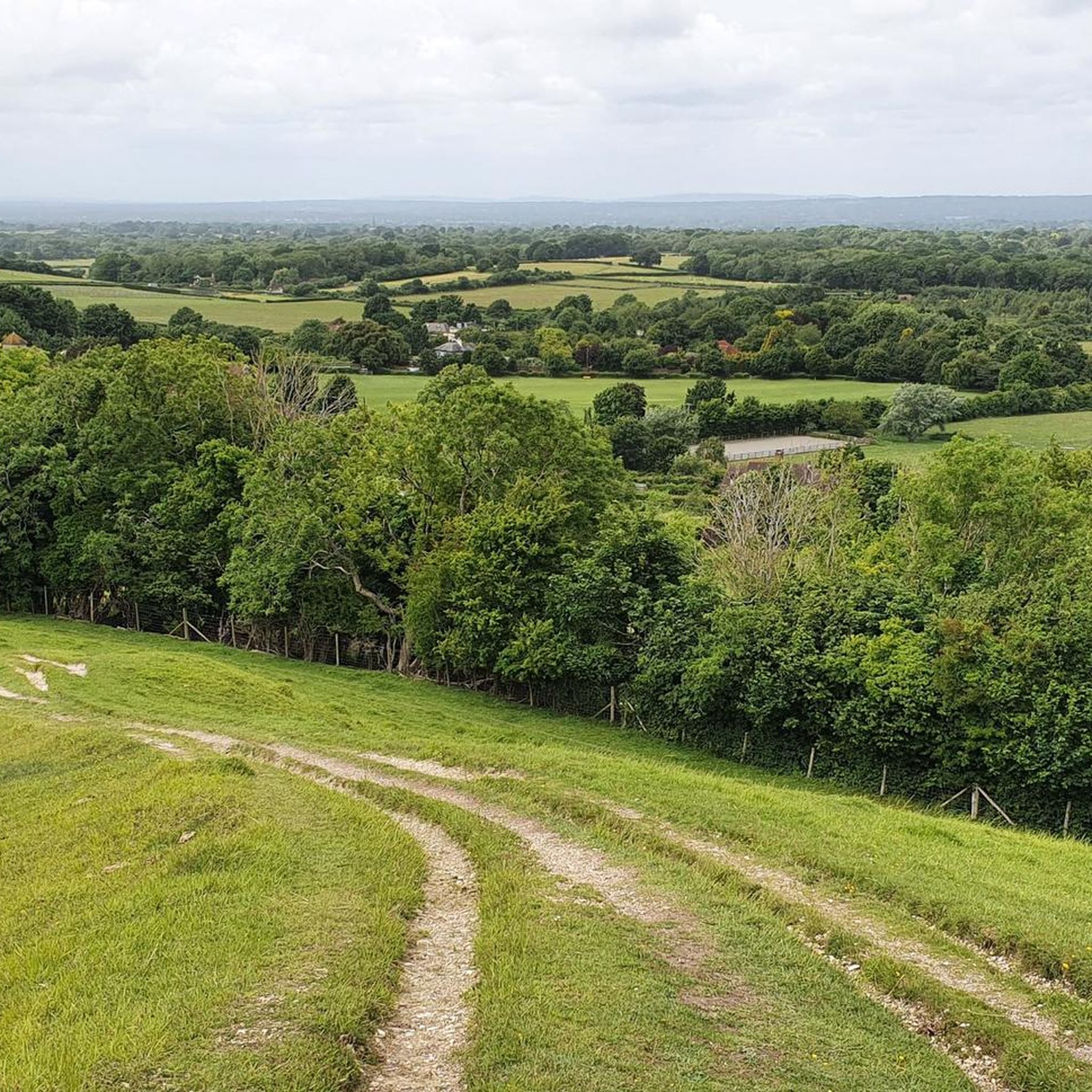
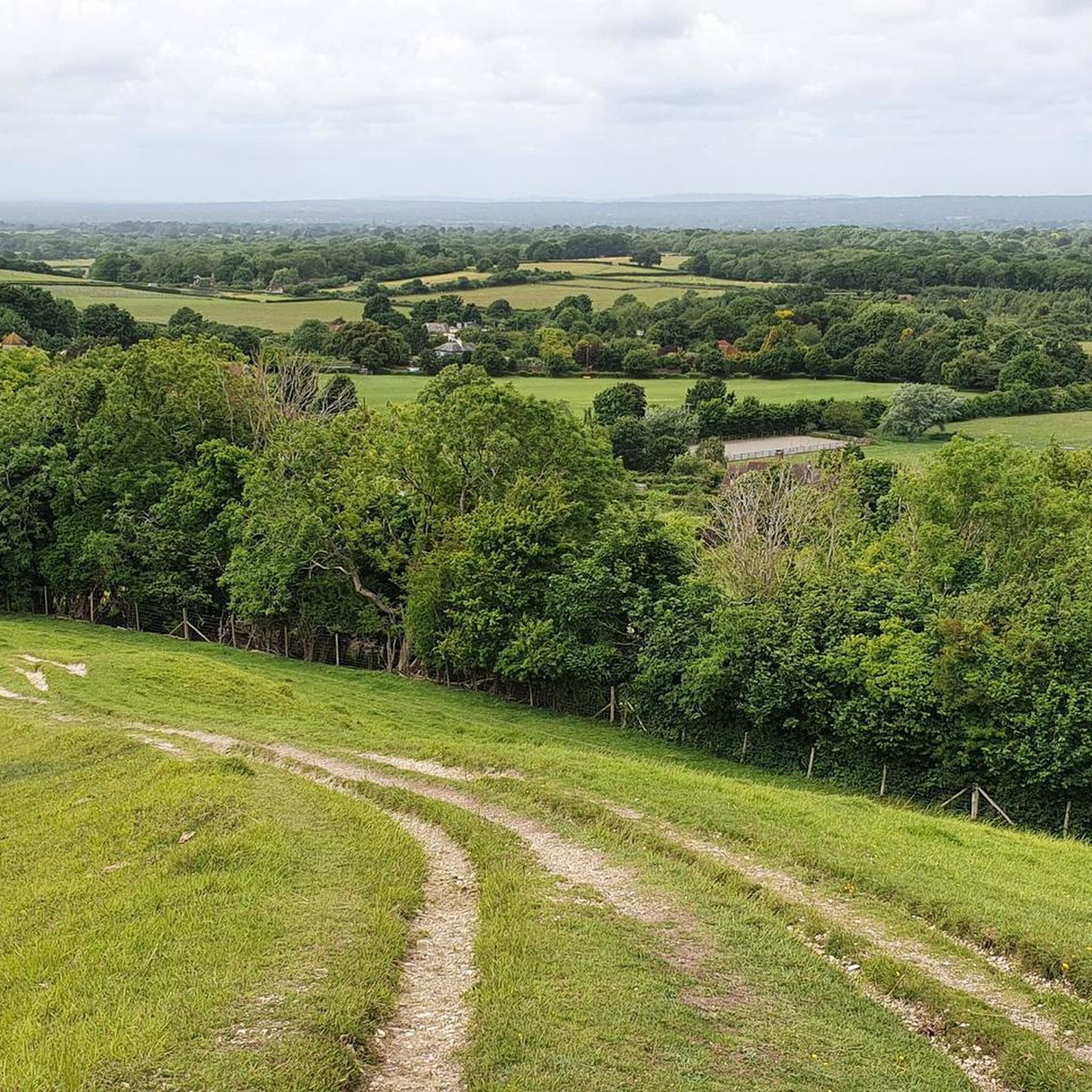
At over 650 feet (200 m), Ditchling Beacon gives you a good climb and a great vantage point to see out over the surrounding countryside. To the north you look back at the lush countryside of the Weald, to the south are views of Brighton, and to the east and west, the rolling undulating views out over the South Downs.
1
1

Delicious coffee from a small converted horse trailer. It won't always be there. But if it is, it's a recommendation.
0
0


These old windmills are the best proof that people were clever enough a number of centuries ago - long before the discovery of electricity and the inventions that resulted from it - to harness the power of the elements for their own purposes: no human or animal muscle power is needed for the grinding process, but the wind captured by the wings is enough to drive the heavy millstones and thus, for example, to grind flour from grain (grain mills) or to press oil from olives (oil mills). Often they are only technical and historical evidence of a long tradition of craftsmanship, because most of the old mills have been abandoned over time.
2
0
This is a beautiful spot, there is a trig point that is placed on one of the ramparts of the actual Iron Age hillfort here. It is very popular with walkers, and families. The valley bowl is also particularly beautiful.
1
0

Ice cream van also serving Tea today (Easter Monday). view from the top on a nice clear day
0
0
Frequently Asked Questions
What natural landmarks and viewpoints can I explore near Pyecombe?
Pyecombe is surrounded by significant natural landmarks and offers stunning viewpoints within the South Downs National Park. You can visit Ditchling Beacon, the highest point along the Sussex Downs, offering panoramic views across the Weald and the South Downs. Another must-see is Devil's Dyke, a unique v-shaped chalkland dry valley known for wildflowers and butterflies. Additionally, Wolstonbury Hill, owned by the National Trust, is a prominent chalk hill with ancient chalk grassland and diverse wildlife, including rare butterflies and orchids.
Are there historical sites to visit in and around Pyecombe?
Yes, Pyecombe boasts several historical sites. The Church of the Transfiguration is a Grade I listed medieval building with parts dating back to the 12th century, notable for its lead font and unique Tapsel Gate. The northern portal of the Clayton Tunnel, built in 1841, resembles a small medieval castle. You can also find Iron Age earthworks at Wolstonbury Hill, Ditchling Beacon, and Devil's Dyke.
What walking and hiking routes are available near Pyecombe?
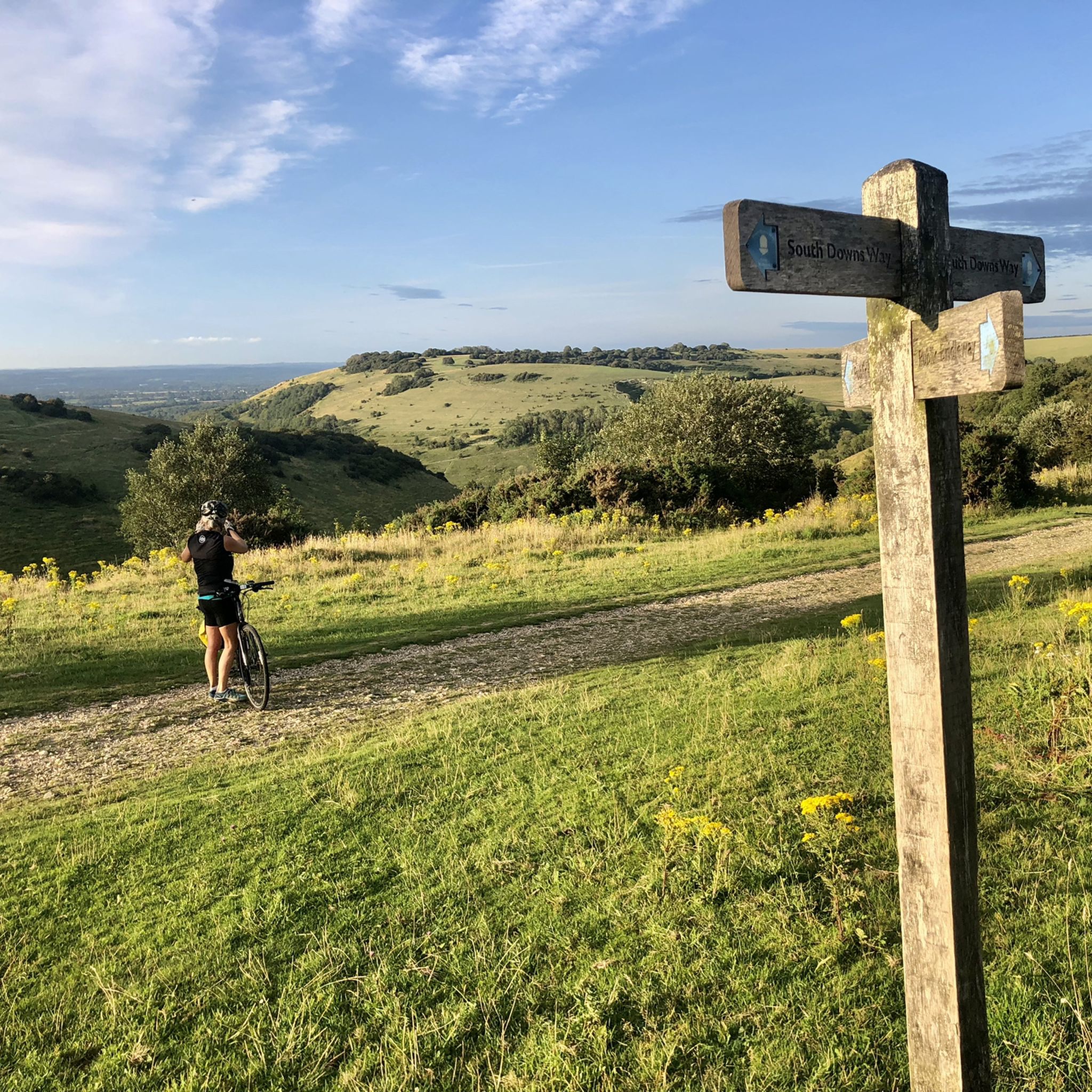
Pyecombe is an excellent base for walking and hiking, with the South Downs Way passing directly through the village. You can find numerous routes, including those that take you to Ditchling Beacon and Devil's Dyke. For more detailed options, explore the hiking routes around Pyecombe in our dedicated guide: Attractions and Places To See around Pyecombe.
Can I find cycling routes near Pyecombe's attractions?
Absolutely. The area around Pyecombe offers a variety of cycling routes suitable for different skill levels. You can find easy loops like 'Streat and Westmeston loop from Ditchling' or more moderate rides such as 'Ditchling Beacon Climb – Ditchling Beacon loop from Pyecombe'. For a comprehensive list of options, check out our guide to cycling around Pyecombe: Cycling around Pyecombe.
Are there mountain biking trails around Pyecombe?
Yes, mountain biking enthusiasts will find several trails around Pyecombe, particularly within the South Downs National Park. Options range from moderate routes like 'Ditchling Beacon, The Chattri and Devil's Dyke loop' to more challenging ones such as 'Southease Church and Drinking Water Tap – Iford Hill Track loop'. Discover more trails in our MTB guide: MTB Trails around Pyecombe.
Are there family-friendly attractions around Pyecombe?
Yes, several attractions near Pyecombe are suitable for families. Jack and Jill Windmills offer an interesting historical visit, with Jill Windmill often open to the public on weekends during summer. Devil's Dyke is also a great spot for families to enjoy nature, with plenty of space for walks and picnics. The nearby Brighton Palace Pier and Royal Pavilion Brighton offer further family entertainment slightly further afield.
What is special about the Church of the Transfiguration in Pyecombe?
The Church of the Transfiguration is a historically significant Grade I listed building with a chancel and nave dating back to the 12th century. It's particularly known for its rare lead font, which legend says was hidden during the Civil War. The churchyard also features a unique Tapsel Gate, a distinctive Sussex design that swivels on a central pivot, incorporating a surviving Pyecombe Hook.
When is the best time to visit Pyecombe for outdoor activities?
The best time to visit Pyecombe for outdoor activities is generally during the spring, summer, and early autumn months (April to October). During these periods, the weather is milder, and the chalk grasslands of the South Downs are vibrant with wildflowers and butterflies. This makes it ideal for hiking, cycling, and enjoying the scenic views.
Is parking available near the main attractions in Pyecombe?
Parking is generally available near many of the key attractions. For instance, Ditchling Beacon and Devil's Dyke have designated parking areas. The Pyecombe Golf Course also offers parking for its visitors. For local produce and a cafe, Wayfield Park Farm Shop, located near the A23, provides parking facilities.
How can I reach Pyecombe and its attractions by public transport?
Pyecombe is accessible by public transport, though options might be more limited than in larger towns. Local bus services connect Pyecombe with nearby towns like Brighton and Hassocks, which have train stations. From these hubs, you can often find routes that take you closer to the South Downs National Park and its attractions. It's advisable to check local bus schedules for the most up-to-date information.
What do visitors enjoy most about the attractions around Pyecombe?
Visitors particularly enjoy the panoramic views from elevated points like Ditchling Beacon and Devil's Dyke. The unique natural beauty of the chalkland valleys, the abundance of wildflowers and butterflies, and the rich historical context of Iron Age earthworks are frequently highlighted. The opportunity for peaceful walks and the sense of being immersed in nature within the South Downs National Park are also highly appreciated.
Are there any unique local crafts or products associated with Pyecombe?
Yes, Pyecombe has a historical association with high-quality shepherd's crooks. The distinctive 'Pyecombe Hook' was traditionally crafted in the old Pyecombe Forge. A surviving example of this unique hook is even integrated into the Tapsel Gate at the entrance to the Church of the Transfiguration.
Most popular routes around Pyecombe
Most popular attractions around Pyecombe

Get inspired with the komoot mobile app


Explore more
Still not found the Highlight you’re looking for? See guides of the top attractions in other regions:
