Attractions and Places To See around Glynde - Top 20
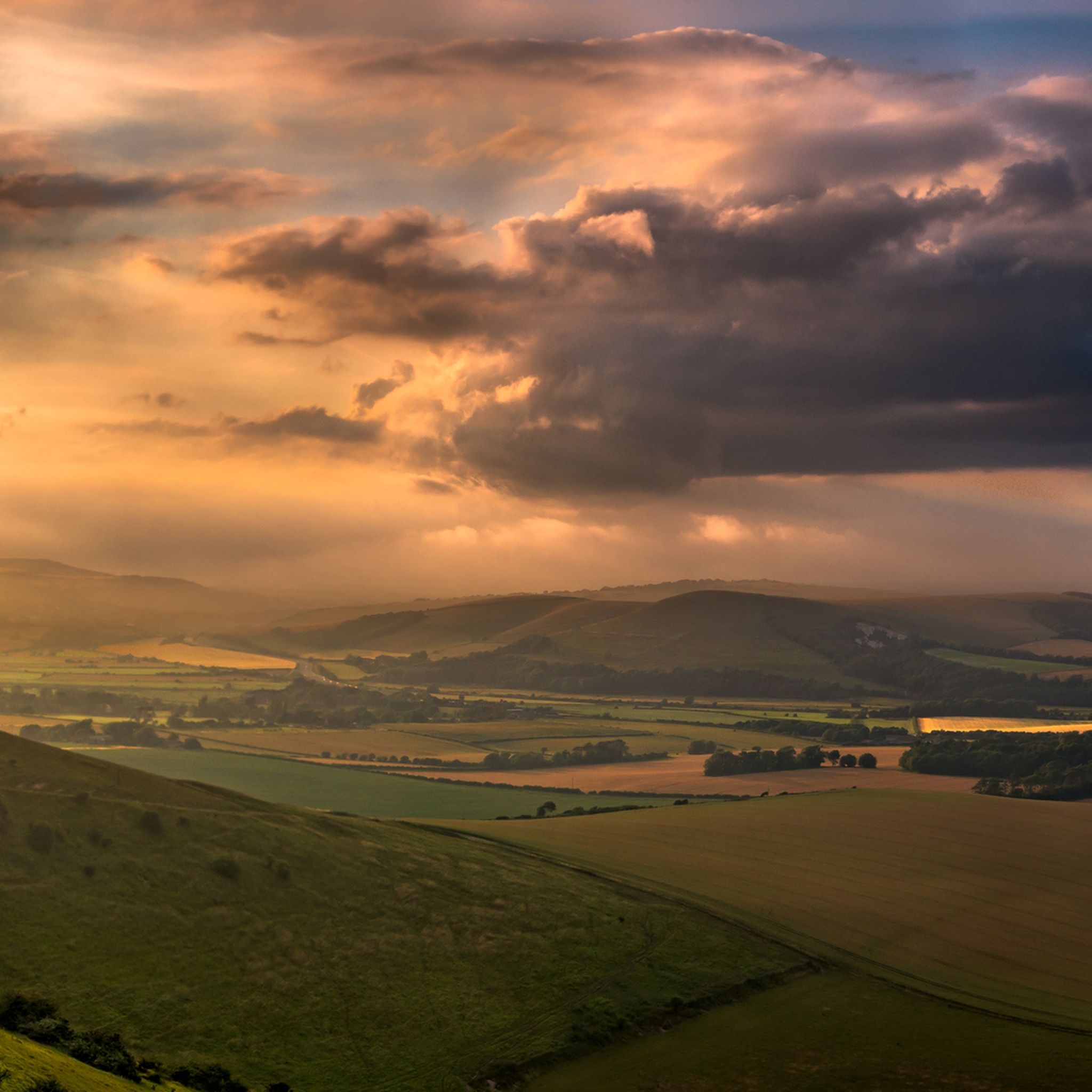
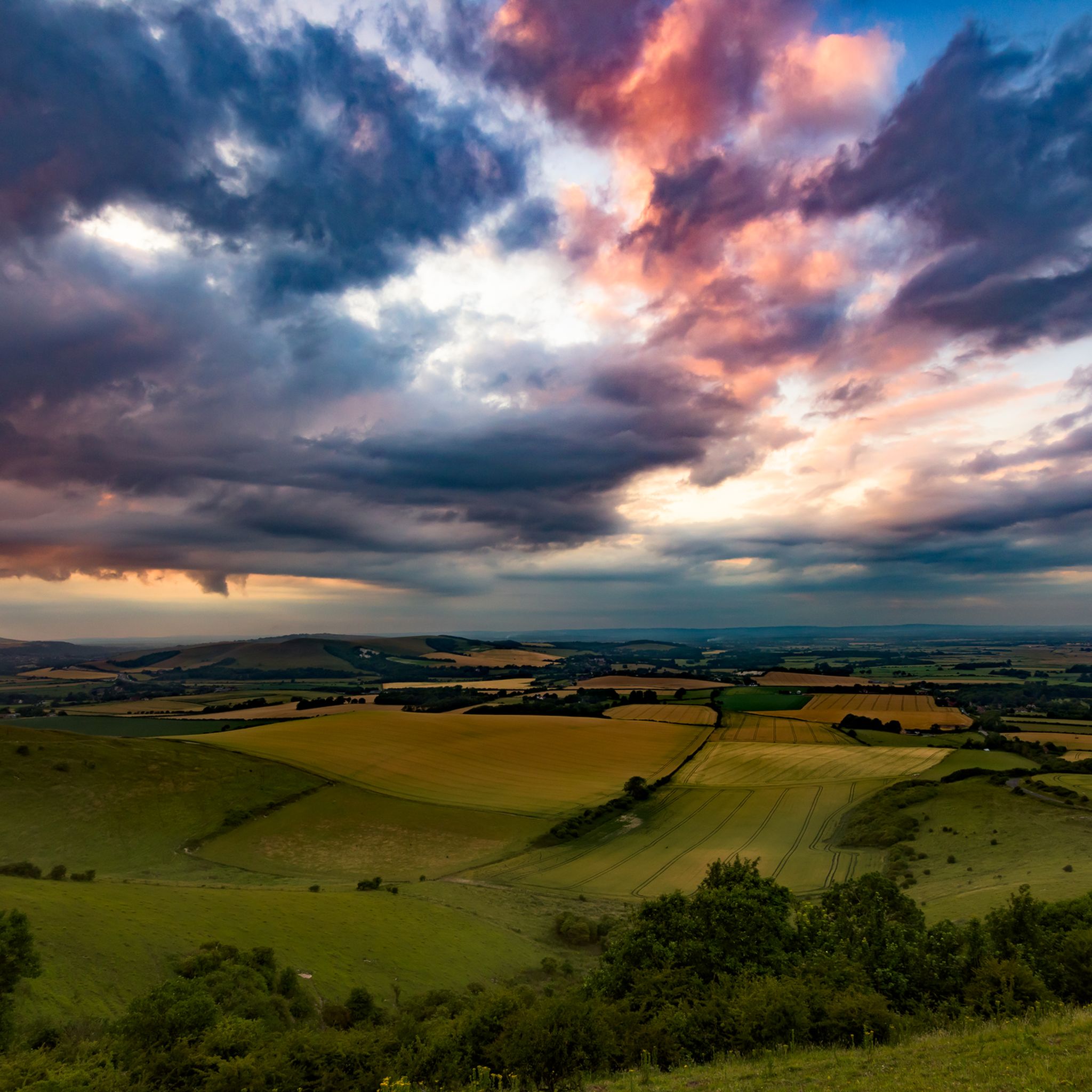
Best attractions and places to see around Glynde are situated in the South Downs of East Sussex, offering a blend of historical landmarks and natural beauty. The village serves as a base for exploring the surrounding national park and its unique natural features. Visitors can discover sites of historical significance and enjoy the varied landscape.
Best attractions and places to see around Glynde
- The most popular attractions is Long Man of Wilmington, a man-made monument that is a 235-foot (72 m) tall chalk figure cut into the downs. Its origins are debated, with theories ranging from prehistoric times to the medieval era.
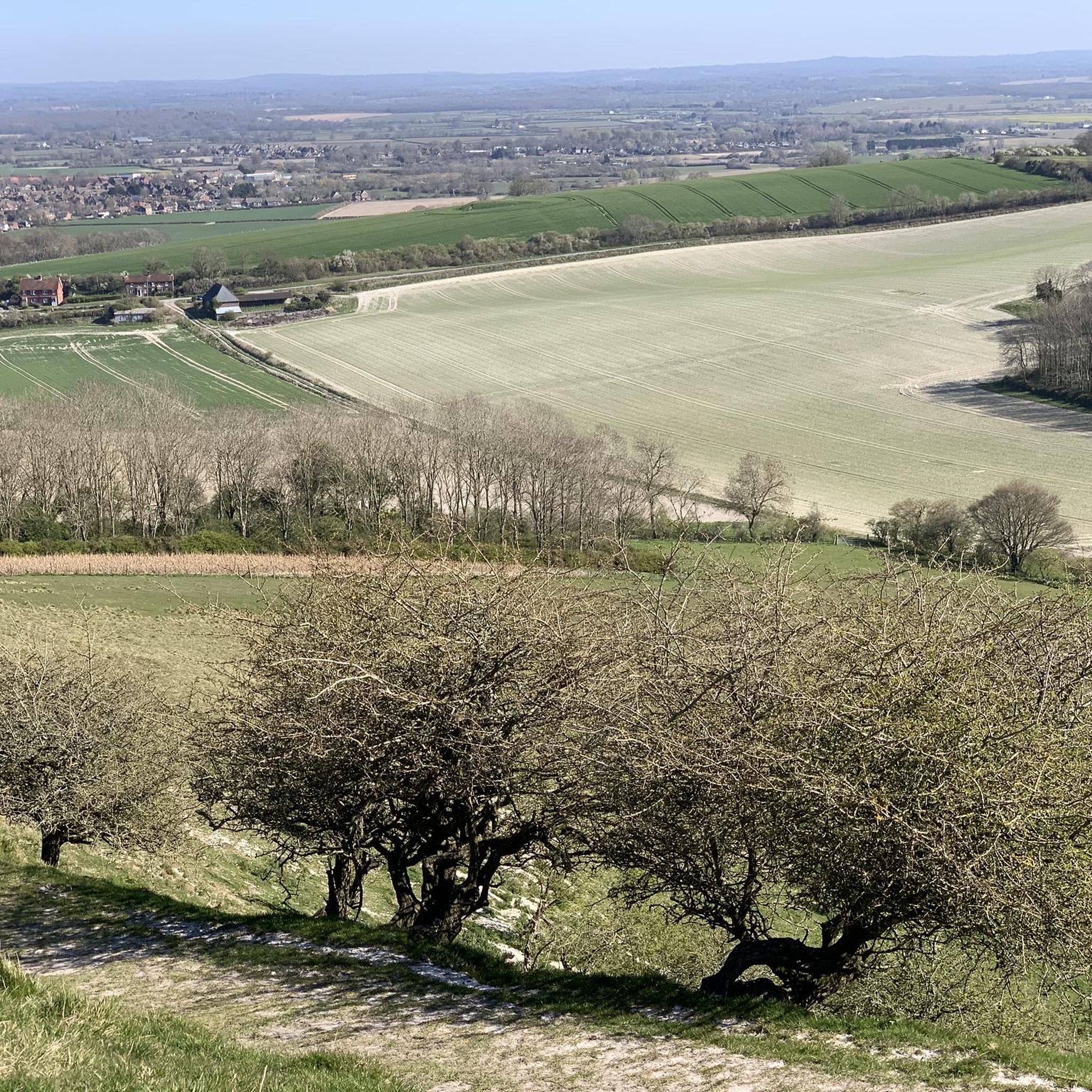
- Another must-see spot is Firle Beacon summit, a natural monument standing at 712 feet (217 meters) tall. It affords extensive views over the South Downs and features ancient burial sites.
- Visitors also love High Street, Alfriston, a settlement known for its medieval inns, boutiques, cafes, and a Grade I-listed market cross. This street offers a glimpse into historical village life.
- Glynde is known for its historical landmarks, natural features, and cultural sites. The area provides a variety of attractions to see and explore, from ancient monuments to charming village settings.
- The attractions around Glynde are appreciated by the komoot community, with more than 250 upvotes and 75 photos shared.
Last updated: October 10, 2026
Long Man of Wilmington
Highlight • Monument
Tip by

High Street, Alfriston
Highlight • Settlement
Tip by
Sign up now to discover places like this
Get recommendations on the best single tracks, peaks, & plenty of other exciting outdoor places.
Firle Beacon summit
Highlight • Summit
Tip by
St Andrew's Church, Alfriston
Highlight • Historical Site
Translated by Google •
Tip by

St Peter's Church, Southease
Highlight • Historical Site
Tip by
Sign up for free to discover even more attractions around Glynde.
Already have an account?
Start today with a free account
Your next adventure awaits.
Tips from the Community


Beautiful little village with a couple of great shops for refuelling
2
0

I can recommend visiting the Long Man of Wilmington (it isn't an ancient Fertility symbol more an artificial 17th century tourist attraction, more fool, the faux American witches I saw there several years ago). However I can't recommend leaving the Long Man pub down the road, at 7.30pm, in January, several days after it snowed and then several days of negative temperatures froze it in place, and then climb straight up past it. There is a path but we decided that would take far too long to divert to it. It was not surprisingly steep.
0
0

About the patronage of this church: Saint ANDREW is one of the twelve apostles that Jesus Christ called to follow him. However, in the biblical accounts he is usually somewhat overshadowed by his much more famous brother: Saint Peter. In the Gospels we find the calling of the two siblings presented in different ways. According to the text of the Gospel of John (John 1:40-42), Andrew is called first (together with another disciple whose name is not mentioned). Later he tells his brother that he has found the Messiah. The feast of Saint Andrew in the calendar of saints is on November 30th in all major Christian denominations. The X-shaped white "St. Andrew's Cross" on which he was executed forms the national flag of Scotland against a blue background and has also found its way into the national flag of the United Kingdom of Great Britain.
2
0

This is a beautiful round towered church, it was a shame to see the graveyard so unkept. It very definitely needs a bit of ground maintenance.
0
0
Our Dan and T1 have given a great account of this lovely little church, and I fear I will only be treading on the toes of highlight giants if I add any more antecedent information on this church. With this being said, there are numerous park benches in the vicinity to rest a weary hiker's butt on, and there is a rather interesting green ‘bomb’ or mine on the edge of the village green!
0
0
Beautiful Alfriston is a local hub for walks up and down the Cuckmere valley and across to the Long Man of Wilmington. A very quaint and beautiful village.
4
0
Frequently Asked Questions
What historical landmarks can I explore in and around Glynde?
Glynde and its surroundings are rich in history. You can visit Glynde Place, a magnificent Elizabethan manor house with extensive gardens, generally open from early May to late June. The unique Italianate St. Mary the Virgin Church, built in the 18th century, is also within the village. Nearby, the village of Alfriston offers a glimpse into historical village life, particularly along its High Street with medieval inns and a Grade I-listed market cross. Don't miss St Andrew's Church, Alfriston, known as the 'Cathedral of the Downs', or the charming St Peter's Church, Southease, one of only three in Sussex with a round tower.
Are there any notable natural features or viewpoints near Glynde?
Absolutely. Glynde is nestled within the South Downs National Park. A prominent natural feature is Mount Caburn, an imposing chalk downland national nature reserve offering extensive views over the South Downs and the Ouse Valley, and home to an Iron Age hill fort. Another excellent viewpoint is Firle Beacon summit, standing at 712 feet (217 meters) tall, which also provides far-reaching views and features ancient burial sites.
What kind of outdoor activities can I do around Glynde?
The South Downs National Park surrounding Glynde offers numerous opportunities for outdoor activities. You can enjoy hiking, cycling, and bird watching. For specific routes, consider exploring the hiking trails around Glynde, which range from moderate to difficult. There are also easy hikes available for a more relaxed experience, and gravel biking routes for cyclists.
Are there family-friendly attractions or activities in the Glynde area?
Yes, several attractions are suitable for families. The historic High Street, Alfriston, with its charming shops and cafes, is a pleasant place for a family stroll. Many of the historical churches, such as St Andrew's Church, Alfriston and St Peter's Church, Southease, are also considered family-friendly for visits. Exploring the natural landscapes of the South Downs, including gentle walks, can also be a great family activity.
Where can I find unique cultural experiences near Glynde?
For unique cultural experiences, Glyndebourne, a Tudor manor house north of the village, is renowned as the home of English opera, attracting visitors globally for its operatic excellence. You can also visit Glynde Forge, a traditional blacksmith's shop transformed into a museum, offering a glimpse into the village's industrial heritage.
What is the best time of year to visit Glynde for outdoor activities?
The best time to visit Glynde for outdoor activities, especially walking and cycling in the South Downs, is generally from late spring to early autumn (May to September). During these months, the weather is typically milder and drier, making for more pleasant conditions to explore the trails and enjoy the views. The gardens of Glynde Place are also open during early summer.
Are there any dog-friendly trails or places to visit around Glynde?
The South Downs National Park, which surrounds Glynde, offers many dog-friendly walking opportunities. While specific rules may apply in certain areas, generally, dogs are welcome on leads on most public footpaths and bridleways. Many of the trails mentioned in the hiking guides are suitable for walks with dogs, provided they are kept under control.
Where can I find places to eat or drink in Glynde village?
Glynde village itself has a few local establishments. For a wider selection, the nearby village of Alfriston, with its High Street, is known for its medieval inns, cafes, and boutiques, offering various options for refreshments and meals. You can also find pubs and cafes in other surrounding villages within a short drive.
What is the significance of the Long Man of Wilmington?
The Long Man of Wilmington is a fascinating man-made monument, a 235-foot (72 m) tall chalk figure cut into the downs. Its origins are debated, with theories ranging from prehistoric times to the medieval era, making it a mysterious and iconic landmark in the region. Visitors can view him from afar or walk across his form on the side of the Downs.
How can I get to Glynde using public transport?
Glynde has its own train station, Glynde railway station, which provides connections to larger towns like Lewes and Eastbourne, making it accessible by rail. From these towns, you can connect to other parts of the region. Local bus routes also serve the village, connecting it to nearby communities and attractions within the South Downs.
Are there any easy walking routes near Glynde suitable for all abilities?
Yes, if you're looking for less challenging walks, there are easy hikes around Glynde. These routes often feature gentler terrain and shorter distances, perfect for a leisurely stroll or for those with limited mobility. Many of these routes offer pleasant views of the countryside and local villages without requiring strenuous effort.
Most popular attractions around Glynde

Get inspired with the komoot mobile app


Explore more
Still not found the Highlight you’re looking for? See guides of the top attractions in other regions:
