The best MTB trails around Knowle St Giles
5.0
(2)
16
riders
6
rides
Mountain biking around Knowle St Giles offers access to varied terrain within the picturesque Somerset countryside. The region is characterized by its proximity to the Blackdown Hills, an Area of Outstanding Natural Beauty, featuring woodland tracks and bridleways. Riders can explore historic parklands and scenic landscapes, with routes often including unpaved segments and varied elevation profiles. This area provides a gateway to diverse cycling opportunities, including challenging ascents and descents.
Best mountain bike trails around Knowle St Giles
- The most…
Last updated: August 20, 2026
5.0
(2)
8
riders
17.2km
01:29
320m
320m
Moderate mountain bike ride. Good fitness required. Suitable for all skill levels.
2
riders
23.7km
01:38
340m
340m
Moderate mountain bike ride. Good fitness required. Suitable for all skill levels.

Sign up for free
1
riders
24.0km
01:39
300m
300m
Moderate mountain bike ride. Good fitness required. Suitable for all skill levels.
3
riders
39.4km
02:54
600m
600m
Moderate mountain bike ride. Good fitness required. Suitable for all skill levels.
2
riders
20.0km
01:50
470m
470m
Moderate mountain bike ride. Good fitness required. Suitable for all skill levels.
Our route recommendations are based on thousands of hikes, rides, and runs completed by other people on komoot.
Start today with a free account
Your next adventure awaits.
Login or Signup
Tips from the Community


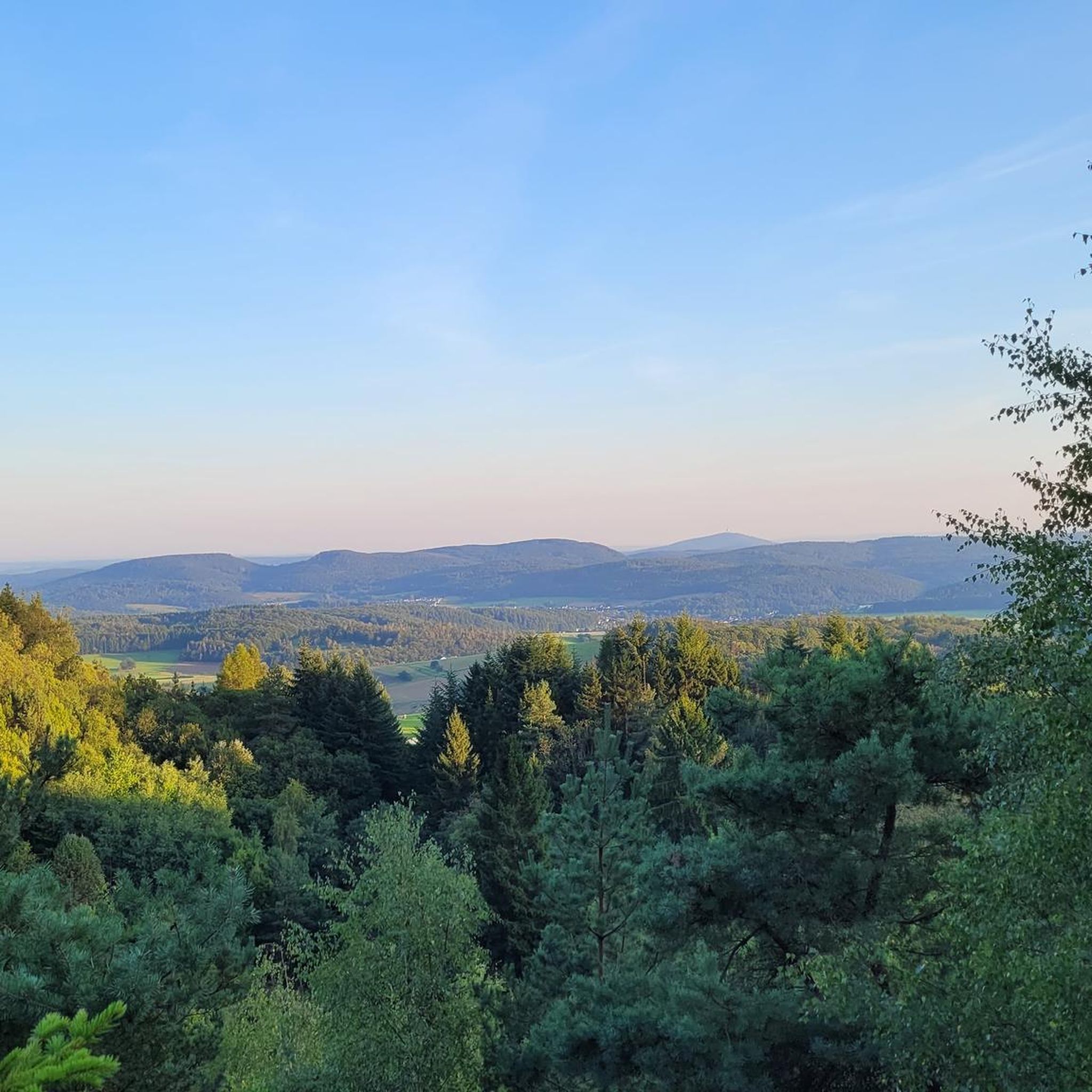
Castle Neroche is a significant historical site in Somerset, England, located on the northern escarpment of the Blackdown Hills. It is not a standing stone castle today, but rather a complex of impressive earthworks that reveal a long history of use.
1
0

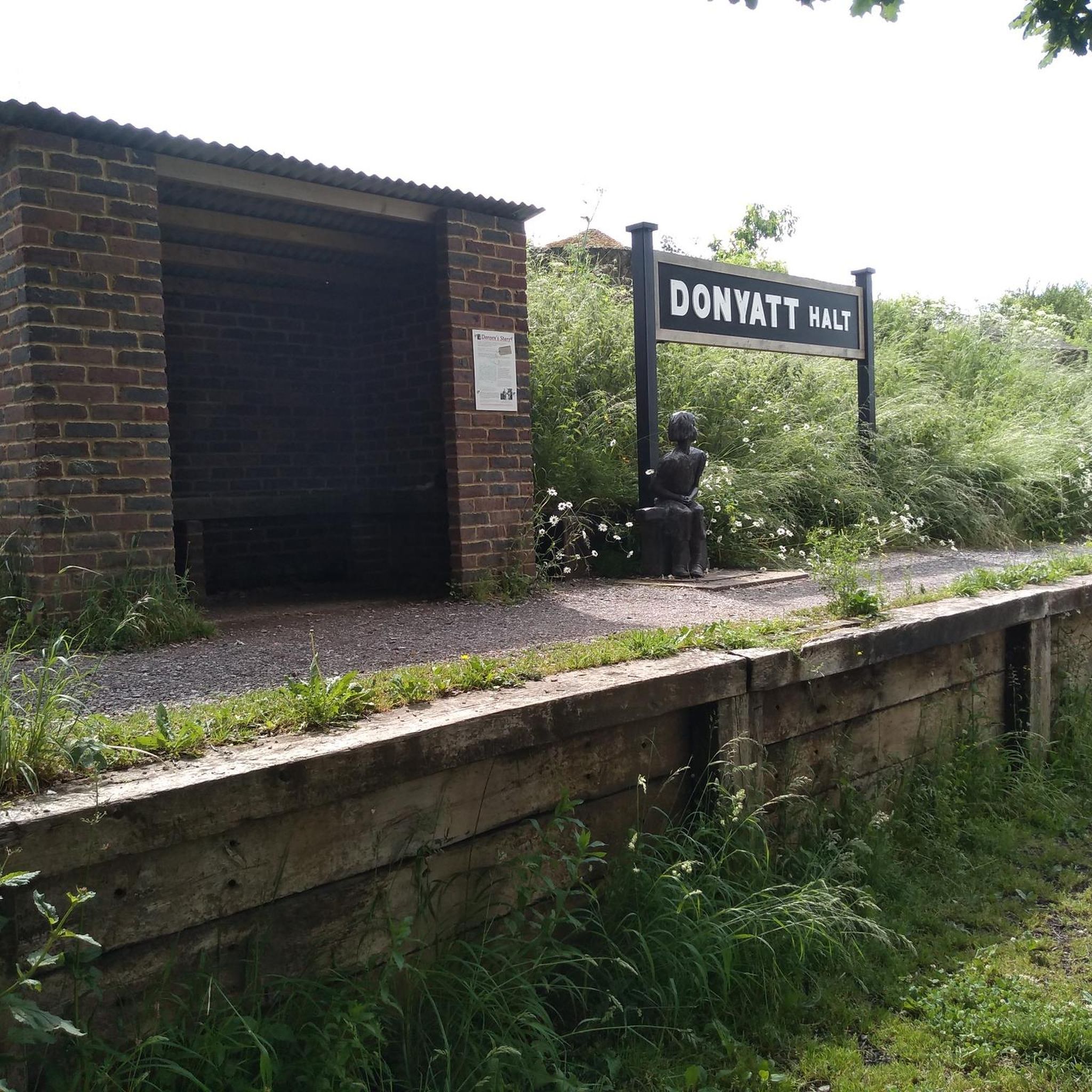
Donyatt Halt Records for Donyatt Halt state: "This halt, opened on May 5th, 1928, has a single platform edged with wooden sleepers, and a small wooden shelter. A pathway leads up from the platform to the road, which crosses the line by an overbridge at the Ilminster end of the platform. An ornate oil lamp stands at the top of the path and there are various posts with brackets for hanging oil lamps in winter." It would be the guard's duty to light and extinguish these lamps. Five trains a day operated in each direction taking about 45 minutes for the 15 - mile journey from Taunton to Chard, having made stops at Thornfalcon, Hatch, Ilton, Ilminster and Donyatt. Donyatt.com
0
0


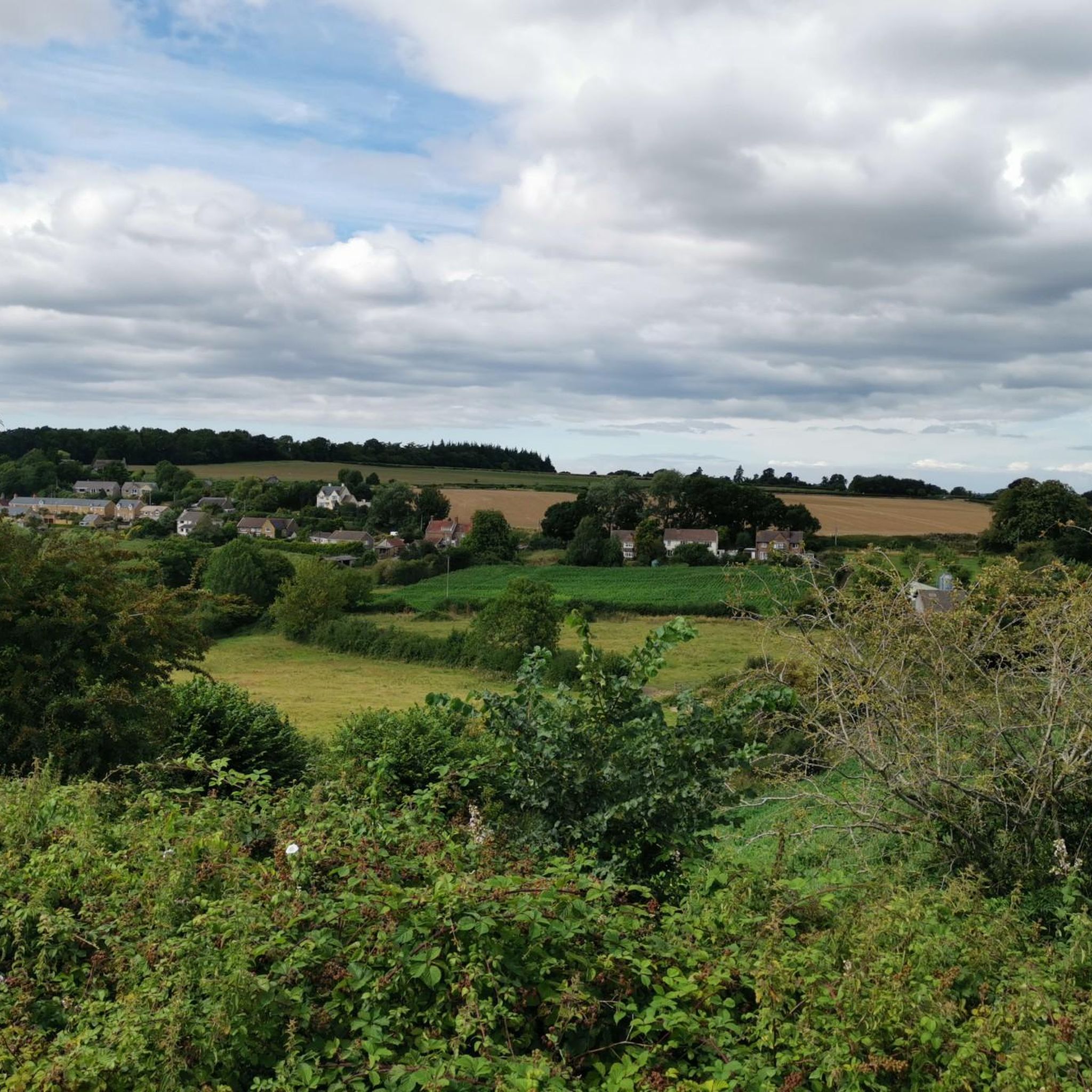
Can be viewed from the road at the corner of Lower Hyde Road
1
0
Norman castle The earthworks at the site are larger than would normally be found in a castle from the Norman period, raising speculation that it reused previously developed features. The castle was probably built by Robert, Count of Mortain in the 11th century. Archaeological evidence suggests it was built in several stages. During the first a rampart enclosing 7.5 acres (3.0 ha) was built. Soon after the Norman Conquest a smaller inner ringwork was constructed. The site was later converted into a motte and bailey, with a corner of the 20 feet (6.1 m) high motte serving as a barbican. By the early 12th century the castle was no longer in regular use. However, its use was resumed during The Anarchy, a period of civil war and unsettled government during a succession dispute between the supporters of King Stephen (1135–1154) and those of his cousin, the Empress Matilda. Continued use in the later 12th century may have been by administrators of the surrounding royal forest as a base for operations against poachers.
2
1
Castle Neroche is a Norman motte-and-bailey castle on the site of an earlier hill fort in the parish of Curland, near Staple Fitzpaine, Somerset, England. It is a Scheduled Ancient Monument. The origin of the term Neroche is believed to be a contraction of the Old English words nierra and rechich or rachich for Rache, a type of hunting-dog used in Britain in the Middle Ages, giving a meaning of the camp where hunting dogs were kept. This also gives the site its alternative name of Castle Rache. Iron Age The reason for the construction of Iron Age hill forts has been a subject of debate. It has been argued that they could have been military sites constructed in response to invasion from continental Europe, sites built by invaders, or a military reaction to social tensions caused by an increasing population and consequent pressure on agriculture. The dominant view since the 1960s has been that the increasing use of iron led to social changes in Britain. Deposits of iron ore were separated from the sources of tin and copper necessary to make bronze, and as a result trading patterns shifted and the old elites lost their economic and social status. Archaeologist Barry Cunliffe believes that population increase played a role and has stated "[the forts] provided defensive possibilities for the community at those times when the stress [of an increasing population] burst out into open warfare. But I wouldn't see them as having been built because there was a state of war. They would be functional as defensive strongholds when there were tensions and undoubtedly some of them were attacked and destroyed, but this was not the only, or even the most significant, factor in their construction.
2
0

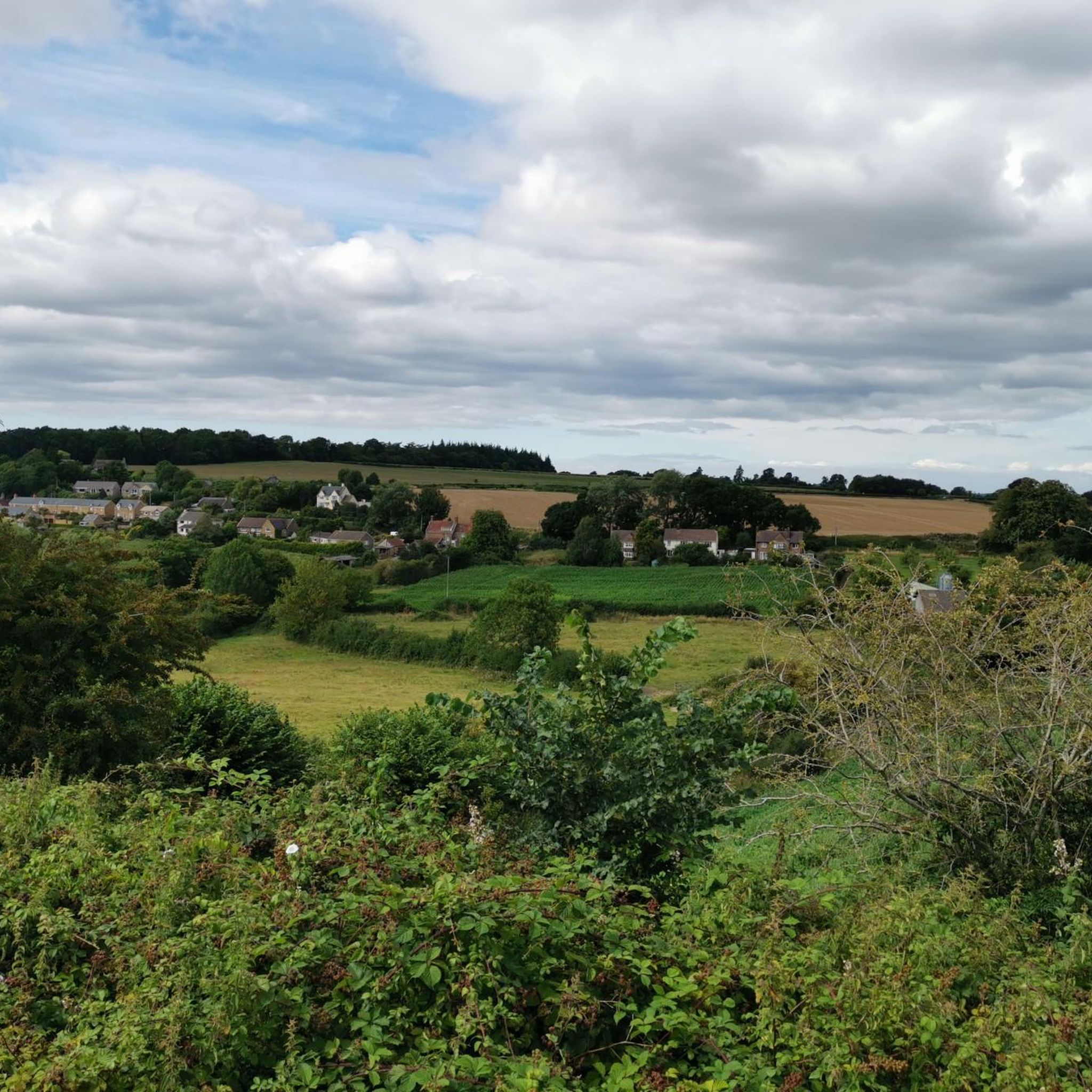
The swoopy bridleway from the adjoining highlight quickly turns overgrown and cobbly, down to Woodram Lane. It's walkable, but a restricted byway unless you're on a mule, llama,or surefooted horse. Or you're Hans Rey (or any other superhuman trials rider)
1
0
Frequently Asked Questions
How many mountain bike trails are available around Knowle St Giles?
There are currently 6 mountain bike trails documented on komoot around Knowle St Giles, offering a range of experiences from easy to difficult.
Are there any easy mountain bike trails suitable for beginners near Knowle St Giles?
Yes, there are 2 easy mountain bike routes available. These trails are generally shorter and have less challenging terrain, making them ideal for beginners or those looking for a relaxed ride.
What kind of terrain can I expect on mountain bike trails in this area?
The mountain bike trails around Knowle St Giles feature varied terrain, including woodland tracks, bridleways, and fireroads. You'll encounter both unpaved segments and varied elevation profiles, especially within the Blackdown Hills area.
Are there any circular mountain bike routes?
Many of the routes around Knowle St Giles are circular. For example, the Whitford Hill Fireroad – Staple Hill Trail loop from Bickenhall and the Donyatt Halt – Castle Neroche Woods loop from Ilminster are both popular circular options.
What landmarks or points of interest can I see along the mountain bike trails?
Several trails pass by notable landmarks. The Donyatt Halt – Castle Neroche Woods loop from Ilminster leads through the historic Castle Neroche Iron Age Hill Fort. Other nearby attractions include Donyatt Halt, St Peter's Church, Staple Fitzpaine, and the impressive Forde Abbey and Gardens.
Are there any viewpoints along the mountain bike routes?
Yes, particularly within the Blackdown Hills, routes often offer scenic views. For instance, trails around Castle Neroche provide views over the Vale of Taunton towards the Quantock Hills and Exmoor.
What do other mountain bikers say about the trails in Knowle St Giles?
The mountain bike trails around Knowle St Giles are highly rated by the komoot community, with an average score of 5.0 stars. Riders often praise the varied terrain, from woodland tracks to historic parklands, and the scenic beauty of the Somerset countryside.
Is there parking available for mountain bikers near the trails?
While specific parking details for each trail start point are best checked on individual route pages, areas like Castle Neroche and Ham Hill Country Park typically offer designated parking facilities for visitors accessing the trails.
Can I access mountain bike trails using public transport?
Knowle St Giles is a rural village, so public transport options directly to trailheads might be limited. It's advisable to check local bus services for connections to nearby towns like Ilminster, from where some routes may be accessible by a short ride.
Are there any family-friendly mountain biking options?
For families, the 2 easy-rated trails would be the most suitable starting point. These routes generally have gentler gradients and less technical sections, providing a more enjoyable experience for riders of all ages.
What is the best time of year to go mountain biking in Knowle St Giles?
The spring and summer months generally offer the most pleasant weather for mountain biking in Somerset. Spring also brings the chance to see bluebells in woodlands, such as those around Dillington House. Autumn can also be beautiful with changing foliage, though trails may be wetter.
Are there pubs or cafes near the mountain bike trails?
While Knowle St Giles itself is a small village, nearby towns and villages like Ilminster or those closer to specific trailheads may offer pubs and cafes for refreshments. It's a good idea to plan your route to include stops if you wish to refuel.
Are dogs allowed on the mountain bike trails?
Many public bridleways and tracks in the UK countryside are dog-friendly, provided dogs are kept under control, especially around livestock. Always check local signage and be mindful of other trail users and wildlife.
Most popular attractions around Knowle St Giles

Get inspired with the komoot mobile app


Explore more
Browse the best MTB trails in other regions.
