Attractions and Places To See around Little Chart - Top 20
Best attractions and places to see around Little Chart include a rural landscape characterized by fields, woods, and the Great Stour river valley. The village is situated on the Lower Greensand Slopes and features historical landmarks. Long-distance footpaths like The Stour Valley Walk and The Greensand Way pass through the area, offering opportunities for exploration. This region combines natural features with sites of historical significance.
Best attractions and places to see around Little Chart
- The most popular attractions is Lenham…
Last updated: July 2, 2026
Lenham Cross
Highlight • Natural Monument
Translated by Google •
Tip by

Pilgrims' Way
Highlight (Segment) • Cycleway
Translated by Google •
Tip by
Sign up now to discover places like this
Get recommendations on the best single tracks, peaks, & plenty of other exciting outdoor places.
Sign up for free
Brother Percival Statue (Pilgrim's Rest)
Highlight • Monument
Tip by

St James' Church Egerton
Highlight • Religious Site
Tip by

St Gregory and St Martin’s Church
Highlight • Religious Site
Tip by
Sign up for free to discover even more attractions around Little Chart.
Sign up for free
Already have an account?
Start today with a free account
Your next adventure awaits.
Login or Signup
Tips from the Community

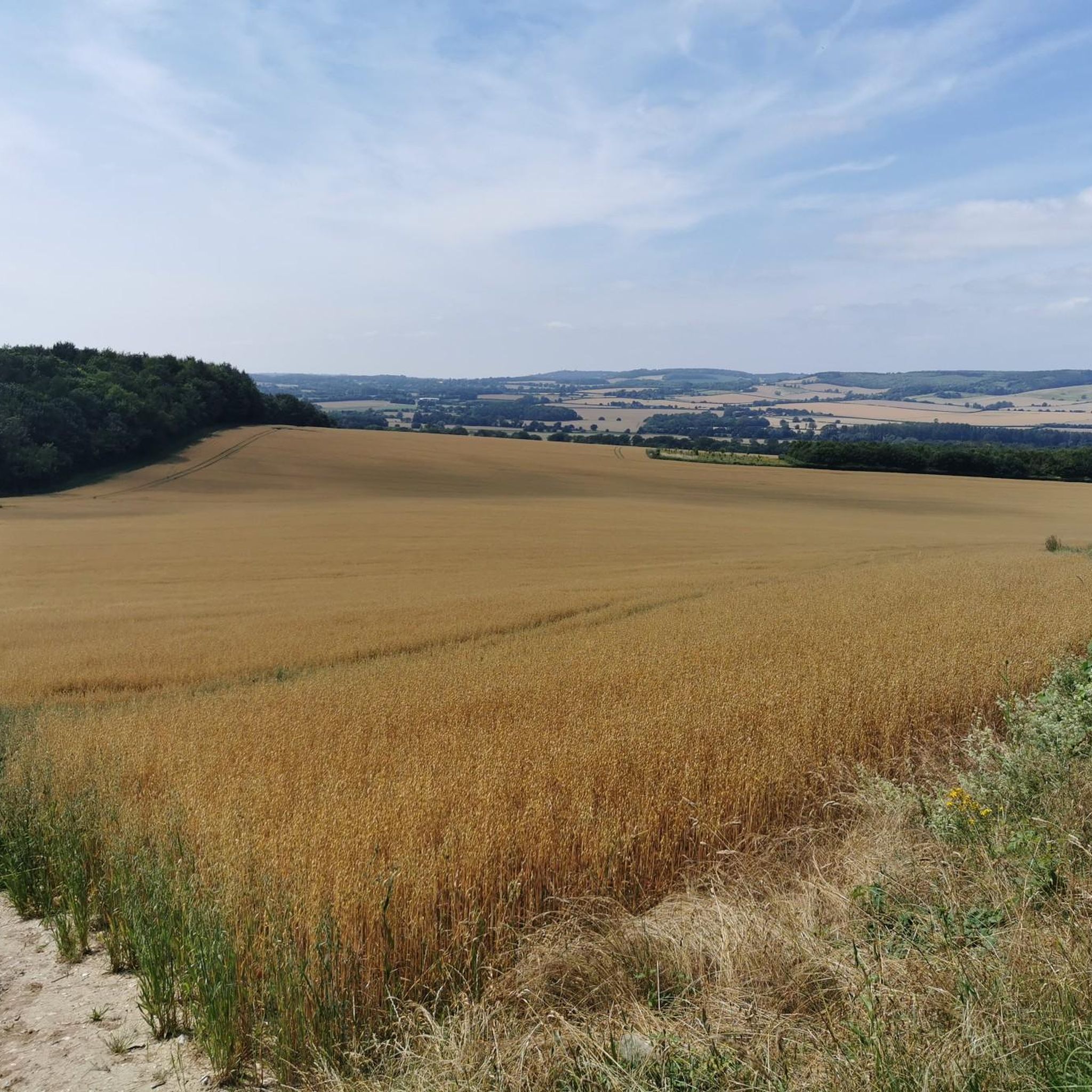
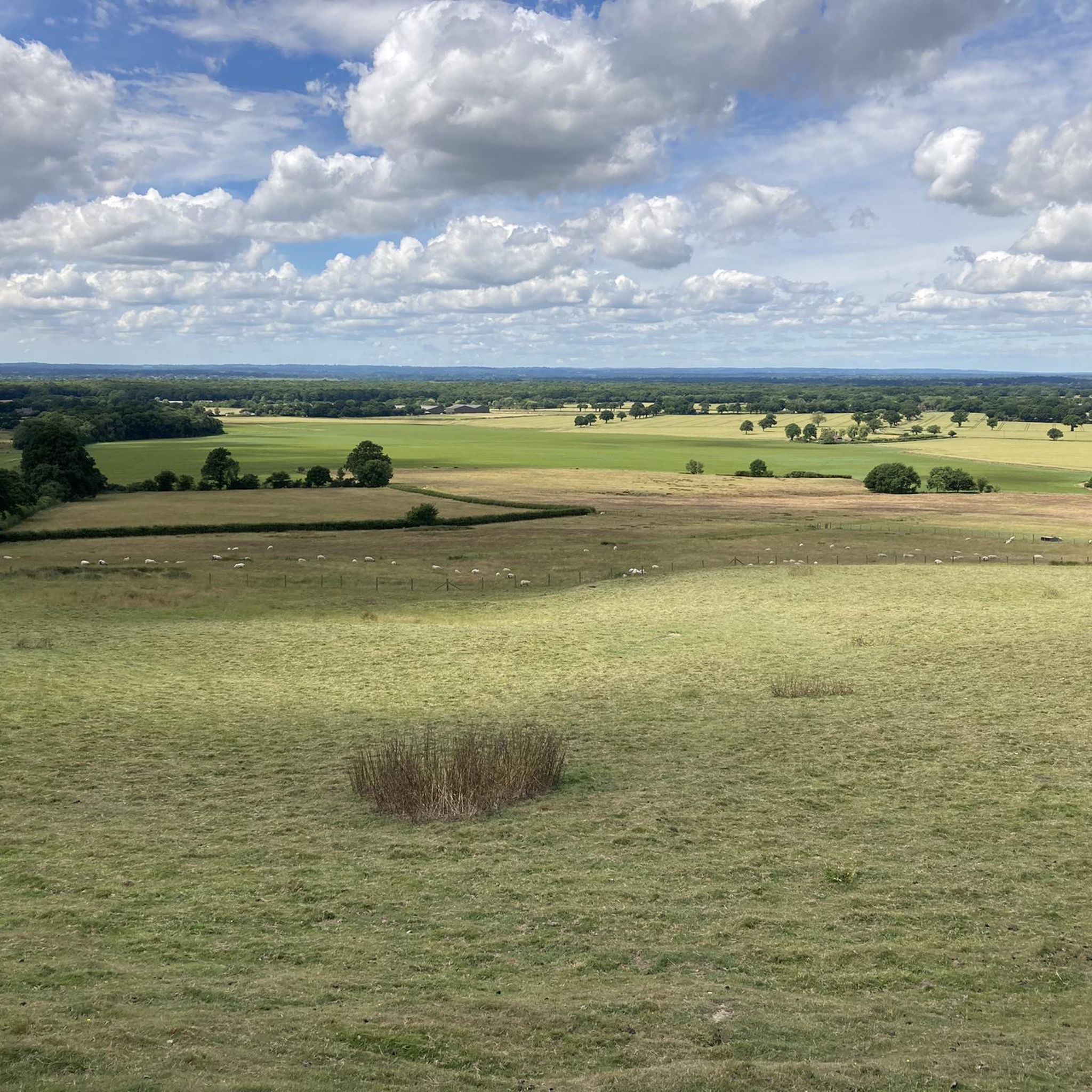
Gorgeous views, but it's a technical ride, the surface on Pilgrim Way is not maintained. However, can be done with gravel bikes with minimum 35mm tires on dry days. 40mm+ would be more appropriate. To be avoided on wet days.
0
0

The community of Lenham commemorates the dead of the Second World War with a horizontal stone cross.
0
0

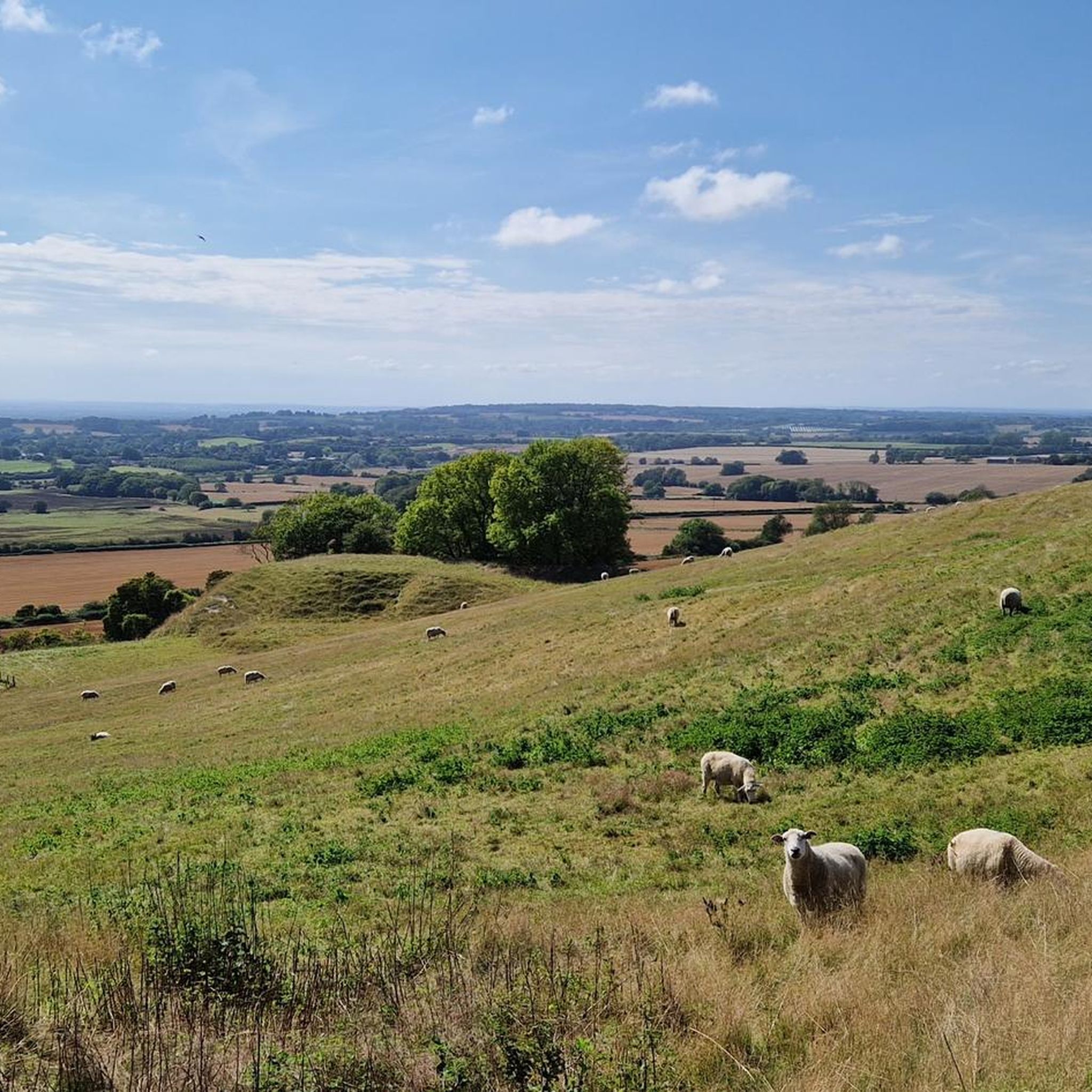
A relatively modern chalk symbol sculpted in the hillside
0
0
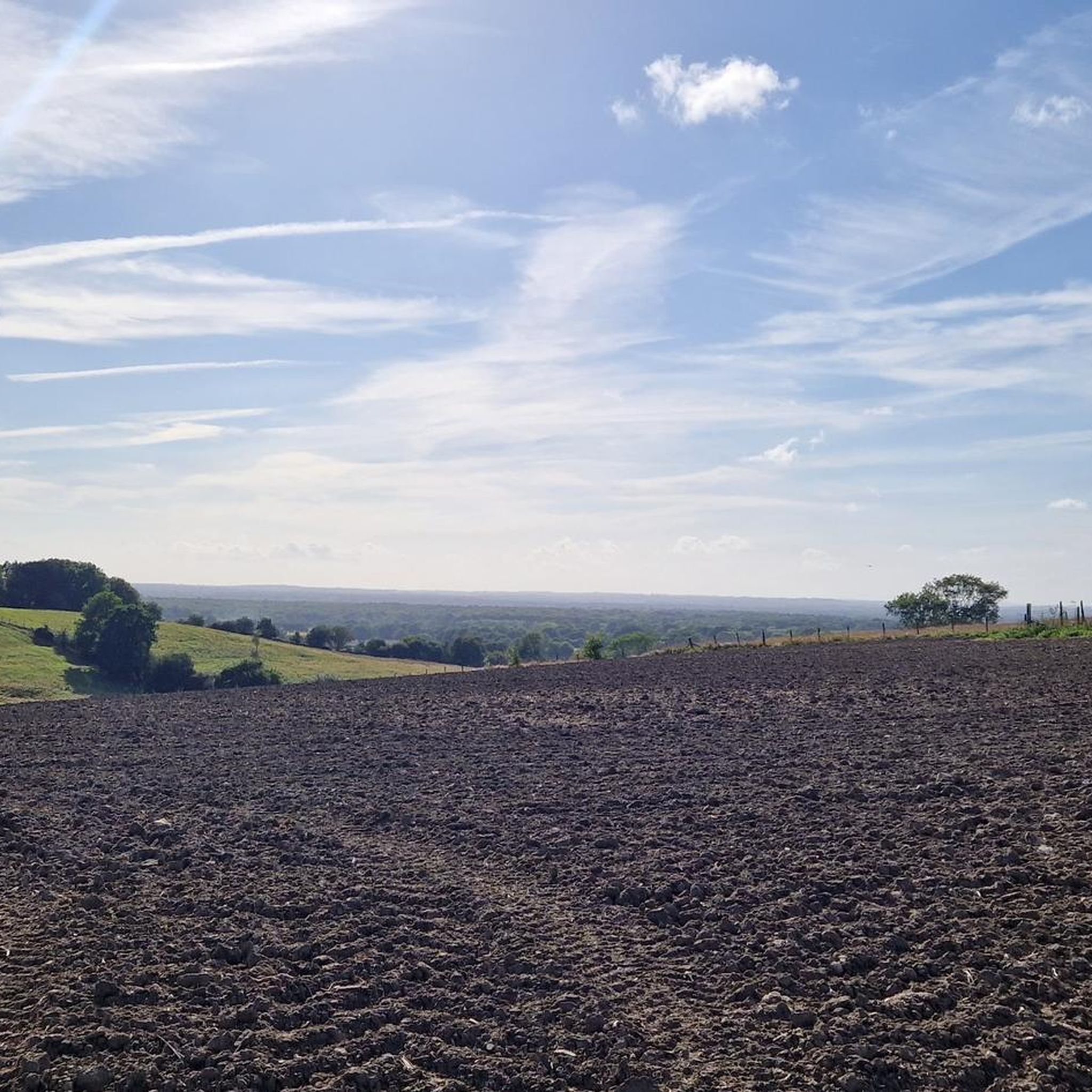
As said in a previous post, there are section of this route that are stunning as it runs along the ridges of various valleys on it's way to Winchester and beyond on the section I did from Canterbury to Guildford many parts were incredibly muddy and very hard to traverse even on a gravel bike.
0
0

Beautiful church, right in the centre of the village, with shops (Co-op opposite), pubs and tea rooms close by. Nice place to pause for a break.
0
0

Magnificent structures found within and surrounding grounds
1
0

James the Greater (the Latin word 'major' is not translated as 'great' in English), to whom this church in Egerton was dedicated, belongs together with his brother to the inner circle of Jesus' disciples. In his version of the "Good News" (this is the meaning of the word "gospel"), the evangelist Mark lists the apostles: "James, the son of Zebedee, and John, the brother of James - to whom he gave the surname Boanerges, that is, sons of thunder" (Mark 3:17). They are said to have been very temperamental, but were loyal followers of Jesus Christ, in whom they recognized the promised Messiah. According to the Acts of the Apostles, James was executed for his faith. His grave in Santiago de Compostela in Galicia (Spain) is one of the most famous and important pilgrimage destinations in the world.
0
0
Anyone who wants to walk the "Pilgrim's Way" with Canterbury Cathedral as their destination, not just as a long-distance hiking trail for pleasure (whether on foot or the faster option by bike), but also consciously follow the medieval tradition as a pilgrim, may find some inspiration on this website =>> https://www.pilgrimways.org.uk/the-pilgrims-way-winchester-southwark-to-canterbury
3
0
Frequently Asked Questions
What historical landmarks can I explore in Little Chart?
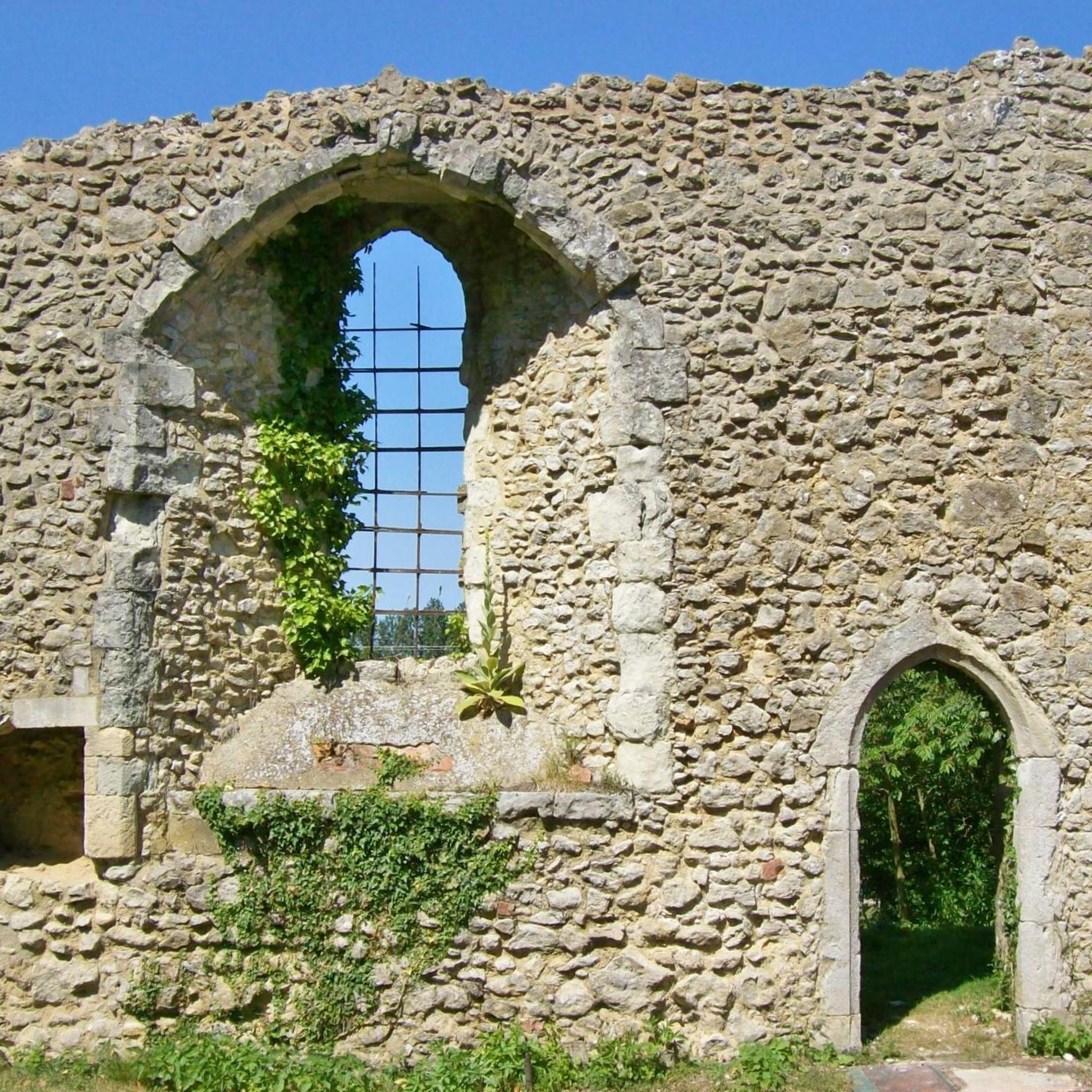
Little Chart is rich in history. You can visit the poignant ruins of the Ruined Church of St Mary the Virgin and the Holy Rood, which was largely destroyed by a V-1 bomb during WWII. The village is also notable for the discovery of a well-preserved Roman Bath-House, dating from the late 1st to 4th centuries AD. Other historical buildings include Bank House, a 16th-century jettied house, and Chart Court with its colourful oast houses.
Are there any ancient Roman sites near Little Chart?
Yes, Little Chart is historically significant for the discovery of a well-preserved Roman Bath-House in Stambers Field. Excavations revealed a complex with a changing room, cold room with a mosaic floor, warm room, and hot room with a hypocaust system, dating from the late 1st to 4th centuries AD. You can learn more about this discovery on the Kent Archaeology website.
What kind of natural landscapes can I expect to see around Little Chart?
The area around Little Chart is characterized by a beautiful rural landscape of fields, woods, and the valley of the Great Stour river. The village is situated on the Lower Greensand Slopes, contributing to its unique terrain. Nearby, you can also explore the Hothfield Heathlands Nature Reserve for additional natural beauty.
Are there long-distance walking paths passing through Little Chart?
Absolutely. Little Chart is a popular stopping point for keen walkers, with both The Stour Valley Walk and The Greensand Way long-distance paths routed through the area. Additionally, the historic Pilgrims' Way also passes nearby, offering opportunities to follow ancient routes.
What hiking opportunities are available near Little Chart?
There are various hiking opportunities around Little Chart, catering to different skill levels. You can find routes like the easy 'Pluckley Village – View Over the Valley loop' or more challenging options such as the 'Pluckley Village – St Mary's Church Ruins loop'. For a comprehensive list of trails, check out the Hiking around Little Chart guide.
Are there cycling routes suitable for different skill levels?
Yes, the area offers a range of cycling routes. You can find easy rides like the 'Victoria Park Fountain – Pond loop from Ashford' or more demanding ones such as the 'Romney Marshes near Lydd – Dungeness Old Lighthouse loop'. Explore more options in the Cycling around Little Chart guide.
Where can I find unique historical monuments in the area?
Beyond traditional landmarks, you can discover unique monuments like the Lenham Cross, a 58m high geoglyph cut into the ground to commemorate WWI victims. Another interesting spot is the Brother Percival Statue (Pilgrim's Rest), a statue of a pilgrim on a bench along the Pilgrim's Way, providing a point of interest for hikers.
Are there family-friendly attractions or activities in Little Chart?
Many of the natural walks and historical sites can be enjoyed by families. The long-distance footpaths offer opportunities for family strolls, and highlights like Lenham Cross and Brother Percival Statue are considered family-friendly points of interest. Exploring the rural landscape and local village charm can be a pleasant family activity.
Are there any historic pubs or local establishments to visit in Little Chart?
Yes, The Swan Inn is a notable historic pub in Little Chart. Housed in a building dating back to the late 1400s, it served as an old coaching inn and still retains its original coaching stables, offering a glimpse into the village's past.
What is the best time of year to visit Little Chart for outdoor activities?
The spring and summer months (April to September) are generally ideal for outdoor activities in Little Chart, offering pleasant weather for walking, cycling, and exploring the natural landscapes. Autumn also provides beautiful scenery with changing foliage, while winter walks can be serene, though some paths might be muddy.
How can I learn more about the local history of Little Chart?
To delve deeper into Little Chart's local history, you can visit the various historical sites mentioned, such as the church ruins and ancient buildings. The Little Chart Parish Council website also provides valuable information on the village's heritage.
What makes the architecture in Little Chart unique?
Little Chart showcases distinctive Kentish architecture. You can see colourful oast houses at Chart Court, which are traditional agricultural buildings unique to the region. Additionally, Bank House, a 16th-century jettied house, exemplifies traditional timber-framed construction.
Most popular attractions around Little Chart

Get inspired with the komoot mobile app


Explore more
Still not found the Highlight you’re looking for? See guides of the top attractions in other regions:
