Attractions and Places To See around Capel-Le-Ferne - Top 20
Best attractions and places to see around Capel-Le-Ferne include significant historical landmarks and natural features. Situated on the iconic White Cliffs of Dover, this Kent village offers views across the English Channel and is part of the Kent Downs National Landscape. Visitors can explore coastal paths, historical sites, and diverse natural environments.
Best attractions and places to see around Capel-Le-Ferne
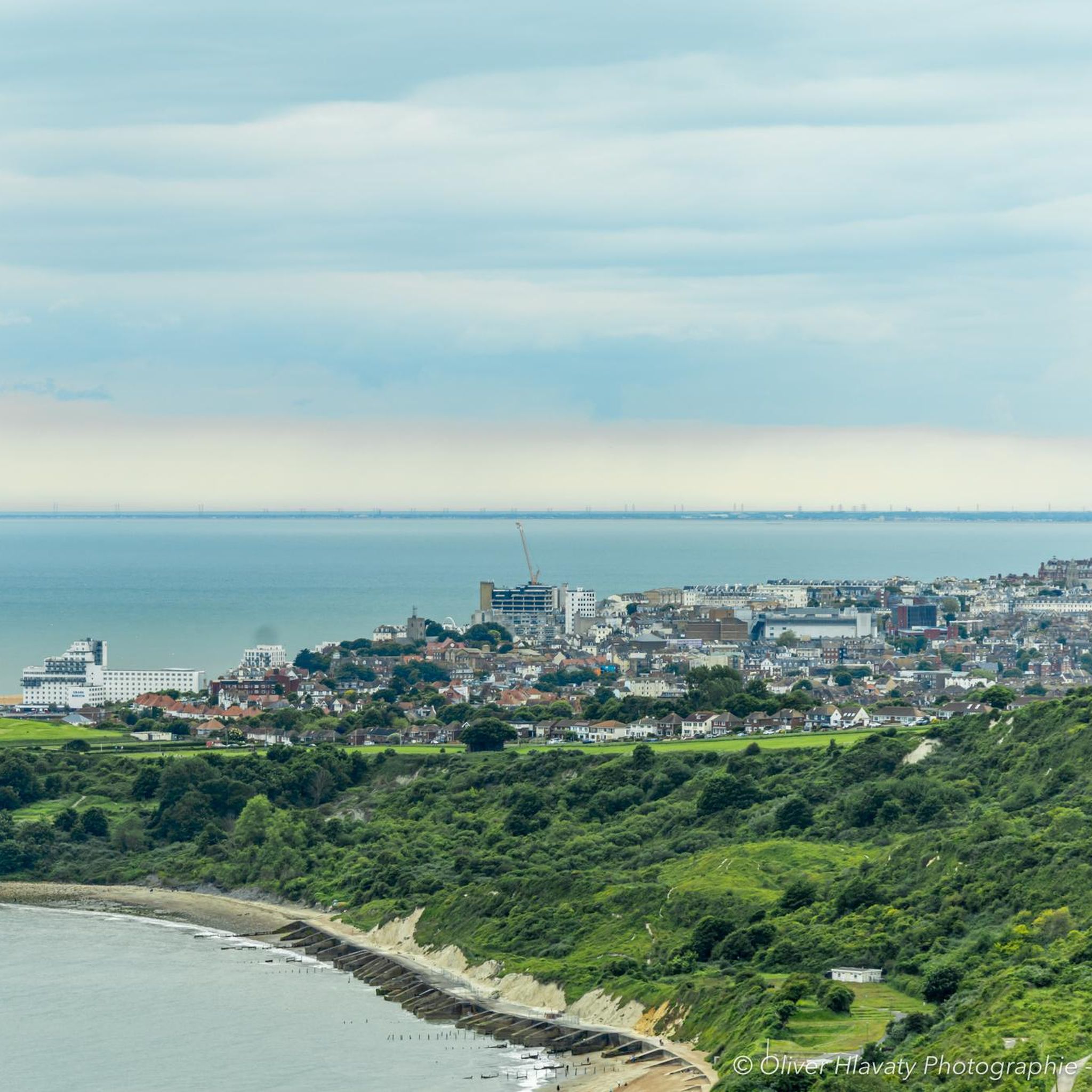
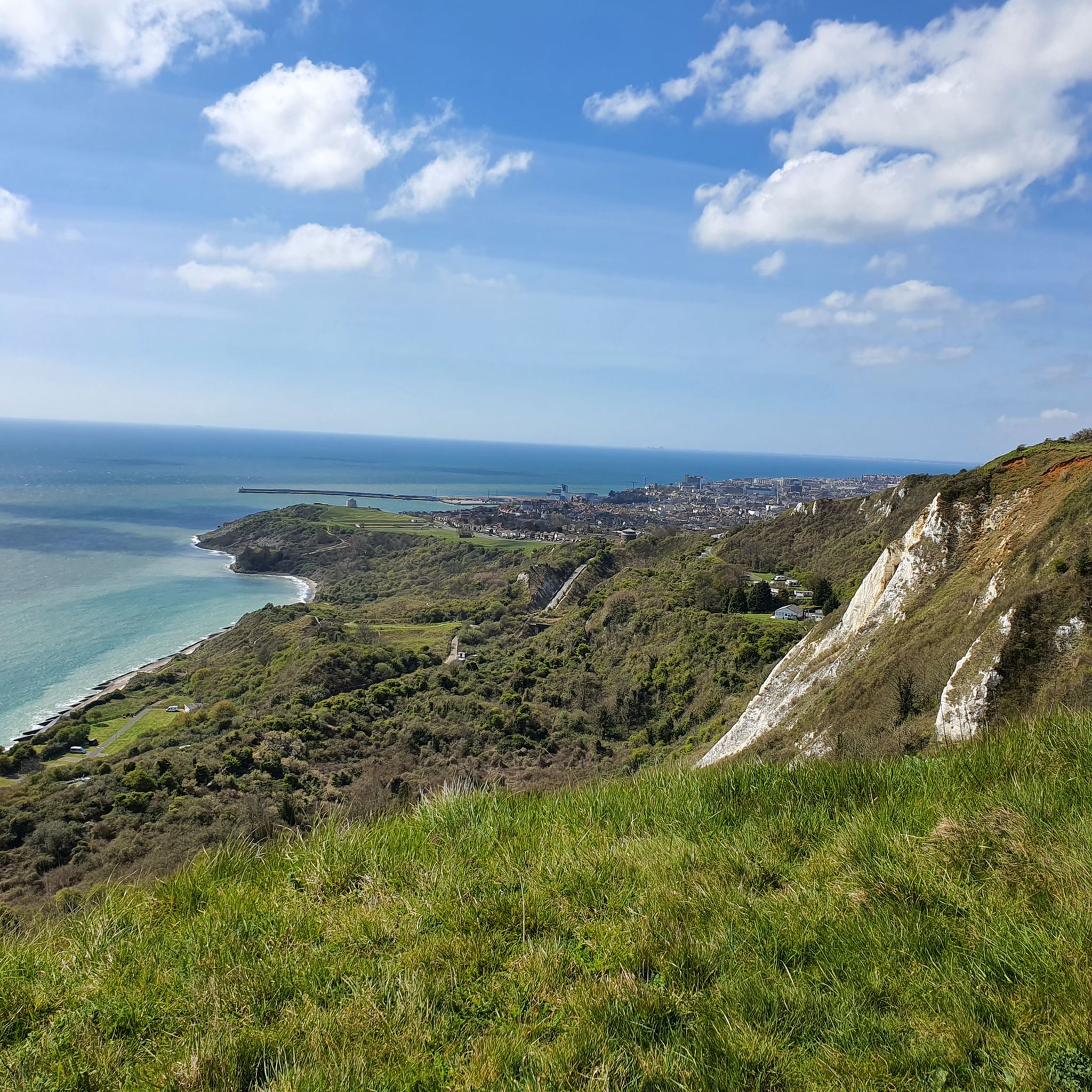
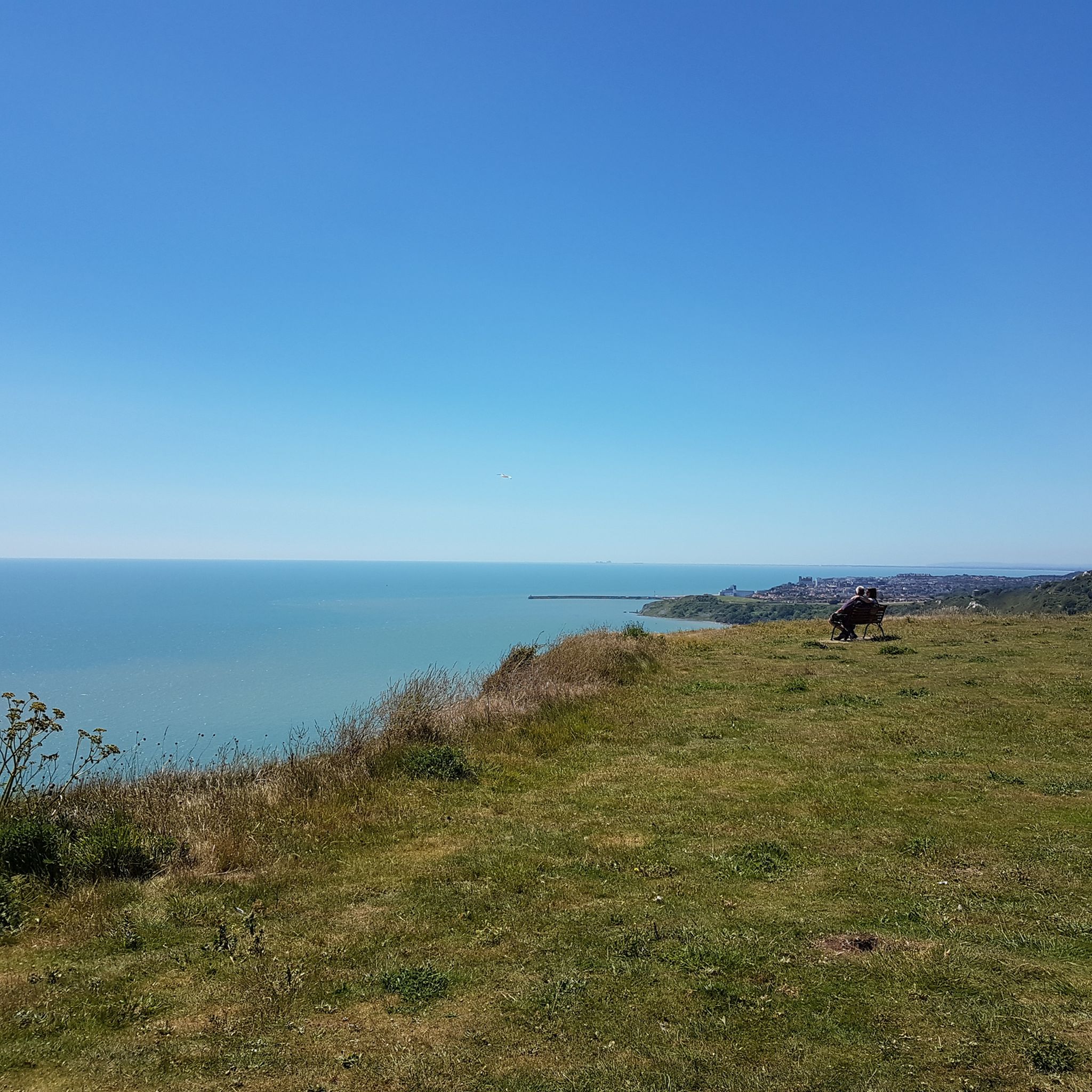
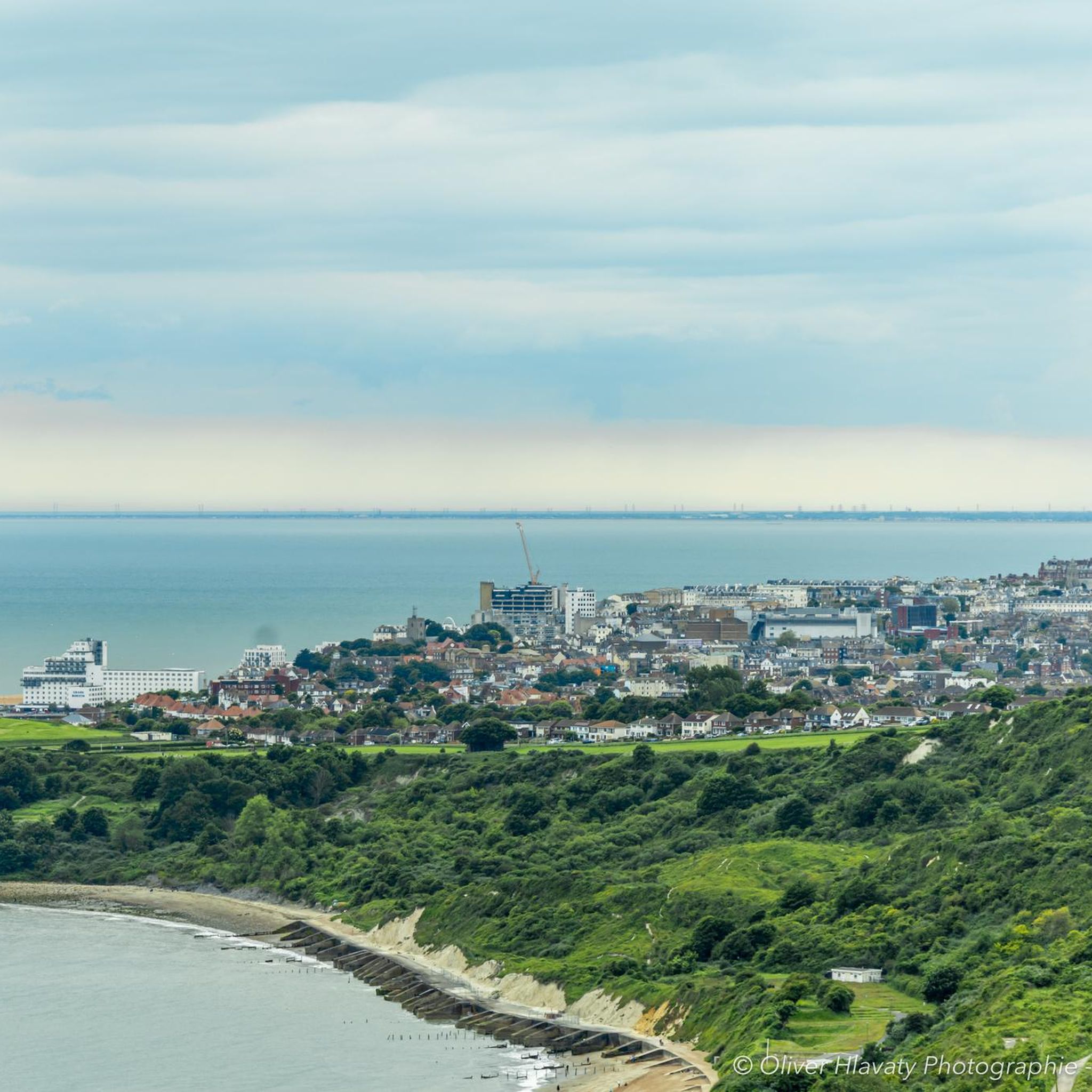
- The most popular attractions is The White Cliffs of Dover, a natural monument that offers spectacular views over Folkestone and the English Channel. This landscape is a famous English landmark, providing paths for walks along the chalk cliffs.
- Another must-see spot is South Foreland Lighthouse, a man-made monument with a history of maritime safety innovation. Visitors can take guided tours and learn about its role as one of the first lighthouses to use electricity.
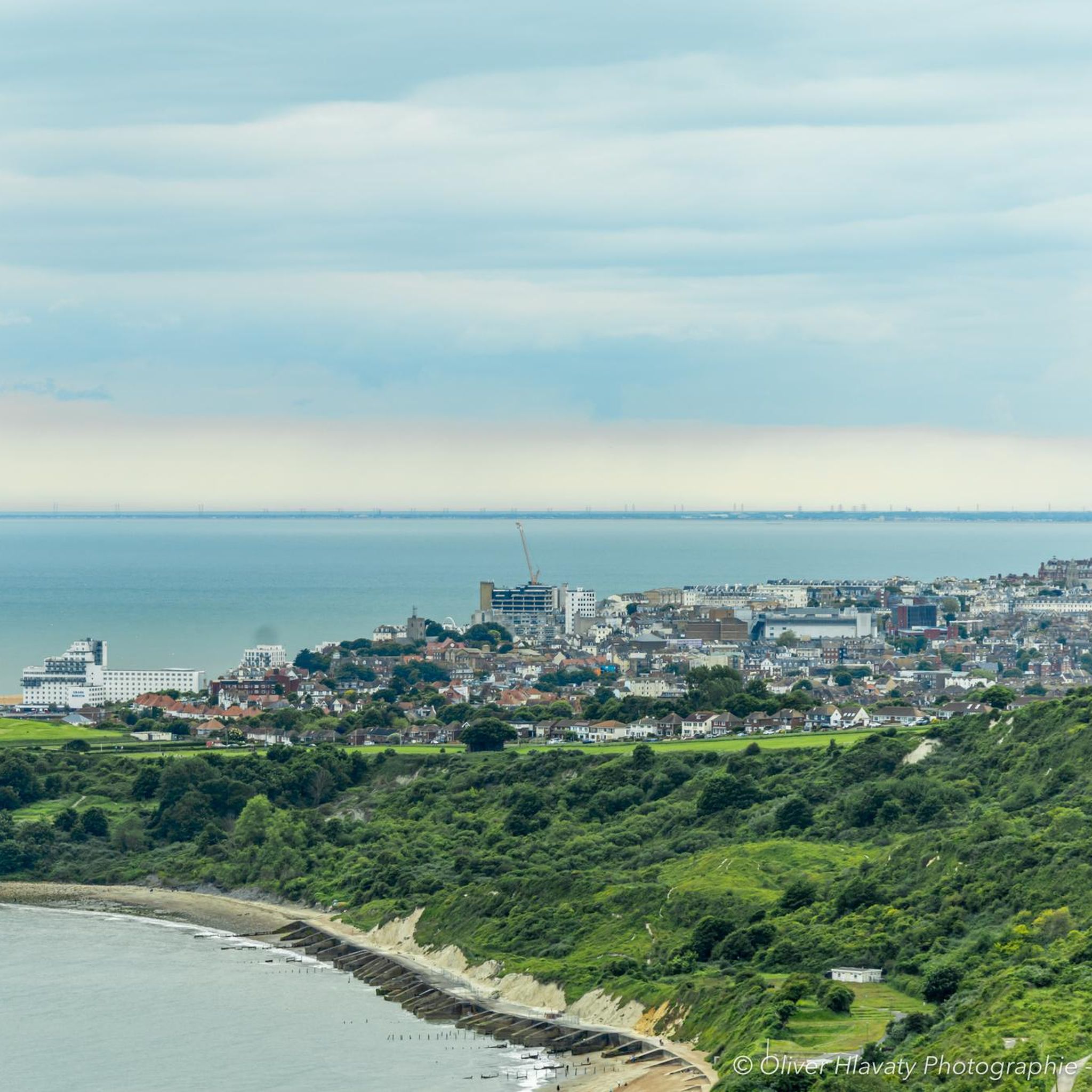
- Visitors also love Folkestone Harbour, a regenerated area with cafes and views. This site was an important ferry port and played a role in World War Two evacuations.
- Capel-Le-Ferne is known for its historical landmarks, natural coastal features, and walking trails. The area offers a variety of attractions to see and explore, from memorials to scenic viewpoints.
- The attractions around Capel-Le-Ferne are appreciated by the komoot community, with more than 300 upvotes and over 90 photos shared.
Last updated: June 22, 2026
The White Cliffs of Dover
Highlight • Natural Monument
Tip by

South Foreland Lighthouse
Highlight • Monument
Tip by

Sign up now to discover places like this
Get recommendations on the best single tracks, peaks, & plenty of other exciting outdoor places.
Sign up for free
Folkestone Harbour
Highlight • Structure
The harbour was an important part of World War Two as it was here that 44000 people passed through during the evacuations of Dunkirk.
Tip by

Battle of Britain Memorial
Highlight • Monument
Tip by

Abbot's Cliff Sound Mirror
Highlight • Monument
Abbot’s Cliff sound mirror | Sound Mirrors (andrewgrantham.co.uk)
Tip by

Sign up for free to discover even more attractions around Capel-Le-Ferne.
Sign up for free
Already have an account?
Start today with a free account
Your next adventure awaits.
Login or Signup
Tips from the Community

Most people who pass by such a war memorial commemorating the victims will not have experienced the horrors of war firsthand. A dialogue invented by the writer Paul Harding might help. It is from a medieval detective novel, and the following exchange takes place: "Tell me, brother, when you went to war in France with your little brother, were you happy?" Athelstan felt his heart leap. "Of course." He smiled thinly. "I was young then. My blood was boiling, and I longed for great adventures." "And when you found your brother dead and cold as ice on the battlefield and returned to England... what was there?" Athelstan looked out into the courtyard; it was slowly getting dark. "In the Gospel, Sir John, Christ says that at the end of the world, the heavens will shake, and the planets will fall to earth in blazing fire." Athelstan closed his eyes. He felt Francis's spirit quite clearly. “When I found my brother dead in the field,” he continued, “it was as if heaven had fallen to earth for me.” (Source: “The House of the Red Butcher” by Paul Harding)
0
0

As a memorial to the many dead, such monuments - usually called "war memorials" in English - are still very important today. "Now, Lord, you let your servant depart in peace, as you have said..." says the so-called "Hymn of Simeon" (Luke 2, verse 29). However, the people who are remembered here did not depart in peace, but became victims of war and tyranny. Therefore, instead of the previously most common "war memorial", the term "fallen memorial" is now sometimes used in German to emphasize the aspect of remembering the victims. In addition, each of these countless memorials has a timeless, permanently valid message: to remind our current and all future generations - again and again - to keep the peace.
2
1

Built in 1810 (and later expanded) on the site of a former fishing village. Now mostly an area of leisure, a handful of fishing boats still operate from here and sell in the nearby fish market.
3
0

Lovely area, i can recommend Sandy's Fish and chips, which is slightly hidden in 2-3 Back Street, Fish was fresh and tasty. https://www.sandysfishandchips.co.uk/
2
1

Beautiful lighthouse with a small cafe and loungers with a view of the canal.
4
0

The Battle of Britain Memorial is a national memorial to the men who fought in the Battle of Britain between 10th July and 31st October, 1940. The site is a place of peaceful remembrance and has an interactive visitor centre. You experience wonderful views over the Channel too. The memorial is free to enter but you do have to pay for the scrambling experience. For opening times and more information, visit: battleofbritainmemorial.org.
1
0

It's the new lighthouse after the old lighthouse will probably soon fall into the sea. Just walk straight up the cliff from the new lighthouse and then look left. Then you see the old lighthouse.
4
0
Frequently Asked Questions
What historical landmarks can I explore in Capel-le-Ferne?
Capel-le-Ferne is rich in history. You can visit the Battle of Britain Memorial, dedicated to the aircrew who fought in 1940, which also offers an interactive visitor centre. Another unique historical site is the Abbot's Cliff Sound Mirror, a pre-radar acoustic device used for early warning of approaching aircraft. Additionally, explore the remains of the World War II Capel Battery on the cliff tops and the historic St Mary's Church with its Norman window and 14th-century rood-screen.
Where can I find the best natural viewpoints and walking opportunities?
The area is renowned for its stunning natural beauty. The imposing White Cliffs of Dover offer spectacular views over Folkestone and the English Channel, with well-maintained paths for coastal walks. You can also explore The Warren (Folkestone Warren), a country park featuring sandy beaches, wildflower meadows, and footpaths around the East Cliffs. Capel-le-Ferne is situated within the Kent Downs National Landscape, providing ancient woodlands and rugged chalk coastline for exploration.
Are there any family-friendly attractions in Capel-le-Ferne?
Yes, several attractions are suitable for families. The Battle of Britain Memorial features an interactive visitor centre and a 'Scramble Experience' that children might enjoy. South Foreland Lighthouse offers guided tours and a chance to learn about maritime history, often appealing to curious minds. Folkestone Harbour is a regenerated area with cafes, food trucks, and a paddling pool with water fountains for children, making it a lively spot for families.
What outdoor activities can I do near Capel-le-Ferne?
Capel-le-Ferne is an excellent base for outdoor enthusiasts. You can enjoy various cycling routes, including road cycling, mountain biking, and touring. For road cycling, explore routes like the 'Folkestone Harbour – Lower Leas Coastal Park loop from Capel-le-Ferne' which is an easy ride. Mountain bikers can tackle trails such as the 'Abbot's Cliff Sound Mirror loop from Folkestone West'. For more general cycling, consider the 'Waterloo Crescent Promenade loop from Capel-le-Ferne'. Find more details on these and other routes in the Road Cycling Routes, MTB Trails, and Cycling around Capel-le-Ferne guides.
Are there any quiet or 'hidden gem' spots to visit?
For a quieter experience, the Capel-le-Ferne Cliffs, part of the White Cliffs of Dover, are generally less crowded than the National Trust section, offering a wilder feel. Langdon Hole is another nature reserve with hiking trails and wonderful views that provides a peaceful escape. St Mary's Church, with its remote location and Channel views, also offers a tranquil setting.
Where can I find refreshments or a place to rest with a view?
The Clifftop Cafe in Capel-le-Ferne is a perfect spot to rest and enjoy the scenic views. Additionally, the visitor centre at the Battle of Britain Memorial has a café with Channel views. Folkestone Harbour is bustling with cafes, pubs, and food trucks, especially on sunny days.
What is the significance of the South Foreland Lighthouse?
The South Foreland Lighthouse holds significant historical importance in maritime safety. It was one of the first lighthouses to use electricity and served as a test site for early shipborne radio, contributing to major innovations in navigation and safety at sea. You can take guided tours to learn more about its fascinating history.
Can I bring my dog on walks around Capel-le-Ferne?
Many of the coastal paths and natural areas around Capel-le-Ferne are dog-friendly, offering great opportunities for walks with your canine companion. The White Cliffs of Dover paths and The Warren country park are popular choices for dog walkers, but always ensure dogs are kept under control, especially near cliff edges and livestock, and check for any specific local restrictions.
What kind of wildlife can I spot in the area?
The Kent Downs National Landscape, which encompasses Capel-le-Ferne, is known for its diverse ecosystems. You can spot various bird species along the cliffs and coast, and the area's chalk grassland and wildflower meadows are home to unique flora and insects. Keep an eye out for marine life in the Channel from viewpoints along the cliffs.
What makes Folkestone Harbour a popular destination?
Folkestone Harbour has undergone significant regeneration, transforming it into a vibrant promenade. It's a popular spot for its world-class views, numerous cafes, pubs, and food trucks. Historically, it was a busy ferry port and played a crucial role in World War Two evacuations, adding a layer of historical interest to its modern appeal.
What are the terrain and difficulty levels of walks in Capel-le-Ferne?
The walking trails around Capel-le-Ferne vary in terrain and difficulty. Paths along the White Cliffs of Dover are generally well-maintained but can involve ascents and descents, making them intermediate. Some routes offer easier, more level sections, while others, particularly those closer to the cliff edge or through natural reserves like Langdon Hole, might be more rugged. Always wear appropriate footwear and check local signage for specific trail conditions.
Is there public transport available to reach attractions in Capel-le-Ferne?
While Capel-le-Ferne is a village, local bus services connect it to nearby towns like Folkestone and Dover, from where you can access some attractions. However, for many of the coastal paths and more remote historical sites, driving or cycling might offer more direct access. Always check local bus schedules for the most up-to-date information on routes and timings.
Most popular routes around Capel-Le-Ferne
Most popular attractions around Capel-Le-Ferne

Get inspired with the komoot mobile app


Explore more
Still not found the Highlight you’re looking for? See guides of the top attractions in other regions:
