The best road cycling routes around Bishopsbourne
4.7
(297)
5,406
riders
331
rides
Road cycling routes around Bishopsbourne are situated within the Kent Downs Area of Outstanding Natural Beauty, offering diverse landscapes for cyclists. The region features quiet country lanes, rolling hills, and ancient woodlands, characteristic of the Nailbourne Valley. Chalk grasslands and gentle ascents define much of the terrain, providing varied experiences for road cyclists. This area is well-suited for exploring the Kent countryside on two wheels.
Best road cycling routes around Bishopsbourne
- The most popular road cycling route is The Tadpole…
Last updated: October 13, 2026
4.4
(7)
234
riders
Moderate road ride. Good fitness required. Mostly well-paved surfaces and easy to ride.
59
riders
82.6km
03:54
750m
750m
Moderate road ride. Good fitness required. Some segments of this route may be unpaved and difficult to ride.

4.5
(11)
100
riders
41.9km
01:49
210m
210m
Easy road ride. Great for any fitness level. Mostly well-paved surfaces and easy to ride.
47
riders
77.5km
03:30
720m
720m
Moderate road ride. Good fitness required. Mostly well-paved surfaces and easy to ride.
5.0
(1)
39
riders
60.1km
02:34
390m
390m
Moderate road ride. Good fitness required. Mostly well-paved surfaces and easy to ride.
Get access to more routes and recommendations from other explorers.
Already have an account?
Our route recommendations are based on thousands of hikes, rides, and runs completed by other people on komoot.
Start today with a free account
Your next adventure awaits.
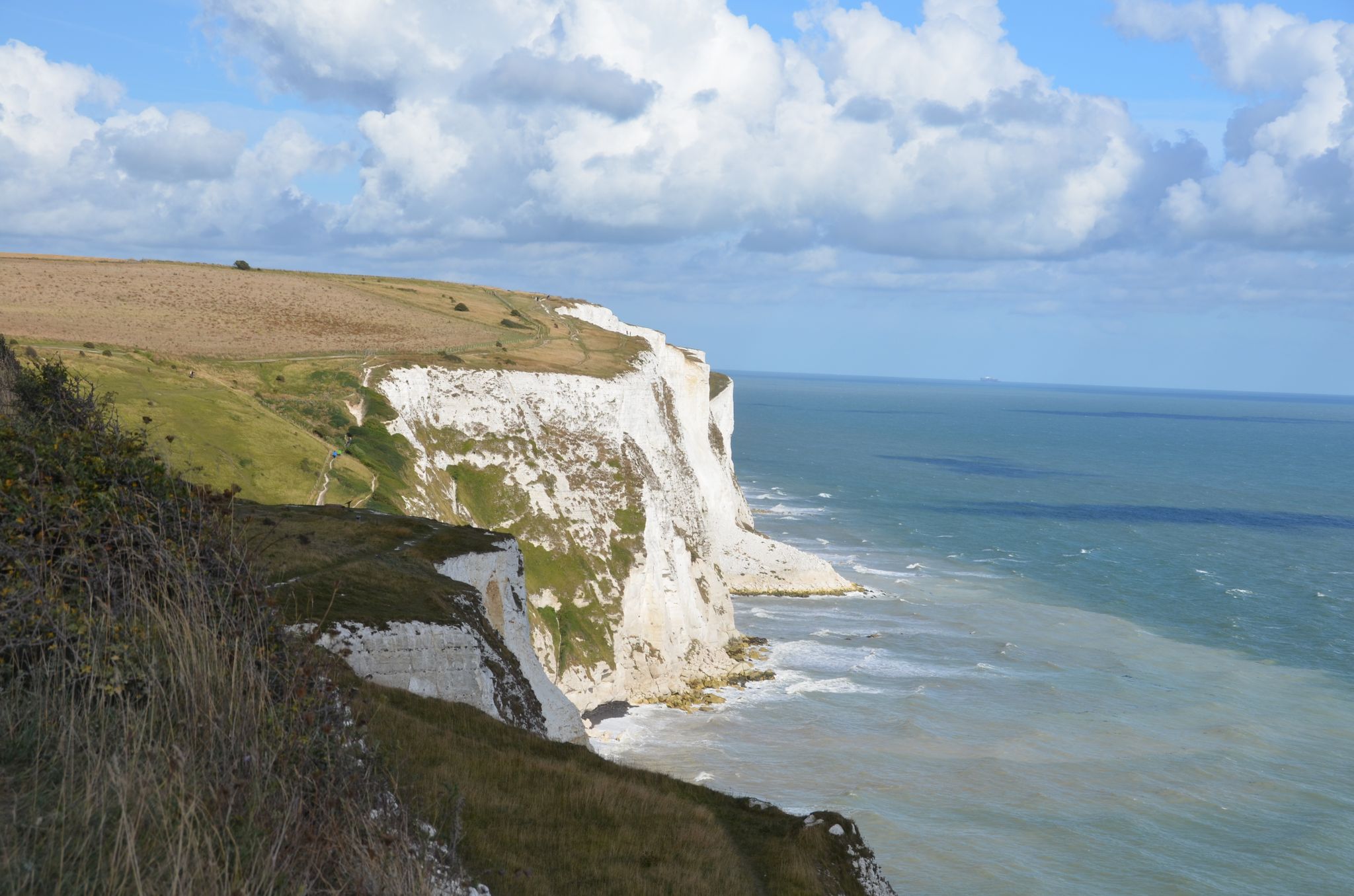
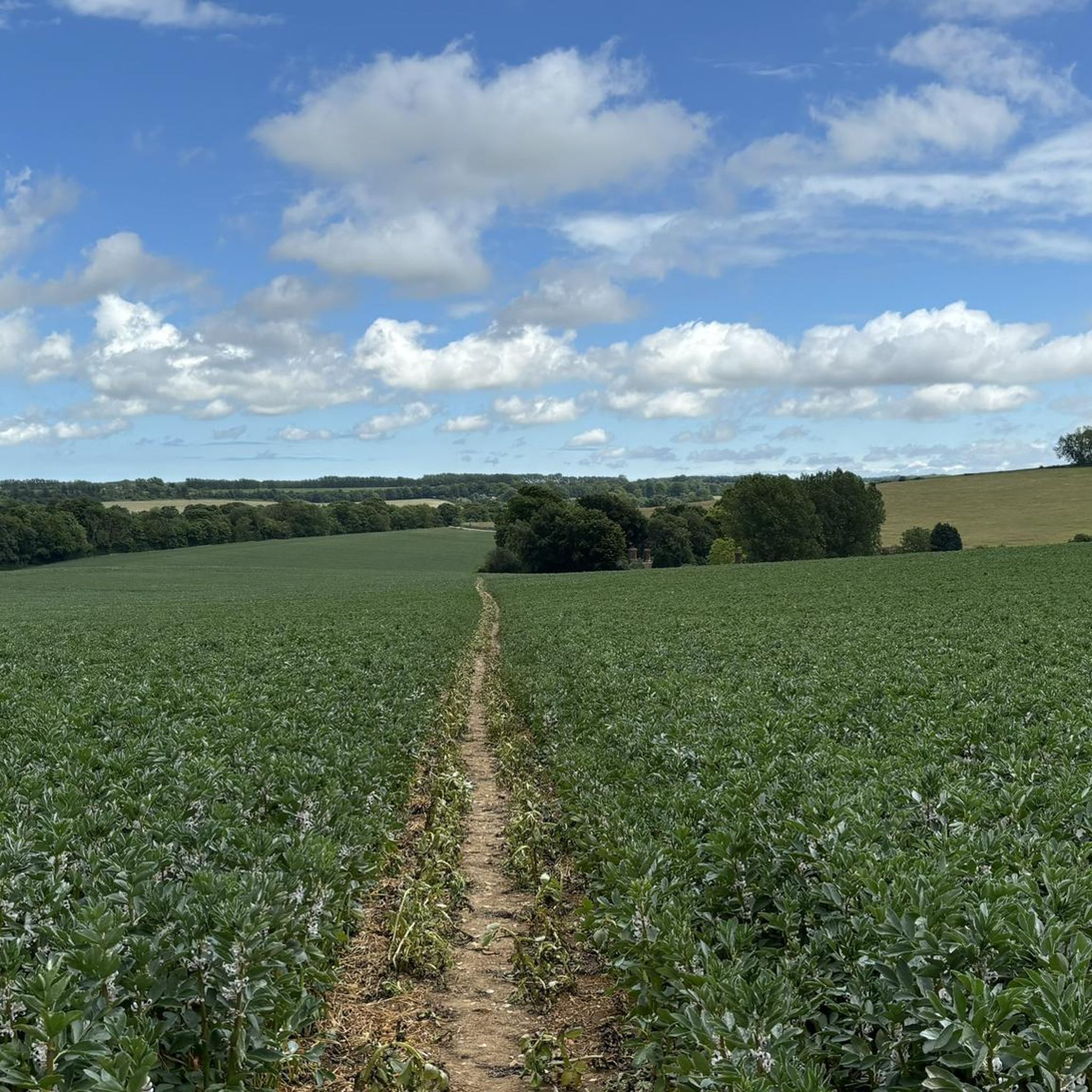
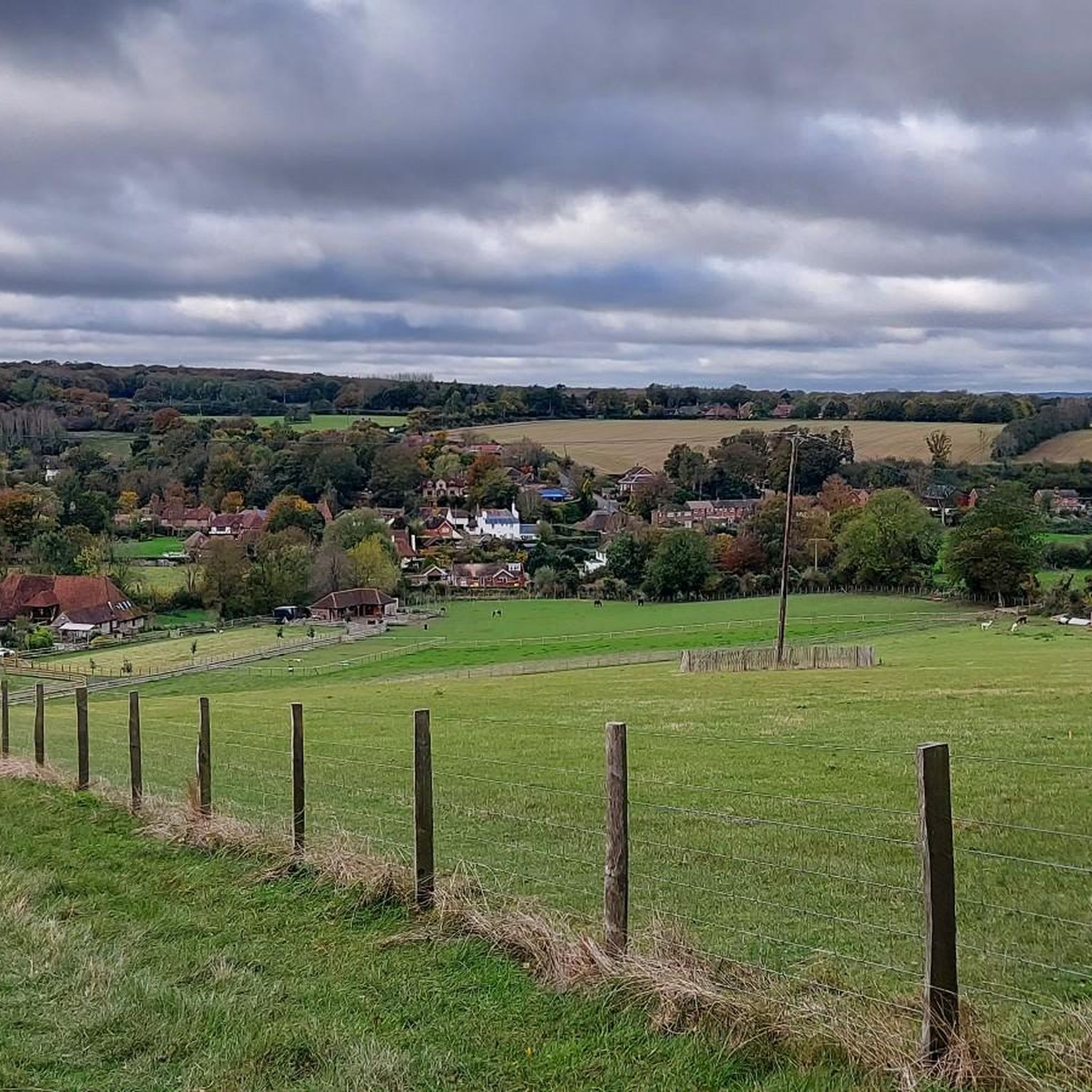
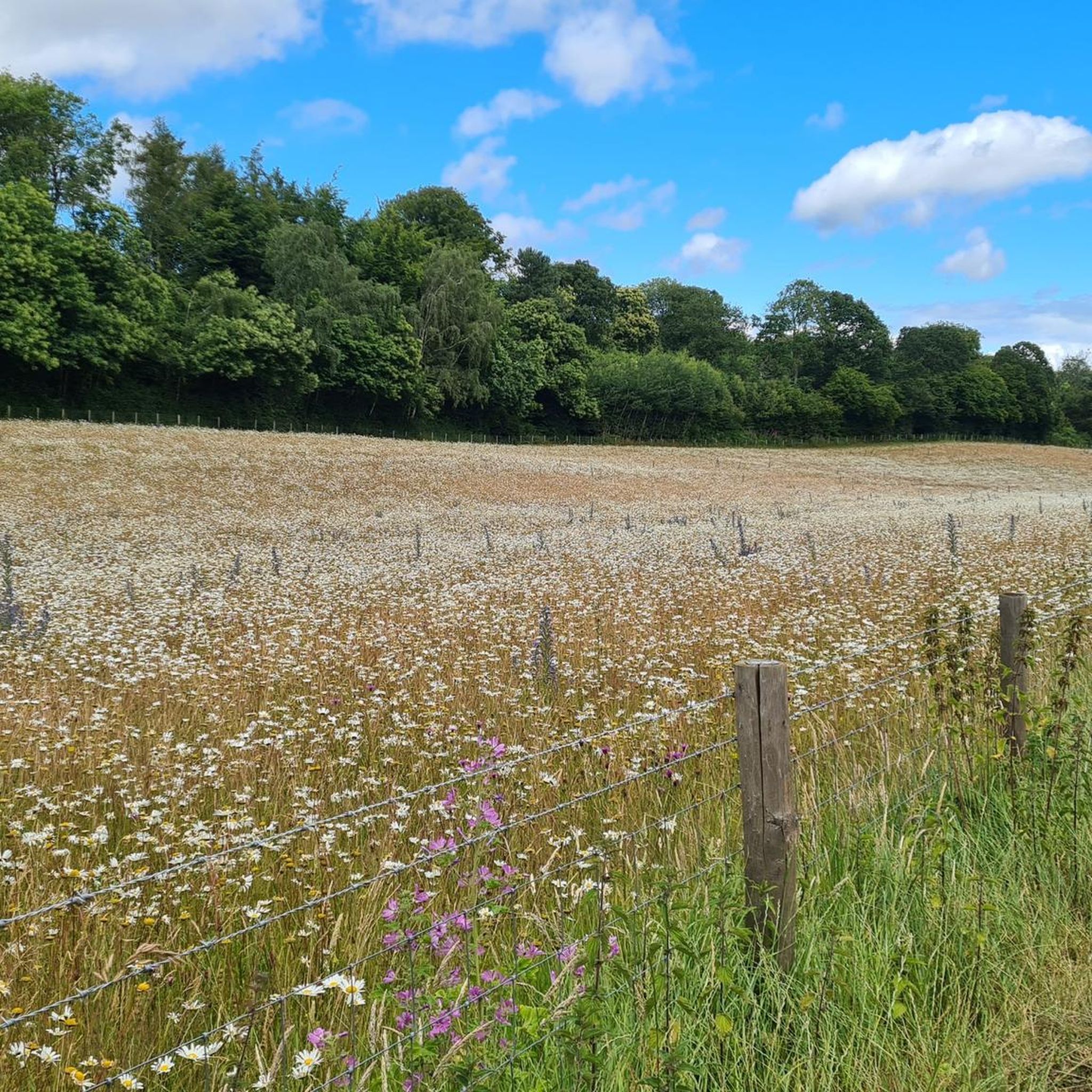

Other adventures around Bishopsbourne

Tips from the Community

Kingsgate Bay was originally called St. Bartholomew's Gate until King Charles II landed here in 1683 with his brother, the Duke of York, and ordered the renaming. Kingsgate Castle, built in 1763, stands majestically above the beach. Kingsgate Bay is home to some of the most beautiful sea caves in Thanet and is approximately 150 meters wide. The sandy bay offers peace and seclusion and is accessible via a steep staircase. At high tide, the sand is exposed, but the beach is cut off from the sea at both ends. https://www.visitthanet.co.uk/plan-your-visit/weather-and-tide-times/
3
0

Some nice historic buildings and heritage, but the level of traffic, means you constantly have to be alert.
2
0

Beer and pizza at the weekend or long summer evenings at papa bianco
0
0

Apart from the single Turner (depicting Margate) - and the Gormley sculpture in the sea in front of the gallery (low tide only), this gallery hosts a series of temporary exhibitions. The one we saw (Steve MacQueen - Resistance) was great.
0
0

Wonderful stained glass window, fabulous surround, and ceiling. Local green, surrounding pub and houses are worth looking at also.
0
0

Nice path, pretty well paved with a little bit of grit and soil, lots of walkers and dogs in the morning / evening.
1
0

Stunning location, visible for miles on the approach along the coast. Great coffee and flapjack in the cafe too.
4
0
Frequently Asked Questions
How many road cycling routes are available around Bishopsbourne?
There are over 340 road cycling routes around Bishopsbourne, offering a wide variety of options for different skill levels and preferences. You'll find everything from easy loops to more challenging distances within the Kent Downs Area of Outstanding Natural Beauty.
What is the typical terrain like for road cycling in Bishopsbourne?
The terrain around Bishopsbourne is characterized by quiet country lanes, rolling hills, and ancient woodlands, typical of the Nailbourne Valley and the Kent Downs AONB. You can expect chalk grasslands and gentle ascents, providing a varied and scenic experience.
Are there routes suitable for beginners or less experienced road cyclists?
Yes, Bishopsbourne offers numerous routes suitable for beginners. Over 115 easy routes are available, featuring gentler gradients and shorter distances. An example is the Adisham Water Tower – View of Bourne Park loop from Bridge, which is an 8.4-mile (13.5 km) trail with gentle hills.
What about more challenging road cycling options in the area?
For more experienced cyclists, there are over 20 challenging routes. The region's rolling hills provide opportunities for significant elevation gains. For instance, the Climb Out of Barham – View of Bourne Park loop from Bridge is a moderate 25.9-mile (41.7 km) path with an elevation gain of over 400 meters.
When is the best time of year to go road cycling in Bishopsbourne?
The best time for road cycling in Bishopsbourne is generally from spring through autumn. While some routes, like parts of the North Downs Way, can be muddy in winter, the quiet country lanes are enjoyable in milder weather, offering views of spring blossoms and vibrant autumn foliage.
Are there any long-distance road cycling routes available?
Yes, for those seeking longer rides, the region offers options like the 153-mile North Downs Way Riders' Route, which passes through the Kent Downs. Another significant option is the 50-mile (80km) circular Cathedral to Coast cycle ride, linking Dover, Canterbury, and Folkestone through scenic countryside.
Can I find circular road cycling routes in Bishopsbourne?
Many of the road cycling routes around Bishopsbourne are designed as loops, allowing you to start and finish in the same location. For example, The Tadpole Tearoom – View of Bourne Park loop from Upper Hardres is a popular 16.9-mile (27.1 km) circular route.
What historical landmarks or scenic points can I see along the road cycling routes?
Road cycling routes often pass by significant landmarks. You can explore the historic Canterbury Cathedral, the ancient Pilgrims Way, or the impressive North Downs Way. The area is also home to Bourne Park House and St Mary's Church in Bishopsbourne, both rich in history.
Are there any specific viewpoints worth stopping at during a ride?
The Kent Downs AONB offers numerous scenic viewpoints. Many routes provide views of the picturesque Nailbourne Valley, ancient woodlands, and chalk grasslands. Keep an eye out for spots offering panoramic views of the Kent countryside, such as the View of Kent Downs National Landscape.
Are there cafes or pubs along the road cycling routes in Bishopsbourne?
Yes, the region has charming villages and towns with cafes and pubs where you can refuel. While specific establishments aren't listed for every route, the area is known for its welcoming local amenities, especially in places like Canterbury and smaller villages along the routes.
Is parking available for cyclists in Bishopsbourne?
Parking options for cyclists are generally available in and around Bishopsbourne, particularly in village centers or designated car parks. It's advisable to check specific starting points for routes for the most convenient parking facilities.
What do other road cyclists enjoy most about the routes in Bishopsbourne?
The road cycling routes in Bishopsbourne are highly rated by the komoot community, with an average score of 4.7 stars from over 200 reviews. Cyclists often praise the quiet country lanes, the diverse landscapes within the Kent Downs AONB, and the blend of gentle and challenging terrain.
Most popular routes around Bishopsbourne
Most popular attractions around Bishopsbourne

Get inspired with the komoot mobile app


Explore more
Browse the best Road cycling routes in other regions.
