Attractions and Places To See around Whitton - Top 20
Best attractions and places to see around Whitton include a mix of historical features, green spaces, and natural landscapes within the London Borough of Richmond upon Thames. This area is known for its well-preserved 1930s high street and significant green spaces like Hounslow Heath and Crane Park. The River Crane and Duke of Northumberland's River also contribute to the area's natural appeal, offering wildlife habitats. Whitton provides opportunities to explore both historical sites and natural environments.
Best attractions and places to see around Whitton
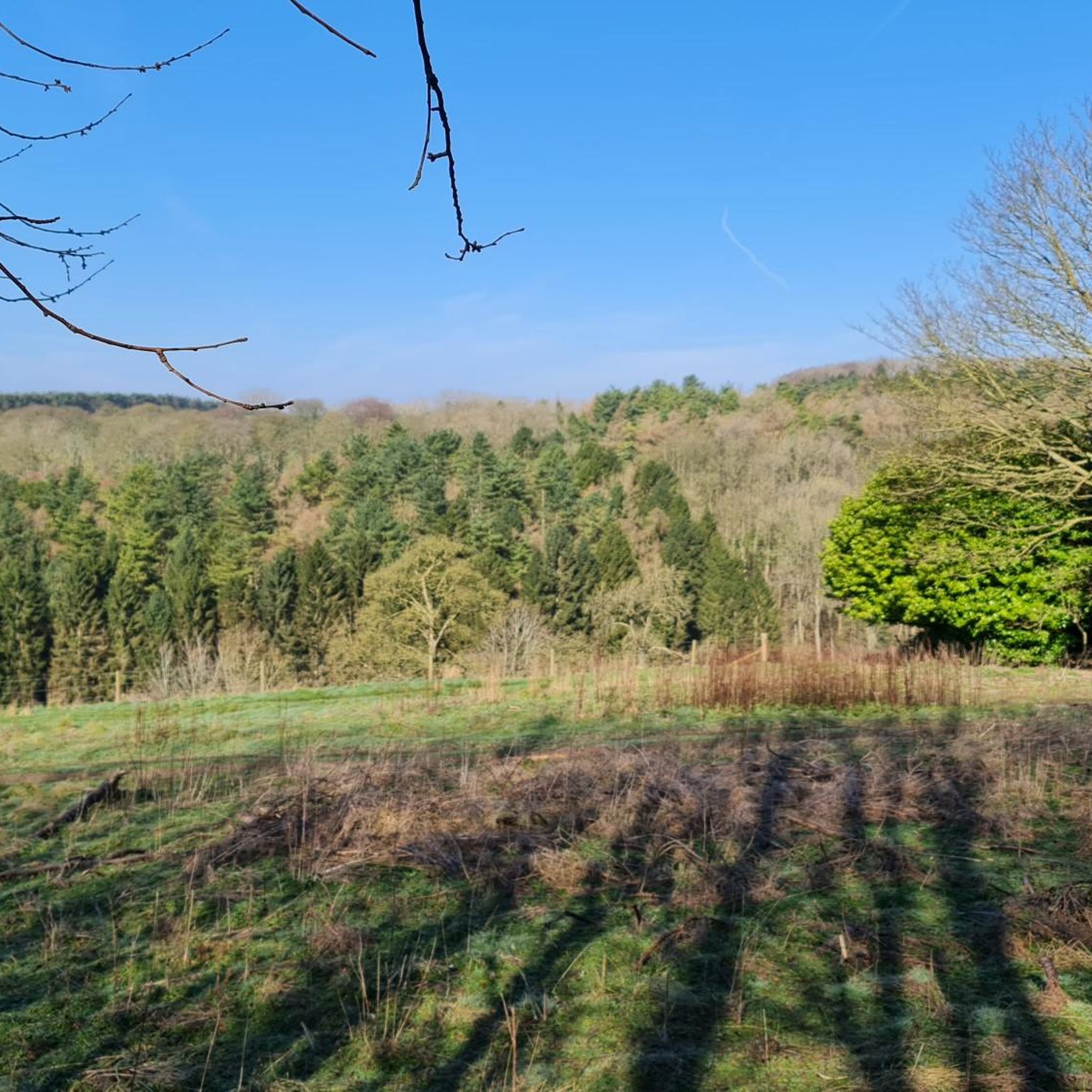
- The most popular attractions is Welton Dale, a forest that is a great area to see local wildlife. This beautiful dale is part of the Yorkshire Wolds trail and is a popular spot for walks.
- Another must-see spot is St Helen’s Church, Welton, a historical site and religious building. This picturesque village church has been in its location since the 11th century and is particularly striking when illuminated during winter.
- Visitors also love All Saints' Church, Brantingham, a religious building and historical site. Situated in a picturesque setting within a steeply-sided and wooded dale, its earliest stonework dates back to the 12th century.
- Whitton is known for its historical sites, natural areas, and religious buildings. Visitors can explore a variety of attractions, from ancient churches to expansive forests and river walks.
- The attractions around Whitton are appreciated by the komoot community, with more than 130 upvotes and 51 photos shared by visitors.
Last updated: July 2, 2026
Welton Dale
Highlight • Forest
Tip by

All Saints' Church, Brantingham
Highlight • Religious Site
Tip by

Sign up now to discover places like this
Get recommendations on the best single tracks, peaks, & plenty of other exciting outdoor places.
Sign up for free
St Helen’s Church, Welton
Highlight • Historical Site
Tip by
Horkstow Suspension Bridge
Highlight • Historical Site
Tip by

Barton Old Cement Works Ruins
Highlight • Historical Site
The Site Layout
As you enter the site today (the main western entrance) you are walking down what was the original railway line through the site to the jetty (which has all-but washed away now). This line linked the cement plant with the New Cliff chalk quarry just to the south-west of the site and the clay pits which were behind the site. This railway line was a three-foot gauge and the first locomotive used was named Adamant, after the cement brand (it was originally called Isabella). To the west of this path are the remains of what was probably the cement storage area, passing from the main kiln structure to the east. To the north of the site is the remains of the wharf, where the sloops would have been loaded to deliver the cement. Behind this are the remains of the cement bins. Behind the cement bins well hidden in the undergrowth lie more ruins which may well have been to do with slurry preparation. Halfway along the path you came in on is the entrance to the main body of the site. You will immediately notice four large brick structures with a fifth smaller one just to the north. The four large brick structures (the furthest two looking like a brick Stonehenge structure) are the piers which would have supported the rotary kiln, and somewhere round here should be the remains of chimney stack. The largest one in the centre would have accommodated both a support tyre and the kiln's drive gear. The smaller pier to the north carried the main drive-shaft of the kiln which would have connected with the motor which is probably the ruins to the east of this structure. Following the path to the south east you will come across a little well, where the water for the cement manufacturing process came from. Next you will find another brick structure. Just behind this brick structure is another rather long brick structure, probably over 180 foot long, and mostly hidden. This would have been a row of kilns, with arches underneath acting as "draw-holes", spaced around 18 foot apart. There would have been about ten of these. These would have linked to the four pier structures you have just passed and the chimney base were you first entered. There are more ruins dotted around the site which are still a mystery.
cementkilns.co.uk/cement_kiln_barton.html
Tip by

Sign up for free to discover even more attractions around Whitton.
Sign up for free
Already have an account?
Start today with a free account
Your next adventure awaits.
Login or Signup
Tips from the Community

Bridge closed completely, April 2025. To cross the river you need to go to South Ferriby.
3
0

This is clearly a popular route. I never see anyone at the godforsaken hours that I go out hiking and trailrunning (generally start before sunrise in winter), yet I did see plenty of dogwalkers, hikers and runners out and about in Welton Dale and surrounding bridleways and footpaths. As a result a lot of the tracks are very muddy. Not boggy, you won't lose a shoe, but they can be very slippery in winter.
1
0
All Saints’ Church is 12th Century in origin and was restored by the Victorians in the late 19th Century. It is situated almost at the foot of Brantingham Dale in an open aspect. It is without doubt one of the most picturesque churches in the East Riding of Yorkshire. A fairly detailed history of the church compiled in 1965 and updated in 2014 is available as a pdf at https://d3hgrlq6yacptf.cloudfront.net/5f115a55324ea/content/pages/documents/1573224210.pdf
1
0
All Saints’ Church is 12th Century in origin and was restored by the Victorians in the late 19th Century. It is situated almost at the foot of Brantingham Dale in an open aspect. It is without doubt one of the most picturesque churches in the East Riding of Yorkshire. A fairly detailed history of the church compiled in 1965 and updated in 2014 is available as a pdf at https://d3hgrlq6yacptf.cloudfront.net/5f115a55324ea/content/pages/documents/1573224210.pdf
1
0
Take a hike here in winter, early morning or late afternoon when there is less natural light, as the hundreds of lights around the church wall at ground level are quite spectacular. There has been a church in this location since the reign of William Rufus in the 11th century, as coins from the period were found in the foundations of part of the church during its 19th-century restoration.
1
0
Picturesque village with ample parking around the vicinity of the pond, which is quite spectacular around Christmas, when backlit by hundreds of lights on the wall around St. Helen's Church.
1
0

The village pond is situated in the centre of the village in front of the church.
0
0
St Helen's church in the heart of the village of Welton. There is normally a gathering for worship on a Sunday morning.
0
0
Frequently Asked Questions
What historical sites can I explore in Whitton?
Whitton offers a glimpse into its past with several historical points of interest. You can explore the legacy of Whitton Park, which, though demolished, was known for its significant gardens established by Archibald Campbell, 3rd Duke of Argyll. The area also features Whitton High Street, recognized as one of London's best-preserved 1930s high streets, and the historic Kneller Hall, which adopted its name in 1850.
Are there any natural green spaces or parks in Whitton for outdoor activities?
Yes, Whitton is rich in green spaces. You can visit Hounslow Heath, one of West London's largest open spaces, or Crane Park, which is part of the London Loop walking route and features the historic Shot Tower. Other parks include Chase Green, Kneller Gardens, and Murray Park, all offering grassland and children's playgrounds.
What are the best places for a family day out in Whitton?
For families, Whitton provides several options. Crane Park is ideal for walks and exploring the Shot Tower. Chase Green, Kneller Gardens, and Murray Park all feature children's playgrounds. The natural areas along the River Crane also offer opportunities for wildlife spotting, making them engaging for children.
Can I find walking trails or easy walks near Whitton?
Absolutely. The area around Whitton is excellent for walks. Hounslow Heath and Crane Park offer extensive walking paths. Crane Park is notably part of the London Loop, providing longer routes. The paths along the River Crane and Duke of Northumberland's River also make for pleasant, easy strolls with scenic views and wildlife.
Where can I go for wildlife spotting in Whitton?
The River Crane is a prime location for wildlife spotting, known for its habitats supporting protected species like bats and common kingfishers. Hounslow Heath, managed as a nature reserve, also provides opportunities to observe local flora and fauna.
Are there any unique or hidden gems to discover in Whitton?
Beyond the main parks, consider exploring the industrial archaeological features along the River Crane, which hint at Whitton's past as a market garden and industrial area. The well-preserved 1930s architecture of Whitton High Street also offers a unique historical ambiance.
What is the best time of year to visit Whitton's attractions?
Whitton's green spaces and river walks are enjoyable year-round. Spring and summer are ideal for experiencing the full bloom of its parks and gardens, while autumn offers beautiful foliage. Even in winter, a crisp walk along the River Crane or through Hounslow Heath can be refreshing.
Are there dog-friendly walks around Whitton?
Yes, many of Whitton's green spaces are dog-friendly. Hounslow Heath and Crane Park are popular choices for dog walkers, offering ample space for exercise. Chase Green also includes a dedicated dog park.
What is the significance of the River Crane in Whitton?
The River Crane is significant both naturally and historically. It borders Whitton, serving as a natural boundary, and is recognized for its rich wildlife habitats, including protected species. Historically, it also features various remains of former mills and industrial archaeological features along its banks.
How accessible are Whitton's attractions by public transport?
Whitton is well-served by public transport. Many of its attractions, including the High Street, parks, and river access points, are within reasonable walking distance of local bus stops and Whitton railway station, making them easily accessible for visitors.
What kind of architecture can I see in Whitton?
Whitton is particularly noted for its High Street, which is considered one of London's best-preserved examples of 1930s architecture. This offers a unique architectural experience, showcasing the style of that era.
Most popular attractions around Whitton

Get inspired with the komoot mobile app


Explore more
Still not found the Highlight you’re looking for? See guides of the top attractions in other regions:
