Attractions and Places To See around Doddenham - Top 20
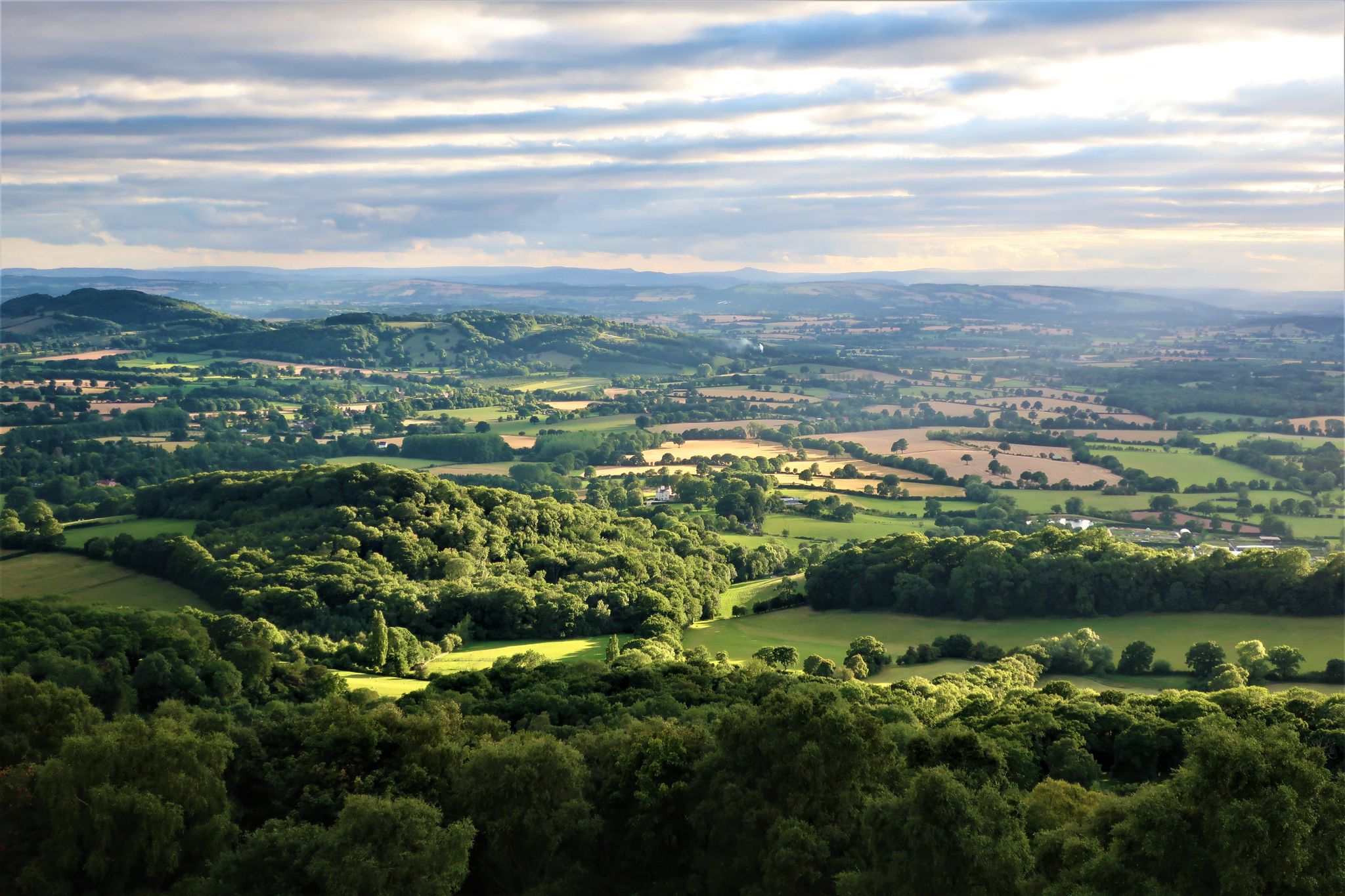
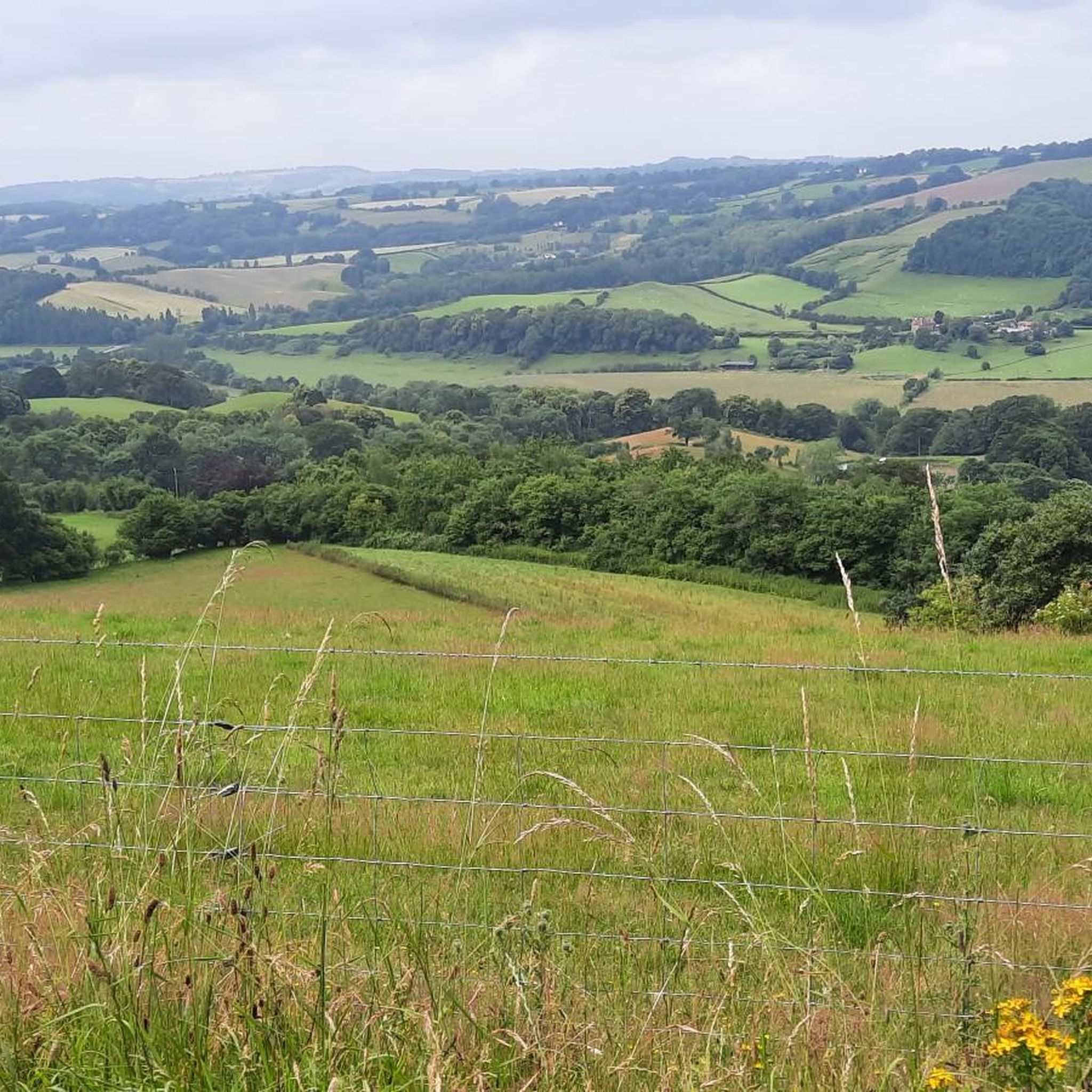
Best attractions and places to see around Doddenham include a blend of historical sites and natural beauty within the Worcestershire countryside. The village is situated on the banks of the River Teme, offering picturesque views and a peaceful atmosphere. Doddenham serves as a gateway to numerous points of interest in the wider Worcestershire area. Visitors can explore ancient churches, historic buildings, and expansive natural landscapes.
Best attractions and places to see around Doddenham
- The most popular attractions is Worcester Cathedral, a historical site that has been a place of worship for over 14 centuries. Its construction began in 1084 and it represents many styles of English architecture.
- Another must-see spot is Diglis Weir and Worcester Riverside Path, a trail offering classic and relaxing rides along the River Severn. This multi-use path provides great views across the river, including Worcester Cathedral and the weir at Diglis.
- Visitors also love Diglis Bridge, a pedestrian and bicycle bridge that links the marina area with Lower Wick. This 66-meter suspension bridge is known for its unusual design and scenic setting, making it a notable landmark.
- Doddenham is known for historical sites, natural features, and family-friendly attractions. The area offers a variety of places to see and explore, from ancient churches to riverside paths and unique architectural structures.
- The attractions around Doddenham are appreciated by the komoot community, with 42 photos and 124 upvotes from visitors.
Last updated: October 5, 2026
Worcester Cathedral
Highlight • Historical Site
Showing Translation
Tip by

North Malvern Clock Tower and Tank
Highlight • Historical Site
Tip by

Sign up now to discover places like this
Get recommendations on the best single tracks, peaks, & plenty of other exciting outdoor places.
Hylton Road Cycle and Pedestrian Bridge
Highlight (Segment) • Cycleway
At the northern end the bridge links up to a muddy path, barely passable after rain, or you can cross four lanes of traffic and ride on a pavement towards town.
At the Northern end you can also ride on a pavement for 50metres, before crossing four lanes of traffic and heading towards Powick/Malvern.
There is also the option of going round the roundabout. Whilst busy this avoids taking the hilly diversion that is the bridge, and means you don't have to rejoin by crossing traffic on a busy road.
Lovely structure, would look great in a bridge museum, where it would probably be more useful. Cyclists are lucky, the footpath from Malvern is fenced off making the bridge the only option for pedestrians.
Tip by

Diglis Weir and Worcester Riverside Path
Highlight (Segment) • Trail
Tip by

Diglis Bridge
Highlight • Bridge
As part of a £5 million riverside regeneration project aimed at revitalising the Diglis Basin and Marina, Diglis Bridge was opened on the 20th of July 2010 as a new link in the National Cycle Network. It also creates a completely elliptical cycle path between Worcester’s main Sabrina Bridge and the Diglis Locks. At the time of writing, it is the most recent bridge to be built across Britains longest river – The Severn.
Designated as a pedestrian and bicycle bridge it was architecturally designed by YEE Associates and installed by Alun Griffiths Ltd as part of the ‘Sustrans Connect2’ (sustainable Transport) Initiative. The completed bridge is believed to have cost 1.8 million pound to develop and install.
The suspension bridge a-frame pylon tower is 28m in height and is inclined towards the river at a 22.5° angle. It’s believed to be only one of two Bridges worldwide where the cable-stayed tower inclines towards the span of the river – the other one being located in Tasmania.
Diglis Bridge is 66 metres in length and links the marina area with Lower Wick. The decking is made from aluminium planks and the parapets are designed as post-and-wire railings. The width is a minimum of 3.5 metres to allow for cyclists traveling in opposite directs to pass each other with ease. Overall, the bridge weighs about 70 tonnes and clears the river surface by an average of 8.3 metres.
Given its unusual design and scenic setting it has become something of a tourist attraction in its own right. It is particularly popular with photographers as the sun angles directly behind the main pylon during sunset.
Tip by

Sign up for free to discover even more attractions around Doddenham.
Already have an account?
Start today with a free account
Your next adventure awaits.
Other adventures around Doddenham

Tips from the Community

Cute cable stayed Bridge over the River Severn
0
0

The Cathedral – i.e. a bishop’s church – in the city of Worcester is a very historic building with an almost thousand-year-old Christian tradition. The construction of this house of worship was begun as early as AD 1084, shortly after the Norman conquest of England (by William the Conqueror, formerly Duke of Normandy, then King of England, AD 1066). This house of worship and thus the entire diocese has, which is by no means unusual for Anglican cathedrals, been entrusted to a double patronage: firstly Jesus Christ himself, the God-son incarnate, and secondly the most blessed Mother of God and Virgin Mary.
2
0

A super nice cycleway that goes along the banks of the Severn and beyond. The surface is super good and avoids busy road sections. A good alternative if you were doing the LEJOG like us.
0
0

very useful for cyclists, especially in terms of safety
0
0

Built by the order of Norman kings, astonishing place for history lovers. A tomb of King John is located inside of the cathedral. Additionally, the top is also worth checking, but it is better to double check opening hours.
0
0
A brilliant, relatively new cycleway along the River Severn. I would recommend visiting Diglis Pass (opening hours can be checked here - https://canalrivertrust.org.uk/things-to-do/museums-and-attractions/diglis-island-and-fish-pass/drop-in-sessions-at-the-fish-pass).
0
0

Worth checking if the tower is open as well. 235 steps to the top.
0
0
Frequently Asked Questions
What natural attractions and outdoor activities can I find near Doddenham?
Doddenham is situated on the banks of the picturesque River Teme, offering a peaceful atmosphere. You can explore the Teme Valley Trail, a 14-mile route along the river, or venture further to the Malvern Hills National Landscape for hiking. The Wyre Forest National Nature Reserve, one of England's largest ancient oak woodlands, is also nearby for nature walks. For specific routes, komoot offers several running and easy hiking trails in the area.
What historical sites and cultural landmarks are there to explore around Doddenham?
The area boasts rich history. You can visit Worcester Cathedral, a significant architectural landmark with a Christian tradition spanning nearly a thousand years. St. Andrew's Church in Doddenham itself dates back to the 12th century. Further afield, Witley Court & Gardens offers a magnificent ruined mansion and restored gardens, while the North Malvern Clock Tower and Tank provides a glimpse into 19th-century water management.
Are there family-friendly attractions or activities near Doddenham?
Yes, there are several options for families. The West Midlands Safari Park is a popular choice for animal encounters. For outdoor fun, consider The Great Worcester Maize Maze. The Severn Valley Railway offers a unique experience related to transport history. In Worcester, Gheluvelt Park provides green space, and indoor activities like High Score Arcades, The Buzz Worcester (inflatable park), and Worcester Bowl are available within a short drive.
Where can I find hiking or walking trails near Doddenham?
Doddenham is a great base for walking. The Teme Valley Trail offers scenic routes along the River Teme. The Malvern Hills National Landscape, approximately 11.6 km away, provides numerous hiking opportunities. For easier walks, komoot lists several easy hikes around Doddenham, including the Parkland Walk and loops around The Knapp & Papermill. You can also find more challenging hiking routes in the wider area.
Are there any wheelchair-accessible trails or attractions?
Yes, Diglis Bridge in Worcester is designated as a pedestrian and bicycle bridge with a minimum width of 3.5 meters, making it wheelchair accessible. The adjacent Diglis Weir and Worcester Riverside Path is also a multi-use path suitable for various users, offering relaxing views along the River Severn.
What is the best time of year to visit Doddenham and its attractions?
The spring and summer months (April to September) are generally ideal for visiting Doddenham, offering pleasant weather for outdoor activities like hiking and exploring gardens. Autumn brings beautiful foliage, particularly in areas like the Wyre Forest. Many indoor attractions, such as Worcester Cathedral and museums, are accessible year-round, making Doddenham a destination that can be enjoyed in any season.
Are there places to eat or drink near Doddenham after a walk?
While Doddenham itself is a small village, the surrounding Worcestershire area offers various pubs and cafes. Many local pubs are known for their traditional fare and welcoming atmosphere, perfect for relaxing after exploring the Teme Valley or nearby trails. Worcester, a short drive away, provides a wider selection of dining options.
What do visitors enjoy most about the attractions around Doddenham?
Visitors frequently appreciate the blend of historical significance and natural beauty. For instance, the Worcester Cathedral is admired for its impressive architecture and rich history. The Diglis Weir and Worcester Riverside Path is loved for its classic, relaxing rides and great views of the river and cathedral. The unique design and scenic setting of Diglis Bridge also make it a popular spot for photographers and those seeking a pleasant stroll.
Can I find cycling routes near Doddenham's attractions?
Yes, the area offers several cycling opportunities. The Teme Valley Trail is suitable for cycling, providing scenic views. In Worcester, the Diglis Weir and Worcester Riverside Path is a multi-use path popular with cyclists, and the Diglis Bridge forms part of a cycle network. The Hylton Road Cycle and Pedestrian Bridge also offers a modern cycling link with unique design features.
Are there any hidden gems or lesser-known spots for outdoor activities?
Beyond the main attractions, exploring the smaller villages along the River Teme can reveal charming spots. The Teme Valley Trail itself offers opportunities to discover historic sites like the ruins of Lindridge Priory and the 13th-century Broadwas Church. For a unique historical and engineering marvel, the North Malvern Clock Tower and Tank is an intriguing site with a fascinating backstory.
What are the options for public transport to attractions near Doddenham?
While Doddenham itself is a small village, public transport options are available to reach larger towns and attractions. Worcester, for example, is well-connected by bus services from surrounding areas, and many of its attractions like the Cathedral and riverside paths are centrally located. For specific routes and schedules, it's advisable to check local bus operator websites.
Most popular attractions around Doddenham

Get inspired with the komoot mobile app


Explore more
Still not found the Highlight you’re looking for? See guides of the top attractions in other regions:
